
How to Use LCD: Examples, Pinouts, and Specs
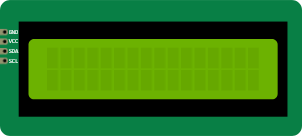
 Design with LCD in Cirkit Designer
Introduction
A Liquid Crystal Display (LCD) is a flat-panel display technology that uses liquid crystals to modulate light. It is widely used in various electronic devices, including televisions, computer monitors, mobile devices, and embedded systems. LCDs are known for their lightweight design, energy efficiency, and ability to display clear images and text. In electronics, smaller LCD modules are commonly used to display alphanumeric characters, symbols, or graphical data in embedded systems and microcontroller-based projects.
Explore Projects Built with LCD
 Open Project in Cirkit Designer
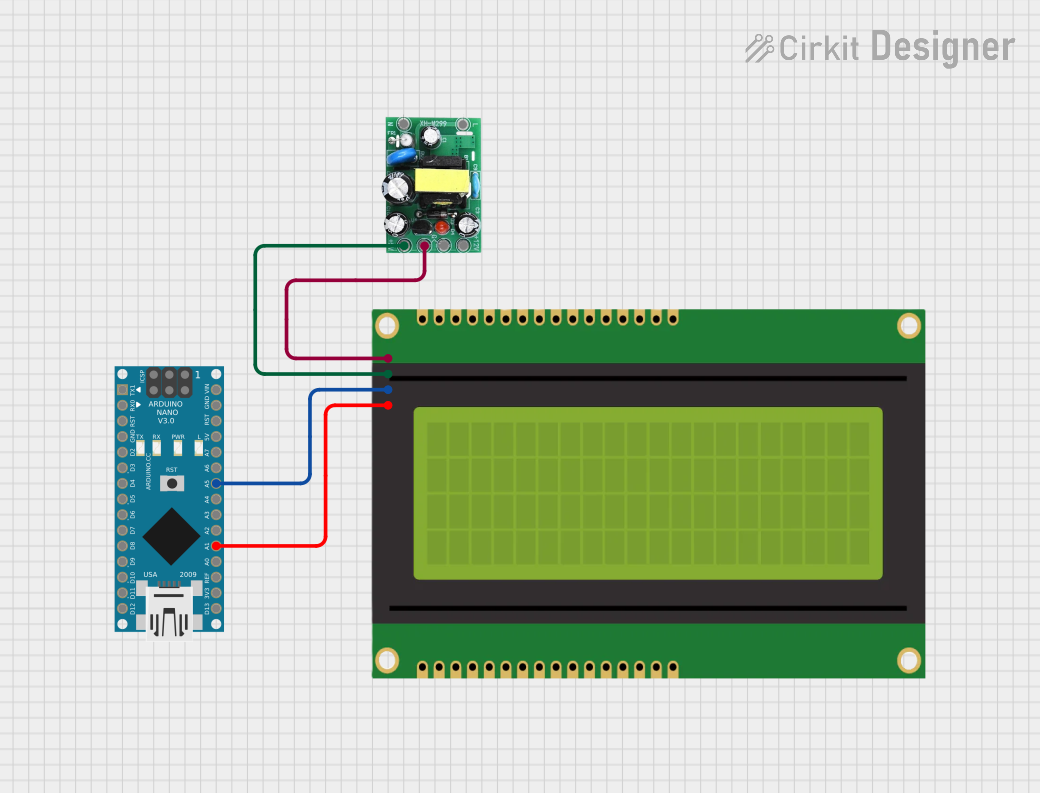 Open Project in Cirkit Designer
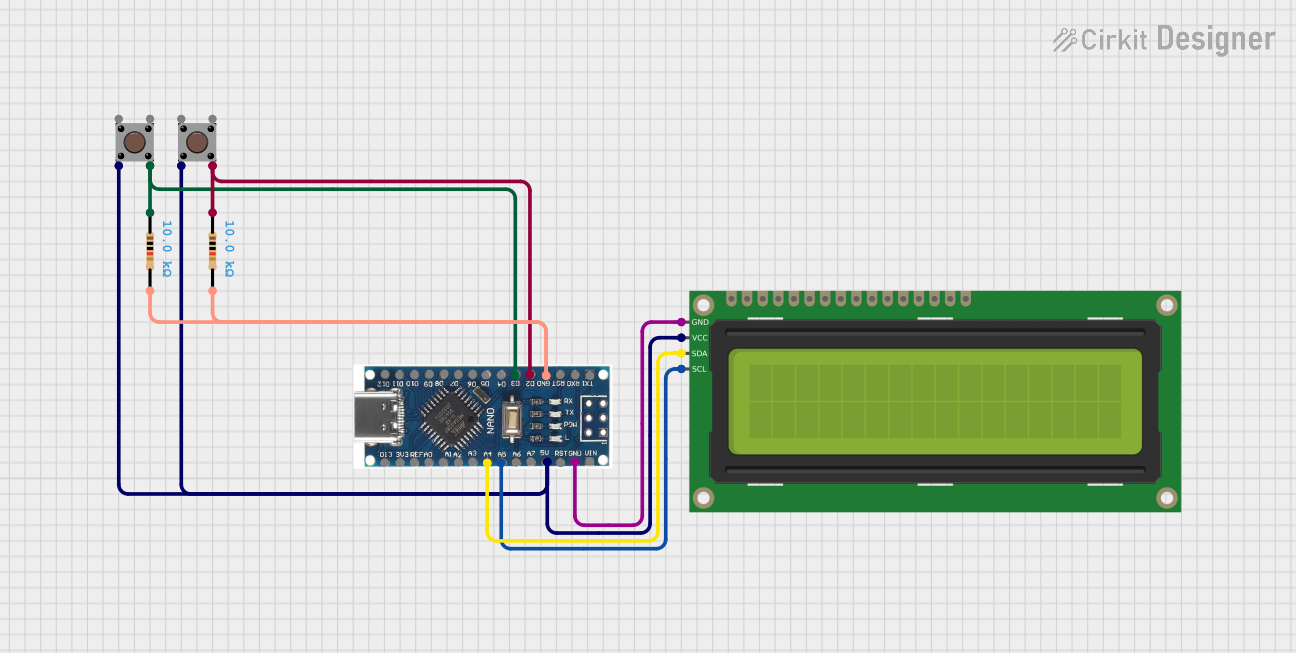 Open Project in Cirkit Designer
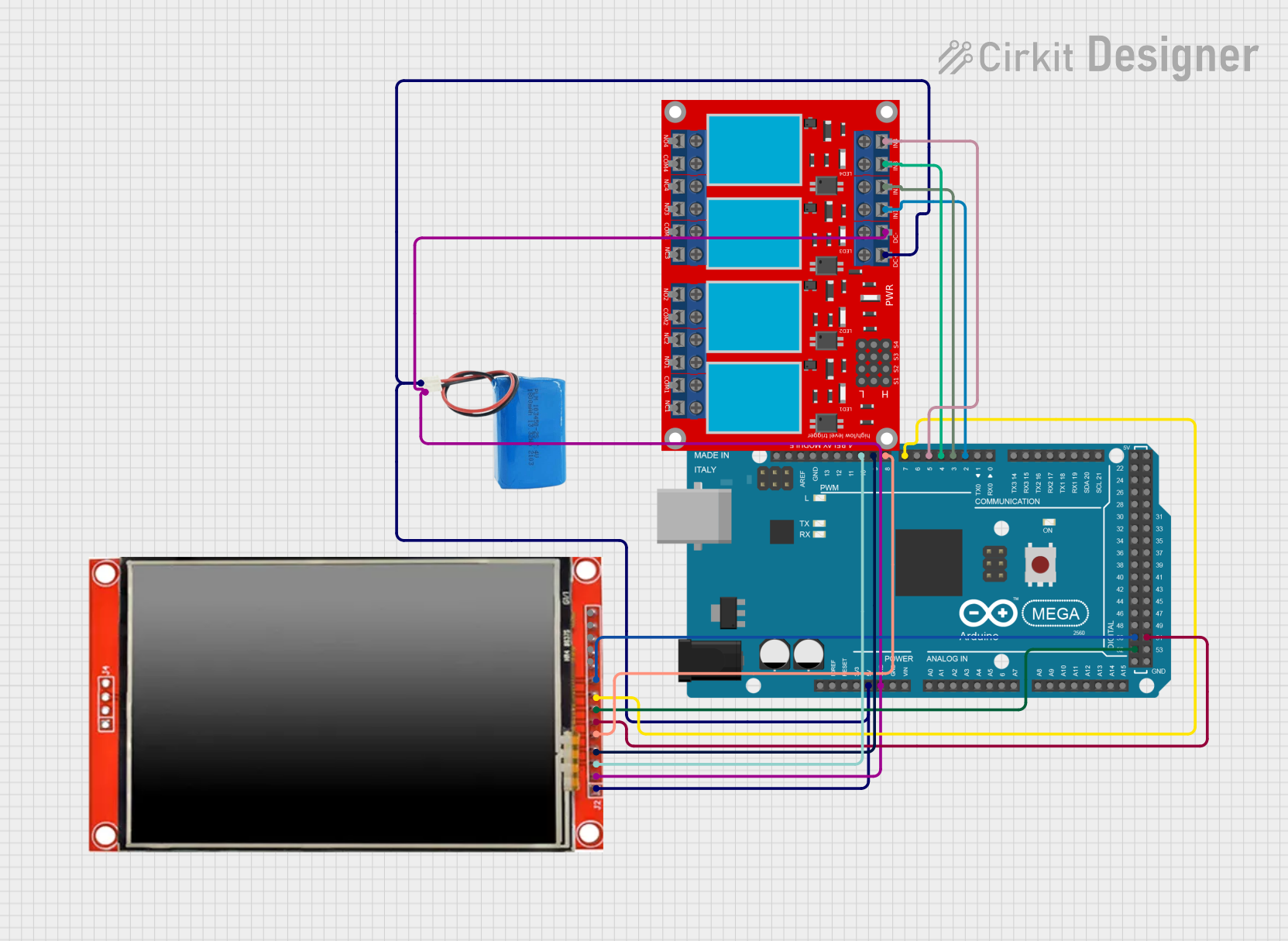 Open Project in Cirkit Designer
Explore Projects Built with LCD
Open Project in Cirkit DesignerOpen Project in Cirkit DesignerOpen Project in Cirkit DesignerOpen Project in Cirkit DesignerCommon Applications and Use Cases
- Digital clocks and watches
- Embedded systems and microcontroller projects
- Consumer electronics (e.g., calculators, remote controls)
- Industrial control panels
- IoT devices for displaying sensor data
- Portable medical devices
Technical Specifications
The specifications of an LCD module can vary depending on the type and size. Below are the general specifications for a common 16x2 alphanumeric LCD module (HD44780-compatible):
Key Technical Details
- Display Type: 16x2 (16 characters per row, 2 rows)
- Operating Voltage: 4.7V to 5.3V DC
- Current Consumption: 1mA to 2mA (without backlight), ~15mA (with backlight)
- Interface: Parallel (4-bit or 8-bit mode)
- Character Size: ~5.2mm x 8.5mm
- Backlight: LED (commonly white, green, or blue)
- Operating Temperature: -20°C to 70°C
Pin Configuration and Descriptions
The 16x2 LCD module typically has 16 pins. Below is the pinout and description:
| Pin No. | Name | Description |
|---|---|---|
| 1 | VSS | Ground (0V) connection |
| 2 | VDD | Power supply (4.7V to 5.3V) |
| 3 | V0 | Contrast adjustment (connect to a potentiometer for contrast control) |
| 4 | RS | Register Select (0: Command mode, 1: Data mode) |
| 5 | RW | Read/Write (0: Write to LCD, 1: Read from LCD) |
| 6 | E | Enable pin (used to latch data to the LCD) |
| 7 | D0 | Data pin 0 (used in 8-bit mode only) |
| 8 | D1 | Data pin 1 (used in 8-bit mode only) |
| 9 | D2 | Data pin 2 (used in 8-bit mode only) |
| 10 | D3 | Data pin 3 (used in 8-bit mode only) |
| 11 | D4 | Data pin 4 (used in both 4-bit and 8-bit modes) |
| 12 | D5 | Data pin 5 (used in both 4-bit and 8-bit modes) |
| 13 | D6 | Data pin 6 (used in both 4-bit and 8-bit modes) |
| 14 | D7 | Data pin 7 (used in both 4-bit and 8-bit modes) |
| 15 | A (LED+) | Backlight anode (connect to +5V through a resistor) |
| 16 | K (LED-) | Backlight cathode (connect to ground) |
Usage Instructions
How to Use the LCD in a Circuit
- Power Supply: Connect the VSS pin to ground and the VDD pin to a 5V power supply.
- Contrast Adjustment: Connect the V0 pin to the wiper of a 10kΩ potentiometer. Connect one end of the potentiometer to ground and the other to 5V. Adjust the potentiometer to set the display contrast.
- Control Pins: Connect the RS, RW, and E pins to digital output pins of a microcontroller (e.g., Arduino).
- Data Pins: For 4-bit mode, connect D4 to D7 to the microcontroller. For 8-bit mode, connect all data pins (D0 to D7).
- Backlight: Connect the A (LED+) pin to 5V through a current-limiting resistor (e.g., 220Ω). Connect the K (LED-) pin to ground.
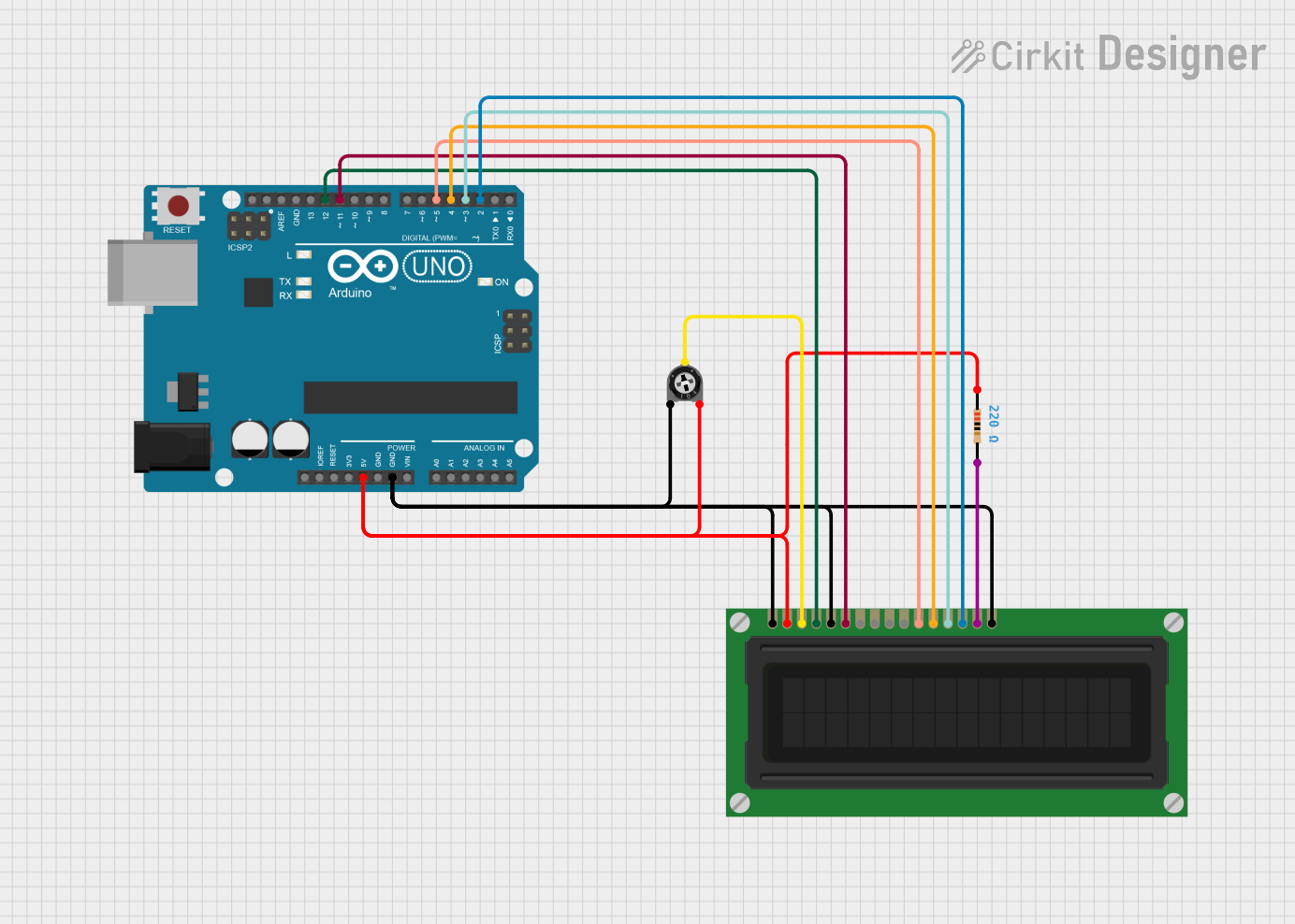
Example: Connecting an LCD to an Arduino UNO
Below is an example of how to connect a 16x2 LCD to an Arduino UNO in 4-bit mode:
Circuit Connections
- VSS → GND
- VDD → 5V
- V0 → Potentiometer (middle pin)
- RS → Arduino pin 12
- RW → GND
- E → Arduino pin 11
- D4 → Arduino pin 5
- D5 → Arduino pin 4
- D6 → Arduino pin 3
- D7 → Arduino pin 2
- A (LED+) → 5V (via 220Ω resistor)
- K (LED-) → GND
Arduino Code Example
#include <LiquidCrystal.h>

// Initialize the library with the pins connected to the LCD
// (RS, E, D4, D5, D6, D7)
LiquidCrystal lcd(12, 11, 5, 4, 3, 2);

void setup() {
  // Set up the LCD's number of columns and rows
  lcd.begin(16, 2);

  // Print a message to the LCD
  lcd.print("Hello, World!");
}

void loop() {
  // Move the cursor to the second row, first column
  lcd.setCursor(0, 1);

  // Print a dynamic message
  lcd.print("Count: ");
  lcd.print(millis() / 1000); // Display elapsed time in seconds
}
Important Considerations and Best Practices
- Always use a current-limiting resistor for the backlight to prevent damage.
- Use a potentiometer to adjust the contrast for optimal visibility.
- Avoid leaving the RW pin floating; connect it to ground if not used.
- Ensure proper grounding to avoid noise or flickering on the display.
Troubleshooting and FAQs
Common Issues and Solutions
No Display on the LCD:
- Check the power supply connections (VSS and VDD).
- Adjust the contrast using the potentiometer connected to V0.
- Verify the backlight connections (A and K pins).
Flickering or Unstable Display:
- Ensure proper grounding of all pins.
- Use decoupling capacitors (e.g., 0.1µF) near the power supply pins.
Incorrect Characters or No Response:
- Verify the connections between the microcontroller and the LCD.
- Ensure the correct pin numbers are defined in the code.
- Check if the LCD is initialized in the correct mode (4-bit or 8-bit).
Backlight Not Working:
- Check the current-limiting resistor value.
- Ensure the A (LED+) and K (LED-) pins are connected correctly.
FAQs
Q: Can I use the LCD with a 3.3V microcontroller?
A: Yes, but you may need a level shifter or resistor divider for the control and data pins. Additionally, ensure the backlight and power supply are compatible with 3.3V.
Q: How do I display custom characters on the LCD?
A: You can use the createChar() function in the LiquidCrystal library to define and display custom characters.
Q: Can I use the LCD without a backlight?
A: Yes, the LCD will still function without a backlight, but visibility may be reduced in low-light conditions.