
How to Use TPS40057 DC-DC 5V: Examples, Pinouts, and Specs
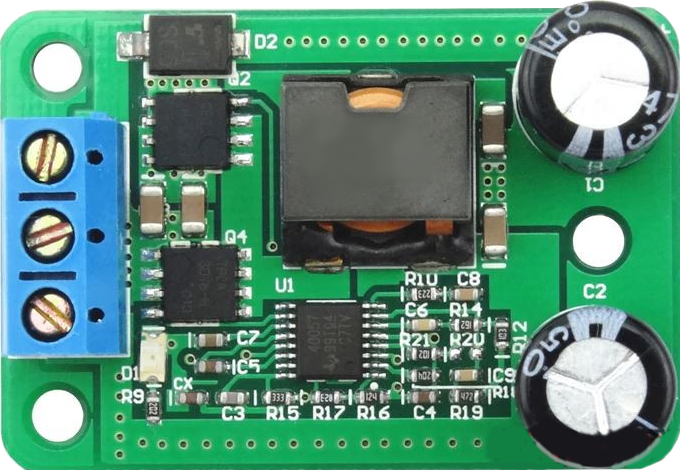
 Design with TPS40057 DC-DC 5V in Cirkit Designer
Introduction
The TPS40057 is a high-efficiency, step-down (buck) DC-DC converter that provides a regulated 5V output. It is designed to operate with a wide input voltage range and offers an adjustable output voltage, making it suitable for a variety of power supply applications. The TPS40057 is ideal for use in systems requiring high power efficiency, compact size, and reliable performance.
Explore Projects Built with TPS40057 DC-DC 5V
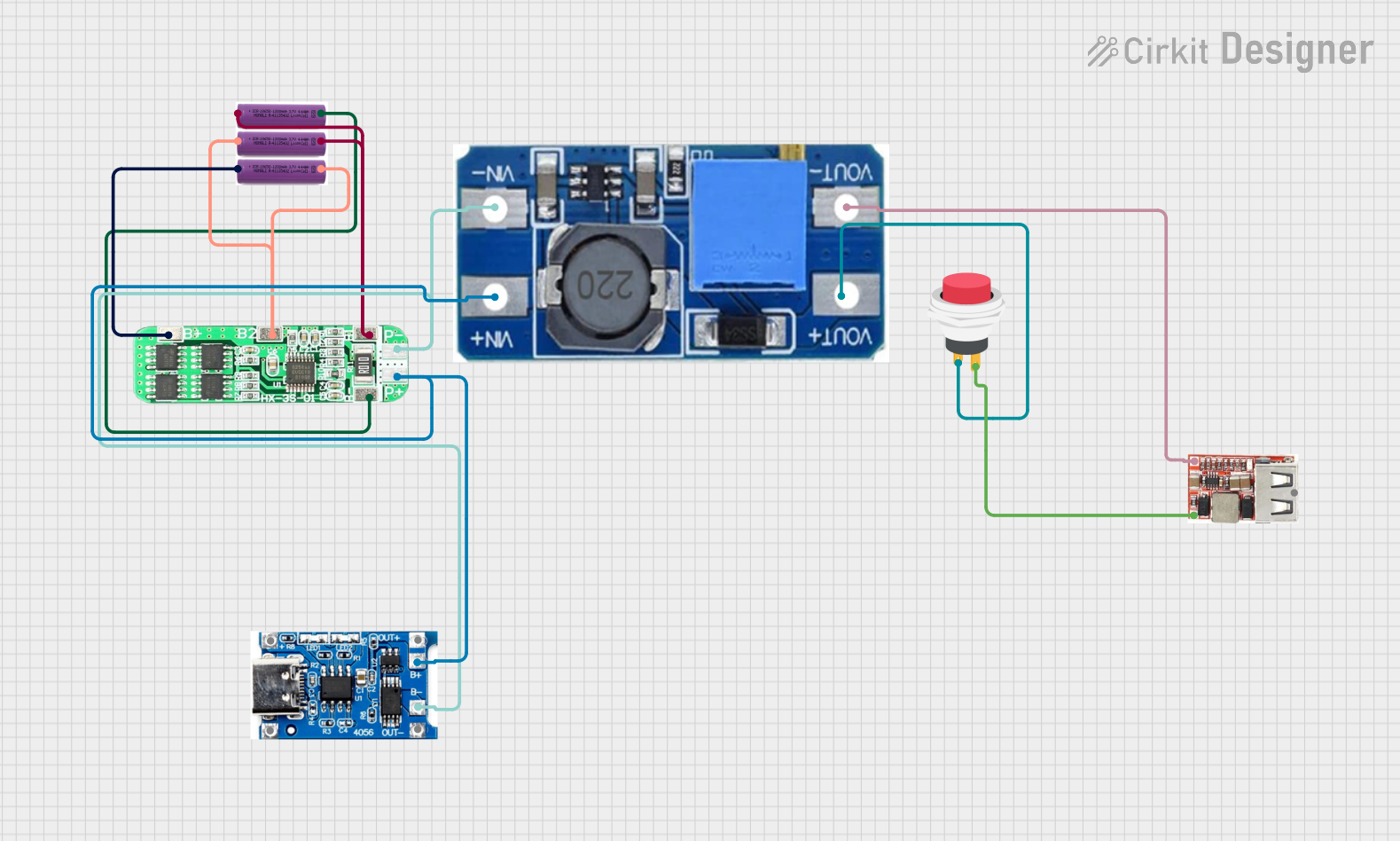 Open Project in Cirkit Designer
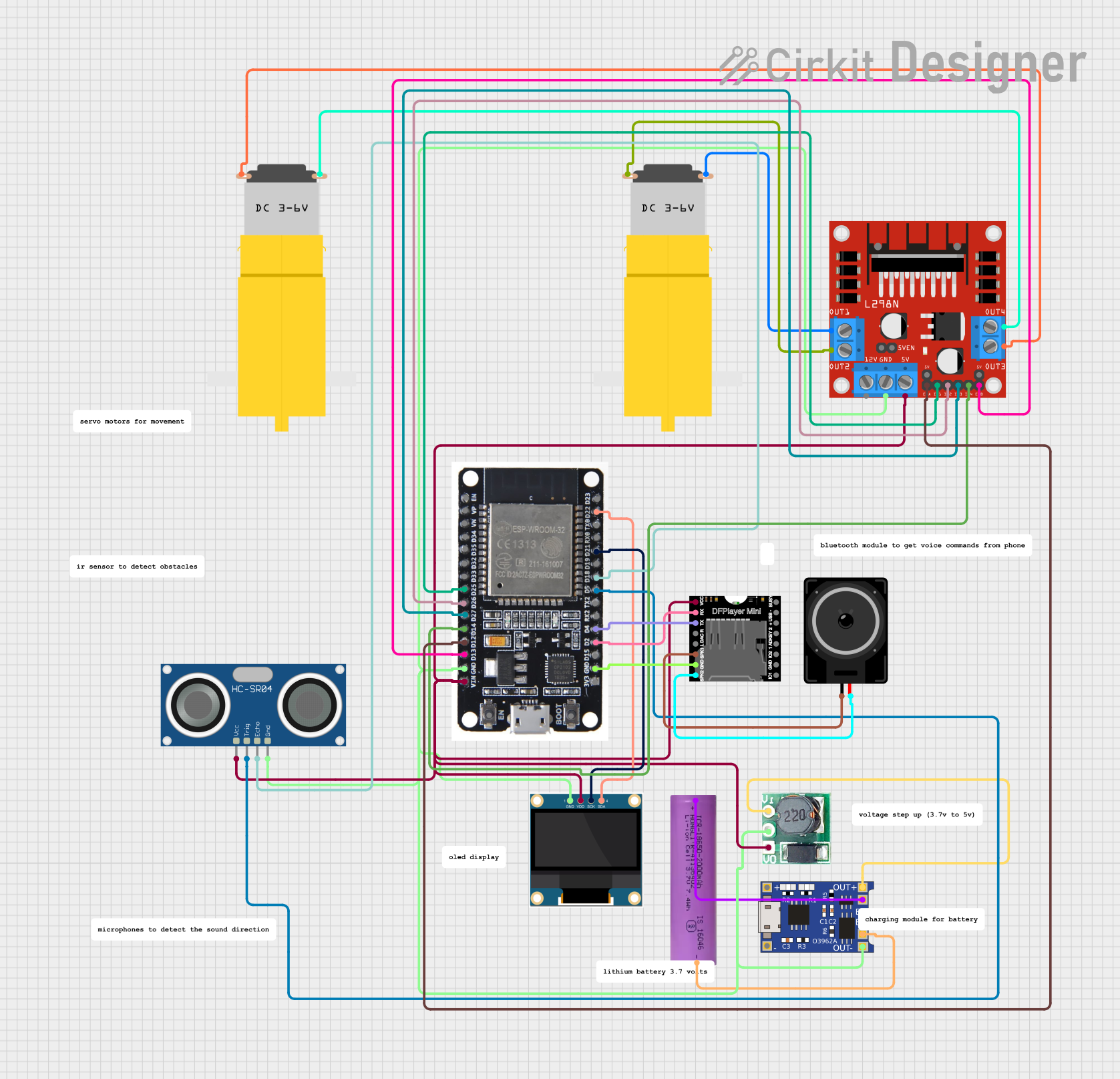 Open Project in Cirkit Designer
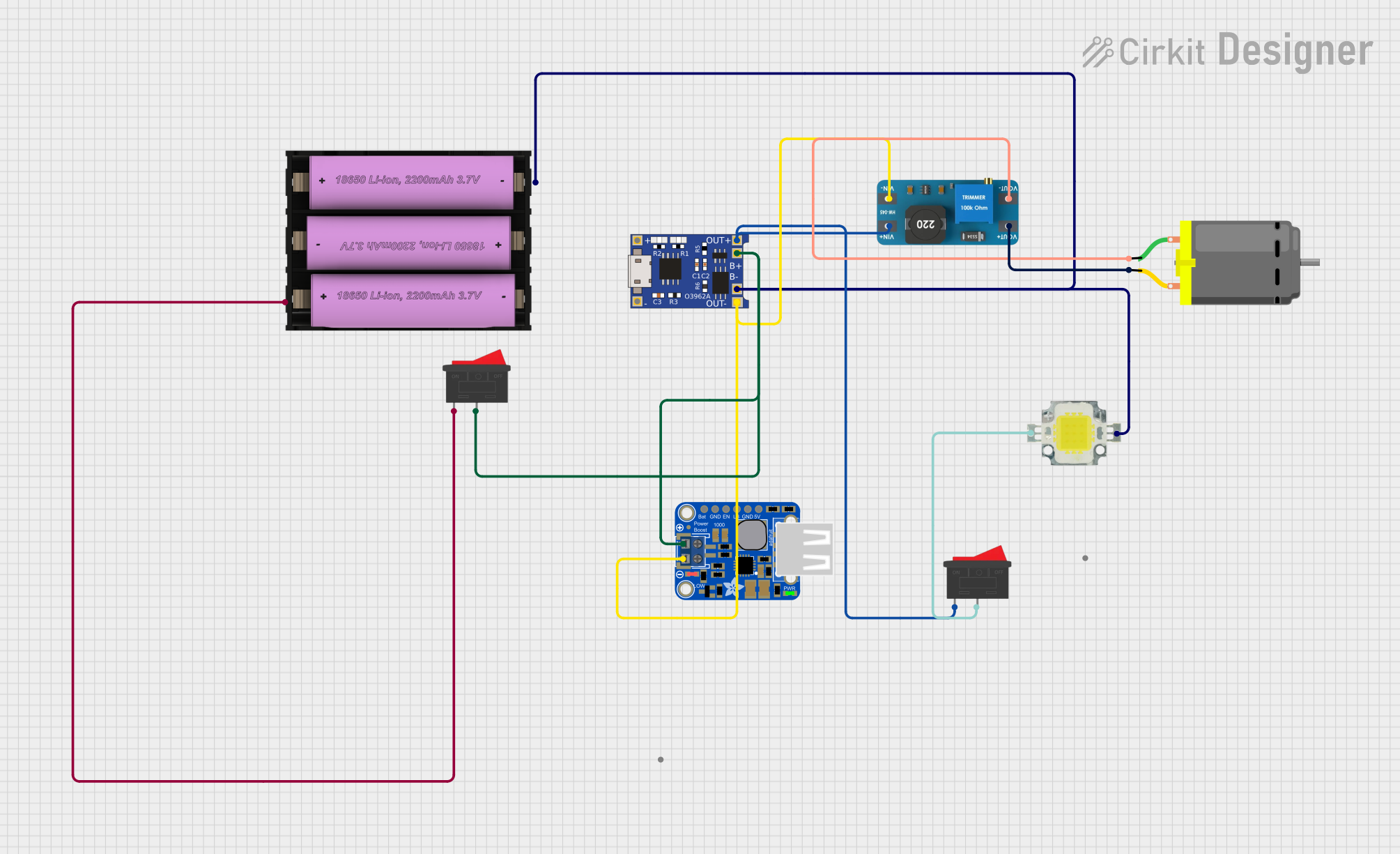 Open Project in Cirkit Designer
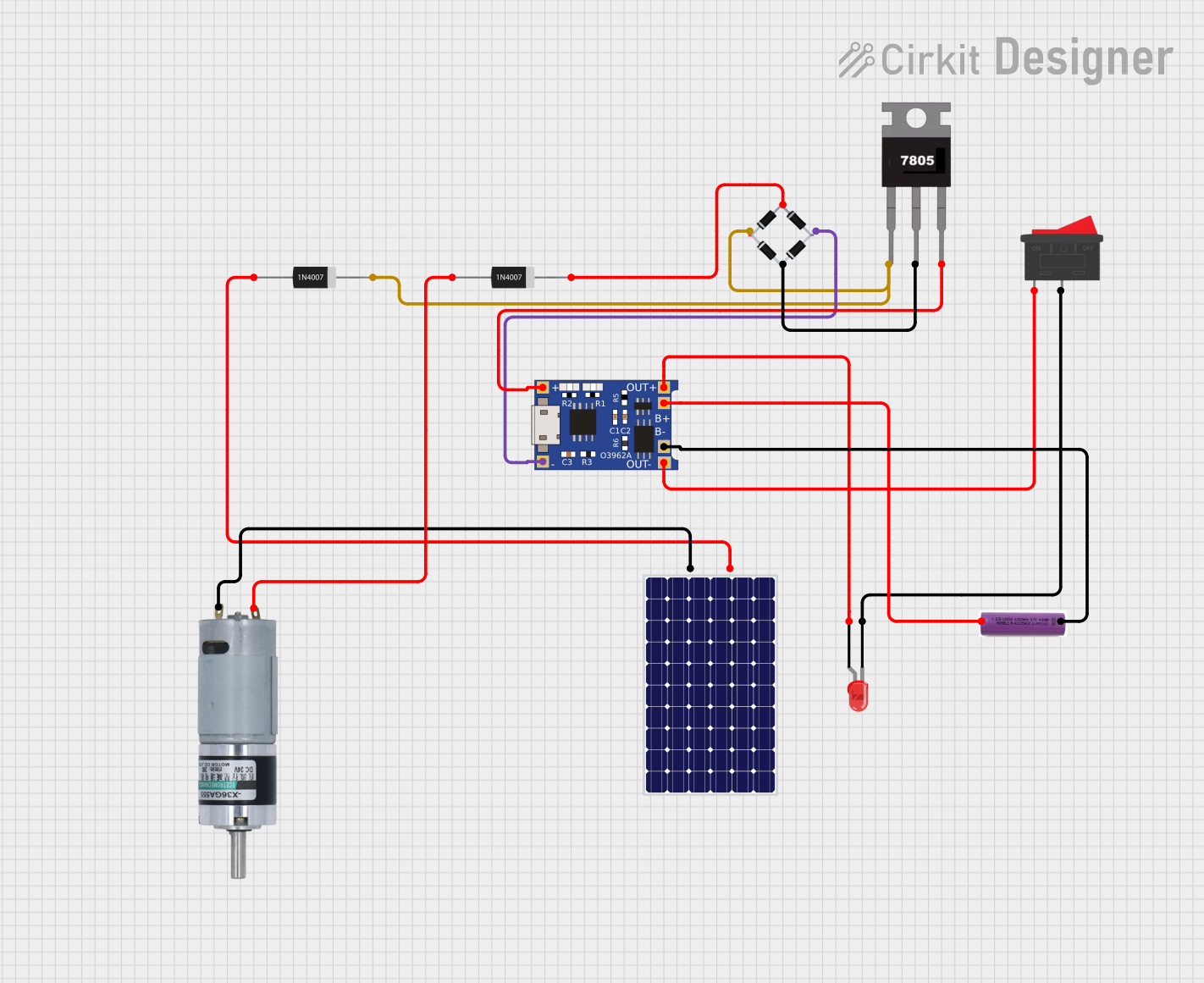 Open Project in Cirkit Designer
Explore Projects Built with TPS40057 DC-DC 5V
Open Project in Cirkit DesignerOpen Project in Cirkit DesignerOpen Project in Cirkit DesignerOpen Project in Cirkit DesignerCommon Applications and Use Cases
- Power supply for microcontrollers and digital circuits
- Battery-powered devices
- Industrial automation systems
- Consumer electronics
- Distributed power systems
Technical Specifications
Key Technical Details
| Parameter | Value |
|---|---|
| Input Voltage Range | 8V to 40V |
| Output Voltage Range | Adjustable (default: 5V) |
| Output Current | Up to 10A |
| Switching Frequency | 200 kHz to 600 kHz (adjustable) |
| Efficiency | Up to 95% |
| Operating Temperature Range | -40°C to +125°C |
| Package Type | 16-pin TSSOP |
Pin Configuration and Descriptions
| Pin Number | Pin Name | Description |
|---|---|---|
| 1 | VIN | Input voltage supply (8V to 40V). Connect to the input power source. |
| 2 | VOUT | Regulated output voltage. Connect to the load. |
| 3 | GND | Ground reference for the circuit. |
| 4 | COMP | Compensation pin for the error amplifier. Connect to external RC network. |
| 5 | FB | Feedback pin for output voltage regulation. Connect to a resistor divider. |
| 6 | EN | Enable pin. High to enable the converter, low to disable. |
| 7 | RT | Sets the switching frequency. Connect to a resistor to ground. |
| 8 | SS | Soft-start pin. Connect to a capacitor to control startup timing. |
| 9-16 | NC | No connection. Leave these pins unconnected. |
Usage Instructions
How to Use the TPS40057 in a Circuit
- Input Voltage Connection: Connect the input voltage (8V to 40V) to the VIN pin. Ensure the input voltage is within the specified range.
- Output Voltage Adjustment: Use a resistor divider network connected to the FB pin to set the desired output voltage. For a 5V output, calculate the resistor values using the formula: [ V_{OUT} = V_{REF} \times \left(1 + \frac{R_1}{R_2}\right) ] where ( V_{REF} ) is typically 0.8V.
- Switching Frequency: Connect a resistor to the RT pin to set the switching frequency. Refer to the datasheet for the resistor value corresponding to the desired frequency.
- Soft-Start: Connect a capacitor to the SS pin to control the startup timing. A larger capacitor results in a slower startup.
- Enable Pin: Drive the EN pin high to enable the converter. Pull it low to disable the output.
- Output Capacitor: Use a low ESR capacitor at the output to ensure stable operation and reduce ripple.
- Inductor Selection: Choose an inductor with appropriate current rating and inductance value to handle the load current and maintain stable operation.
Important Considerations and Best Practices
- Use proper decoupling capacitors at the input and output to minimize noise and voltage ripple.
- Ensure the PCB layout minimizes the length of high-current paths to reduce EMI and improve efficiency.
- Use a heat sink or proper thermal management if operating at high currents or in high-temperature environments.
- Verify the resistor and capacitor values for the feedback, compensation, and soft-start circuits to ensure stable operation.
Example: Connecting TPS40057 to an Arduino UNO
The TPS40057 can be used to power an Arduino UNO by providing a regulated 5V output. Below is an example of how to connect the TPS40057 to an Arduino UNO:
- Connect the VIN pin of the TPS40057 to a 12V DC power source.
- Set the output voltage to 5V using a resistor divider network on the FB pin.
- Connect the VOUT pin of the TPS40057 to the 5V pin of the Arduino UNO.
- Connect the GND pin of the TPS40057 to the GND pin of the Arduino UNO.
Here is an example Arduino code to blink an LED, powered by the TPS40057:
// Example Arduino code to blink an LED
// Ensure the Arduino is powered by the TPS40057's 5V output

const int ledPin = 13; // Pin connected to the onboard LED

void setup() {
  pinMode(ledPin, OUTPUT); // Set the LED pin as an output
}

void loop() {
  digitalWrite(ledPin, HIGH); // Turn the LED on
  delay(1000);                // Wait for 1 second
  digitalWrite(ledPin, LOW);  // Turn the LED off
  delay(1000);                // Wait for 1 second
}
Troubleshooting and FAQs
Common Issues and Solutions
No Output Voltage:
- Ensure the EN pin is driven high to enable the converter.
- Verify the input voltage is within the specified range (8V to 40V).
- Check the feedback resistor network for correct values.
Excessive Output Ripple:
- Use low ESR capacitors at the output.
- Verify the inductor value and ensure it is appropriate for the load current.
Overheating:
- Check for proper thermal management, such as heat sinks or adequate PCB copper area.
- Ensure the load current does not exceed the maximum rating.
Unstable Output Voltage:
- Verify the compensation network connected to the COMP pin.
- Check the soft-start capacitor value for proper startup behavior.
FAQs
Q: Can the TPS40057 provide an output voltage other than 5V?
A: Yes, the output voltage is adjustable using a resistor divider network on the FB pin. Refer to the formula in the usage instructions.
Q: What is the maximum load current the TPS40057 can handle?
A: The TPS40057 can handle up to 10A of load current, provided proper thermal management is implemented.
Q: How do I set the switching frequency?
A: The switching frequency is set by connecting a resistor to the RT pin. Refer to the datasheet for the resistor value corresponding to the desired frequency.
Q: Can I use the TPS40057 with a battery as the input source?
A: Yes, as long as the battery voltage is within the input voltage range (8V to 40V).