
How to Use TC1508: Examples, Pinouts, and Specs
 Design with TC1508 in Cirkit Designer
Introduction
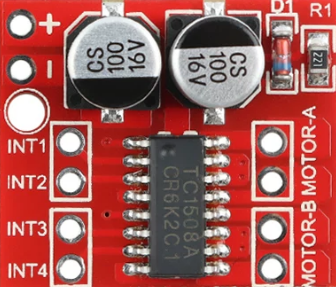
The TC1508 is a high-performance, low-dropout (LDO) voltage regulator designed to provide a stable and reliable output voltage with a minimal input-output voltage difference. This makes it ideal for applications where power efficiency and precise voltage regulation are critical. The TC1508 is commonly used in power management circuits for sensitive electronic components, such as microcontrollers, sensors, and communication modules.
Explore Projects Built with TC1508
 Open Project in Cirkit Designer
 Open Project in Cirkit Designer
 Open Project in Cirkit Designer
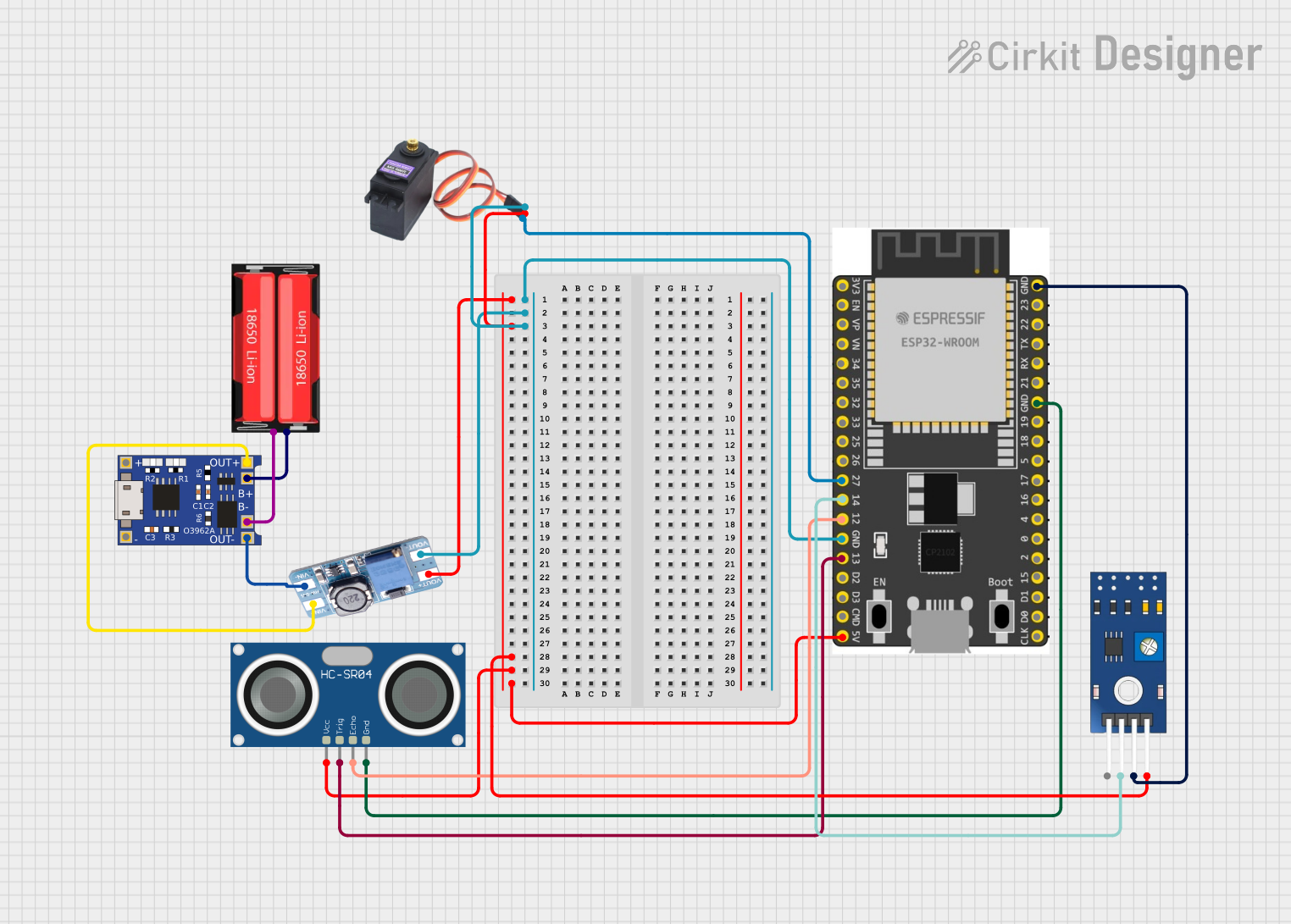 Open Project in Cirkit Designer
Explore Projects Built with TC1508
Open Project in Cirkit DesignerOpen Project in Cirkit DesignerOpen Project in Cirkit DesignerOpen Project in Cirkit DesignerCommon Applications:
- Power supply regulation for microcontrollers and digital circuits
- Battery-powered devices requiring efficient voltage regulation
- Portable electronics, such as smartphones and wearables
- Communication modules (e.g., Wi-Fi, Bluetooth, and GSM modules)
- Industrial and automotive electronics
Technical Specifications
The TC1508 is designed to deliver high performance with low power consumption. Below are its key technical specifications:
| Parameter | Value |
|---|---|
| Input Voltage Range | 2.5V to 16V |
| Output Voltage Range | 1.2V to 12V (fixed or adjustable) |
| Maximum Output Current | 1.5A |
| Dropout Voltage | 0.3V (typical at 1A load) |
| Quiescent Current | 50 µA (typical) |
| Line Regulation | ±0.2% (typical) |
| Load Regulation | ±0.4% (typical) |
| Operating Temperature | -40°C to +125°C |
| Package Options | TO-220, SOT-223, and TO-252 |
Pin Configuration
The TC1508 is available in multiple package types. Below is the pin configuration for the most common TO-220 package:
| Pin Number | Pin Name | Description |
|---|---|---|
| 1 | VIN | Input voltage pin. Connect to the power source. |
| 2 | GND | Ground pin. Connect to the circuit ground. |
| 3 | VOUT | Regulated output voltage pin. Connect to the load. |
Usage Instructions
How to Use the TC1508 in a Circuit
- Input Capacitor: Connect a capacitor (typically 10 µF) between the VIN pin and ground to stabilize the input voltage and reduce noise.
- Output Capacitor: Connect a capacitor (typically 10 µF or higher) between the VOUT pin and ground to ensure stable operation and minimize output voltage ripple.
- Adjustable Output (if applicable): For adjustable versions of the TC1508, use an external resistor divider network to set the desired output voltage. Refer to the datasheet for the formula to calculate resistor values.
- Thermal Considerations: Ensure proper heat dissipation by using a heatsink or adequate PCB thermal design, especially when operating at high currents.
Important Considerations
- Input Voltage: Ensure the input voltage is at least 0.3V higher than the desired output voltage to maintain proper regulation.
- Capacitor Selection: Use low-ESR capacitors for optimal performance.
- Load Current: Do not exceed the maximum output current of 1.5A to avoid damage to the regulator.
- Thermal Protection: The TC1508 includes built-in thermal shutdown. If the device overheats, reduce the load or improve cooling.
Example: Using TC1508 with Arduino UNO
The TC1508 can be used to power an Arduino UNO by providing a stable 5V output. Below is an example circuit and Arduino code:
Circuit Setup:
- Connect the VIN pin of the TC1508 to a 9V battery or DC power supply.
- Connect the GND pin to the ground of the circuit.
- Connect the VOUT pin to the 5V pin of the Arduino UNO.
Arduino Code:
// Example code to blink an LED using Arduino UNO powered by TC1508
const int ledPin = 13; // Pin connected to the onboard LED

void setup() {
  pinMode(ledPin, OUTPUT); // Set the LED pin as an output
}

void loop() {
  digitalWrite(ledPin, HIGH); // Turn the LED on
  delay(1000);                // Wait for 1 second
  digitalWrite(ledPin, LOW);  // Turn the LED off
  delay(1000);                // Wait for 1 second
}
Troubleshooting and FAQs
Common Issues and Solutions
No Output Voltage:
- Cause: Input voltage is too low or disconnected.
- Solution: Ensure the input voltage is within the specified range and at least 0.3V higher than the desired output voltage.
Excessive Heat:
- Cause: High load current or insufficient cooling.
- Solution: Reduce the load current or improve heat dissipation using a heatsink or better PCB design.
Output Voltage Instability:
- Cause: Improper capacitor selection or damaged capacitors.
- Solution: Use low-ESR capacitors with the recommended capacitance values.
Thermal Shutdown:
- Cause: Overheating due to high ambient temperature or excessive power dissipation.
- Solution: Reduce the load or improve ventilation around the regulator.
FAQs
Q1: Can the TC1508 be used with a 3.3V output?
A1: Yes, the TC1508 can provide a 3.3V output. For fixed-output versions, select the 3.3V variant. For adjustable versions, configure the resistor divider network accordingly.
Q2: What is the maximum input voltage for the TC1508?
A2: The maximum input voltage is 16V. Exceeding this value may damage the regulator.
Q3: Can I use the TC1508 without input and output capacitors?
A3: No, input and output capacitors are essential for stable operation and to minimize noise and ripple.
Q4: Is the TC1508 suitable for battery-powered devices?
A4: Yes, its low quiescent current and high efficiency make it ideal for battery-powered applications.