Cirkit Designer Logo
Cirkit Designer
Your all-in-one circuit design IDE
Home / 
Component Documentation

How to Use Peristaltic Pump Kamoer 12V: Examples, Pinouts, and Specs
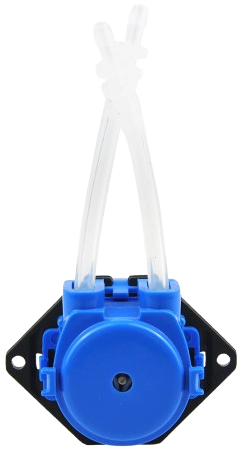

Image of Peristaltic Pump Kamoer 12V
Cirkit Designer LogoDesign with Peristaltic Pump Kamoer 12V in Cirkit Designer

Introduction

The Peristaltic Pump Kamoer 12V is a compact and efficient pump designed for precise fluid transfer and dosing. It operates using a series of rollers that compress a flexible tube, ensuring accurate and contamination-free fluid movement. This pump is powered by a 12V DC supply, making it versatile and easy to integrate into various systems. Its design is ideal for applications requiring controlled fluid flow, such as laboratory experiments, medical devices, food processing, and industrial automation.

Explore Projects Built with Peristaltic Pump Kamoer 12V
Use Cirkit Designer to design, explore, and prototype these projects online. Some projects support real-time simulation. Click "Open Project" to start designing instantly!
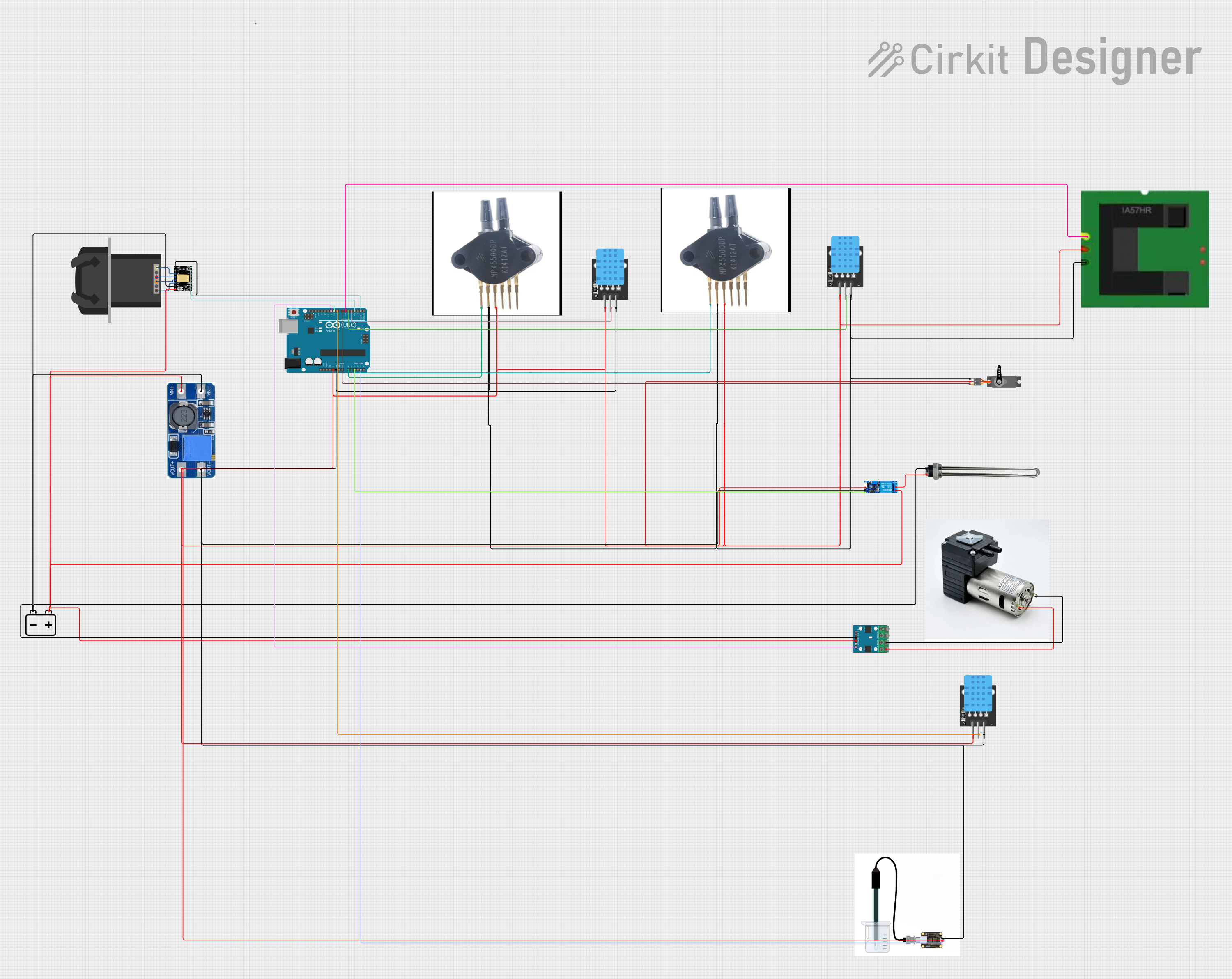
Arduino UNO Controlled Peristaltic Pump System with Temperature and Pressure Monitoring
Image of blood circit: A project utilizing Peristaltic Pump Kamoer 12V in a practical application
This circuit is designed to control a KPCS200 peristaltic pump using a TMC2226 stepper driver, powered by a 12V battery and regulated by a step-up boost converter. An Arduino UNO microcontroller manages various sensors, including temperature, pressure, and conductivity sensors, as well as a servo and a relay module for a water heater, enabling precise control and monitoring of fluid flow and environmental conditions.
Cirkit Designer LogoOpen Project in Cirkit Designer
Automated Peristaltic Pump Control System with Arduino and ESP32
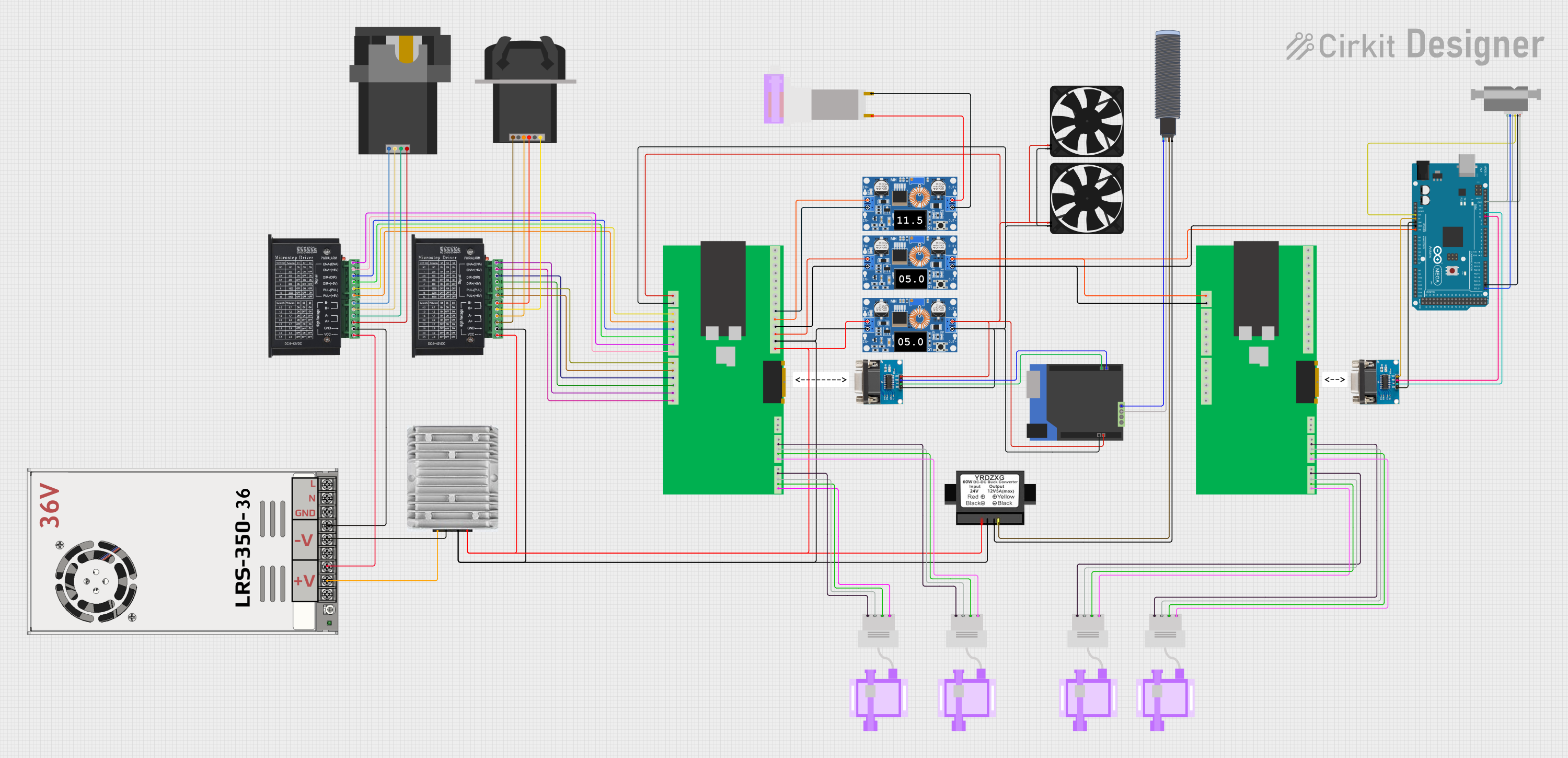
Image of Long-Term Bench: A project utilizing Peristaltic Pump Kamoer 12V in a practical application
This circuit appears to be a control system for peristaltic pumps and a motor driver, with power regulation and communication capabilities. It includes a main power supply stepping down from 48V to various lower voltages for different components, two tb6600 micro stepping motor drivers controlling peristaltic pumps, and an ESP32-based custom PCB for managing signals and communication. The system also integrates an Arduino Mega for additional control and interfacing with a Sensirion flow meter, RS232 to TTL converters for serial communication, and an ultrasonic sensor for distance measurement.
Cirkit Designer LogoOpen Project in Cirkit Designer
ESP32 and Arduino Mega 2560 Controlled Peristaltic Pump System with Pressure and Flow Sensors
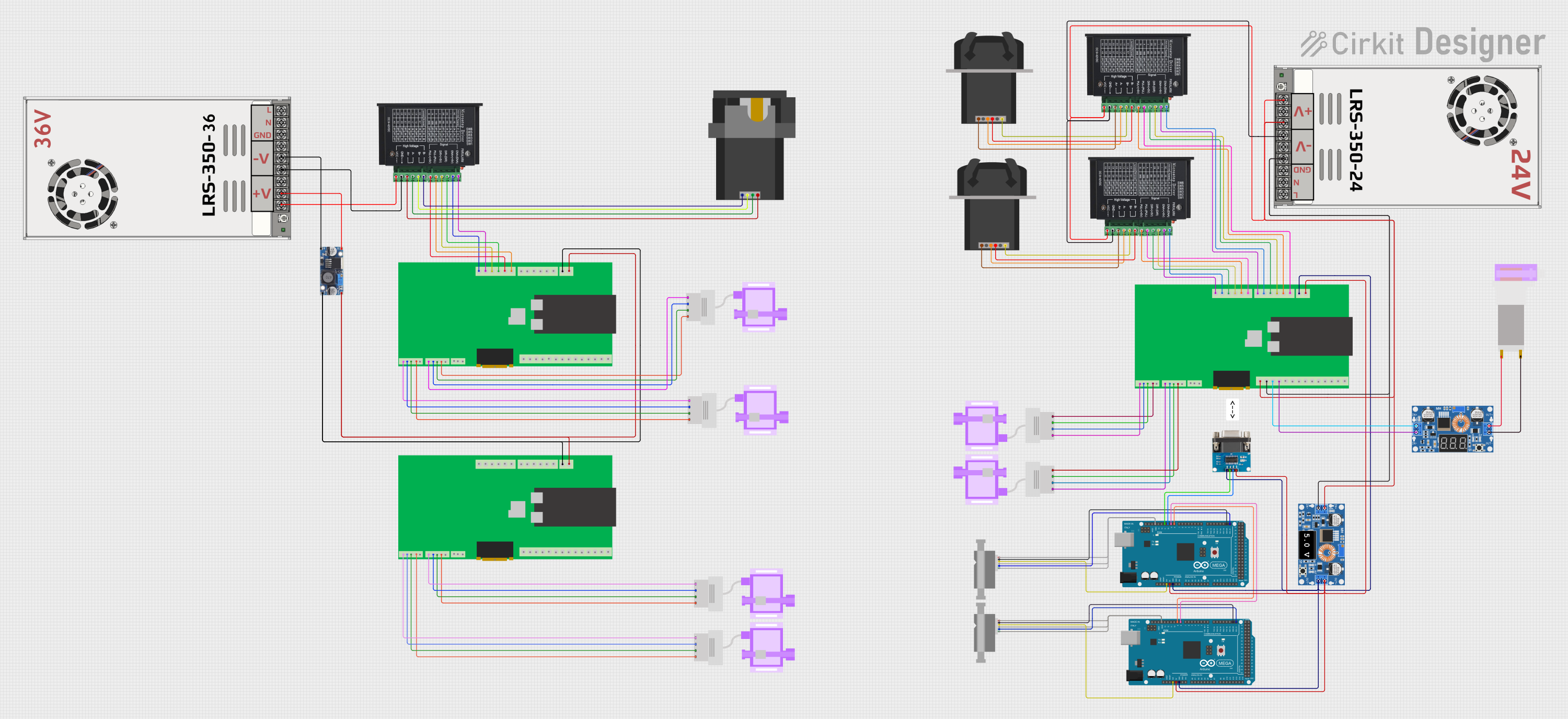
Image of Blood & Dialysate Control Bench: A project utilizing Peristaltic Pump Kamoer 12V in a practical application
This circuit is designed for fluid control and monitoring, featuring multiple peristaltic pumps driven by TB6600 micro-stepping motor drivers, and pressure sensors interfaced with custom PCBs containing ESP32 microcontrollers. It also includes flow meters connected to Arduino Mega 2560 boards for precise flow rate measurement, with power management handled by DC-DC converters and power supplies.
Cirkit Designer LogoOpen Project in Cirkit Designer
Arduino and ESP-8266 Controlled Peristaltic Pump and Stepper Motor System with L298N Motor Drivers
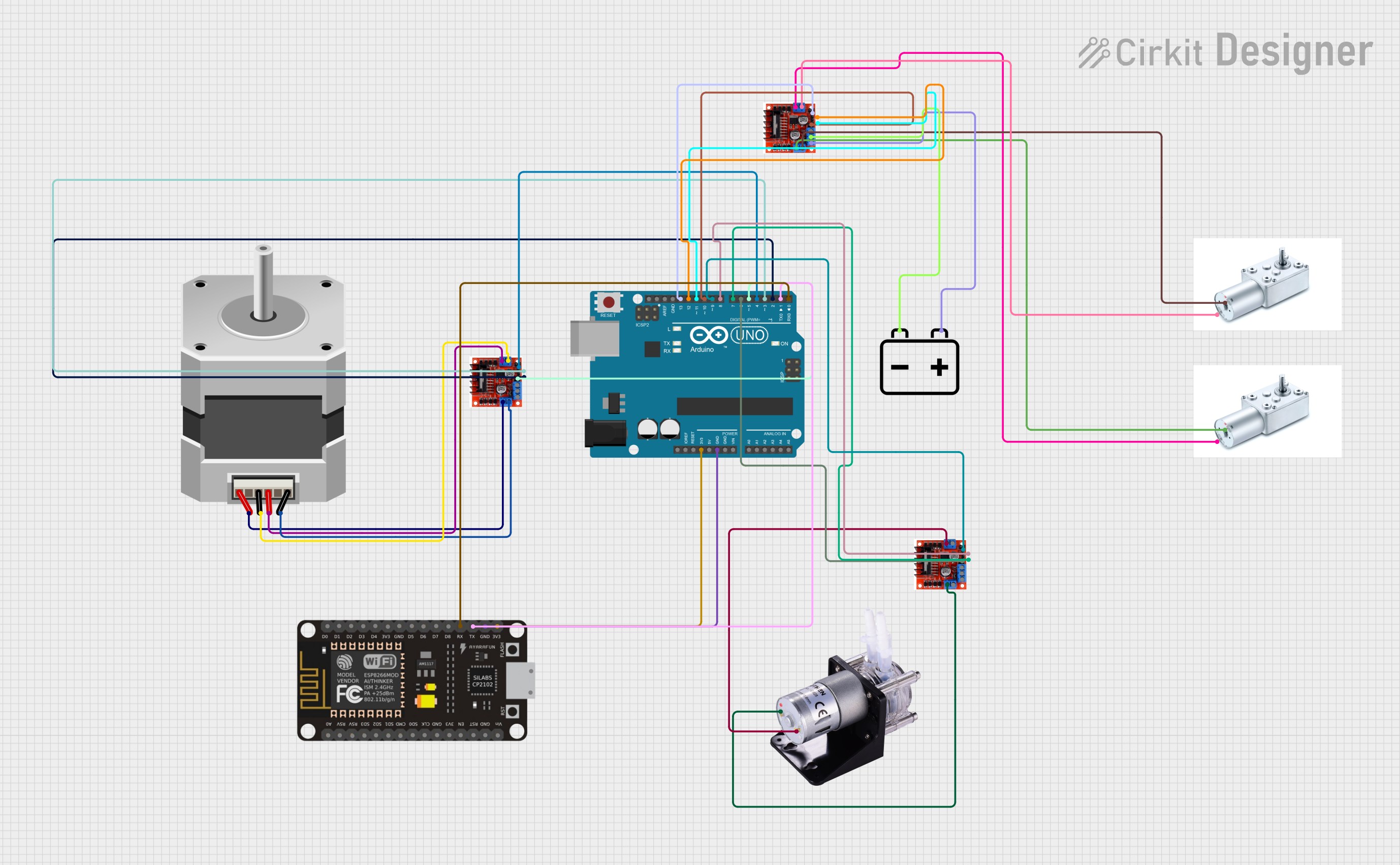
Image of Group 5 Circuit : A project utilizing Peristaltic Pump Kamoer 12V in a practical application
This circuit controls a peristaltic pump and two types of motors (a NEMA23 stepper motor and two Greartisan DC geared motors) using an Arduino UNO and an ESP-8266 for potential wireless communication. The Arduino UNO interfaces with three L298N motor driver modules to drive the motors, and it is also connected to the ESP-8266, which may be used for remote signaling or data transmission. The circuit is powered by a 12V battery, which supplies power to the motor drivers and, through them, to the motors and the pump.
Cirkit Designer LogoOpen Project in Cirkit Designer

Explore Projects Built with Peristaltic Pump Kamoer 12V

Use Cirkit Designer to design, explore, and prototype these projects online. Some projects support real-time simulation. Click "Open Project" to start designing instantly!
Image of blood circit: A project utilizing Peristaltic Pump Kamoer 12V in a practical application
Arduino UNO Controlled Peristaltic Pump System with Temperature and Pressure Monitoring
This circuit is designed to control a KPCS200 peristaltic pump using a TMC2226 stepper driver, powered by a 12V battery and regulated by a step-up boost converter. An Arduino UNO microcontroller manages various sensors, including temperature, pressure, and conductivity sensors, as well as a servo and a relay module for a water heater, enabling precise control and monitoring of fluid flow and environmental conditions.
Cirkit Designer LogoOpen Project in Cirkit Designer
Image of Long-Term Bench: A project utilizing Peristaltic Pump Kamoer 12V in a practical application
Automated Peristaltic Pump Control System with Arduino and ESP32
This circuit appears to be a control system for peristaltic pumps and a motor driver, with power regulation and communication capabilities. It includes a main power supply stepping down from 48V to various lower voltages for different components, two tb6600 micro stepping motor drivers controlling peristaltic pumps, and an ESP32-based custom PCB for managing signals and communication. The system also integrates an Arduino Mega for additional control and interfacing with a Sensirion flow meter, RS232 to TTL converters for serial communication, and an ultrasonic sensor for distance measurement.
Cirkit Designer LogoOpen Project in Cirkit Designer
Image of Blood & Dialysate Control Bench: A project utilizing Peristaltic Pump Kamoer 12V in a practical application
ESP32 and Arduino Mega 2560 Controlled Peristaltic Pump System with Pressure and Flow Sensors
This circuit is designed for fluid control and monitoring, featuring multiple peristaltic pumps driven by TB6600 micro-stepping motor drivers, and pressure sensors interfaced with custom PCBs containing ESP32 microcontrollers. It also includes flow meters connected to Arduino Mega 2560 boards for precise flow rate measurement, with power management handled by DC-DC converters and power supplies.
Cirkit Designer LogoOpen Project in Cirkit Designer
Image of Group 5 Circuit : A project utilizing Peristaltic Pump Kamoer 12V in a practical application
Arduino and ESP-8266 Controlled Peristaltic Pump and Stepper Motor System with L298N Motor Drivers
This circuit controls a peristaltic pump and two types of motors (a NEMA23 stepper motor and two Greartisan DC geared motors) using an Arduino UNO and an ESP-8266 for potential wireless communication. The Arduino UNO interfaces with three L298N motor driver modules to drive the motors, and it is also connected to the ESP-8266, which may be used for remote signaling or data transmission. The circuit is powered by a 12V battery, which supplies power to the motor drivers and, through them, to the motors and the pump.
Cirkit Designer LogoOpen Project in Cirkit Designer

Common Applications:

  • Laboratory fluid dosing and sampling
  • Medical equipment for precise liquid handling
  • Food and beverage processing
  • Chemical transfer in industrial systems
  • Aquariums and hydroponic systems for nutrient dosing

Technical Specifications

Key Technical Details:

Parameter Value
Operating Voltage 12V DC
Current Consumption ~200mA (varies with load)
Flow Rate 0-100 mL/min (approx.)
Tube Material Silicone or compatible tubing
Tube Inner Diameter 2-3 mm
Motor Type DC motor
Lifespan ~1000 hours (depends on usage)
Operating Temperature 0°C to 40°C
Weight ~150g

Pin Configuration and Descriptions:

Pin/Connection Description
Positive (+) Connect to the 12V DC power supply
Negative (-) Connect to the ground (GND)
Motor Control Optional PWM input for speed control

Usage Instructions

How to Use the Peristaltic Pump in a Circuit:

  1. Power Connection: Connect the positive (+) terminal of the pump to a 12V DC power source and the negative (-) terminal to the ground (GND).
  2. Fluid Tubing: Attach the flexible silicone tubing to the pump's inlet and outlet ports. Ensure the tubing is securely fitted to prevent leaks.
  3. Flow Direction: Verify the flow direction by observing the pump's markings or testing with water.
  4. Speed Control (Optional): If speed control is required, connect a PWM signal to the motor control pin. Adjust the duty cycle of the PWM signal to control the pump's speed.

Important Considerations:

  • Tubing Compatibility: Use tubing that is chemically compatible with the fluid being pumped.
  • Avoid Dry Running: Do not operate the pump without fluid in the tubing, as this can damage the tubing and rollers.
  • Voltage Regulation: Ensure the power supply provides a stable 12V DC to avoid damaging the motor.
  • Mounting: Secure the pump to a stable surface to minimize vibration during operation.

Example: Controlling the Pump with an Arduino UNO

The following example demonstrates how to control the pump's speed using PWM from an Arduino UNO.

// Arduino code to control the Peristaltic Pump Kamoer 12V
// Connect the pump's motor control pin to Arduino pin 9 (PWM capable)

const int pumpPin = 9; // PWM pin connected to the pump

void setup() {
  pinMode(pumpPin, OUTPUT); // Set the pump pin as an output
}

void loop() {
  // Gradually increase the pump speed
  for (int speed = 0; speed <= 255; speed += 5) {
    analogWrite(pumpPin, speed); // Set PWM duty cycle (0-255)
    delay(100); // Wait for 100ms
  }

  // Gradually decrease the pump speed
  for (int speed = 255; speed >= 0; speed -= 5) {
    analogWrite(pumpPin, speed); // Set PWM duty cycle (0-255)
    delay(100); // Wait for 100ms
  }
}

Notes:

  • The analogWrite() function generates a PWM signal to control the pump's speed.
  • Adjust the delay and speed increments to fine-tune the pump's operation.

Troubleshooting and FAQs

Common Issues and Solutions:

  1. Pump Not Running:

    • Cause: No power supply or incorrect wiring.
    • Solution: Verify the 12V DC power supply and ensure proper connections.
  2. Inconsistent Flow Rate:

    • Cause: Loose tubing or worn-out rollers.
    • Solution: Check tubing connections and inspect the rollers for wear.
  3. Excessive Noise:

    • Cause: Pump not securely mounted or motor issues.
    • Solution: Mount the pump on a stable surface and inspect the motor.
  4. Overheating:

    • Cause: Prolonged operation or excessive load.
    • Solution: Allow the pump to cool down periodically and avoid overloading.

FAQs:

  • Q: Can the pump handle corrosive fluids?
    A: Only if the tubing material is compatible with the fluid. Check the chemical resistance of the tubing.

  • Q: How do I clean the pump?
    A: Flush the tubing with a cleaning solution compatible with the fluid and tubing material.

  • Q: Can I run the pump on a lower voltage?
    A: The pump is designed for 12V DC. Running it at a lower voltage may reduce performance or cause malfunction.

  • Q: Is the pump waterproof?
    A: No, the pump is not waterproof. Avoid exposing it to water or other liquids.

This documentation provides a comprehensive guide to using the Peristaltic Pump Kamoer 12V effectively and troubleshooting common issues.