
How to Use Adafruit VEML7700: Examples, Pinouts, and Specs
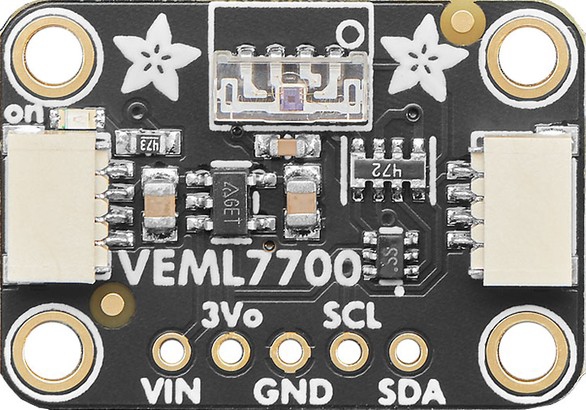
 Design with Adafruit VEML7700 in Cirkit Designer
Introduction
The Adafruit VEML7700 is a high-precision ambient light sensor designed to measure light intensity in lux. It features an I2C interface, making it easy to integrate with microcontrollers and development boards such as the Arduino UNO. The sensor is capable of detecting a wide range of light levels, from dim to bright, with high accuracy and low power consumption. Its compact design and precise measurements make it ideal for applications such as automatic brightness adjustment, smart lighting systems, and environmental monitoring.
Explore Projects Built with Adafruit VEML7700
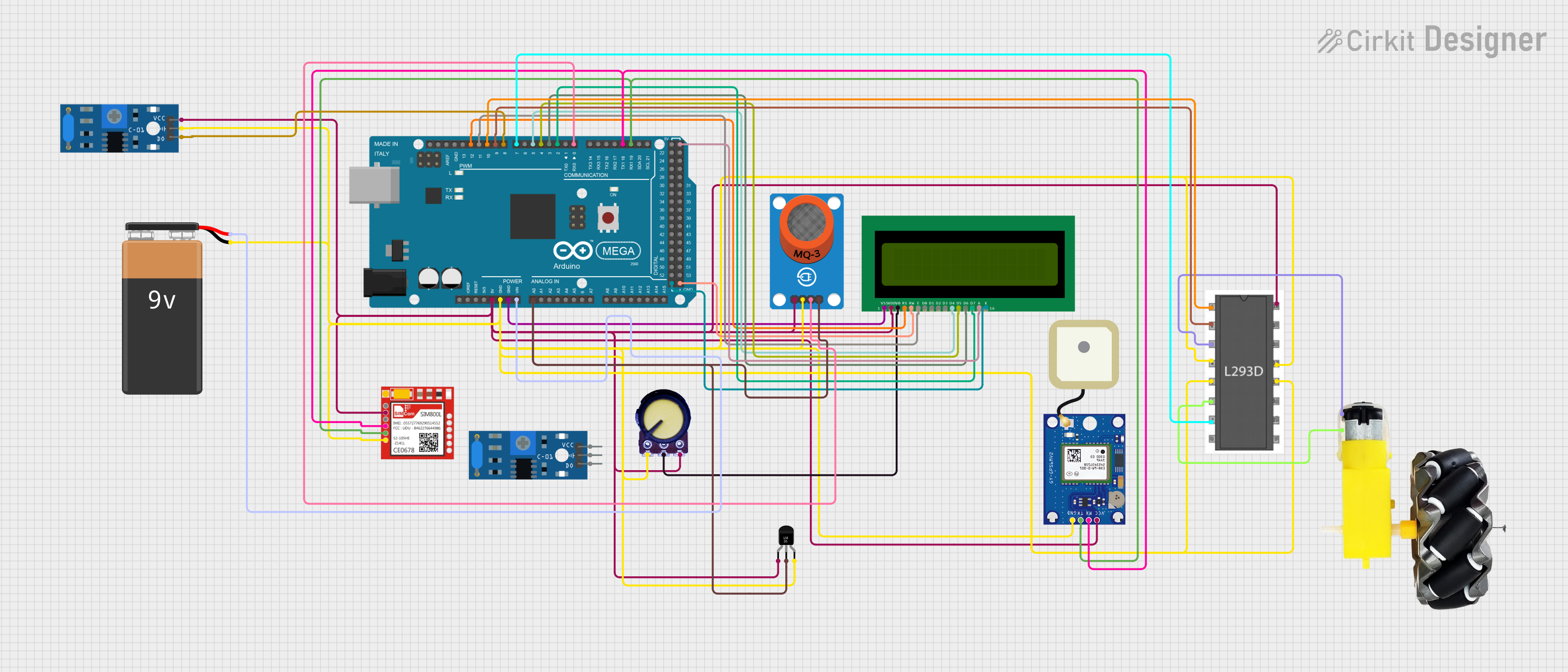 Open Project in Cirkit Designer
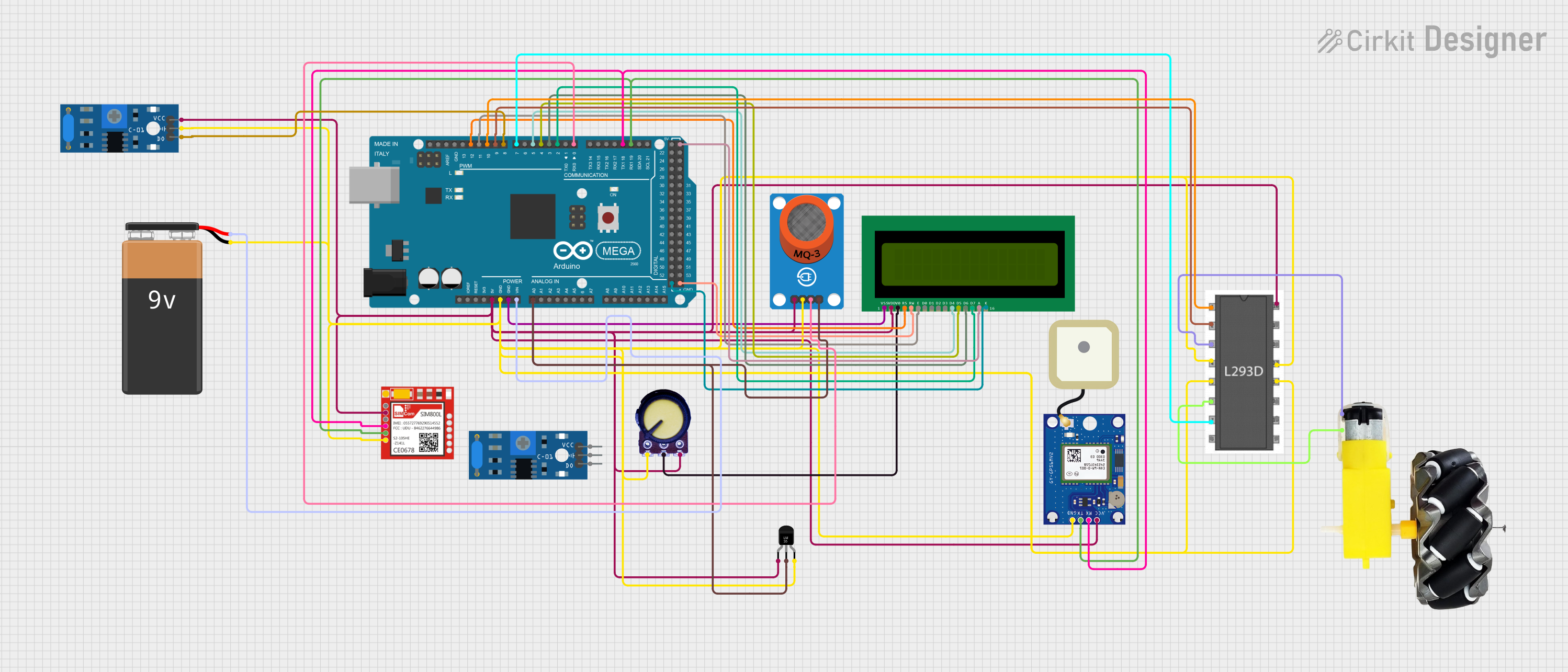 Open Project in Cirkit Designer
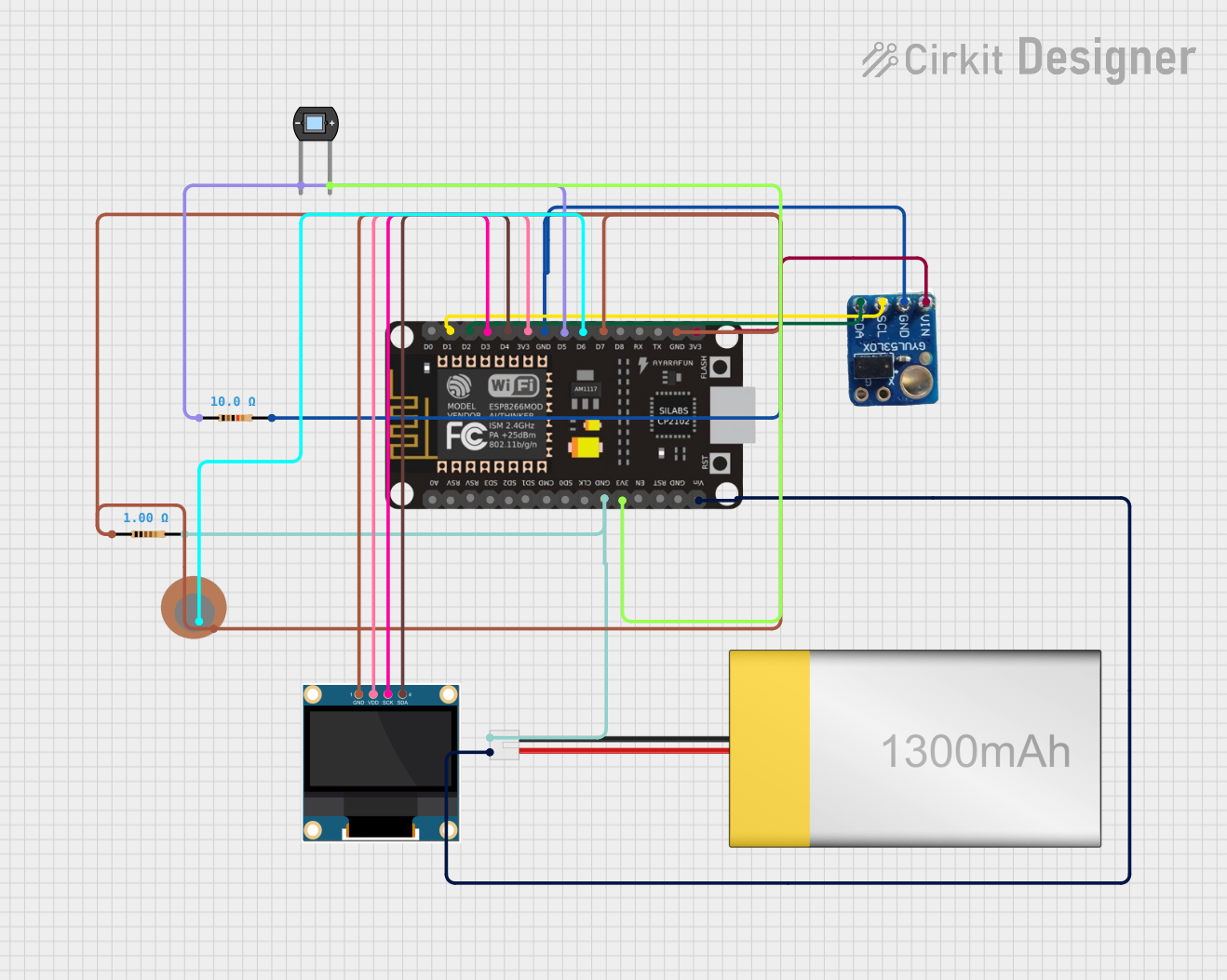 Open Project in Cirkit Designer
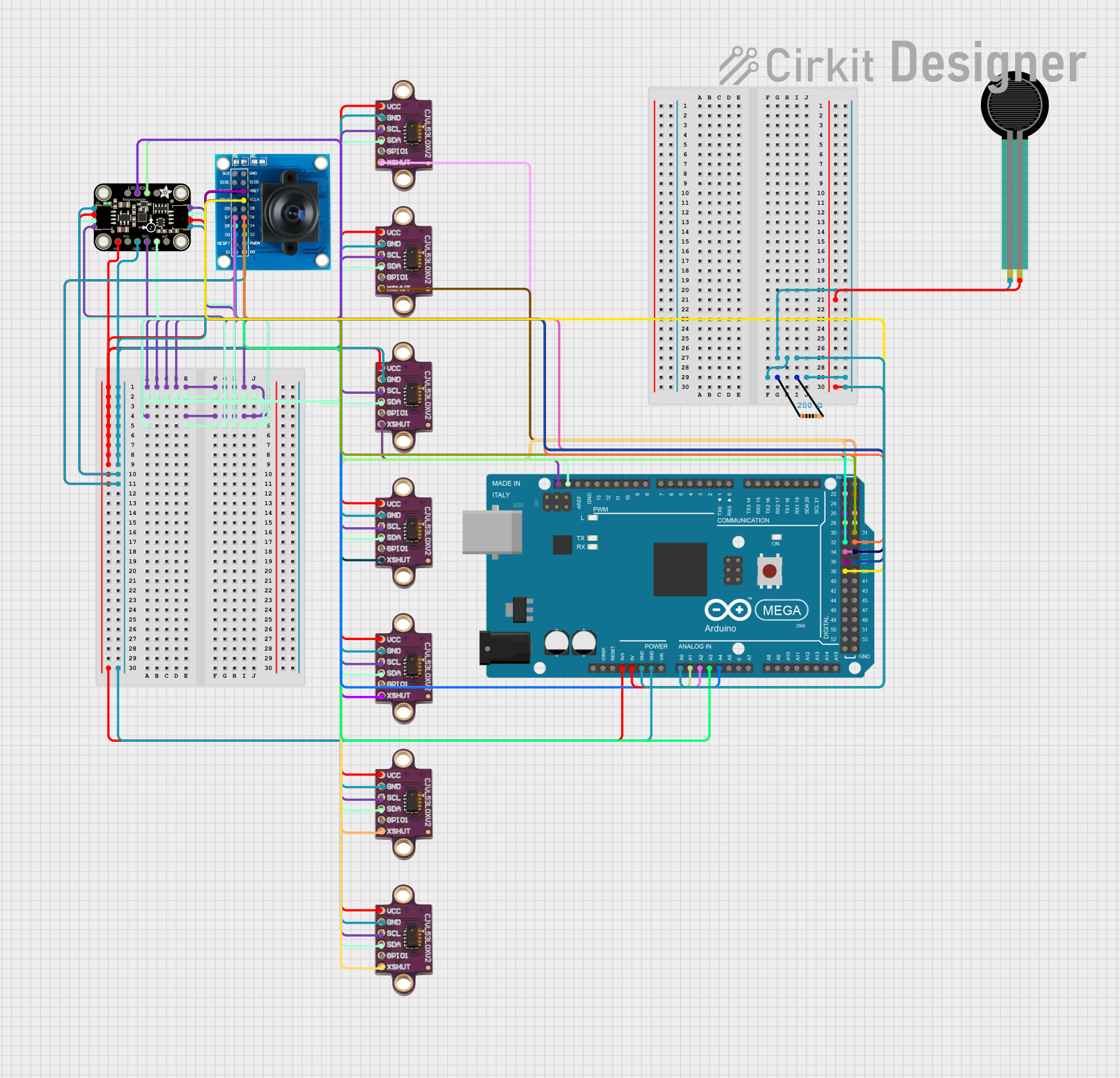 Open Project in Cirkit Designer
Explore Projects Built with Adafruit VEML7700
Open Project in Cirkit DesignerOpen Project in Cirkit DesignerOpen Project in Cirkit DesignerOpen Project in Cirkit DesignerCommon Applications and Use Cases
- Automatic brightness control for displays and lighting systems
- Smart home and IoT devices
- Environmental light monitoring
- Photography and camera exposure control
- Industrial and agricultural light sensing
Technical Specifications
The following table outlines the key technical details of the Adafruit VEML7700:
| Parameter | Value |
|---|---|
| Manufacturer | Adafruit |
| Part ID | VEML7700 |
| Operating Voltage | 3.3V to 5V |
| Communication Interface | I2C |
| I2C Address (Default) | 0x10 |
| Lux Range | 0.0036 lux to 120,000 lux |
| Resolution | 16-bit |
| Operating Temperature | -25°C to +85°C |
| Power Consumption | Low power mode available |
Pin Configuration and Descriptions
The Adafruit VEML7700 sensor module has the following pinout:
| Pin | Name | Description |
|---|---|---|
| 1 | VIN | Power supply input (3.3V to 5V) |
| 2 | GND | Ground connection |
| 3 | SCL | I2C clock line |
| 4 | SDA | I2C data line |
| 5 | INT | Interrupt output (optional, not always used) |
Usage Instructions
How to Use the Adafruit VEML7700 in a Circuit
- Power the Sensor: Connect the
VINpin to a 3.3V or 5V power source and theGNDpin to ground. - Connect I2C Lines: Connect the
SCLpin to the I2C clock line and theSDApin to the I2C data line of your microcontroller. Use pull-up resistors (typically 4.7kΩ) on theSCLandSDAlines if they are not already present on your board. - Optional Interrupt: If you need to use the interrupt feature, connect the
INTpin to a GPIO pin on your microcontroller. - Install the Library: For Arduino users, install the Adafruit VEML7700 library via the Arduino Library Manager.
- Write Code: Use the library to initialize the sensor, configure settings, and read lux values.
Example Code for Arduino UNO
Below is an example of how to use the Adafruit VEML7700 with an Arduino UNO:
#include <Wire.h>
#include "Adafruit_VEML7700.h"

// Create an instance of the VEML7700 sensor
Adafruit_VEML7700 veml = Adafruit_VEML7700();

void setup() {
  Serial.begin(9600); // Initialize serial communication
  while (!Serial) delay(10); // Wait for Serial Monitor to open

  Serial.println("Adafruit VEML7700 Test");

  // Initialize the sensor
  if (!veml.begin()) {
    Serial.println("Failed to find VEML7700 sensor!");
    while (1);
  }
  Serial.println("VEML7700 sensor found!");

  // Configure the sensor
  veml.setGain(VEML7700_GAIN_1); // Set gain to 1x
  veml.setIntegrationTime(VEML7700_IT_100MS); // Set integration time to 100ms

  Serial.println("Sensor configured.");
}

void loop() {
  // Read and print the lux value
  float lux = veml.readLux();
  Serial.print("Ambient Light (lux): ");
  Serial.println(lux);

  delay(1000); // Wait 1 second before the next reading
}
Important Considerations and Best Practices
- I2C Address Conflicts: Ensure no other devices on the I2C bus share the same address (0x10). If conflicts arise, consider using an I2C multiplexer.
- Ambient Light Conditions: Avoid placing the sensor in direct sunlight or near reflective surfaces for accurate readings.
- Pull-Up Resistors: Verify that pull-up resistors are present on the I2C lines if your microcontroller does not include them.
- Power Supply: Use a stable power source to avoid noise or fluctuations in sensor readings.
Troubleshooting and FAQs
Common Issues and Solutions
Sensor Not Detected
- Cause: Incorrect wiring or I2C address conflict.
- Solution: Double-check the wiring and ensure the
SCLandSDAlines are correctly connected. Verify the I2C address using an I2C scanner sketch.
Inaccurate Lux Readings
- Cause: Sensor placement or incorrect gain/integration time settings.
- Solution: Ensure the sensor is not exposed to direct sunlight or reflective surfaces. Adjust the gain and integration time settings to match the lighting conditions.
No Output in Serial Monitor
- Cause: Serial communication not initialized or incorrect baud rate.
- Solution: Verify that
Serial.begin(9600)matches the baud rate in the Serial Monitor.
Intermittent Readings
- Cause: Unstable power supply or loose connections.
- Solution: Use a stable power source and ensure all connections are secure.
FAQs
Q: Can the VEML7700 measure infrared light?
A: No, the VEML7700 is designed to measure visible light intensity in lux and does not detect infrared light.
Q: What is the maximum distance for I2C communication?
A: The maximum distance depends on the pull-up resistor values and the I2C clock speed. For typical setups, distances up to 1 meter are reliable.
Q: Can I use the VEML7700 with a 3.3V microcontroller?
A: Yes, the VEML7700 is compatible with both 3.3V and 5V systems.
Q: How do I change the I2C address of the sensor?
A: The I2C address of the VEML7700 is fixed at 0x10 and cannot be changed.
By following this documentation, you can effectively integrate and use the Adafruit VEML7700 in your projects.