
How to Use DD4012SA: Examples, Pinouts, and Specs
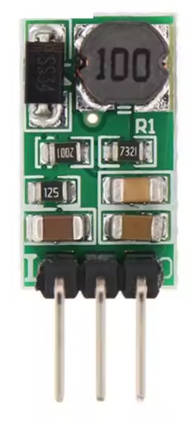
 Design with DD4012SA in Cirkit Designer
Introduction
The DD4012SA is a dual 4-input NAND gate integrated circuit (IC) designed to perform logical NAND operations. It is a versatile component widely used in digital electronics due to its high-speed performance and low power consumption. The IC integrates two independent 4-input NAND gates, making it suitable for applications requiring multiple logical operations in a compact form factor.
Explore Projects Built with DD4012SA
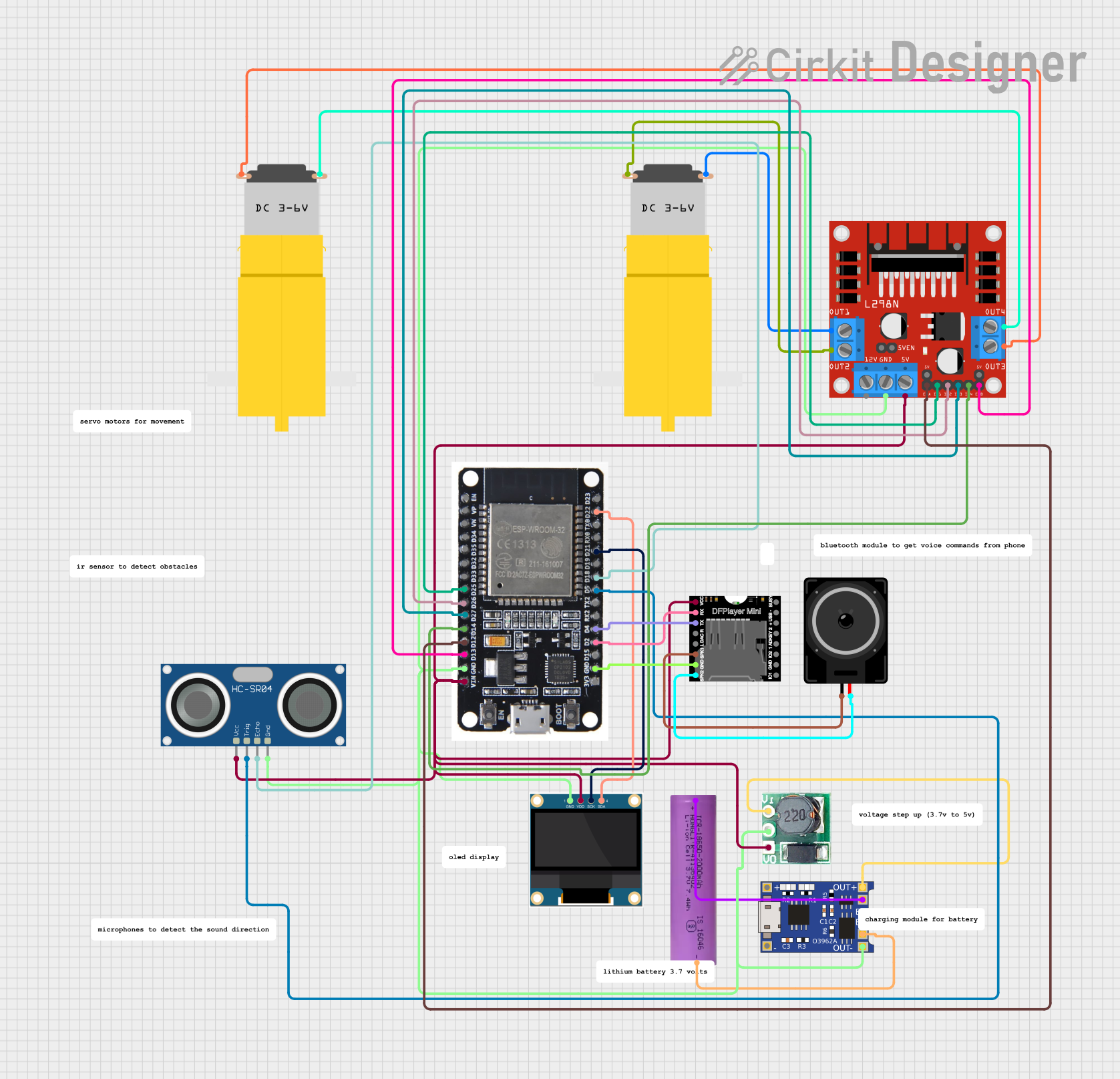 Open Project in Cirkit Designer
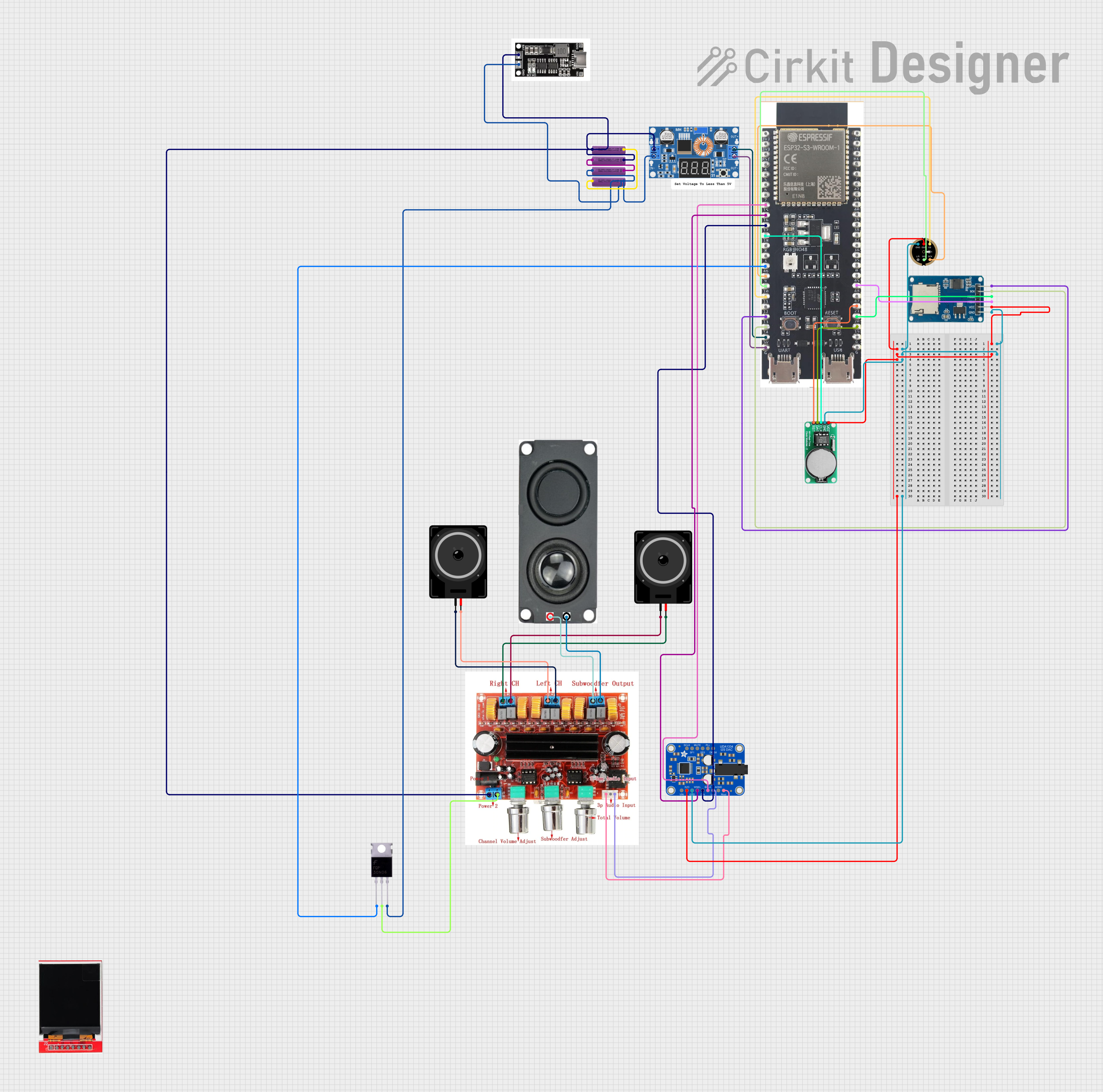 Open Project in Cirkit Designer
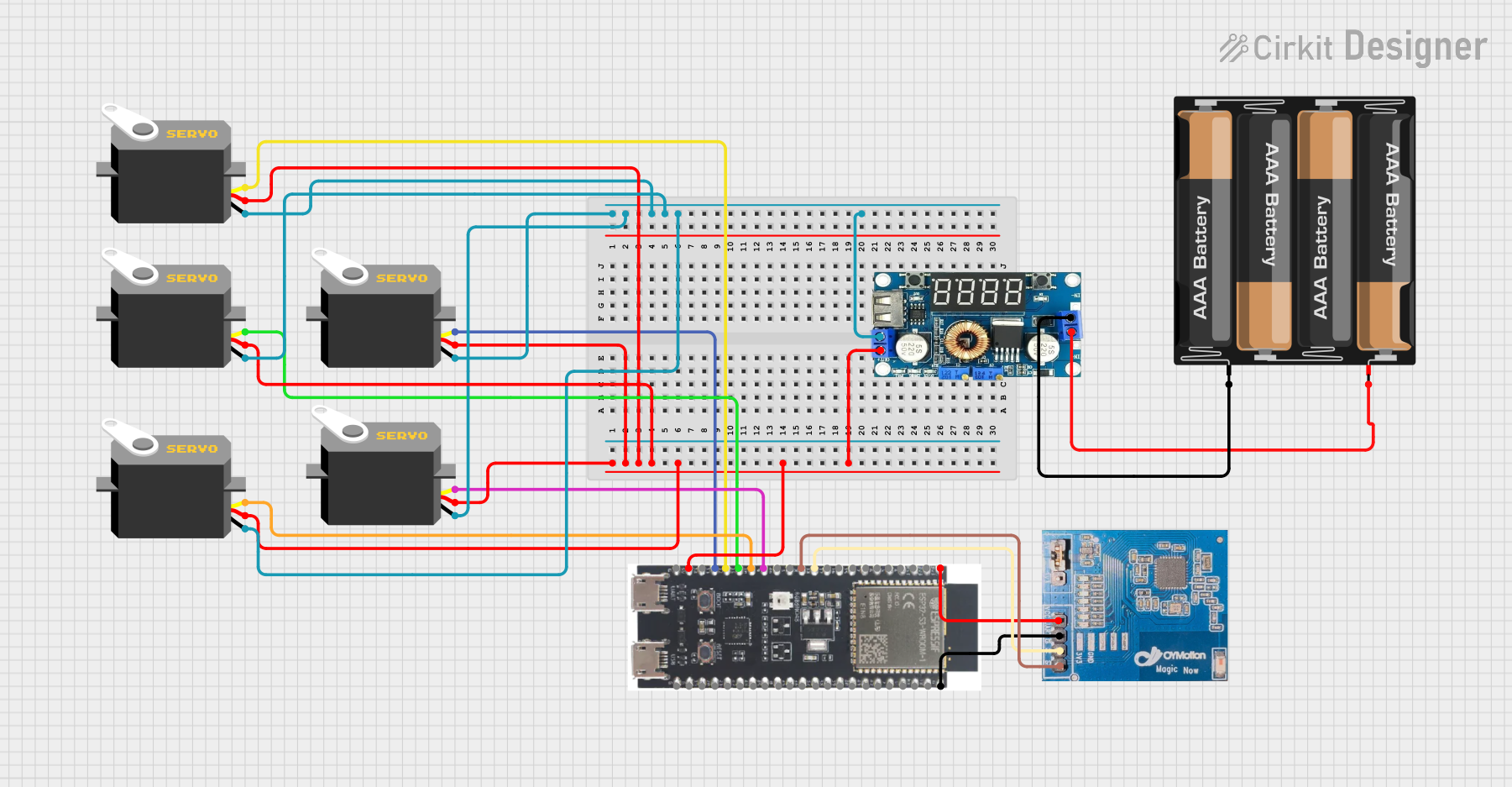 Open Project in Cirkit Designer
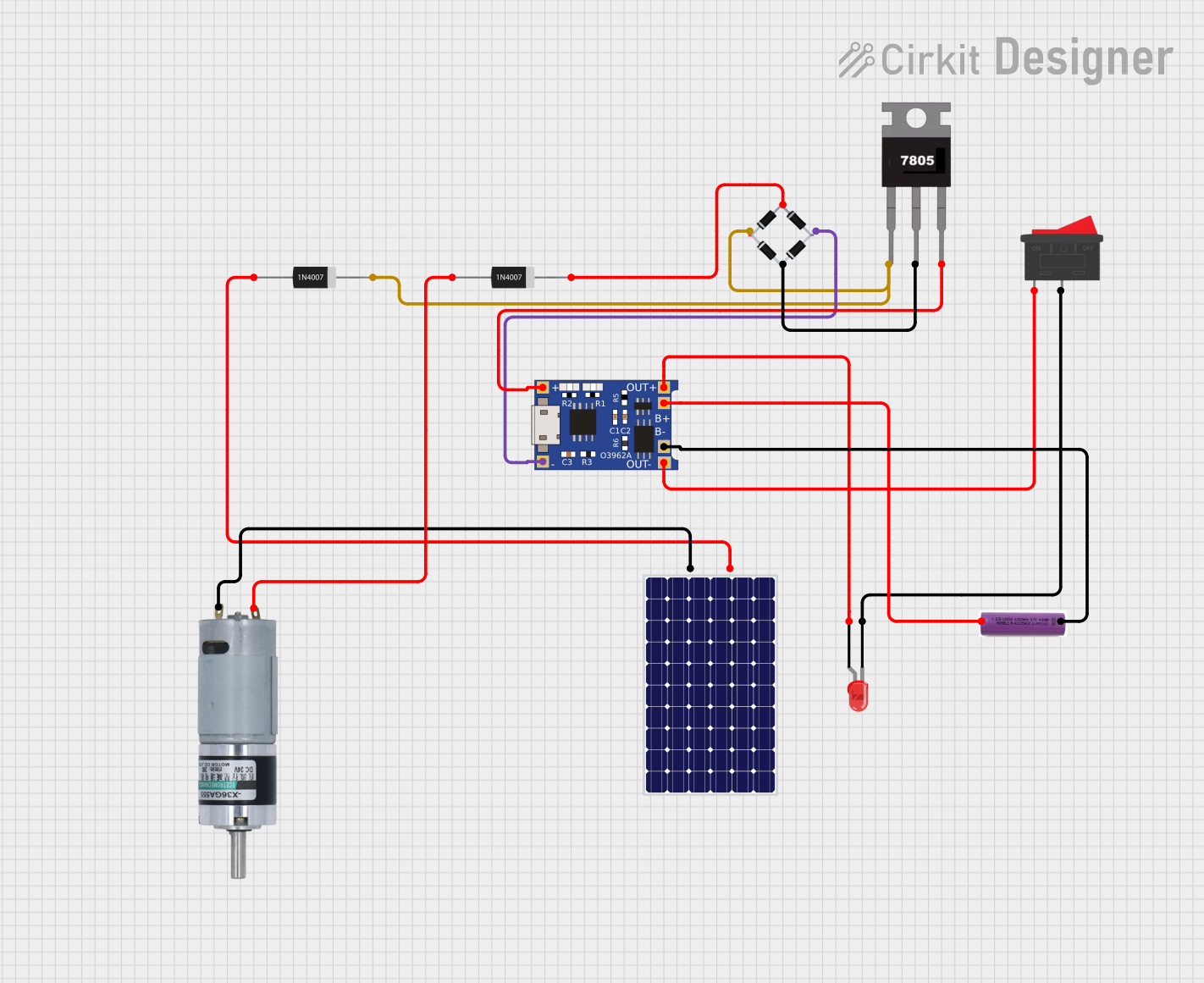 Open Project in Cirkit Designer
Explore Projects Built with DD4012SA
Open Project in Cirkit DesignerOpen Project in Cirkit DesignerOpen Project in Cirkit DesignerOpen Project in Cirkit DesignerCommon Applications and Use Cases
- Digital logic circuits
- Signal processing
- Data encoding and decoding
- Control systems
- Arithmetic logic units (ALUs)
- General-purpose logic gates in embedded systems
Technical Specifications
The DD4012SA is designed to meet the needs of modern digital systems. Below are its key technical specifications:
| Parameter | Value |
|---|---|
| Supply Voltage (Vcc) | 4.5V to 5.5V |
| Input Voltage (Vin) | 0V to Vcc |
| Output Voltage (Vout) | 0V to Vcc |
| High-Level Output Current (Ioh) | -0.4 mA |
| Low-Level Output Current (Iol) | 8 mA |
| Propagation Delay | 10 ns (typical at 5V) |
| Power Consumption | Low |
| Operating Temperature | -40°C to +85°C |
| Package Type | SOIC-14 (Small Outline IC) |
Pin Configuration and Descriptions
The DD4012SA comes in a 14-pin SOIC package. The pin configuration and descriptions are as follows:
| Pin Number | Pin Name | Description |
|---|---|---|
| 1 | A1 | Input A for NAND Gate 1 |
| 2 | B1 | Input B for NAND Gate 1 |
| 3 | C1 | Input C for NAND Gate 1 |
| 4 | D1 | Input D for NAND Gate 1 |
| 5 | Y1 | Output of NAND Gate 1 |
| 6 | GND | Ground (0V) |
| 7 | Y2 | Output of NAND Gate 2 |
| 8 | D2 | Input D for NAND Gate 2 |
| 9 | C2 | Input C for NAND Gate 2 |
| 10 | B2 | Input B for NAND Gate 2 |
| 11 | A2 | Input A for NAND Gate 2 |
| 12 | NC | No Connection |
| 13 | Vcc | Positive Supply Voltage |
| 14 | NC | No Connection |
Usage Instructions
The DD4012SA is straightforward to use in digital circuits. Below are the steps and considerations for integrating it into your design:
How to Use the Component in a Circuit
- Power Supply: Connect the Vcc pin (Pin 13) to a stable 5V power supply and the GND pin (Pin 6) to ground.
- Inputs: Provide digital signals (logic HIGH or LOW) to the input pins (A1, B1, C1, D1 for Gate 1; A2, B2, C2, D2 for Gate 2).
- Outputs: The output pins (Y1 for Gate 1 and Y2 for Gate 2) will produce the logical NAND operation result of the corresponding inputs.
- Pull-Down Resistors: If any input pin is left floating, use pull-down resistors to ensure a defined logic level.
- Bypass Capacitor: Place a 0.1 µF ceramic capacitor close to the Vcc and GND pins to filter noise and stabilize the power supply.
Important Considerations and Best Practices
- Ensure the input voltage levels are within the specified range (0V to Vcc).
- Avoid leaving input pins floating, as this can cause unpredictable behavior.
- Use decoupling capacitors to minimize power supply noise.
- Do not exceed the maximum current ratings to prevent damage to the IC.
- Operate the IC within the recommended temperature range for reliable performance.
Example: Connecting DD4012SA to an Arduino UNO
The DD4012SA can be easily interfaced with an Arduino UNO for digital logic operations. Below is an example of how to use it:
Circuit Setup
- Connect the Vcc pin of the DD4012SA to the 5V pin of the Arduino.
- Connect the GND pin of the DD4012SA to the GND pin of the Arduino.
- Connect the input pins (e.g., A1, B1, C1, D1) to digital output pins of the Arduino.
- Connect the output pin (e.g., Y1) to a digital input pin of the Arduino.
Arduino Code Example
// Define input pins connected to the DD4012SA
const int inputA = 2; // Arduino pin connected to A1
const int inputB = 3; // Arduino pin connected to B1
const int inputC = 4; // Arduino pin connected to C1
const int inputD = 5; // Arduino pin connected to D1

// Define output pin connected to the DD4012SA
const int outputY = 6; // Arduino pin connected to Y1

void setup() {
  // Set input pins as outputs to send signals to the DD4012SA
  pinMode(inputA, OUTPUT);
  pinMode(inputB, OUTPUT);
  pinMode(inputC, OUTPUT);
  pinMode(inputD, OUTPUT);

  // Set output pin as input to read the NAND gate result
  pinMode(outputY, INPUT);

  // Initialize serial communication for debugging
  Serial.begin(9600);
}

void loop() {
  // Send logic HIGH to all inputs
  digitalWrite(inputA, HIGH);
  digitalWrite(inputB, HIGH);
  digitalWrite(inputC, HIGH);
  digitalWrite(inputD, HIGH);

  // Read the output of the NAND gate
  int nandOutput = digitalRead(outputY);

  // Print the output to the Serial Monitor
  Serial.print("NAND Gate Output: ");
  Serial.println(nandOutput);

  // Add a delay for readability
  delay(1000);
}
Troubleshooting and FAQs
Common Issues and Solutions
No Output Signal:
- Ensure the power supply is connected to the Vcc and GND pins.
- Verify that all input pins are receiving valid logic levels (HIGH or LOW).
- Check for loose or incorrect connections in the circuit.
Unstable Output:
- Add a bypass capacitor (0.1 µF) near the Vcc and GND pins to filter noise.
- Ensure that no input pins are left floating; use pull-down resistors if necessary.
Overheating:
- Verify that the current drawn by the IC does not exceed its maximum ratings.
- Check for short circuits or incorrect wiring.
FAQs
Q1: Can the DD4012SA operate at 3.3V?
A1: No, the DD4012SA is designed to operate within a supply voltage range of 4.5V to 5.5V. Using it at 3.3V may result in unreliable performance.
Q2: What happens if an input pin is left floating?
A2: Floating input pins can cause unpredictable behavior. Always connect unused inputs to a defined logic level (HIGH or LOW) using pull-up or pull-down resistors.
Q3: Can I use the DD4012SA for analog signals?
A3: No, the DD4012SA is a digital IC and is not designed to process analog signals. Use it only for digital logic operations.
Q4: How many NAND gates are in the DD4012SA?
A4: The DD4012SA contains two independent 4-input NAND gates.