
How to Use Relay mini NO/NC: Examples, Pinouts, and Specs
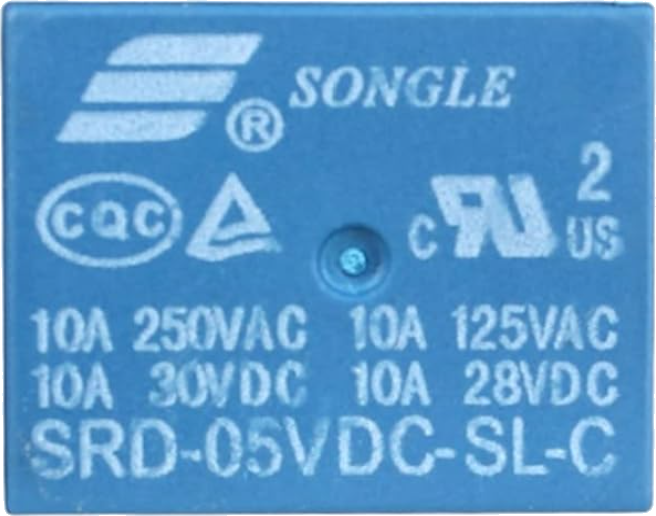
 Design with Relay mini NO/NC in Cirkit Designer
Introduction
The Relay Mini NO/NC is a compact electromechanical switch designed to control electrical circuits by opening or closing them. It features two primary states: Normally Open (NO), where the circuit remains open when the relay is not energized, and Normally Closed (NC), where the circuit remains closed when the relay is not energized. This versatile component is widely used in automation, home appliances, and control systems to manage high-power devices using low-power control signals.
Explore Projects Built with Relay mini NO/NC
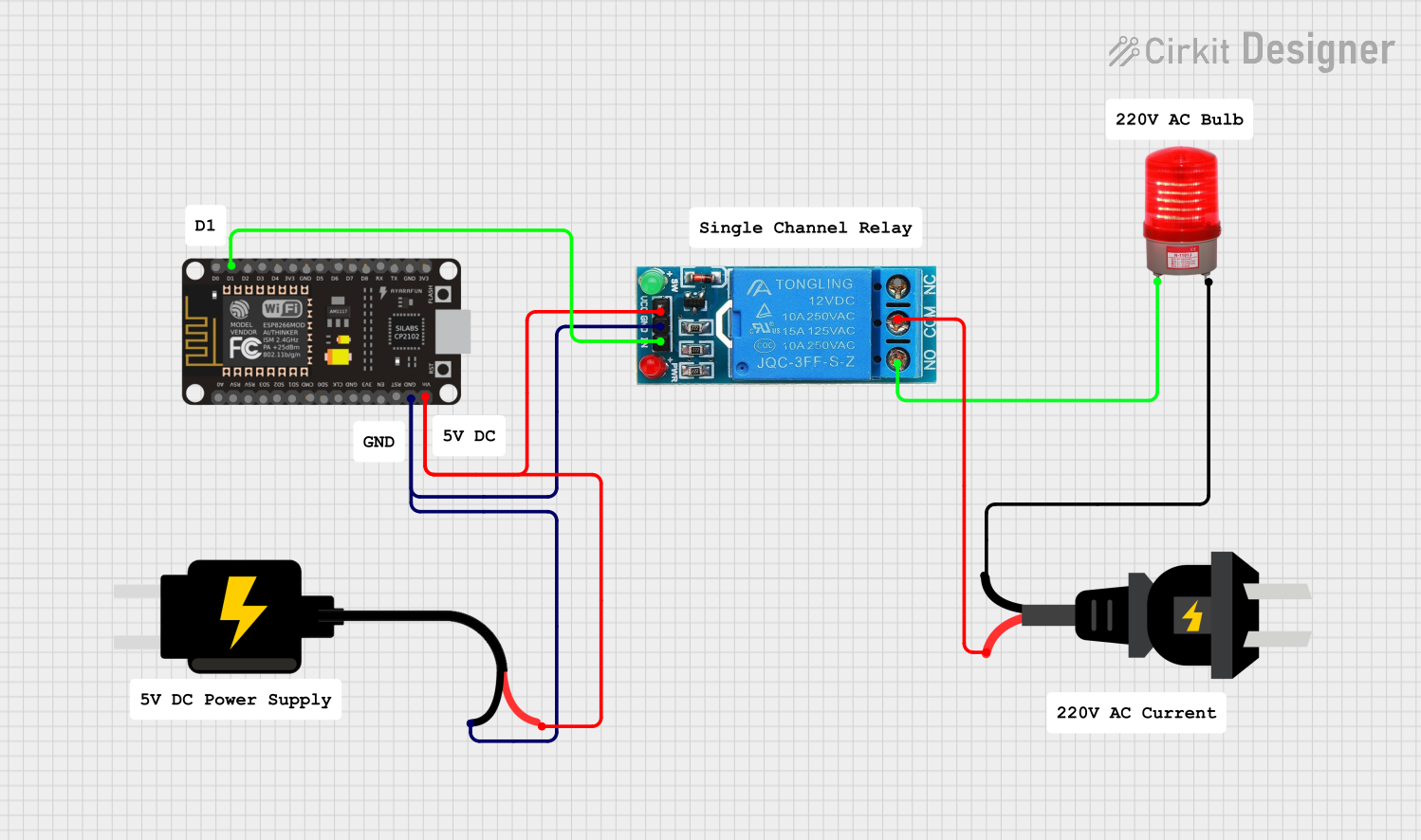 Open Project in Cirkit Designer
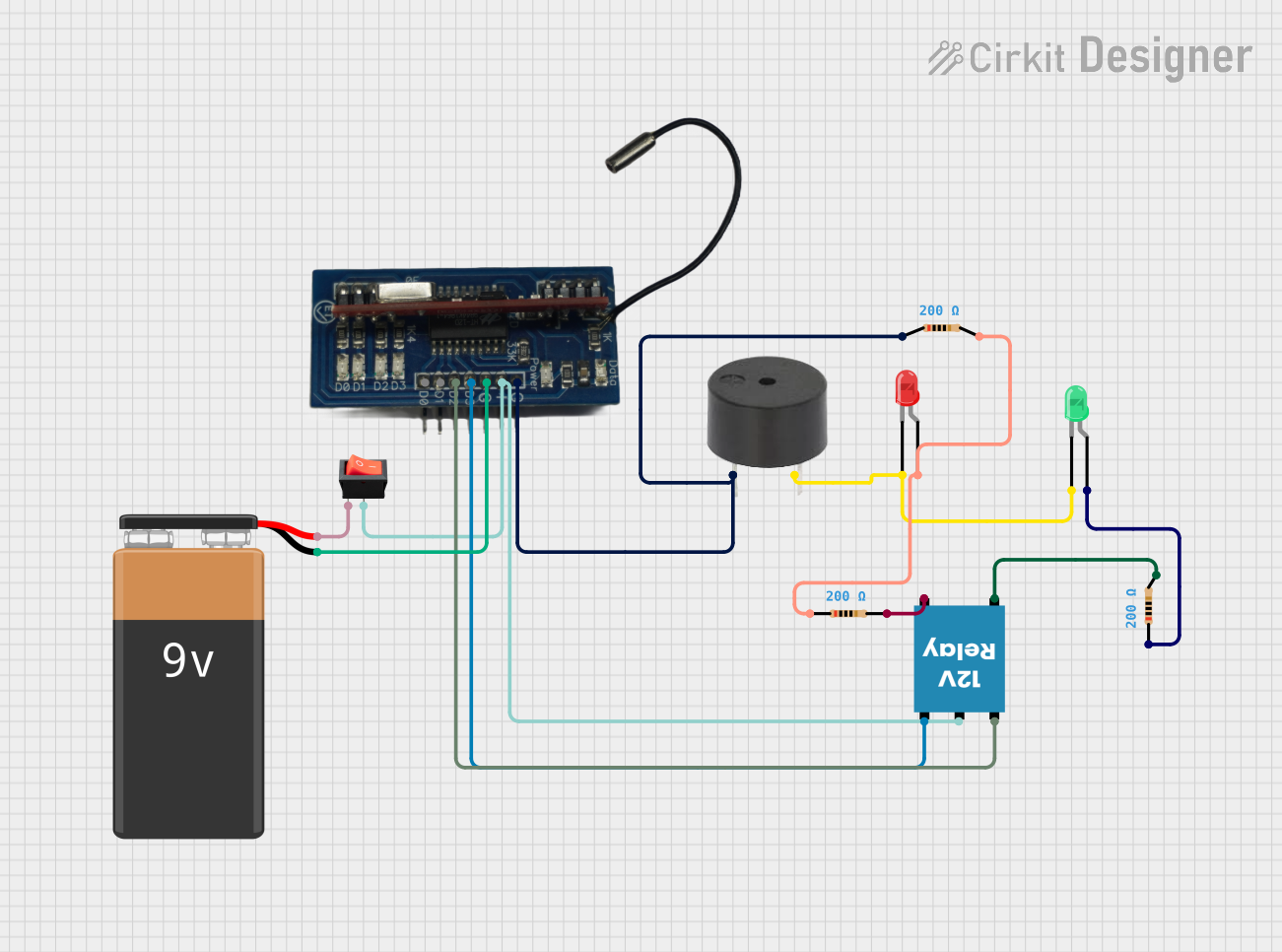 Open Project in Cirkit Designer
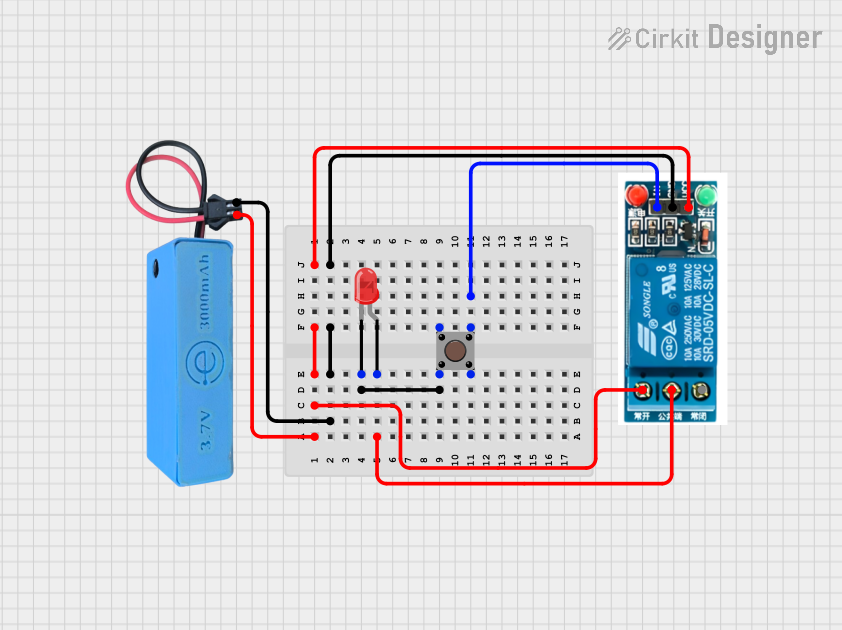 Open Project in Cirkit Designer
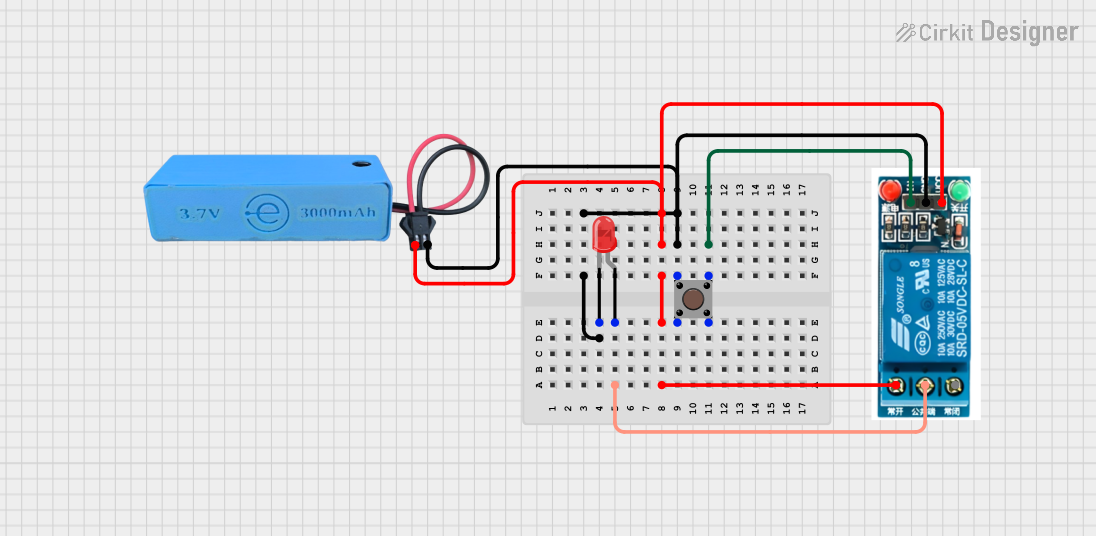 Open Project in Cirkit Designer
Explore Projects Built with Relay mini NO/NC
Open Project in Cirkit DesignerOpen Project in Cirkit DesignerOpen Project in Cirkit DesignerOpen Project in Cirkit DesignerCommon Applications and Use Cases
- Home automation systems (e.g., controlling lights or fans)
- Industrial control systems
- Motor control circuits
- IoT projects for switching high-voltage devices
- Safety systems and alarms
Technical Specifications
The Relay Mini NO/NC is designed for compactness and efficiency, making it suitable for a variety of applications. Below are its key technical details:
General Specifications
- Coil Voltage: 5V DC (common), 12V DC, or 24V DC (depending on model)
- Switching Voltage: Up to 250V AC or 30V DC
- Switching Current: Up to 10A
- Contact Configuration: SPDT (Single Pole Double Throw)
- Insulation Resistance: ≥ 100MΩ at 500V DC
- Operating Temperature: -40°C to 85°C
- Dimensions: Compact form factor (varies by model)
Pin Configuration and Descriptions
The Relay Mini NO/NC typically has 5 pins. Below is the pinout and description:
| Pin Name | Description |
|---|---|
| Coil+ | Positive terminal of the relay coil (connect to control voltage) |
| Coil- | Negative terminal of the relay coil (connect to ground) |
| COM | Common terminal for the switching circuit |
| NO | Normally Open terminal (connected to COM when the relay is energized) |
| NC | Normally Closed terminal (connected to COM when the relay is not energized) |
Usage Instructions
How to Use the Relay Mini NO/NC in a Circuit
- Power the Relay Coil: Connect the Coil+ pin to the control voltage (e.g., 5V DC) and the Coil- pin to ground. This energizes the relay and switches the state of the NO and NC terminals.
- Connect the Load:
- For devices that should turn on when the relay is energized, connect the load between the NO and COM terminals.
- For devices that should turn off when the relay is energized, connect the load between the NC and COM terminals.
- Control the Relay: Use a microcontroller (e.g., Arduino UNO) or a transistor circuit to control the relay coil.
Important Considerations and Best Practices
- Use a Flyback Diode: Always connect a flyback diode across the relay coil to protect the circuit from voltage spikes when the relay is de-energized.
- Check Voltage and Current Ratings: Ensure the relay's voltage and current ratings match the requirements of your load.
- Isolation: For high-voltage applications, consider using an optocoupler for additional isolation between the control circuit and the relay.
- Avoid Overloading: Do not exceed the relay's maximum switching current or voltage to prevent damage.
Example: Connecting the Relay Mini NO/NC to an Arduino UNO
Below is an example of how to control the relay using an Arduino UNO:
// Define the pin connected to the relay module
const int relayPin = 7;

void setup() {
  // Set the relay pin as an output
  pinMode(relayPin, OUTPUT);

  // Ensure the relay is off at startup
  digitalWrite(relayPin, LOW);
}

void loop() {
  // Turn the relay on (energize the coil)
  digitalWrite(relayPin, HIGH);
  delay(1000); // Keep the relay on for 1 second

  // Turn the relay off (de-energize the coil)
  digitalWrite(relayPin, LOW);
  delay(1000); // Keep the relay off for 1 second
}
Note: Ensure the relay module is connected to the Arduino's ground and the relayPin is connected to the control input of the relay module.
Troubleshooting and FAQs
Common Issues and Solutions
Relay Not Switching
- Cause: Insufficient control voltage or current.
- Solution: Verify the control voltage matches the relay's coil voltage rating. Check the power supply and connections.
Load Not Turning On/Off
- Cause: Incorrect wiring of the load to the NO/NC terminals.
- Solution: Double-check the wiring. Ensure the load is connected to the correct terminal (NO or NC) based on the desired behavior.
Relay Buzzing Noise
- Cause: Insufficient or unstable control voltage.
- Solution: Use a stable power supply and ensure the control voltage is within the specified range.
Burnt Relay Contacts
- Cause: Exceeding the relay's current or voltage ratings.
- Solution: Use a relay with appropriate ratings for your load. Consider using a snubber circuit for inductive loads.
FAQs
Q1: Can I use the Relay Mini NO/NC with an AC load?
Yes, the relay can switch AC loads up to its rated voltage and current. Ensure proper isolation and safety precautions when working with AC circuits.
Q2: Why do I need a flyback diode?
A flyback diode protects the control circuit from voltage spikes generated when the relay coil is de-energized. This is especially important when using microcontrollers.
Q3: Can I control the relay directly from an Arduino pin?
Most relays require more current than an Arduino pin can supply. Use a transistor or a relay module with built-in driver circuitry for safe operation.
Q4: How do I know if the relay is energized?
Many relay modules include an indicator LED that lights up when the relay is energized. Alternatively, you can measure the voltage across the coil terminals.