
How to Use AO-03: Examples, Pinouts, and Specs
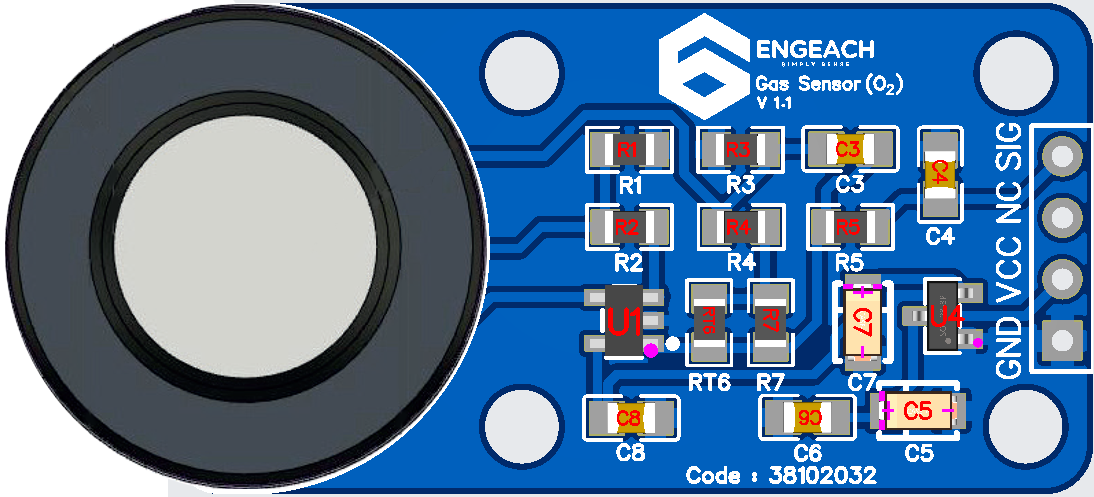
 Design with AO-03 in Cirkit Designer
Introduction
The AO-03 is a high-performance operational amplifier (op-amp) designed for a wide range of analog signal processing applications. It features high gain, low noise, and wide bandwidth, making it an ideal choice for precision circuits such as filters, amplifiers, and signal conditioning systems. Its robust design ensures reliable operation in both commercial and industrial environments.
Explore Projects Built with AO-03
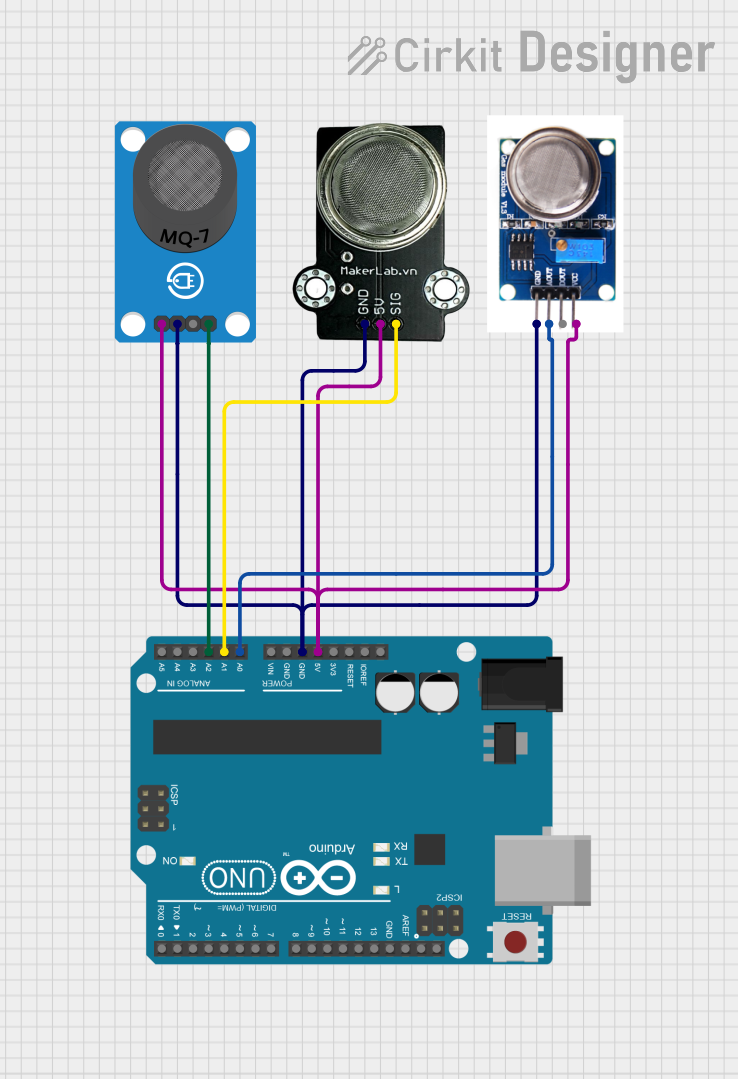 Open Project in Cirkit Designer
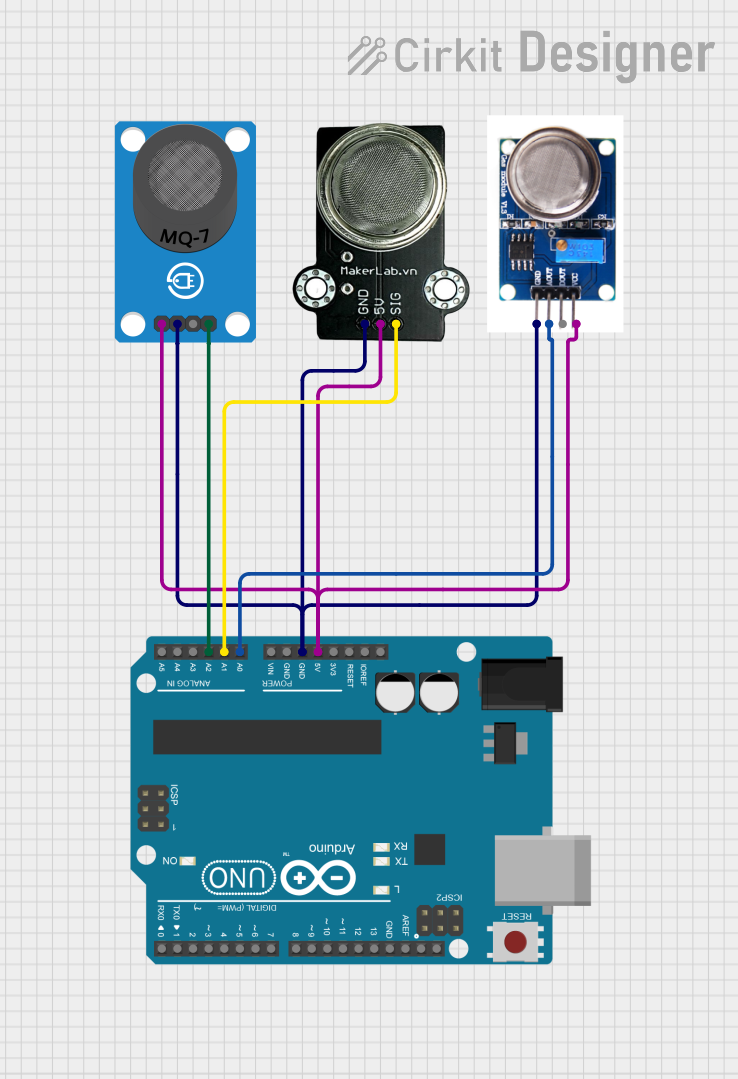 Open Project in Cirkit Designer
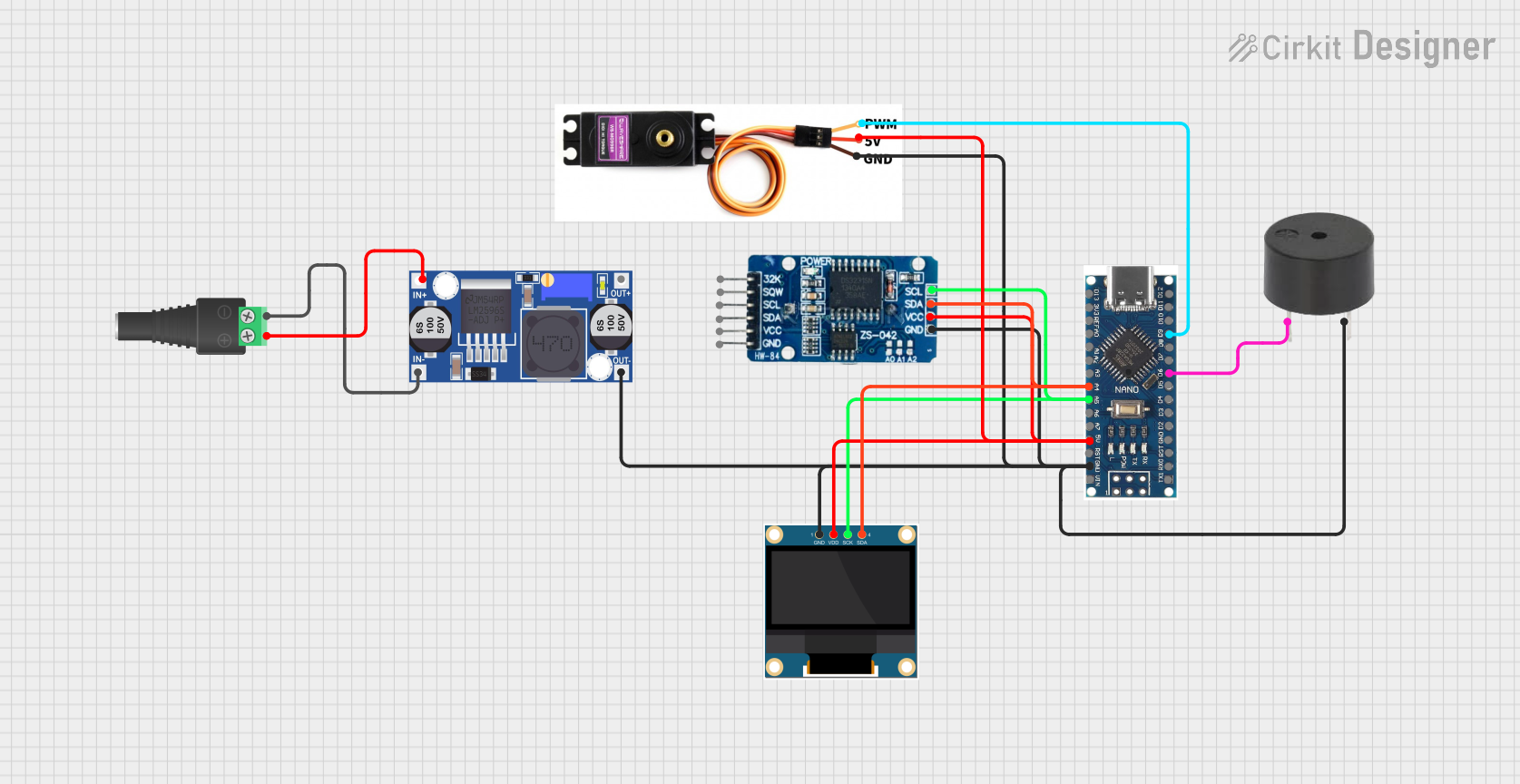 Open Project in Cirkit Designer
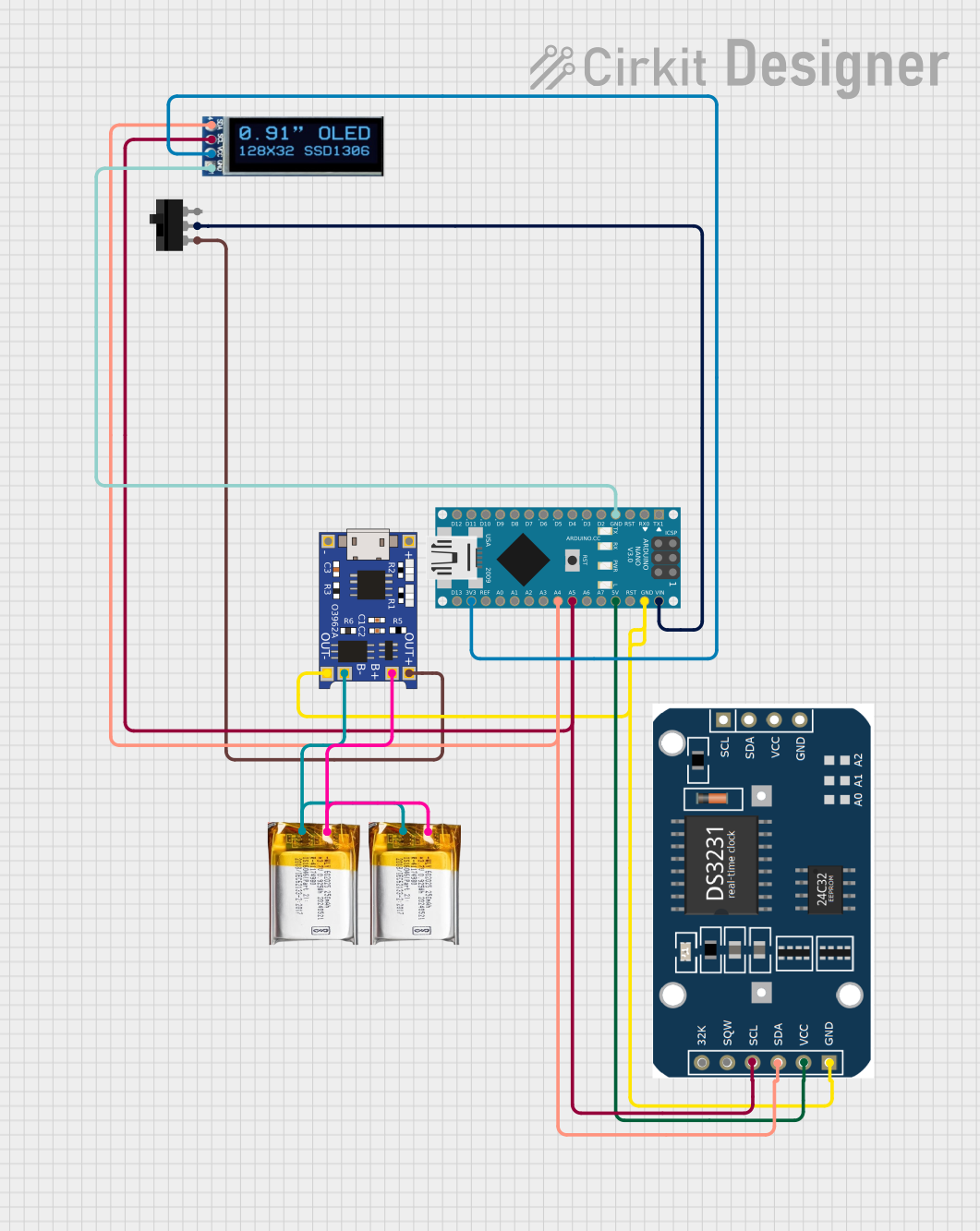 Open Project in Cirkit Designer
Explore Projects Built with AO-03
Open Project in Cirkit DesignerOpen Project in Cirkit DesignerOpen Project in Cirkit DesignerOpen Project in Cirkit DesignerCommon Applications
- Active filters (low-pass, high-pass, band-pass)
- Signal amplification in audio and instrumentation systems
- Analog signal conditioning for sensors
- Voltage followers and buffer circuits
- Oscillators and waveform generators
Technical Specifications
Key Specifications
| Parameter | Value |
|---|---|
| Supply Voltage Range | ±3V to ±18V |
| Input Offset Voltage | 2 mV (typical) |
| Input Bias Current | 50 nA (typical) |
| Gain Bandwidth Product | 10 MHz |
| Slew Rate | 0.5 V/µs |
| Output Voltage Swing | ±(Vcc - 1.5V) |
| Input Impedance | 10 MΩ |
| Output Impedance | 75 Ω |
| Operating Temperature | -40°C to +85°C |
| Package Type | 8-pin DIP, SOIC |
Pin Configuration and Descriptions
The AO-03 op-amp is typically available in an 8-pin package. Below is the pinout and description:
| Pin Number | Pin Name | Description |
|---|---|---|
| 1 | Offset Null 1 | Used for offset voltage adjustment (optional) |
| 2 | Inverting Input | Inverting input terminal (-) |
| 3 | Non-Inverting Input | Non-inverting input terminal (+) |
| 4 | V- (GND) | Negative power supply or ground |
| 5 | Offset Null 2 | Used for offset voltage adjustment (optional) |
| 6 | Output | Output terminal of the op-amp |
| 7 | V+ | Positive power supply |
| 8 | NC (No Connect) | Not connected internally |
Usage Instructions
Using the AO-03 in a Circuit
- Power Supply: Connect the AO-03 to a dual power supply (e.g., ±12V) or a single supply (e.g., 0V and +12V). Ensure the supply voltage is within the specified range (±3V to ±18V).
- Input Connections:
- Connect the signal to be amplified to the inverting or non-inverting input, depending on the desired configuration.
- Use appropriate resistors and capacitors to set the gain and bandwidth of the circuit.
- Output Connection: The output pin (Pin 6) provides the amplified signal. Ensure the load impedance is compatible with the op-amp's output drive capability.
- Offset Adjustment (Optional): If precise offset voltage adjustment is required, connect a 10kΩ potentiometer between Offset Null 1 (Pin 1) and Offset Null 2 (Pin 5), with the wiper connected to V+.
Example: Non-Inverting Amplifier Circuit
Below is an example of using the AO-03 as a non-inverting amplifier with an Arduino UNO to amplify an analog signal.
Circuit Diagram
- Connect the AO-03 as follows:
- Non-inverting input (Pin 3) to the signal source.
- Inverting input (Pin 2) connected to a voltage divider (feedback resistor network).
- Output (Pin 6) connected to the Arduino's analog input pin (e.g., A0).
Arduino Code
// Example code to read an amplified signal from the AO-03 op-amp
// and display the value on the serial monitor.

const int analogPin = A0; // Analog pin connected to AO-03 output
int sensorValue = 0;      // Variable to store the analog reading

void setup() {
  Serial.begin(9600); // Initialize serial communication at 9600 baud
}

void loop() {
  sensorValue = analogRead(analogPin); // Read the analog value
  Serial.print("Amplified Signal: ");
  Serial.println(sensorValue); // Print the value to the serial monitor
  delay(500); // Wait for 500ms before the next reading
}
Best Practices
- Use decoupling capacitors (e.g., 0.1 µF ceramic) close to the power supply pins to reduce noise.
- Avoid exceeding the maximum input voltage range to prevent damage to the op-amp.
- For high-frequency applications, minimize the length of PCB traces to reduce parasitic capacitance and inductance.
Troubleshooting and FAQs
Common Issues and Solutions
No Output Signal:
- Verify the power supply connections and ensure the voltage is within the specified range.
- Check the input signal and ensure it is properly connected to the op-amp.
Distorted Output:
- Ensure the load impedance is not too low, as this can cause the op-amp to struggle to drive the load.
- Check the feedback network and ensure the resistor values are appropriate for the desired gain.
High Noise in Output:
- Add decoupling capacitors near the power supply pins.
- Use shielded cables for input signals to minimize interference.
Offset Voltage Too High:
- Use the offset null pins (Pins 1 and 5) to adjust the offset voltage.
- Ensure the input bias current is properly accounted for in the circuit design.
FAQs
Q1: Can the AO-03 be used with a single power supply?
Yes, the AO-03 can operate with a single power supply. Connect V- (Pin 4) to ground and V+ (Pin 7) to the positive supply voltage. Ensure the input signal is biased within the op-amp's input voltage range.
Q2: What is the maximum gain I can achieve with the AO-03?
The maximum gain depends on the feedback network and the op-amp's gain-bandwidth product (10 MHz). For high gains, the bandwidth will decrease proportionally.
Q3: Can I use the AO-03 for audio applications?
Yes, the AO-03's low noise and wide bandwidth make it suitable for audio signal amplification and processing.
Q4: How do I protect the AO-03 from damage?
Use clamping diodes at the input to protect against voltage spikes, and ensure the power supply voltage does not exceed the specified range.