
How to Use LCD My: Examples, Pinouts, and Specs
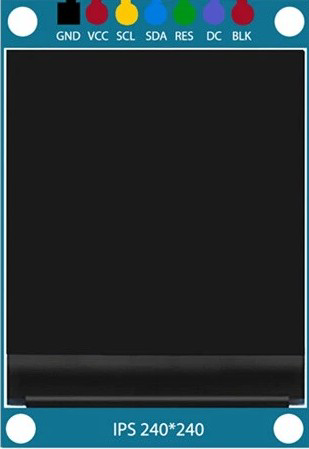
 Design with LCD My in Cirkit Designer
Introduction
The LCD My is a Liquid Crystal Display (LCD) module designed for displaying text and graphics in electronic devices. It is widely used in embedded systems, DIY electronics projects, and industrial applications due to its simplicity and versatility. The module often features a backlight, making it suitable for use in low-light environments. LCD My is ideal for projects requiring a user interface or visual feedback, such as temperature monitors, clocks, and IoT devices.
Explore Projects Built with LCD My
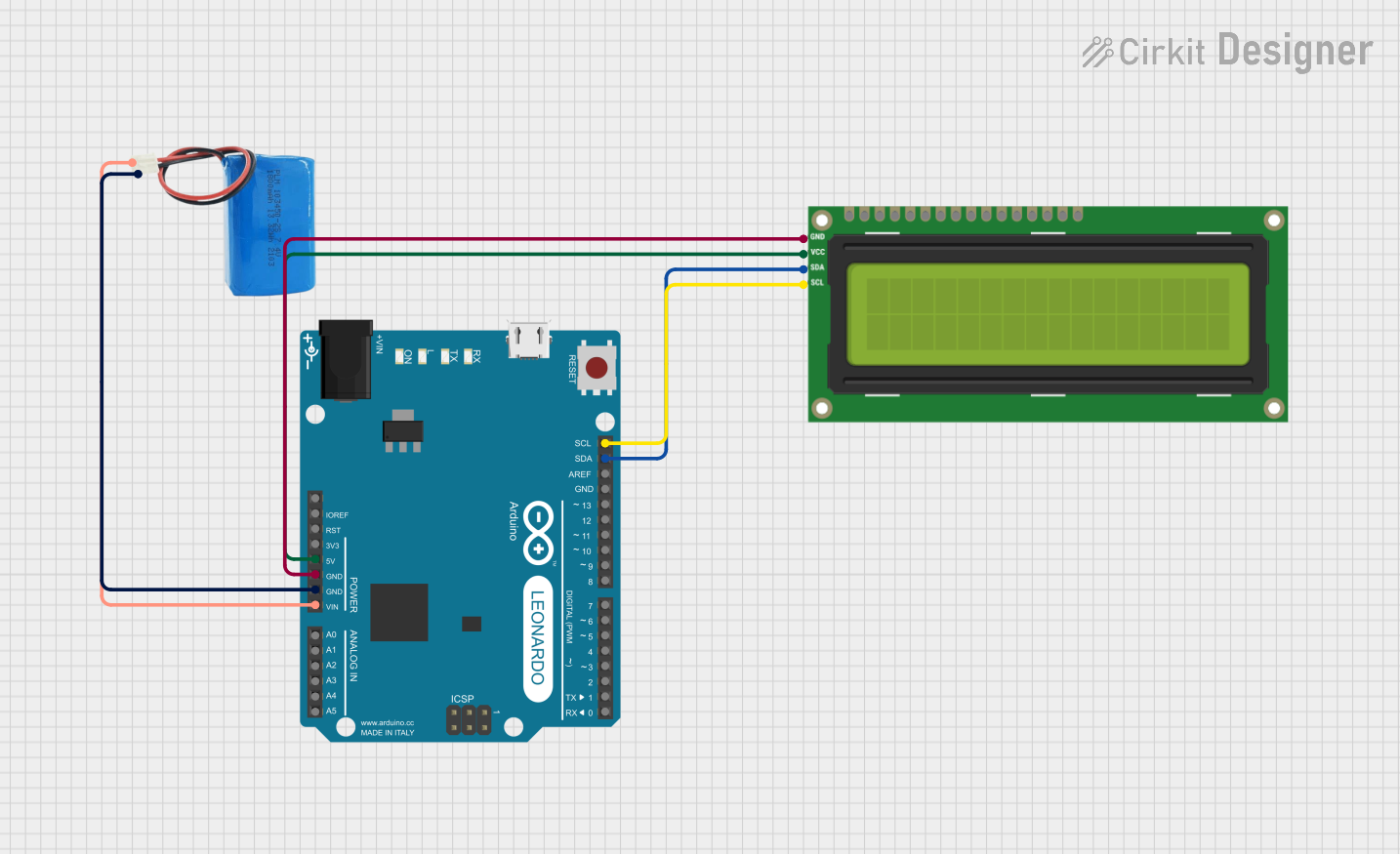 Open Project in Cirkit Designer
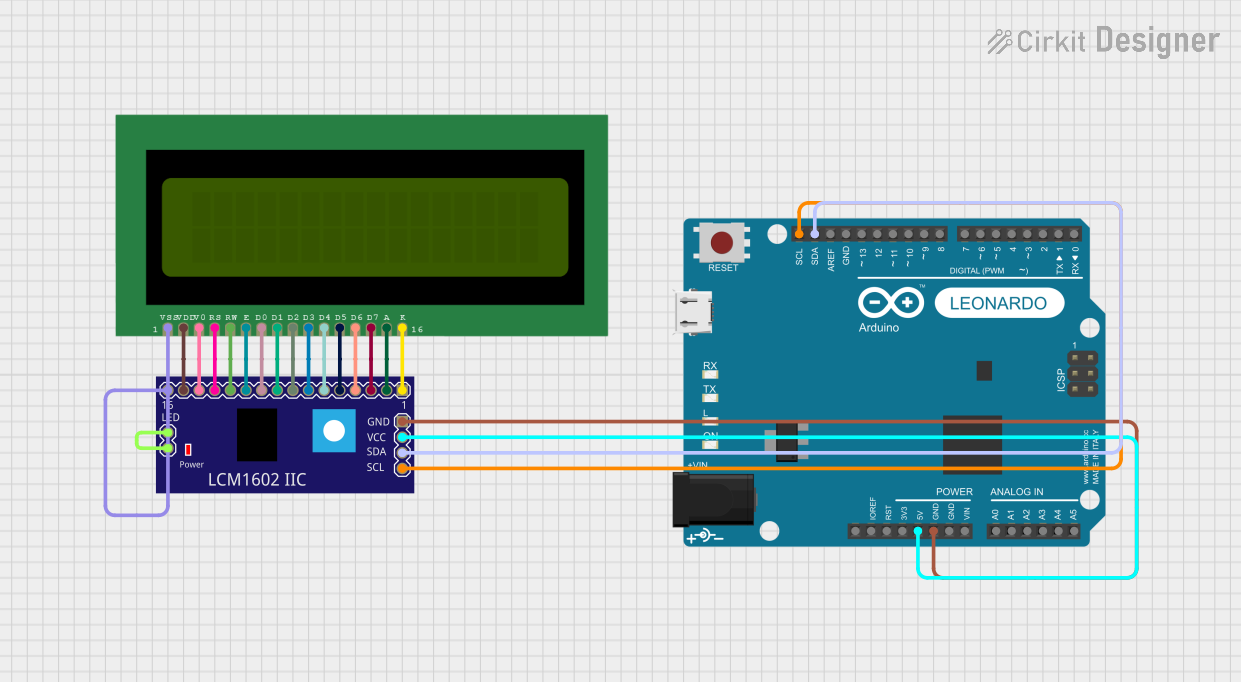 Open Project in Cirkit Designer
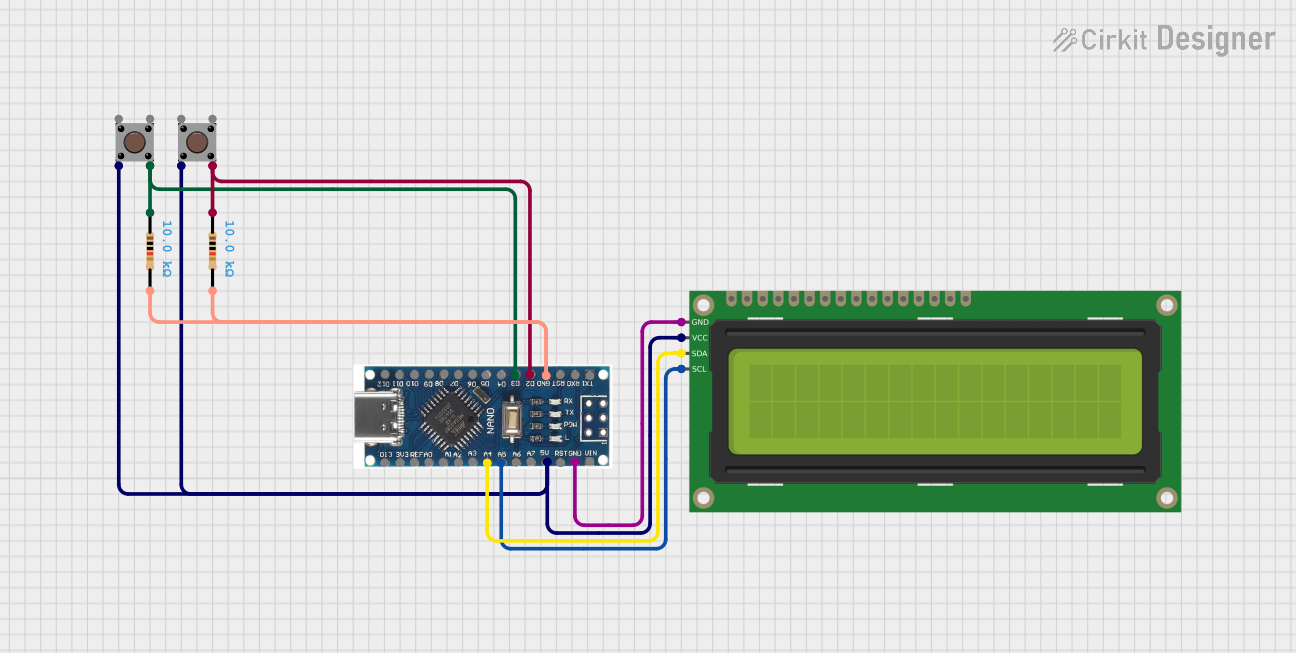 Open Project in Cirkit Designer
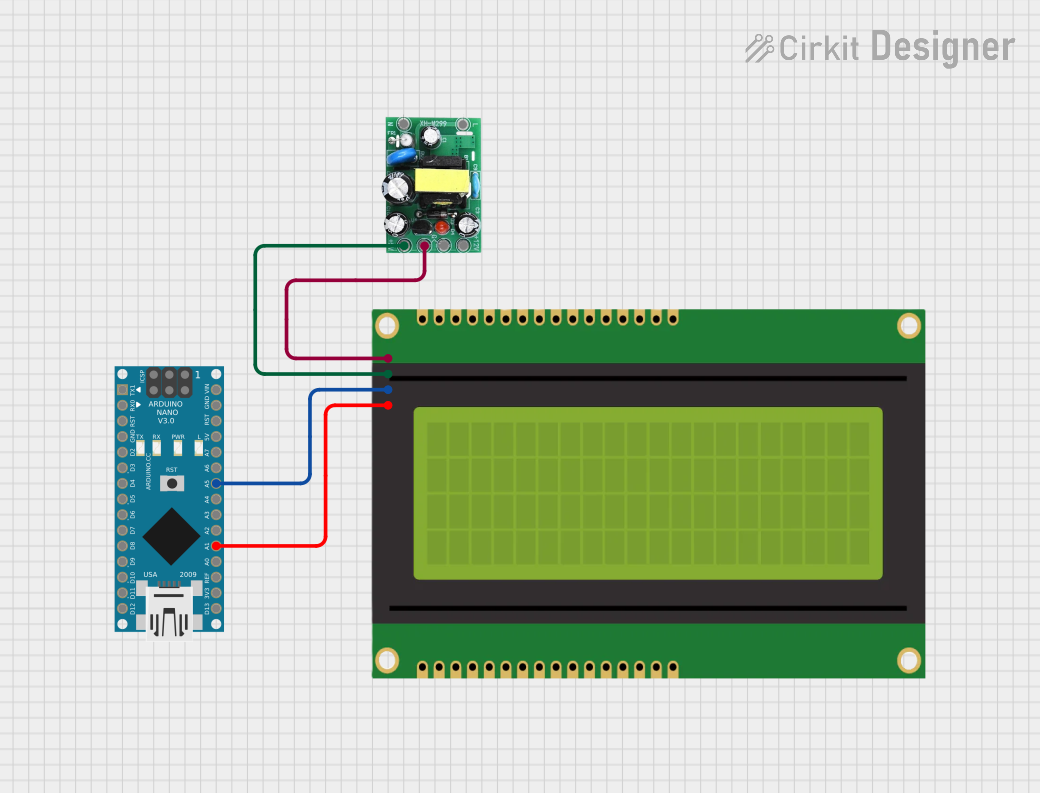 Open Project in Cirkit Designer
Explore Projects Built with LCD My
Open Project in Cirkit DesignerOpen Project in Cirkit DesignerOpen Project in Cirkit DesignerOpen Project in Cirkit DesignerTechnical Specifications
- Display Type: Liquid Crystal Display (LCD)
- Character Support: 16x2 (16 characters per line, 2 lines) or 20x4 (20 characters per line, 4 lines) depending on the model
- Operating Voltage: 4.7V to 5.3V
- Current Consumption: 1mA (without backlight), 15mA to 25mA (with backlight)
- Interface: Parallel (4-bit or 8-bit mode)
- Backlight: LED (optional, controllable via a pin)
- Operating Temperature: -20°C to 70°C
- Dimensions: Varies by model (e.g., 80mm x 36mm for 16x2)
Pin Configuration and Descriptions
The LCD My module typically has 16 pins. Below is the pin configuration:
| Pin Number | Name | Description |
|---|---|---|
| 1 | VSS | Ground (0V) connection |
| 2 | VDD | Power supply (4.7V to 5.3V) |
| 3 | VO | Contrast adjustment (connect to a potentiometer for contrast control) |
| 4 | RS | Register Select (0: Command mode, 1: Data mode) |
| 5 | RW | Read/Write (0: Write to LCD, 1: Read from LCD) |
| 6 | E | Enable pin (triggers data read/write when toggled) |
| 7-14 | D0-D7 | Data pins (used for 4-bit or 8-bit communication) |
| 15 | LED+ | Backlight anode (connect to +5V via a resistor if backlight is used) |
| 16 | LED- | Backlight cathode (connect to ground if backlight is used) |
Usage Instructions
Connecting the LCD My to an Arduino UNO
The LCD My module can be easily interfaced with an Arduino UNO using the 4-bit mode to save pins. Below is a step-by-step guide:
Wiring:
- Connect
VSSto GND andVDDto 5V on the Arduino. - Connect
VOto the middle pin of a 10kΩ potentiometer. Connect the other two potentiometer pins to 5V and GND. - Connect
RSto Arduino digital pin 12. - Connect
RWto GND (write mode). - Connect
Eto Arduino digital pin 11. - Connect
D4,D5,D6, andD7to Arduino digital pins 5, 4, 3, and 2, respectively. - If using the backlight, connect
LED+to 5V via a 220Ω resistor andLED-to GND.
- Connect
Arduino Code: Use the
LiquidCrystallibrary to control the LCD. Below is an example code snippet:// Include the LiquidCrystal library #include <LiquidCrystal.h> // Initialize the library with the pins connected to the LCD LiquidCrystal lcd(12, 11, 5, 4, 3, 2); void setup() { // Set up the LCD's number of columns and rows lcd.begin(16, 2); // Print a message to the LCD lcd.print("Hello, World!"); } void loop() { // Move the cursor to the second line, first column lcd.setCursor(0, 1); // Print a dynamic message lcd.print(millis() / 1000); // Display elapsed time in seconds }
Important Considerations
- Contrast Adjustment: Use a 10kΩ potentiometer to adjust the contrast for optimal visibility.
- Backlight Control: If the backlight is not needed, leave the
LED+andLED-pins unconnected to save power. - Data Mode: Use 4-bit mode for simpler wiring and to save Arduino pins. Use 8-bit mode only if required for faster data transfer.
- Power Supply: Ensure a stable 5V power supply to avoid flickering or malfunction.
Troubleshooting and FAQs
Common Issues
No Display on the Screen:
- Check the power connections (
VSSto GND,VDDto 5V). - Adjust the contrast using the potentiometer connected to
VO. - Verify the backlight connections if the screen is too dim.
- Check the power connections (
Random Characters or No Response:
- Ensure the
RS,RW, andEpins are correctly connected to the Arduino. - Verify the data pins (
D4-D7in 4-bit mode) are properly wired. - Check the code for correct pin assignments in the
LiquidCrystalinitialization.
- Ensure the
Flickering or Unstable Display:
- Use a decoupling capacitor (e.g., 0.1µF) across the power supply pins to stabilize voltage.
- Ensure the power supply can provide sufficient current for the LCD and backlight.
FAQs
Q: Can I use the LCD My with a 3.3V microcontroller?
A: The LCD My is designed for 5V operation. To use it with a 3.3V microcontroller, you will need a level shifter or voltage divider for the data lines.
Q: How do I display custom characters?
A: Use the createChar() function in the LiquidCrystal library to define and display custom characters.
Q: Can I control the backlight brightness?
A: Yes, connect the LED+ pin to a PWM-capable pin on the microcontroller and use PWM to adjust brightness.
By following this documentation, you can effectively integrate the LCD My module into your projects and troubleshoot common issues with ease.