
How to Use 2E12E1E: Examples, Pinouts, and Specs
 Design with 2E12E1E in Cirkit Designer
Introduction
The 2E12E1E is a specific electronic component, potentially a semiconductor or integrated circuit, designed for use in a variety of electronic applications. Its versatility and reliability make it suitable for both hobbyist projects and professional designs. Common applications include signal processing, power regulation, and integration into embedded systems.
Explore Projects Built with 2E12E1E
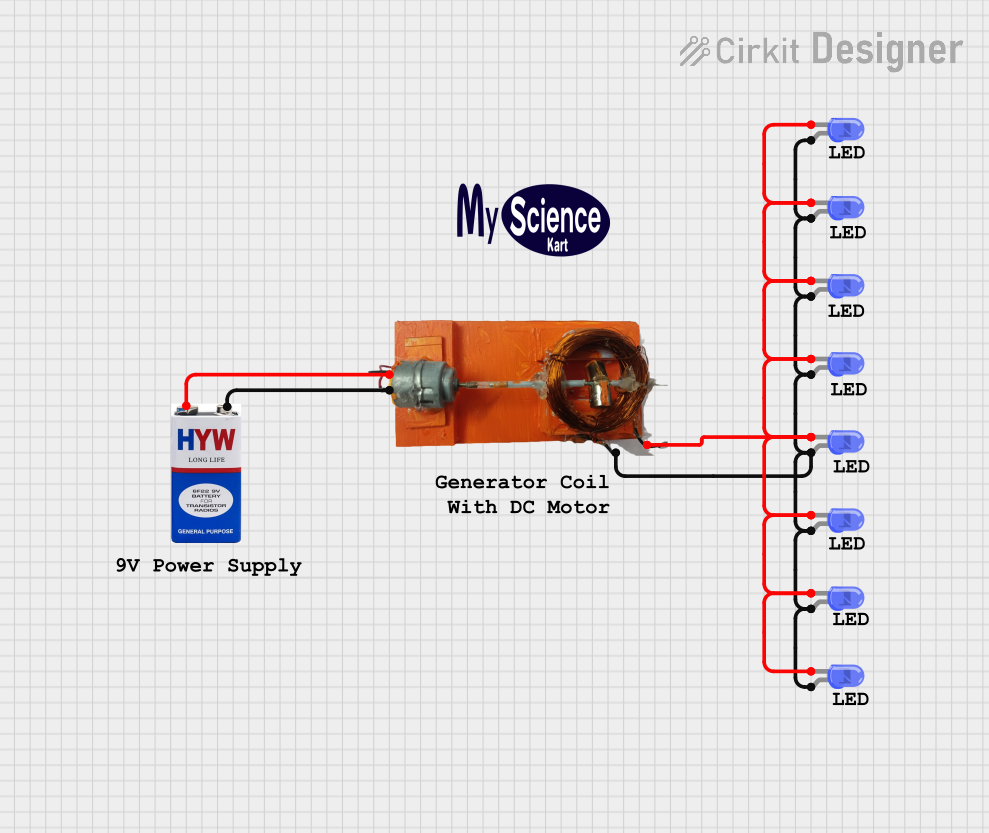 Open Project in Cirkit Designer
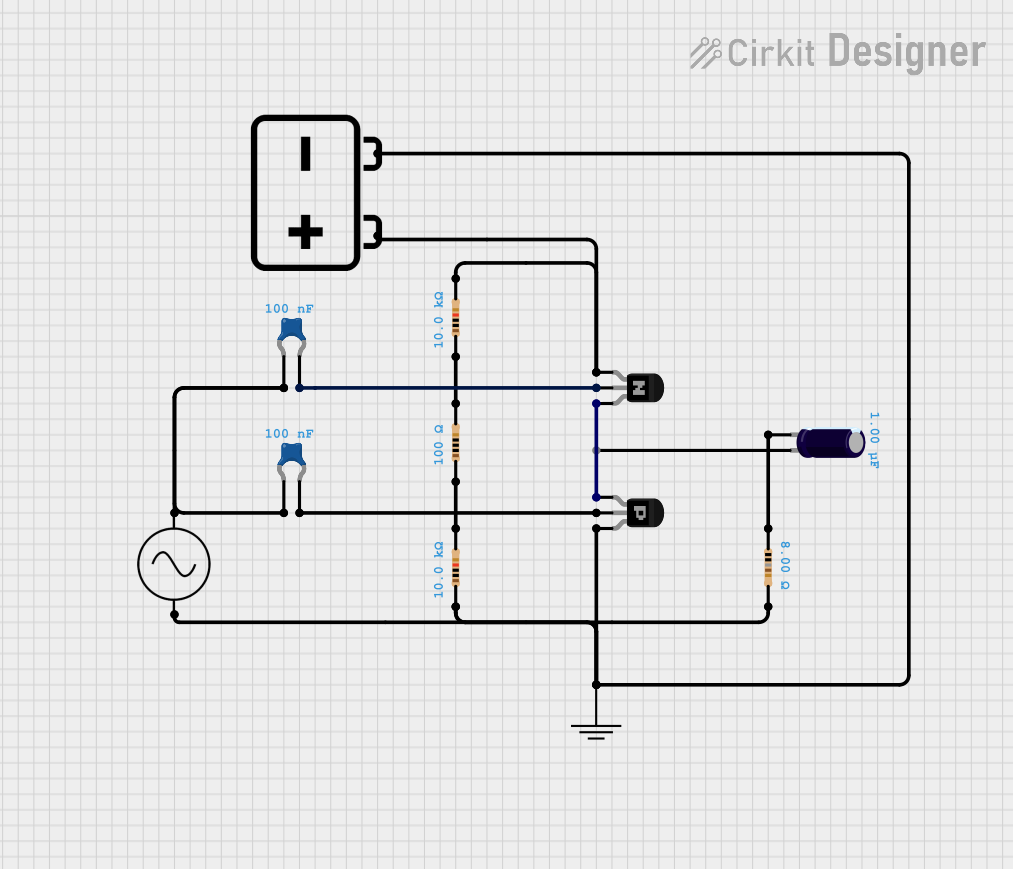 Open Project in Cirkit Designer
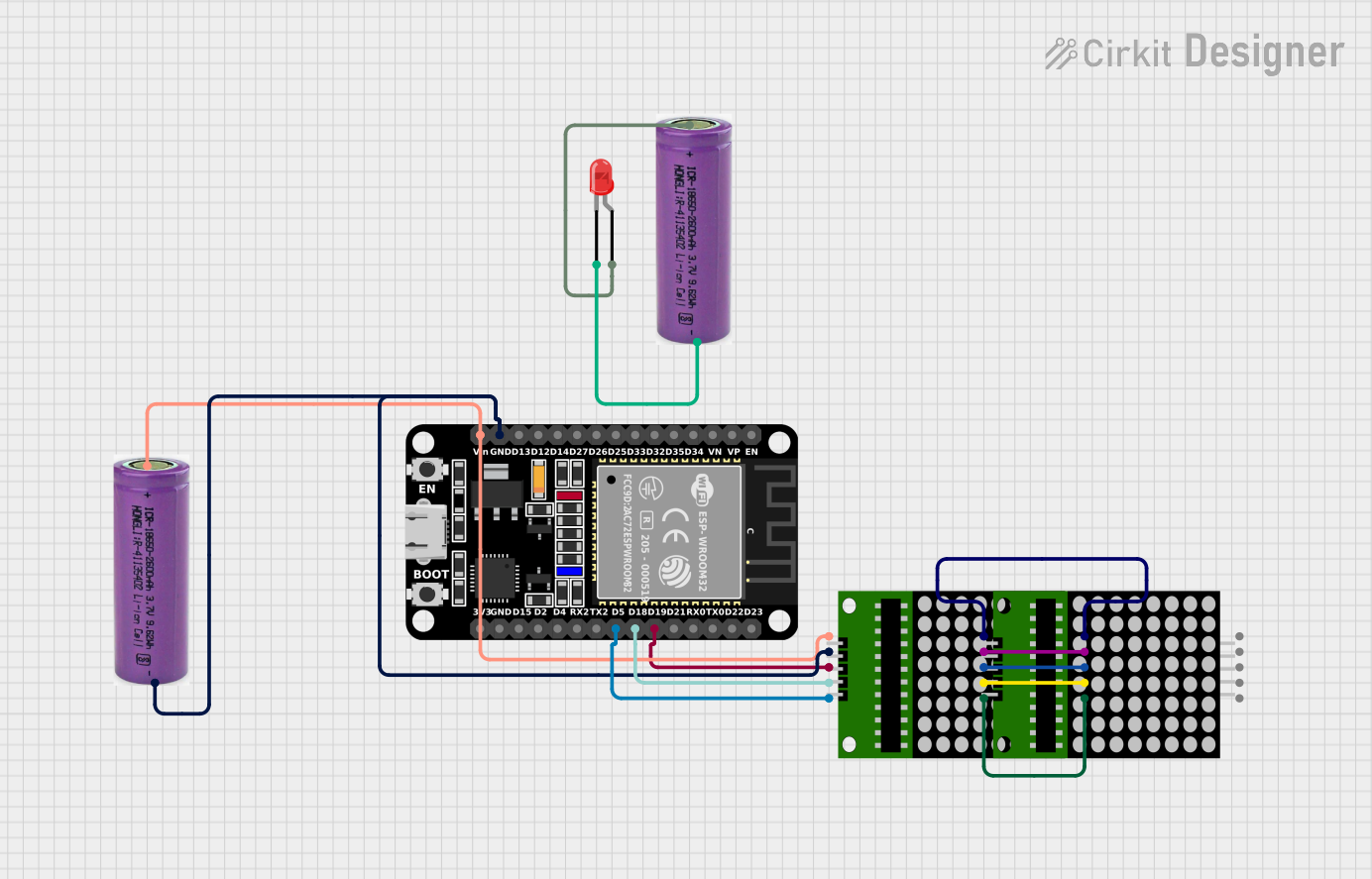 Open Project in Cirkit Designer
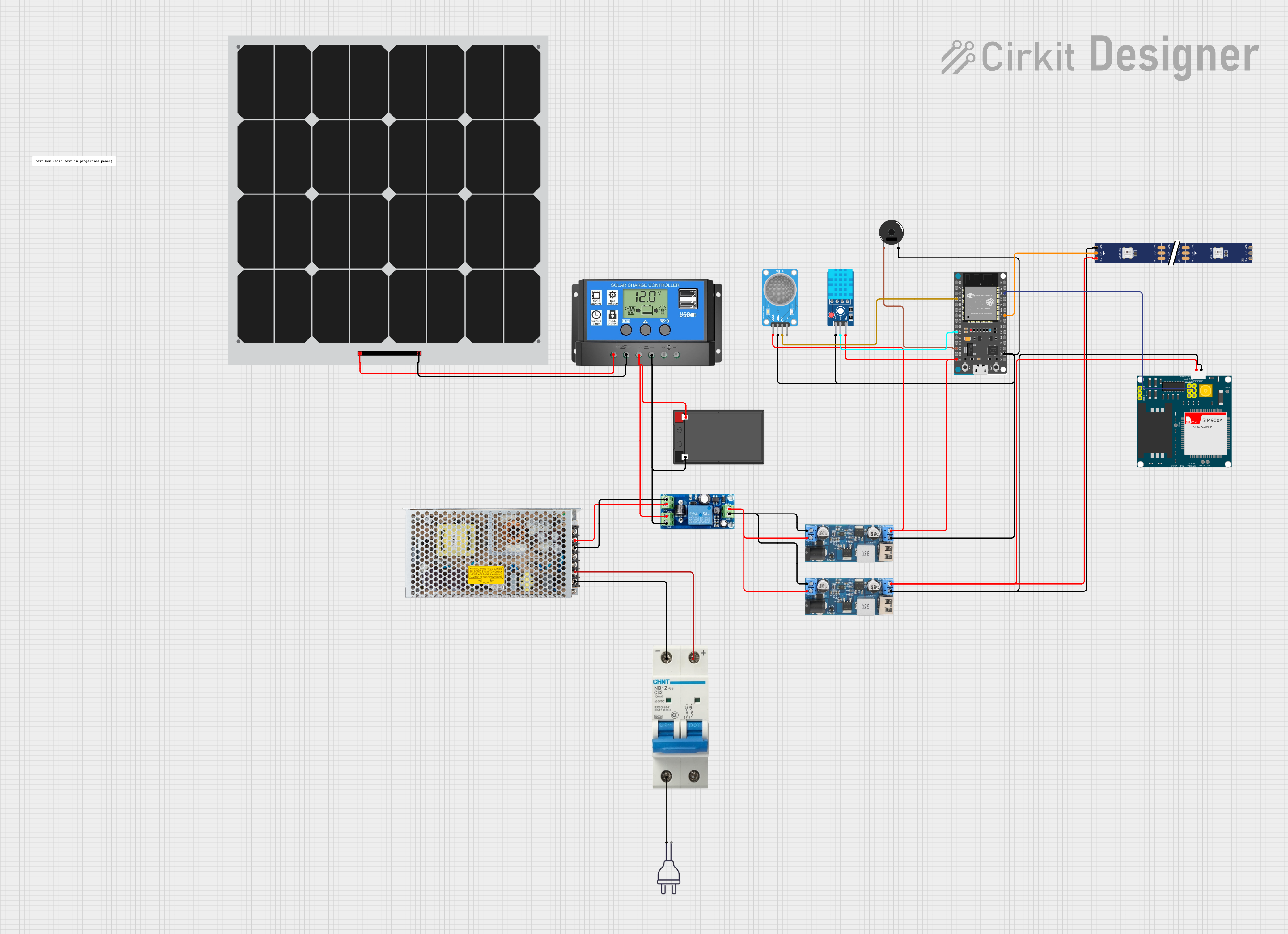 Open Project in Cirkit Designer
Explore Projects Built with 2E12E1E
Open Project in Cirkit DesignerOpen Project in Cirkit DesignerOpen Project in Cirkit DesignerOpen Project in Cirkit DesignerTechnical Specifications
Below are the key technical details for the 2E12E1E component:
- Operating Voltage: 3.3V to 5V
- Maximum Current: 500mA
- Power Dissipation: 1W (maximum)
- Operating Temperature Range: -40°C to +85°C
- Package Type: DIP-8 (Dual Inline Package with 8 pins)
Pin Configuration and Descriptions
The 2E12E1E features an 8-pin configuration. The table below outlines the pin functions:
| Pin Number | Pin Name | Description |
|---|---|---|
| 1 | VCC | Power supply input (3.3V to 5V) |
| 2 | GND | Ground connection |
| 3 | IN1 | Input signal 1 |
| 4 | IN2 | Input signal 2 |
| 5 | OUT1 | Output signal 1 |
| 6 | OUT2 | Output signal 2 |
| 7 | ENABLE | Enable pin for activating the component |
| 8 | NC | No connection |
Usage Instructions
To use the 2E12E1E in a circuit, follow these steps:
- Power Supply: Connect the VCC pin to a stable power source within the operating voltage range (3.3V to 5V). Connect the GND pin to the ground of the circuit.
- Input Signals: Provide input signals to the IN1 and IN2 pins. Ensure the input signals are within the acceptable voltage levels to avoid damage.
- Output Signals: The processed signals will be available at the OUT1 and OUT2 pins. Connect these pins to the desired load or circuit.
- Enable Functionality: Use the ENABLE pin to activate or deactivate the component. Pull the ENABLE pin high to activate the component, or pull it low to disable it.
- No Connection Pin: Leave the NC pin unconnected, as it is not used in the circuit.
Important Considerations and Best Practices
- Always verify the power supply voltage before connecting the component to avoid overvoltage damage.
- Use decoupling capacitors (e.g., 0.1µF) near the VCC pin to stabilize the power supply and reduce noise.
- Avoid leaving input pins floating; connect unused inputs to GND or VCC through a pull-up or pull-down resistor.
- Ensure proper heat dissipation if the component operates near its maximum power dissipation limit.
Example: Using 2E12E1E with Arduino UNO
The 2E12E1E can be easily interfaced with an Arduino UNO for signal processing. Below is an example code snippet:
// Example code for interfacing 2E12E1E with Arduino UNO

const int enablePin = 7;  // Pin connected to ENABLE pin of 2E12E1E
const int input1Pin = 8;  // Pin connected to IN1 of 2E12E1E
const int input2Pin = 9;  // Pin connected to IN2 of 2E12E1E

void setup() {
  pinMode(enablePin, OUTPUT);  // Set ENABLE pin as output
  pinMode(input1Pin, OUTPUT);  // Set IN1 pin as output
  pinMode(input2Pin, OUTPUT);  // Set IN2 pin as output

  digitalWrite(enablePin, HIGH);  // Enable the 2E12E1E component
}

void loop() {
  digitalWrite(input1Pin, HIGH);  // Send HIGH signal to IN1
  digitalWrite(input2Pin, LOW);   // Send LOW signal to IN2
  delay(1000);                    // Wait for 1 second

  digitalWrite(input1Pin, LOW);   // Send LOW signal to IN1
  digitalWrite(input2Pin, HIGH);  // Send HIGH signal to IN2
  delay(1000);                    // Wait for 1 second
}
Troubleshooting and FAQs
Common Issues
Component Not Responding:
- Ensure the ENABLE pin is pulled high to activate the component.
- Verify the power supply voltage is within the specified range.
Incorrect Output Signals:
- Check the input signal levels and ensure they are within the acceptable range.
- Verify the connections to the OUT1 and OUT2 pins.
Overheating:
- Ensure the component is not exceeding its maximum power dissipation limit.
- Use a heat sink or improve ventilation if necessary.
FAQs
Q1: Can the 2E12E1E operate at 12V?
A1: No, the 2E12E1E is designed to operate within a voltage range of 3.3V to 5V. Exceeding this range may damage the component.
Q2: What happens if the ENABLE pin is left floating?
A2: If the ENABLE pin is left floating, the behavior of the component may be unpredictable. It is recommended to pull the ENABLE pin high or low as needed.
Q3: Can I use the NC pin for additional connections?
A3: No, the NC (No Connection) pin should remain unconnected as it is not internally connected to the component's circuitry.
By following this documentation, users can effectively integrate the 2E12E1E into their electronic projects and troubleshoot common issues with ease.