
How to Use UART: Examples, Pinouts, and Specs
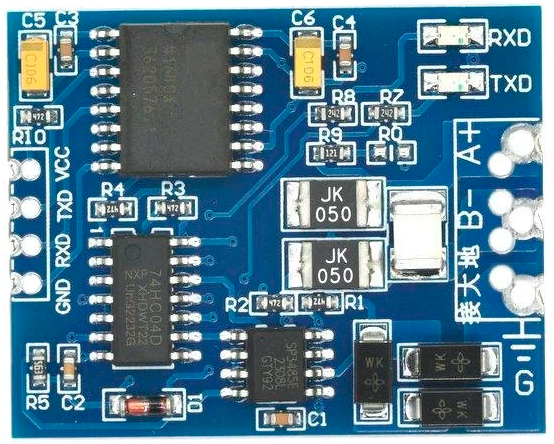
 Design with UART in Cirkit Designer
Introduction
The Universal Asynchronous Receiver-Transmitter (UART) is a hardware communication protocol that facilitates asynchronous serial communication between devices. It is widely used in embedded systems to enable data exchange over a single wire by converting parallel data from a microcontroller into a serial format for transmission and vice versa. UART is a cornerstone of serial communication, offering simplicity and reliability in data transfer.
Explore Projects Built with UART
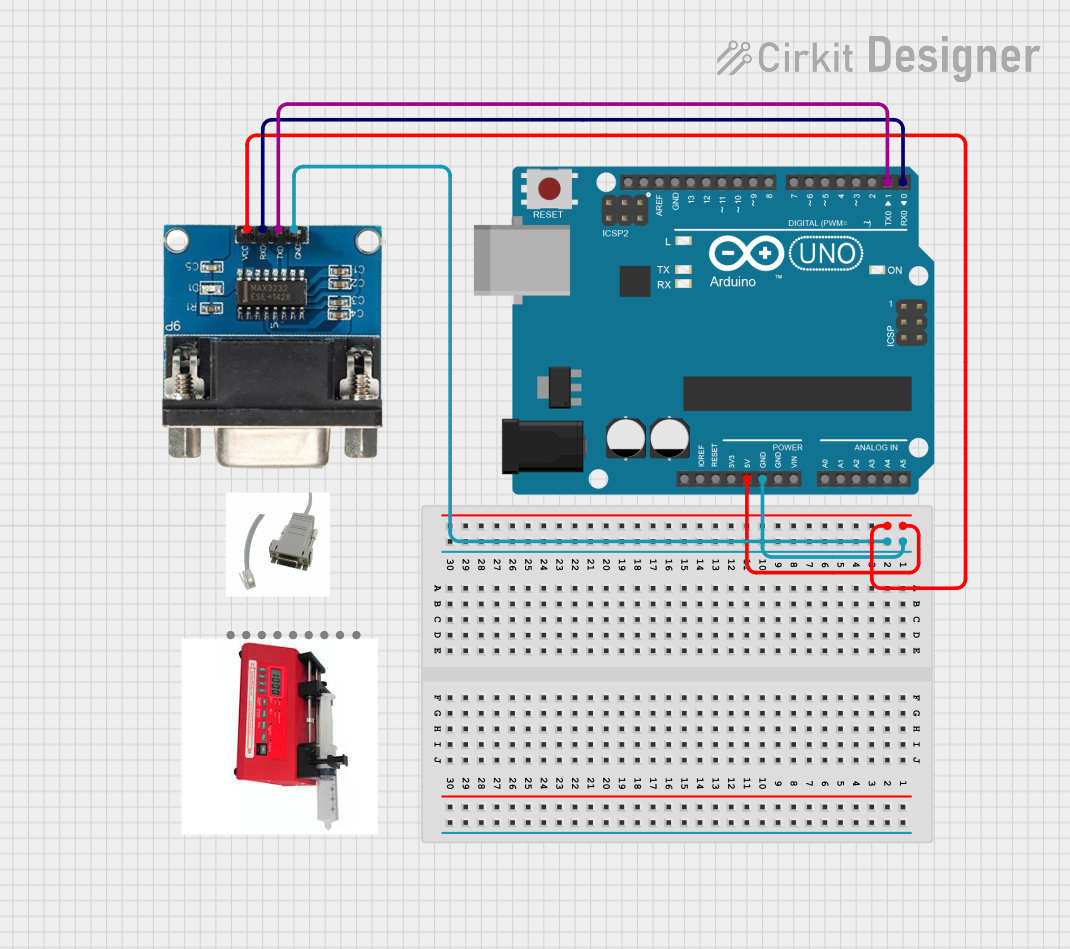 Open Project in Cirkit Designer
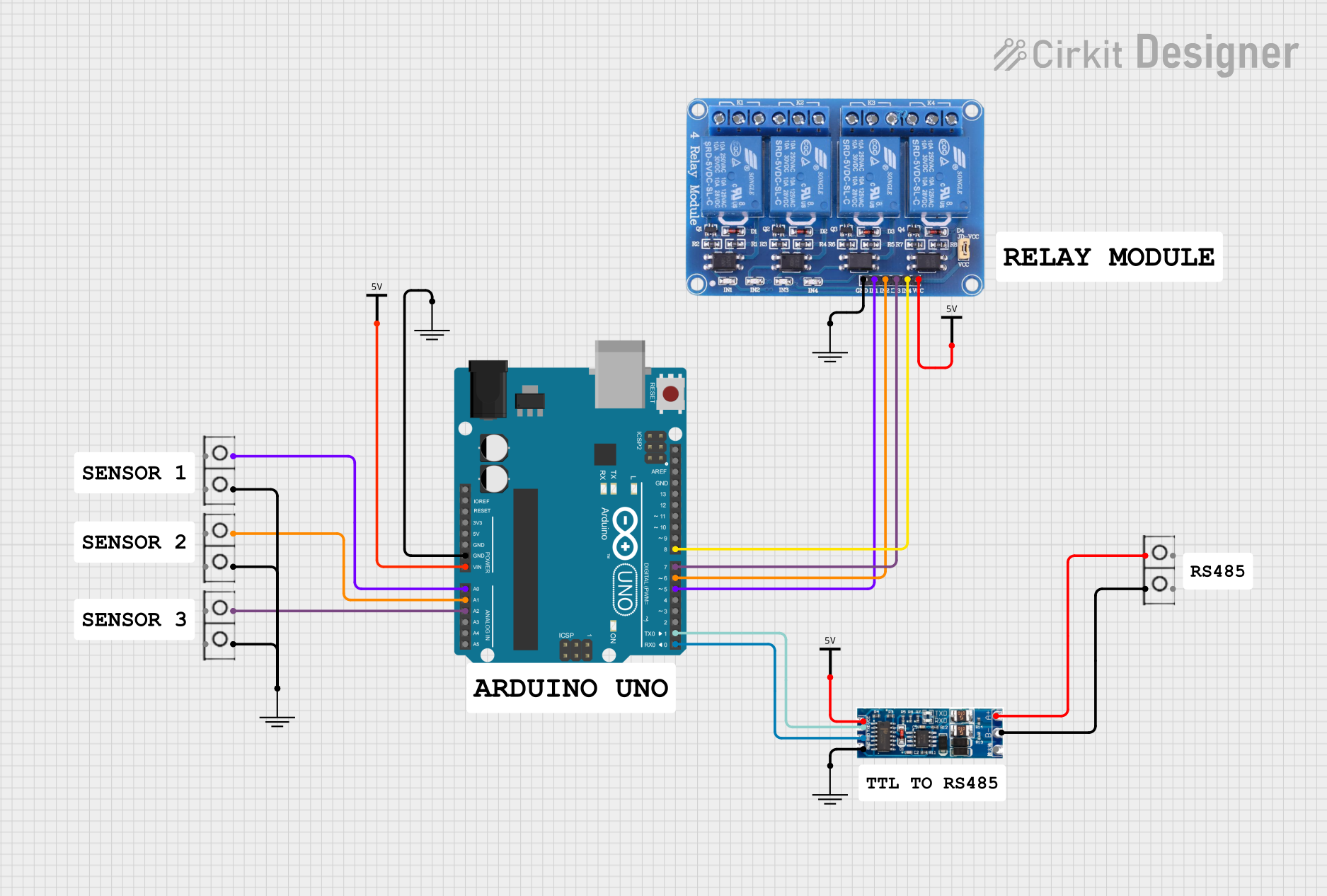 Open Project in Cirkit Designer
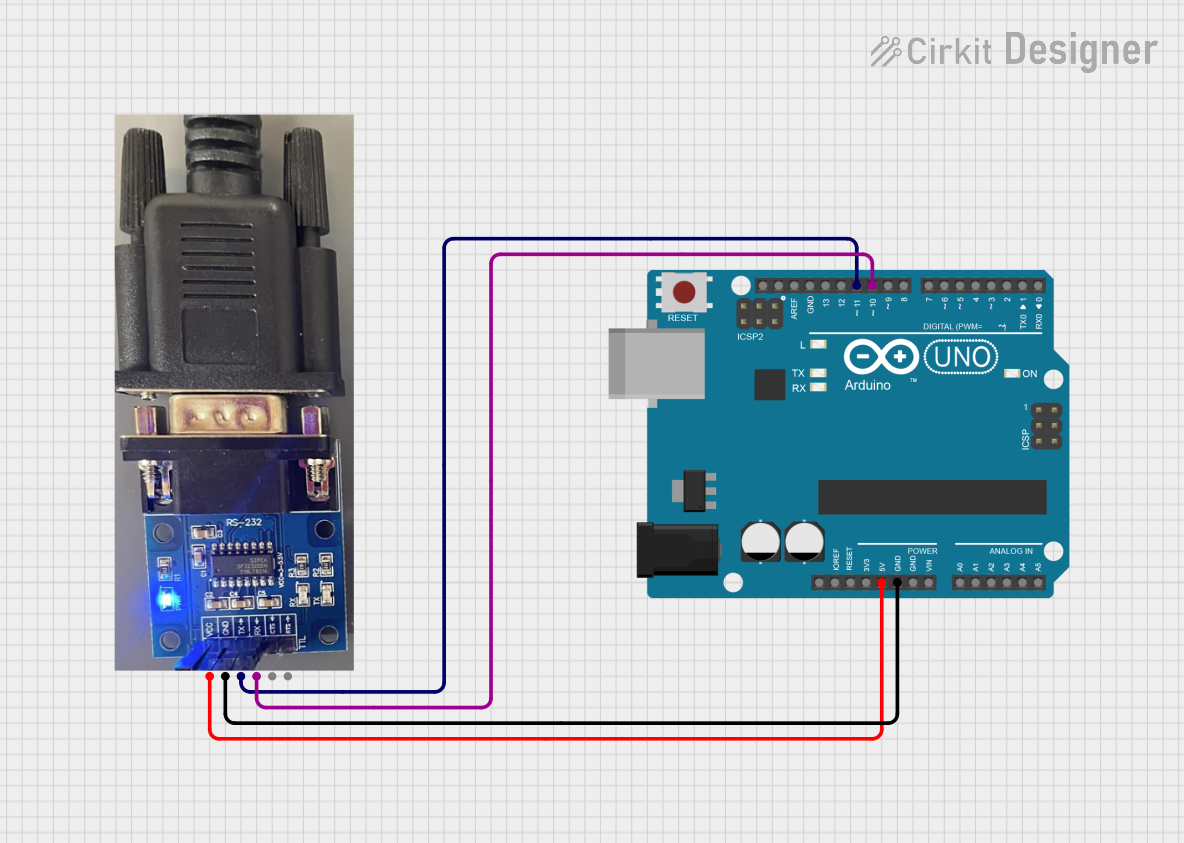 Open Project in Cirkit Designer
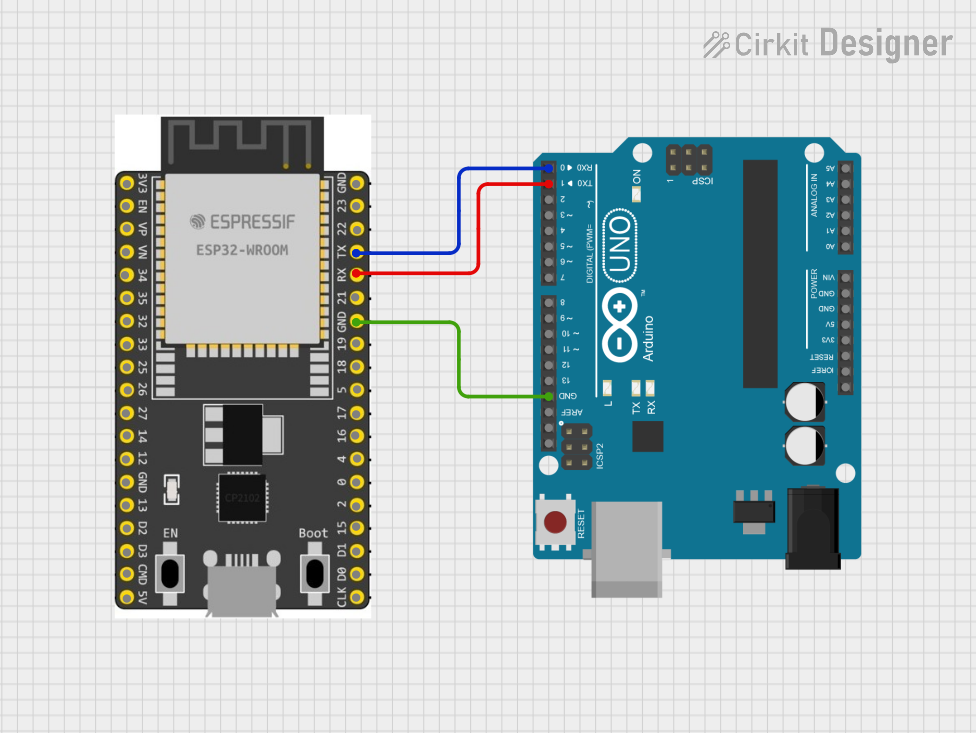 Open Project in Cirkit Designer
Explore Projects Built with UART
Open Project in Cirkit DesignerOpen Project in Cirkit DesignerOpen Project in Cirkit DesignerOpen Project in Cirkit DesignerCommon Applications and Use Cases
- Communication between microcontrollers and peripheral devices (e.g., sensors, displays).
- Data exchange between computers and embedded systems.
- Debugging and logging in embedded systems.
- Wireless communication modules (e.g., Bluetooth, Wi-Fi, GSM modules).
- Industrial automation and control systems.
Technical Specifications
Key Technical Details
- Communication Type: Asynchronous serial communication.
- Baud Rate: Configurable (common rates: 9600, 115200, etc.).
- Data Bits: Typically 8 bits (configurable to 5, 6, 7, or 9 bits).
- Parity: None, Even, or Odd (optional).
- Stop Bits: 1 or 2.
- Flow Control: None, RTS/CTS (hardware), or XON/XOFF (software).
- Voltage Levels:
- TTL (0V to 5V or 0V to 3.3V) for microcontrollers.
- RS-232 (-12V to +12V) for PC communication.
Pin Configuration and Descriptions
UART typically uses two main pins for communication:
| Pin Name | Description |
|---|---|
| TX (Transmit) | Sends serial data to the receiving device. |
| RX (Receive) | Receives serial data from the transmitting device. |
Optional pins for hardware flow control (if supported):
| Pin Name | Description |
|---|---|
| RTS (Request to Send) | Indicates the device is ready to send data. |
| CTS (Clear to Send) | Indicates the device is ready to receive data. |
Usage Instructions
How to Use UART in a Circuit
- Connect TX and RX Pins:
- Connect the TX pin of the transmitting device to the RX pin of the receiving device.
- Connect the RX pin of the transmitting device to the TX pin of the receiving device.
- Set the Baud Rate:
- Ensure both devices are configured to use the same baud rate for proper communication.
- Voltage Level Matching:
- Ensure the voltage levels of the UART pins match between devices (e.g., 3.3V or 5V).
- Use a level shifter if the devices operate at different voltage levels.
- Optional Flow Control:
- If using hardware flow control, connect RTS and CTS pins between devices.
Important Considerations and Best Practices
- Baud Rate Mismatch: Ensure both devices use the same baud rate, data bits, parity, and stop bits.
- Cable Length: Keep the cable length short to avoid signal degradation, especially at higher baud rates.
- Noise and Interference: Use shielded cables or twisted pairs to minimize noise in noisy environments.
- Debugging: Use a USB-to-UART converter to monitor communication on a PC.
Example: Using UART with Arduino UNO
Below is an example of how to use UART to send and receive data between an Arduino UNO and a serial terminal.
// Example: UART communication on Arduino UNO
// This code sends "Hello, UART!" to the serial terminal and echoes received data.

void setup() {
  Serial.begin(9600); // Initialize UART with a baud rate of 9600
  while (!Serial) {
    // Wait for the serial port to connect (useful for native USB boards)
  }
  Serial.println("UART Communication Initialized"); // Send initialization message
}

void loop() {
  if (Serial.available() > 0) {
    // Check if data is available to read
    char receivedChar = Serial.read(); // Read the incoming character
    Serial.print("Received: ");        // Print a label for the received data
    Serial.println(receivedChar);      // Echo the received character
  }
  delay(100); // Small delay to avoid overwhelming the serial terminal
}
Troubleshooting and FAQs
Common Issues and Solutions
No Data Transmission:
- Cause: TX and RX pins are not connected correctly.
- Solution: Verify that the TX pin of one device is connected to the RX pin of the other device.
Garbled or Corrupted Data:
- Cause: Baud rate mismatch between devices.
- Solution: Ensure both devices are configured with the same baud rate and other UART settings.
No Response from Device:
- Cause: Voltage level mismatch between devices.
- Solution: Use a level shifter to match voltage levels.
Data Loss:
- Cause: Buffer overflow due to high data rates or insufficient processing speed.
- Solution: Use hardware flow control (RTS/CTS) or reduce the baud rate.
FAQs
Can UART communicate with multiple devices?
- No, UART is designed for point-to-point communication. For multiple devices, consider using protocols like I2C or SPI.
What is the maximum baud rate for UART?
- The maximum baud rate depends on the hardware and cable length. Common microcontrollers support up to 1 Mbps or higher.
Can I use UART for long-distance communication?
- UART is not ideal for long distances due to signal degradation. Use RS-485 or similar protocols for longer distances.
How do I monitor UART communication?
- Use a USB-to-UART converter and a serial terminal application (e.g., PuTTY, Tera Term) on a PC to monitor data.
By following this documentation, you can effectively use UART for reliable serial communication in your projects.