
How to Use EtOH: Examples, Pinouts, and Specs
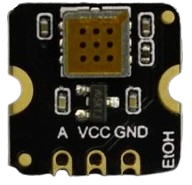
 Design with EtOH in Cirkit Designer
Introduction
Ethanol (EtOH) is a colorless, volatile liquid widely used in various industries and applications. It serves as a solvent, a key ingredient in alcoholic beverages, and a fuel additive. Additionally, ethanol is commonly utilized in laboratories for chemical reactions and industrial processes. Its versatility and relatively low toxicity make it a valuable component in both scientific and commercial settings.
Explore Projects Built with EtOH
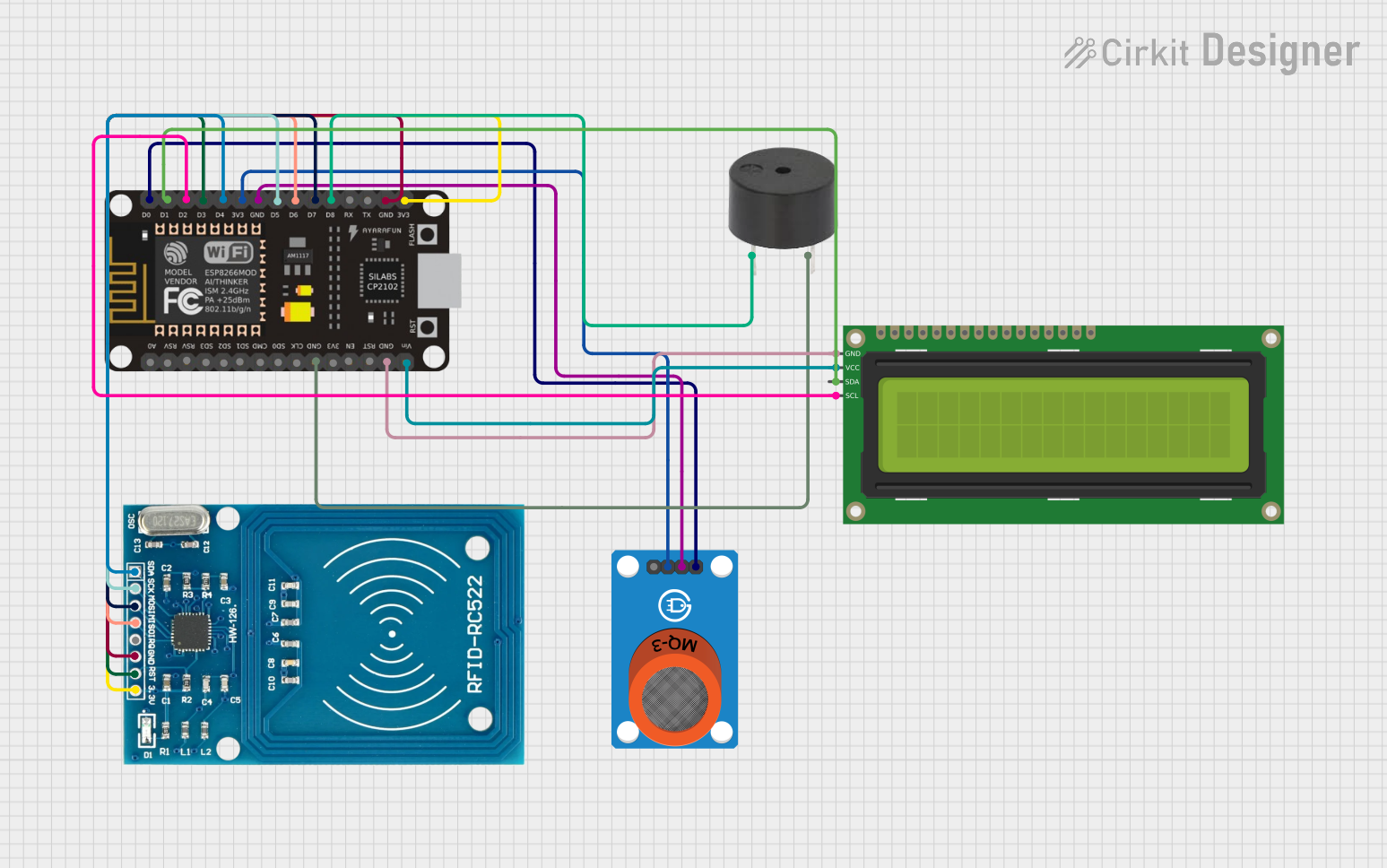 Open Project in Cirkit Designer
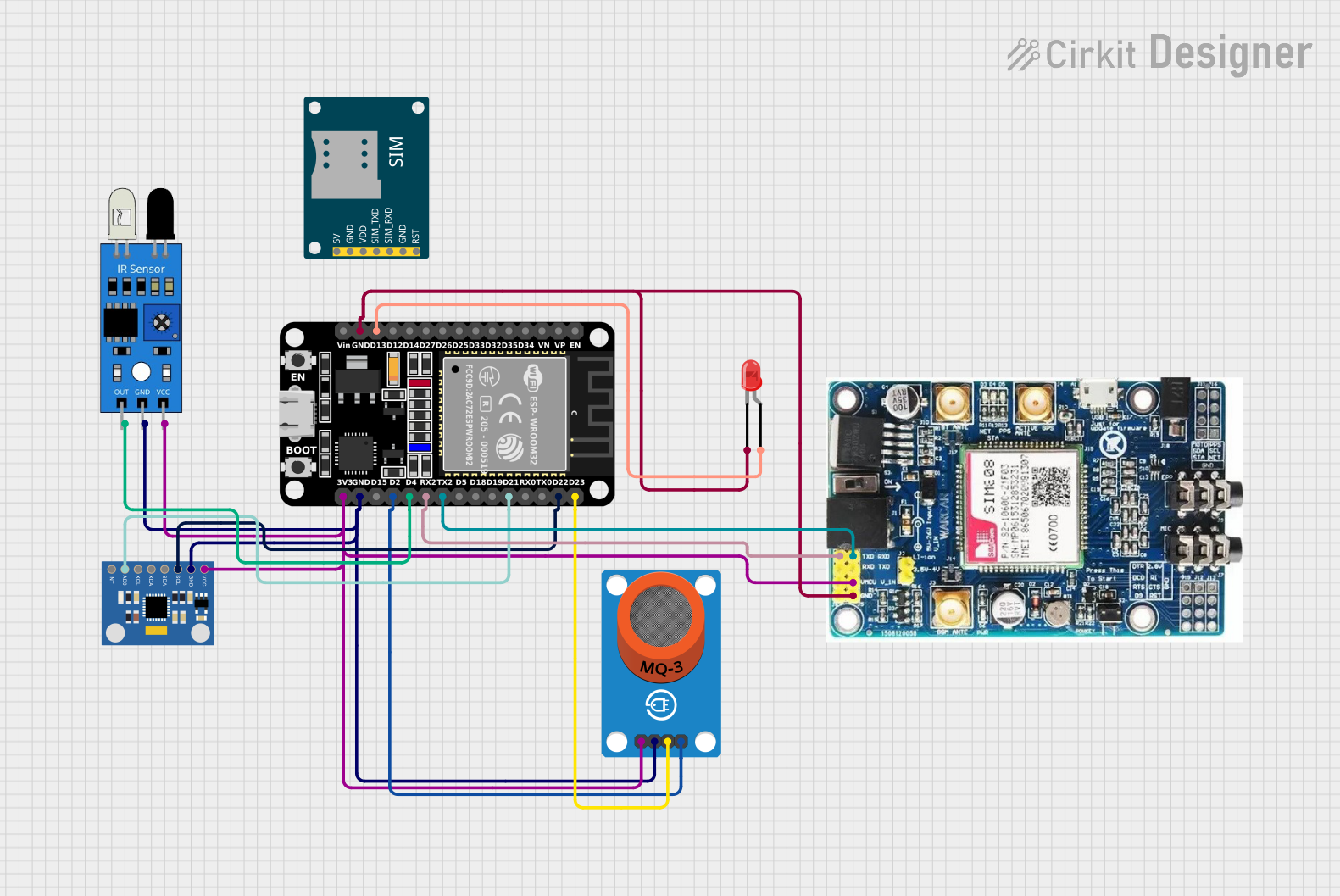 Open Project in Cirkit Designer
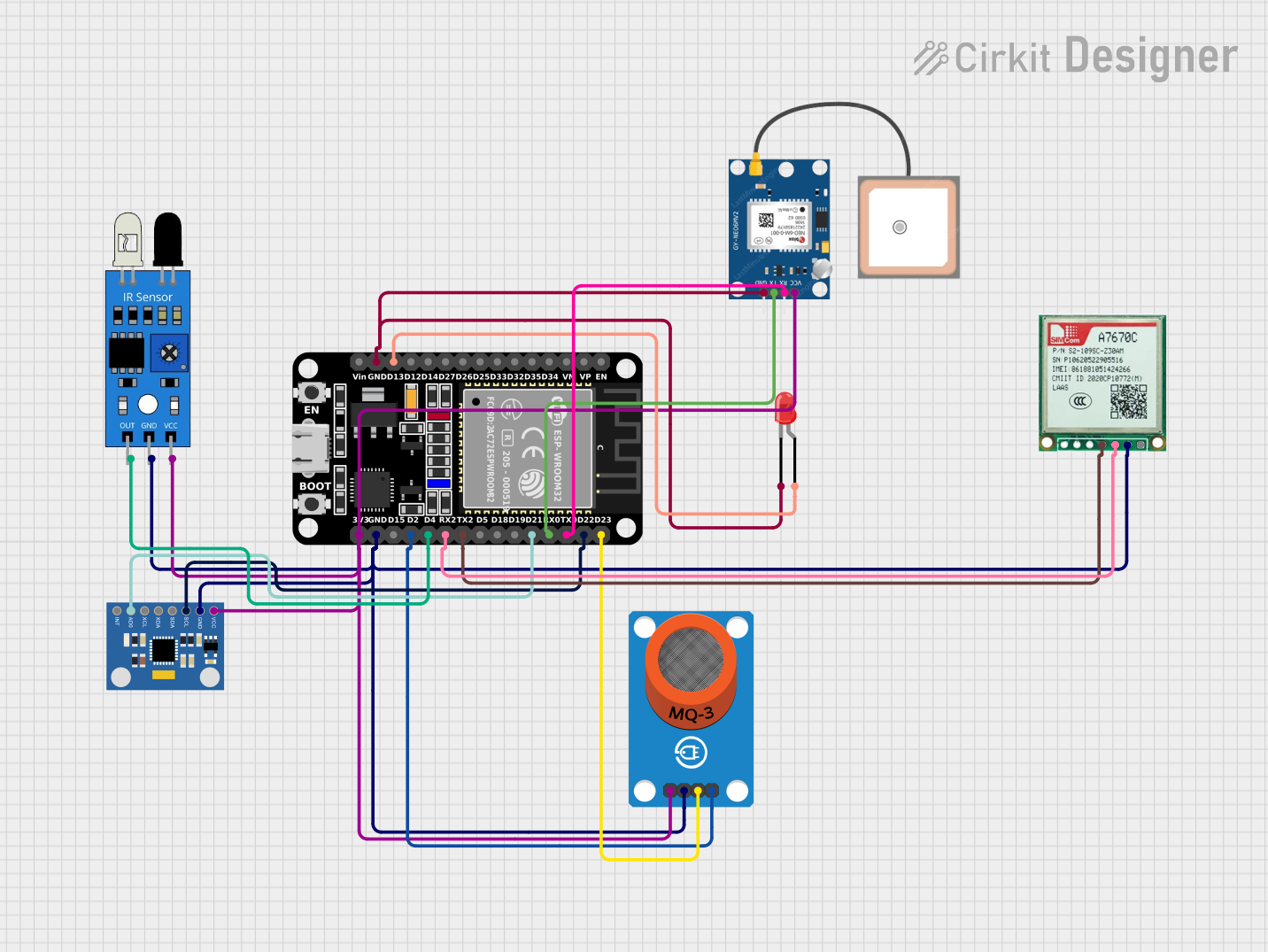 Open Project in Cirkit Designer
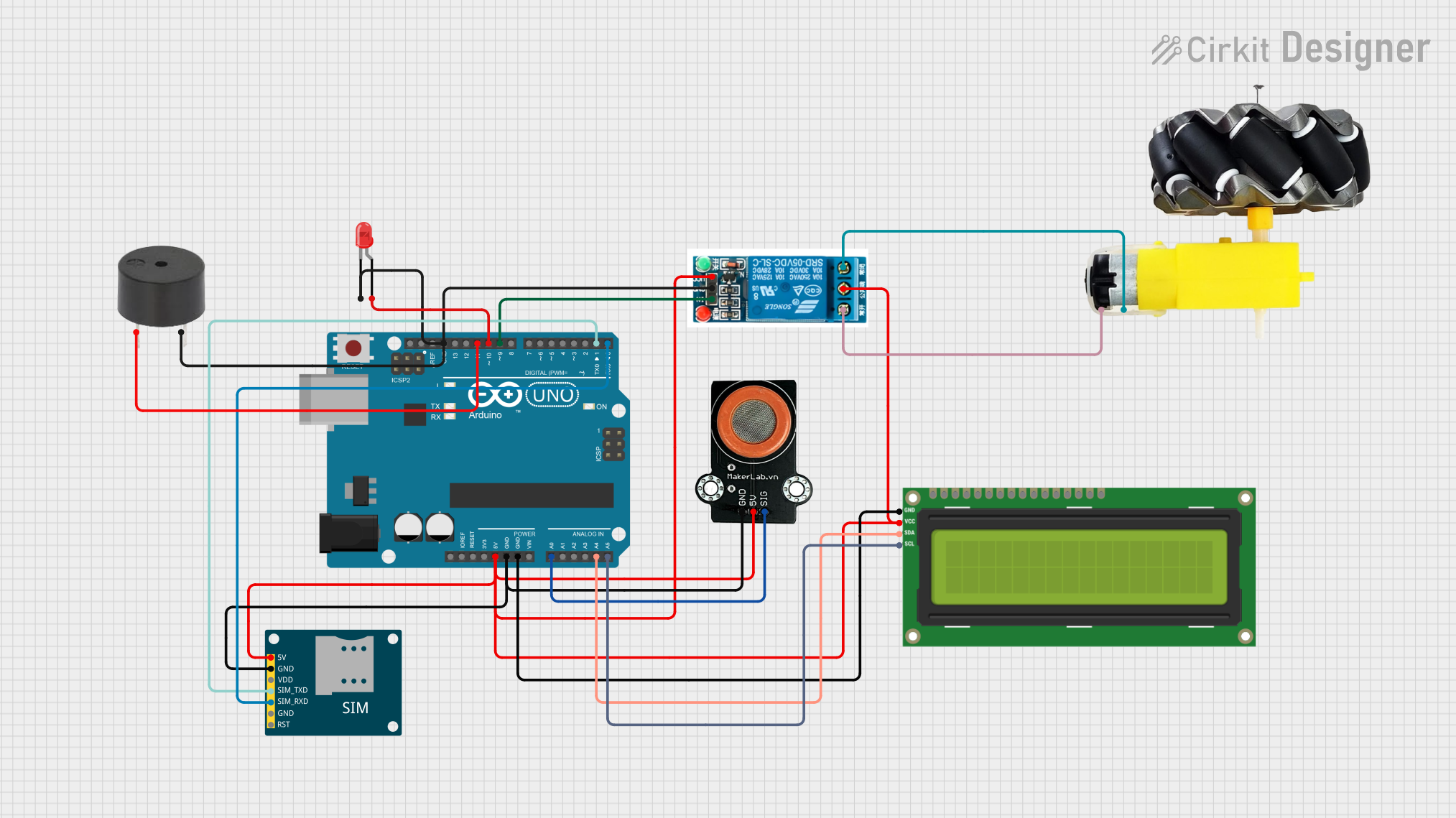 Open Project in Cirkit Designer
Explore Projects Built with EtOH
Open Project in Cirkit DesignerOpen Project in Cirkit DesignerOpen Project in Cirkit DesignerOpen Project in Cirkit DesignerCommon Applications and Use Cases
- Solvent in chemical and pharmaceutical industries
- Ingredient in alcoholic beverages
- Fuel additive to improve combustion efficiency
- Disinfectant and antiseptic in medical applications
- Laboratory reagent for chemical synthesis and analysis
- Industrial feedstock for producing other chemicals
Technical Specifications
Ethanol is a chemical compound with the molecular formula C₂H₆O. Below are its key technical details:
| Property | Value |
|---|---|
| Molecular Formula | C₂H₆O |
| Molecular Weight | 46.07 g/mol |
| Boiling Point | 78.37°C (173.07°F) |
| Melting Point | -114.1°C (-173.4°F) |
| Density | 0.789 g/cm³ at 20°C |
| Flash Point | 13°C (55.4°F) (closed cup) |
| Autoignition Temperature | 363°C (685°F) |
| Solubility in Water | Completely miscible |
| Vapor Pressure | 5.95 kPa at 20°C |
| Electrical Conductivity | Non-conductive |
Pin Configuration and Descriptions
Ethanol is not an electronic component with pins, but it is often used in conjunction with ethanol sensors in electronic circuits. Below is an example of a common ethanol sensor, the MQ-3 gas sensor, which detects ethanol vapor concentrations.
| Pin | Name | Description |
|---|---|---|
| 1 | VCC | Power supply input (typically 5V) |
| 2 | GND | Ground connection |
| 3 | AOUT | Analog output signal proportional to ethanol concentration |
| 4 | DOUT | Digital output signal (high/low) based on a preset ethanol concentration level |
Usage Instructions
Ethanol is often used in conjunction with ethanol sensors like the MQ-3 to detect and measure ethanol vapor concentrations. Below are instructions for using an ethanol sensor in a circuit:
Connecting the MQ-3 Sensor to an Arduino UNO
- Power the Sensor: Connect the VCC pin of the MQ-3 sensor to the 5V pin on the Arduino UNO and the GND pin to the Arduino's GND.
- Read Analog Output: Connect the AOUT pin of the sensor to an analog input pin on the Arduino (e.g., A0).
- Optional Digital Output: If using the DOUT pin, connect it to a digital input pin on the Arduino (e.g., D2). Adjust the onboard potentiometer to set the threshold for the digital output.
Sample Arduino Code
// MQ-3 Ethanol Sensor Example Code
// This code reads the analog output of the MQ-3 sensor and prints the ethanol
// concentration to the Serial Monitor. Adjust the analogRead value mapping
// based on your specific sensor calibration.

const int sensorPin = A0; // Analog pin connected to AOUT of MQ-3 sensor

void setup() {
  Serial.begin(9600); // Initialize serial communication at 9600 baud
  Serial.println("MQ-3 Ethanol Sensor Test");
}

void loop() {
  int sensorValue = analogRead(sensorPin); // Read analog value from sensor
  float voltage = sensorValue * (5.0 / 1023.0); // Convert to voltage
  Serial.print("Sensor Value: ");
  Serial.print(sensorValue);
  Serial.print(" | Voltage: ");
  Serial.print(voltage);
  Serial.println(" V");

  // Add your calibration formula here to convert voltage to ethanol concentration
  delay(1000); // Wait 1 second before next reading
}
Important Considerations and Best Practices
- Calibration: Ethanol sensors require calibration to provide accurate readings. Use known ethanol concentrations to create a calibration curve.
- Preheating: Allow the sensor to preheat for 24-48 hours before initial use to stabilize its readings.
- Ventilation: Ensure proper ventilation when working with ethanol to avoid inhaling vapors.
- Safety: Ethanol is flammable. Keep it away from open flames or high-temperature surfaces.
Troubleshooting and FAQs
Common Issues
Inaccurate Readings:
- Cause: Sensor not calibrated or insufficient preheating time.
- Solution: Calibrate the sensor using known ethanol concentrations and allow adequate preheating.
No Output Signal:
- Cause: Incorrect wiring or insufficient power supply.
- Solution: Double-check all connections and ensure the sensor is receiving 5V power.
Fluctuating Readings:
- Cause: Environmental factors such as temperature or humidity changes.
- Solution: Use the sensor in a controlled environment and account for environmental factors in your calibration.
FAQs
Q: Can the MQ-3 sensor detect ethanol in liquid form?
A: No, the MQ-3 sensor detects ethanol vapor, not liquid ethanol. To measure liquid ethanol, you would need a different type of sensor or analytical method.
Q: How do I clean the sensor?
A: Avoid cleaning the sensor with liquids. If necessary, gently blow air over the sensor to remove dust or debris.
Q: Can I use the sensor with a 3.3V microcontroller?
A: The MQ-3 sensor is designed for 5V operation. If using a 3.3V microcontroller, you may need a level shifter or a separate 5V power supply for the sensor.
By following this documentation, you can effectively use ethanol and ethanol sensors in your projects while ensuring safety and accuracy.