
How to Use Inductors: Examples, Pinouts, and Specs
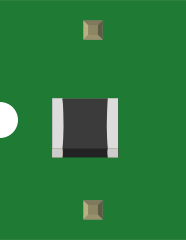
 Design with Inductors in Cirkit Designer
Introduction
Inductors are passive electrical components that store energy in a magnetic field when electric current flows through them. They are typically made of a coil of wire wound around a core, which can be air, ferrite, or another magnetic material. Inductors are widely used in electronic circuits for their ability to resist changes in current and to filter or store energy.
Explore Projects Built with Inductors
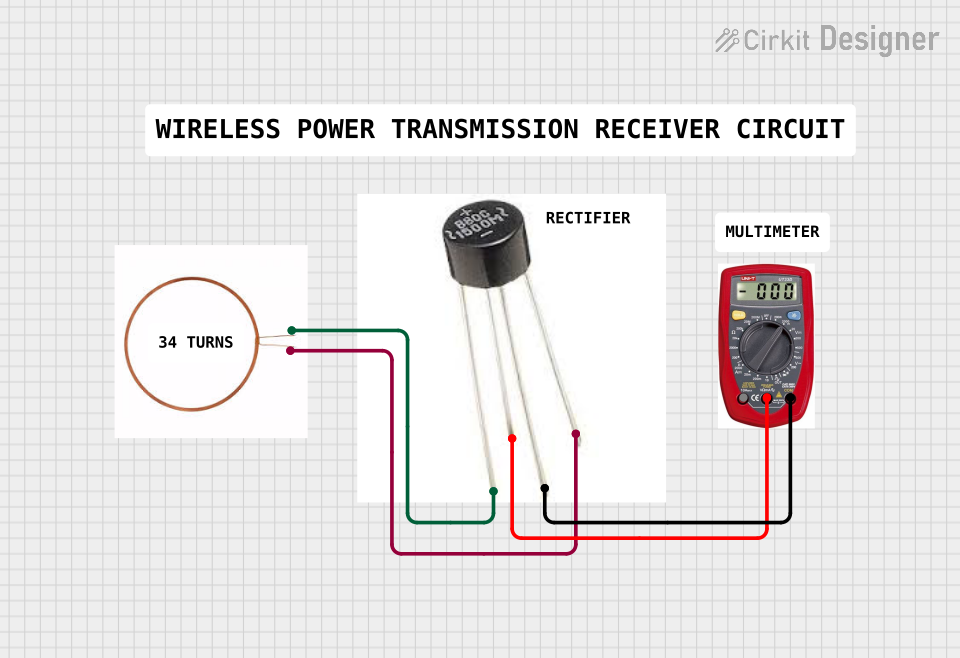 Open Project in Cirkit Designer
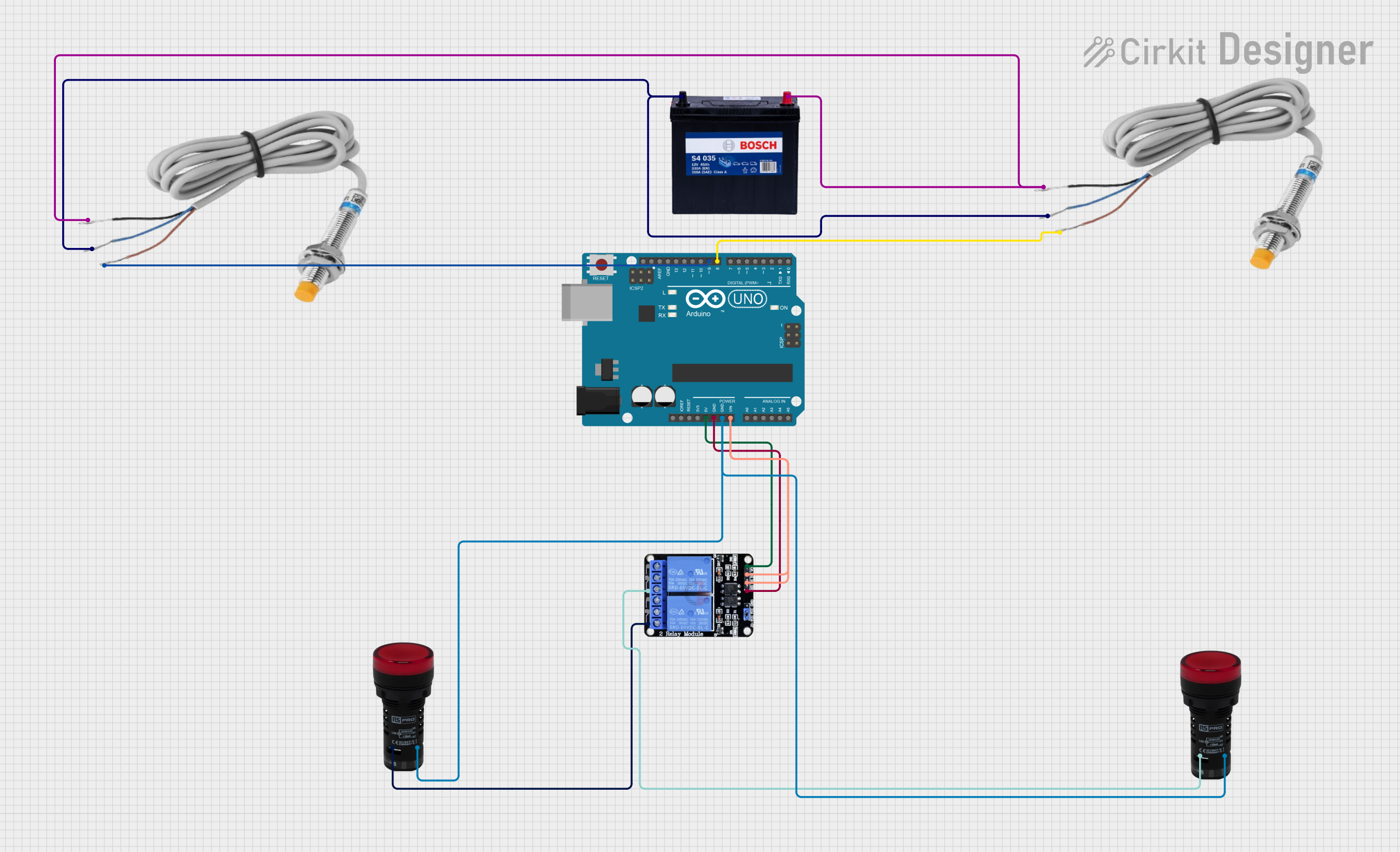 Open Project in Cirkit Designer
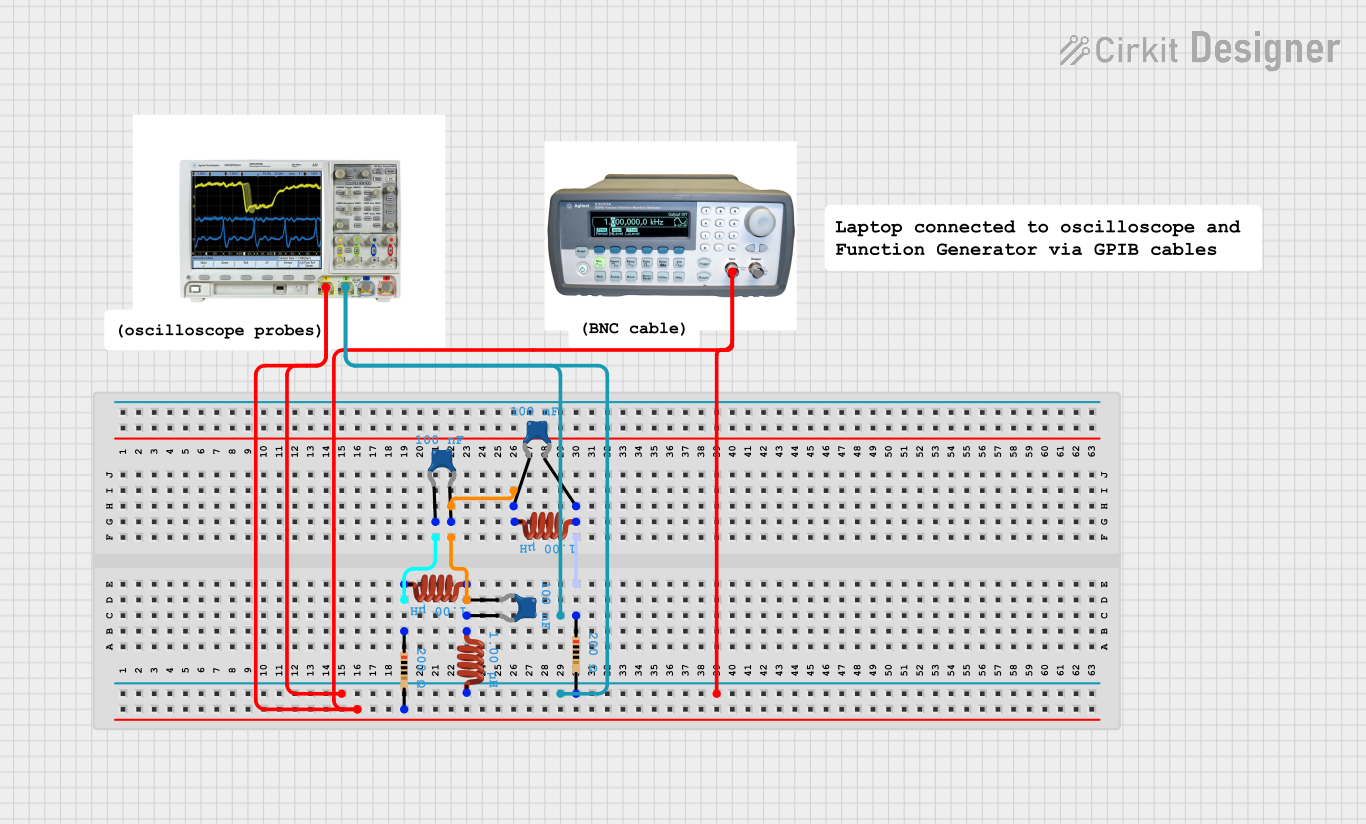 Open Project in Cirkit Designer
 Open Project in Cirkit Designer
Explore Projects Built with Inductors
Open Project in Cirkit DesignerOpen Project in Cirkit DesignerOpen Project in Cirkit DesignerOpen Project in Cirkit DesignerCommon Applications and Use Cases
- Filtering: Used in power supplies and audio circuits to filter out unwanted noise or ripple.
- Energy Storage: Found in DC-DC converters and other power electronics to store energy temporarily.
- Tuning Circuits: Used in radio frequency (RF) circuits to select specific frequencies.
- Transformers: Inductors are a key component in transformers for voltage conversion.
- Chokes: Used to block high-frequency AC signals while allowing DC or low-frequency signals to pass.
Technical Specifications
Inductors come in various shapes, sizes, and specifications depending on their intended application. Below are the key technical parameters to consider:
Key Technical Details
- Inductance (L): Measured in henries (H), typically in microhenries (µH) or millihenries (mH).
- Current Rating: Maximum current the inductor can handle without overheating or saturating.
- DC Resistance (DCR): The resistance of the wire used in the coil, measured in ohms (Ω).
- Saturation Current: The current at which the core material saturates, reducing inductance.
- Self-Resonant Frequency (SRF): The frequency at which the inductor's parasitic capacitance resonates with its inductance.
- Core Material: Determines the inductor's performance, such as ferrite, powdered iron, or air core.
Pin Configuration and Descriptions
Inductors typically have two terminals, but their physical configuration can vary. Below is a general description:
| Pin | Description |
|---|---|
| Pin 1 | Input terminal for current flow. |
| Pin 2 | Output terminal for current flow. |
For surface-mount inductors, the pins are often labeled as "A" and "B" or may not have explicit markings. Always refer to the manufacturer's datasheet for specific details.
Usage Instructions
How to Use Inductors in a Circuit
- Determine the Required Inductance: Calculate the inductance value needed for your application using circuit design equations.
- Select an Appropriate Inductor: Choose an inductor with the correct inductance, current rating, and other specifications.
- Connect the Inductor: Place the inductor in series or parallel in the circuit, depending on its function:
- Series: For filtering or energy storage.
- Parallel: For tuning or resonance circuits.
- Observe Polarity (if applicable): While most inductors are non-polarized, some specialized inductors (e.g., coupled inductors) may have polarity markings.
Important Considerations and Best Practices
- Avoid Saturation: Ensure the current through the inductor does not exceed its saturation current.
- Minimize Parasitics: Use inductors with low parasitic capacitance for high-frequency applications.
- Thermal Management: Ensure adequate cooling if the inductor is handling high currents.
- Placement in PCB Design: Keep inductors away from sensitive components to avoid electromagnetic interference (EMI).
Example: Using an Inductor with Arduino UNO
Below is an example of using an inductor in a simple low-pass filter circuit to smooth a PWM signal from an Arduino UNO:
/*
  Example: Low-Pass Filter with Inductor
  This code generates a PWM signal on pin 9 of the Arduino UNO.
  The PWM signal is smoothed using an LC filter (inductor and capacitor).
*/

const int pwmPin = 9; // PWM output pin

void setup() {
  pinMode(pwmPin, OUTPUT); // Set pin 9 as output
}

void loop() {
  analogWrite(pwmPin, 128); // Output 50% duty cycle PWM signal
  delay(1000);              // Wait for 1 second
  analogWrite(pwmPin, 255); // Output 100% duty cycle PWM signal
  delay(1000);              // Wait for 1 second
}
Circuit Description:
- Connect a 100 µH inductor in series with the PWM output pin.
- Place a 10 µF capacitor to ground after the inductor to form an LC filter.
- The LC filter smooths the PWM signal into a steady DC voltage.
Troubleshooting and FAQs
Common Issues
Inductor Overheating:
- Cause: Exceeding the current rating or poor thermal management.
- Solution: Use an inductor with a higher current rating or improve cooling.
Unexpected Noise or EMI:
- Cause: Poor PCB layout or proximity to sensitive components.
- Solution: Place the inductor away from noise-sensitive areas and use shielding if necessary.
Low Inductance Performance:
- Cause: Core saturation or incorrect inductor selection.
- Solution: Verify the current through the inductor and choose a suitable core material.
Circuit Not Functioning as Expected:
- Cause: Incorrect inductance value or poor connections.
- Solution: Double-check the inductor's specifications and ensure proper soldering or connections.
FAQs
Q1: Can I use any inductor for high-frequency applications?
A1: No, you need an inductor with a high self-resonant frequency (SRF) and low parasitic capacitance for high-frequency circuits.
Q2: How do I calculate the required inductance for a filter?
A2: Use the formula for the cutoff frequency of an LC filter:
( f_c = \frac{1}{2\pi\sqrt{L \cdot C}} ), where ( L ) is inductance and ( C ) is capacitance.
Q3: What happens if the inductor saturates?
A3: When an inductor saturates, its inductance decreases significantly, and it may no longer function as intended in the circuit.
Q4: Are inductors polarized?
A4: Most inductors are not polarized, but some specialized types (e.g., coupled inductors) may have polarity markings.
By following this documentation, you can effectively select, use, and troubleshoot inductors in your electronic projects.