
How to Use heater ptc: Examples, Pinouts, and Specs

 Design with heater ptc in Cirkit Designer
Introduction
A PTC (Positive Temperature Coefficient) heater is a type of heating element that increases its resistance as it heats up. This unique property allows the heater to self-regulate its temperature, making it a safe and efficient choice for various heating applications. Unlike traditional heating elements, PTC heaters do not require complex control systems to maintain a consistent temperature, as their resistance naturally limits the current flow when the desired temperature is reached.
Explore Projects Built with heater ptc
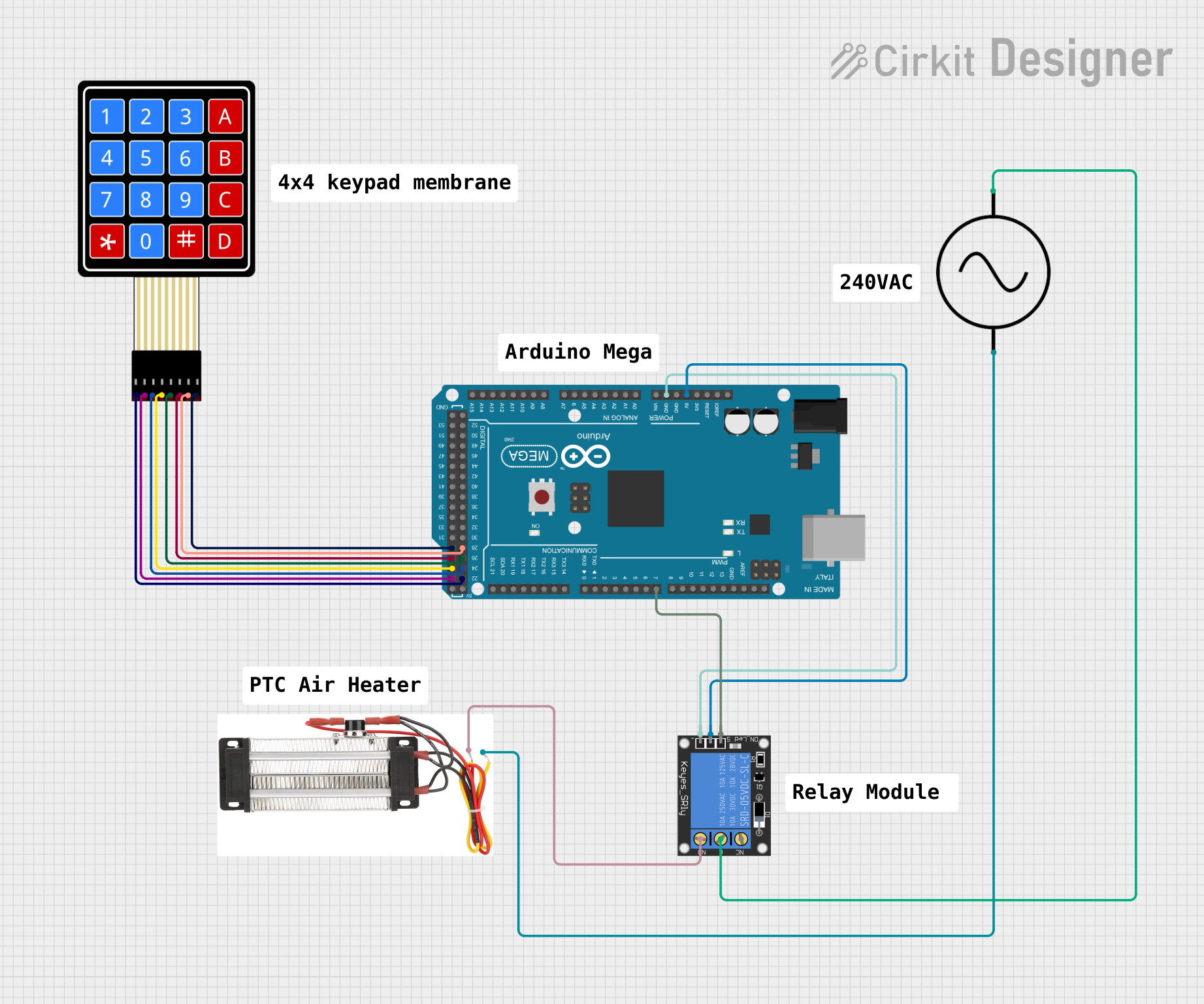 Open Project in Cirkit Designer
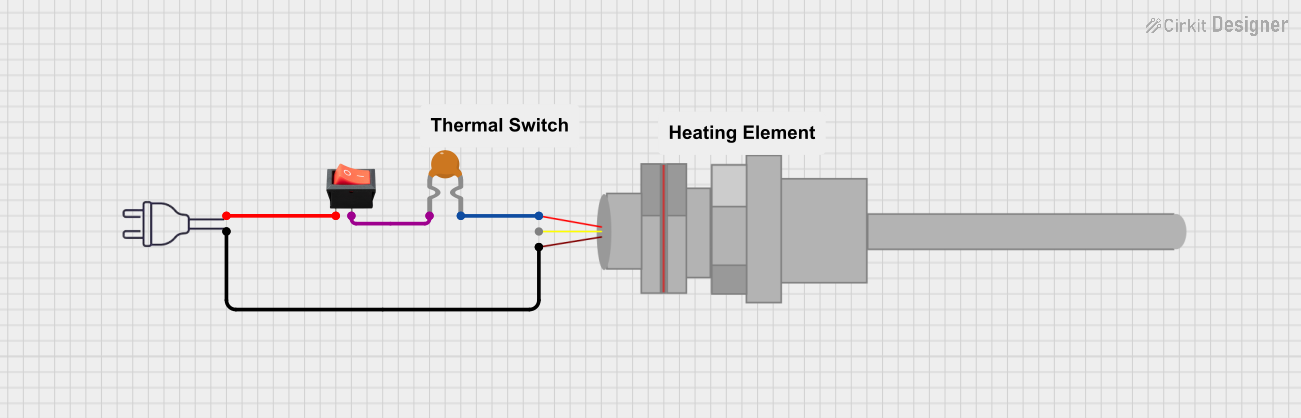 Open Project in Cirkit Designer
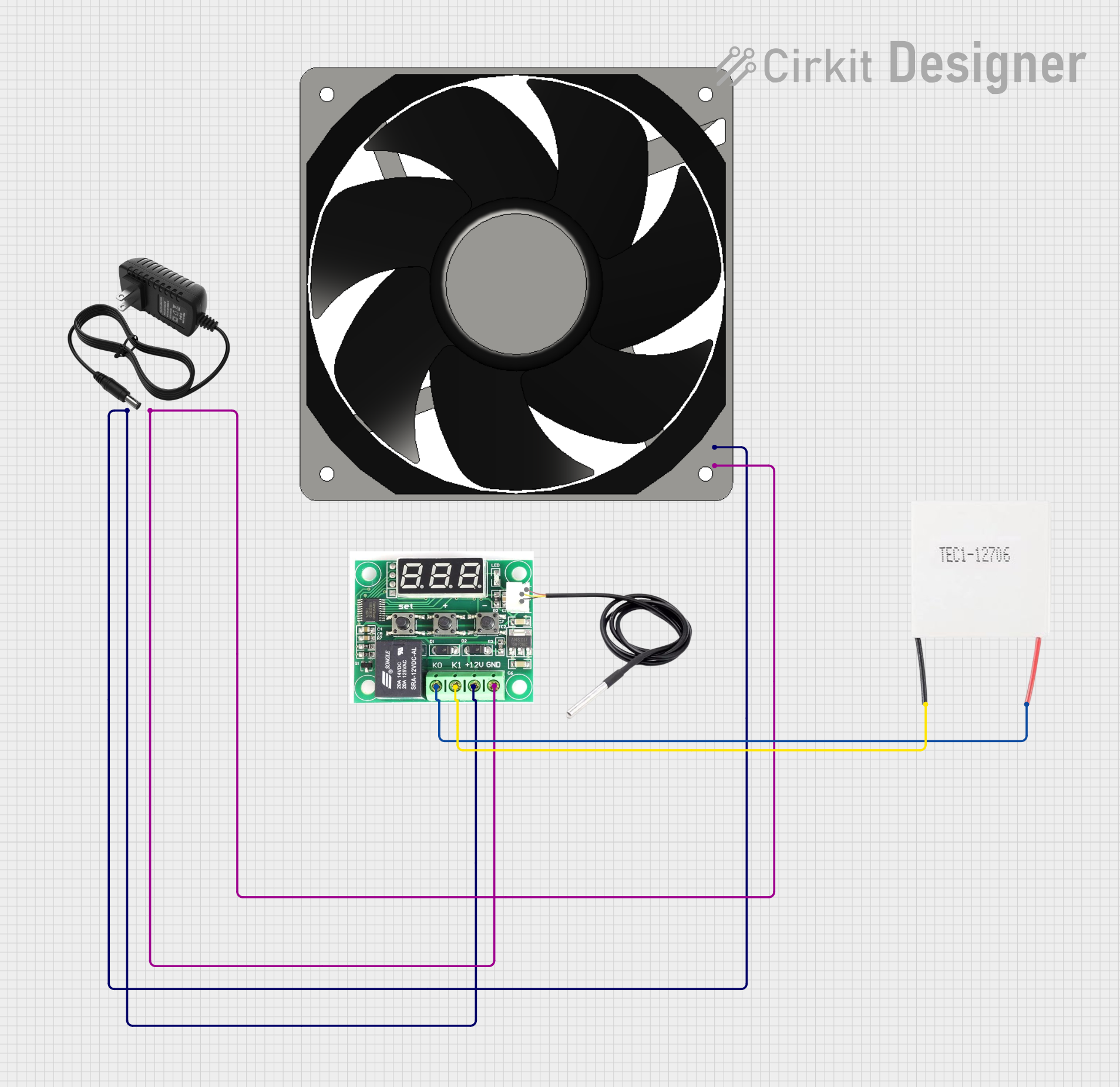 Open Project in Cirkit Designer
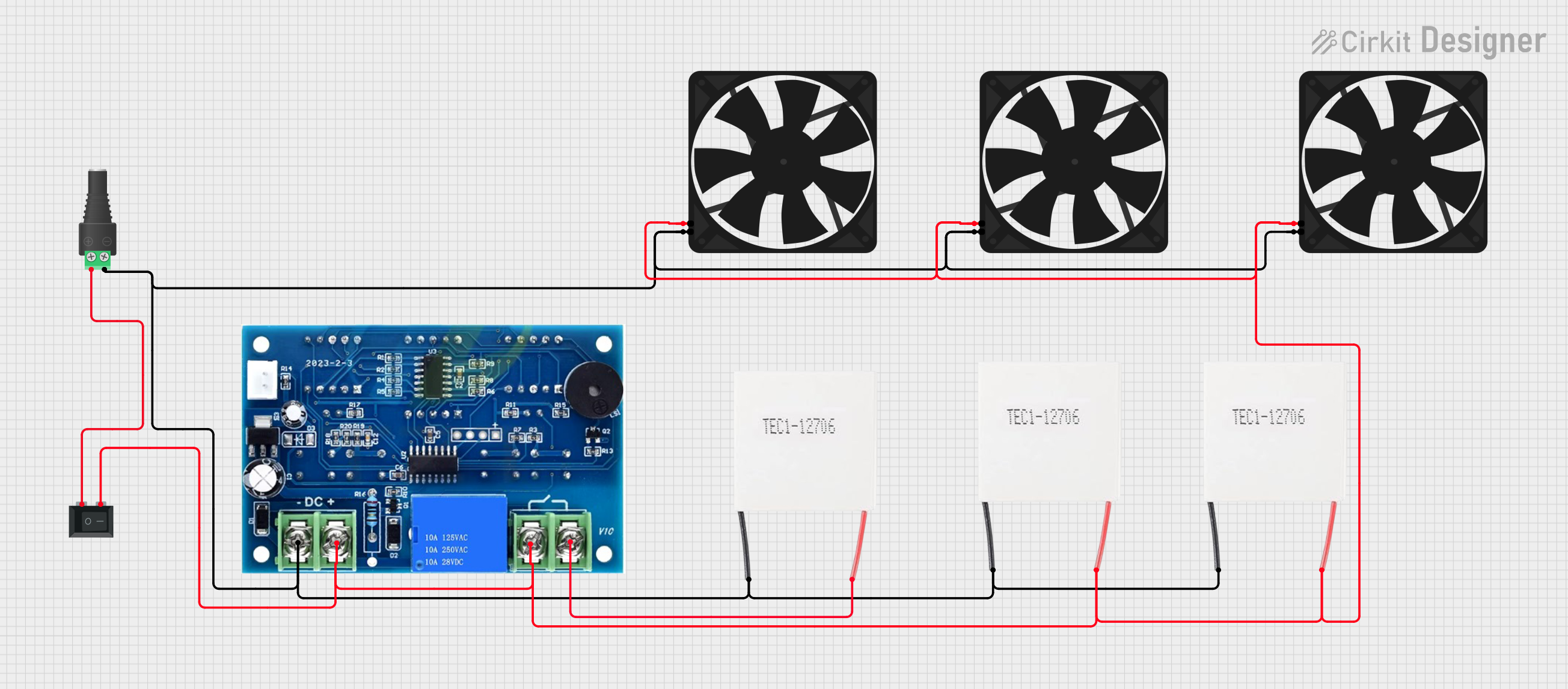 Open Project in Cirkit Designer
Explore Projects Built with heater ptc
Open Project in Cirkit DesignerOpen Project in Cirkit DesignerOpen Project in Cirkit DesignerOpen Project in Cirkit DesignerCommon Applications and Use Cases
- Space heaters and personal heating devices
- Automotive seat warmers and defoggers
- Industrial equipment requiring temperature regulation
- Medical devices for controlled heating
- 3D printers and other electronics requiring localized heating
Technical Specifications
Below are the key technical details for a typical PTC heater. Note that specifications may vary depending on the specific model or manufacturer.
General Specifications
| Parameter | Value |
|---|---|
| Operating Voltage | 12V, 24V, or 110-240V AC/DC |
| Power Rating | 10W to 500W (varies by model) |
| Temperature Range | 60°C to 280°C |
| Resistance Range | 10Ω to 1kΩ (varies with temp) |
| Heating Time | 10-30 seconds (to reach max) |
| Material | Ceramic or polymer-based |
| Safety Features | Self-regulating, overheat protection |
Pin Configuration and Descriptions
PTC heaters typically have two terminals for power input. Below is a table describing the pin configuration:
| Pin Number | Label | Description |
|---|---|---|
| 1 | Positive (+) | Connect to the positive terminal of the power supply. |
| 2 | Negative (-) | Connect to the negative terminal of the power supply. |
Usage Instructions
How to Use the Component in a Circuit
- Power Supply Selection: Choose a power supply that matches the operating voltage of the PTC heater (e.g., 12V or 24V). Ensure the power supply can handle the current draw of the heater.
- Wiring: Connect the positive terminal of the power supply to the positive pin of the PTC heater and the negative terminal to the negative pin.
- Mounting: Secure the PTC heater in place using a heat-resistant adhesive or mounting bracket. Ensure proper ventilation to avoid overheating nearby components.
- Testing: Power on the circuit and measure the temperature of the PTC heater using a thermometer or thermal camera to ensure it is operating within the expected range.
Important Considerations and Best Practices
- Avoid Overvoltage: Supplying a voltage higher than the rated value can damage the PTC heater or cause it to overheat.
- Ventilation: Ensure adequate airflow around the heater to prevent heat buildup in the surrounding area.
- Thermal Insulation: Use thermal insulation materials to direct heat where it is needed and protect other components.
- Current Limiting: If the PTC heater is used in a sensitive circuit, consider adding a current-limiting resistor or fuse for additional protection.
- Arduino Integration: PTC heaters can be controlled using an Arduino and a relay or MOSFET for switching. Below is an example of how to control a 12V PTC heater using an Arduino UNO.
Arduino Example Code
/*
  Example: Controlling a 12V PTC Heater with Arduino UNO
  This code demonstrates how to use a relay module to turn a PTC heater on and off.
  Ensure the relay module is rated for the heater's voltage and current.
*/

const int relayPin = 7; // Pin connected to the relay module

void setup() {
  pinMode(relayPin, OUTPUT); // Set relay pin as output
  digitalWrite(relayPin, LOW); // Ensure relay is off at startup
}

void loop() {
  digitalWrite(relayPin, HIGH); // Turn on the PTC heater
  delay(5000); // Keep the heater on for 5 seconds
  digitalWrite(relayPin, LOW); // Turn off the PTC heater
  delay(5000); // Keep the heater off for 5 seconds
}
Troubleshooting and FAQs
Common Issues Users Might Face
PTC Heater Not Heating:
- Cause: Incorrect wiring or insufficient power supply.
- Solution: Verify the wiring and ensure the power supply matches the heater's voltage and current requirements.
Overheating or Burning Smell:
- Cause: Overvoltage or poor ventilation.
- Solution: Check the input voltage and ensure proper airflow around the heater.
Inconsistent Heating:
- Cause: Faulty PTC heater or unstable power supply.
- Solution: Replace the PTC heater or use a regulated power supply.
Arduino Not Controlling the Heater:
- Cause: Incorrect relay wiring or code issues.
- Solution: Double-check the relay connections and ensure the Arduino code is uploaded correctly.
Solutions and Tips for Troubleshooting
- Use a multimeter to measure the voltage and current at the PTC heater terminals.
- Inspect the heater for physical damage, such as cracks or discoloration.
- Test the heater in a standalone setup to isolate it from other circuit components.
- If using an Arduino, verify that the relay module is functioning by testing it with an LED or other load.
By following this documentation, users can safely and effectively integrate a PTC heater into their projects.