
How to Use ECONOMY MEGA: Examples, Pinouts, and Specs
 Design with ECONOMY MEGA in Cirkit Designer
Introduction
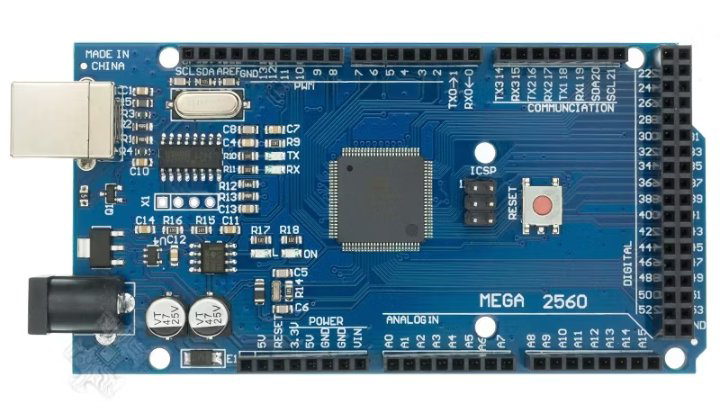
The ECONOMY MEGA, manufactured by Arduino (Part ID: MEGA), is a cost-effective microcontroller board designed for a wide range of DIY electronics projects. It is ideal for hobbyists, students, and professionals who require a versatile and powerful platform for prototyping and development. The ECONOMY MEGA offers multiple I/O pins, built-in connectivity options, and seamless compatibility with popular programming environments like the Arduino IDE.
Explore Projects Built with ECONOMY MEGA
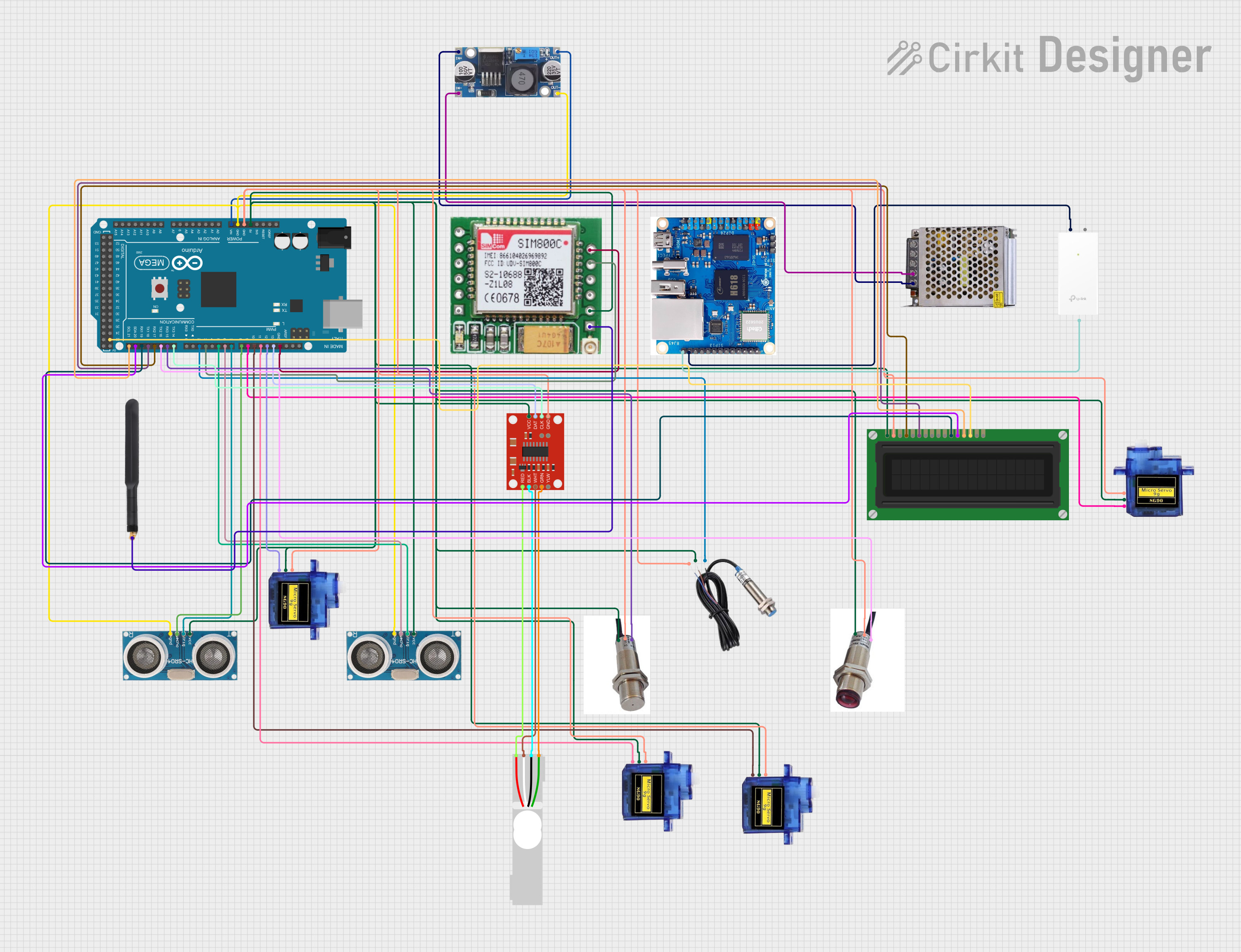 Open Project in Cirkit Designer
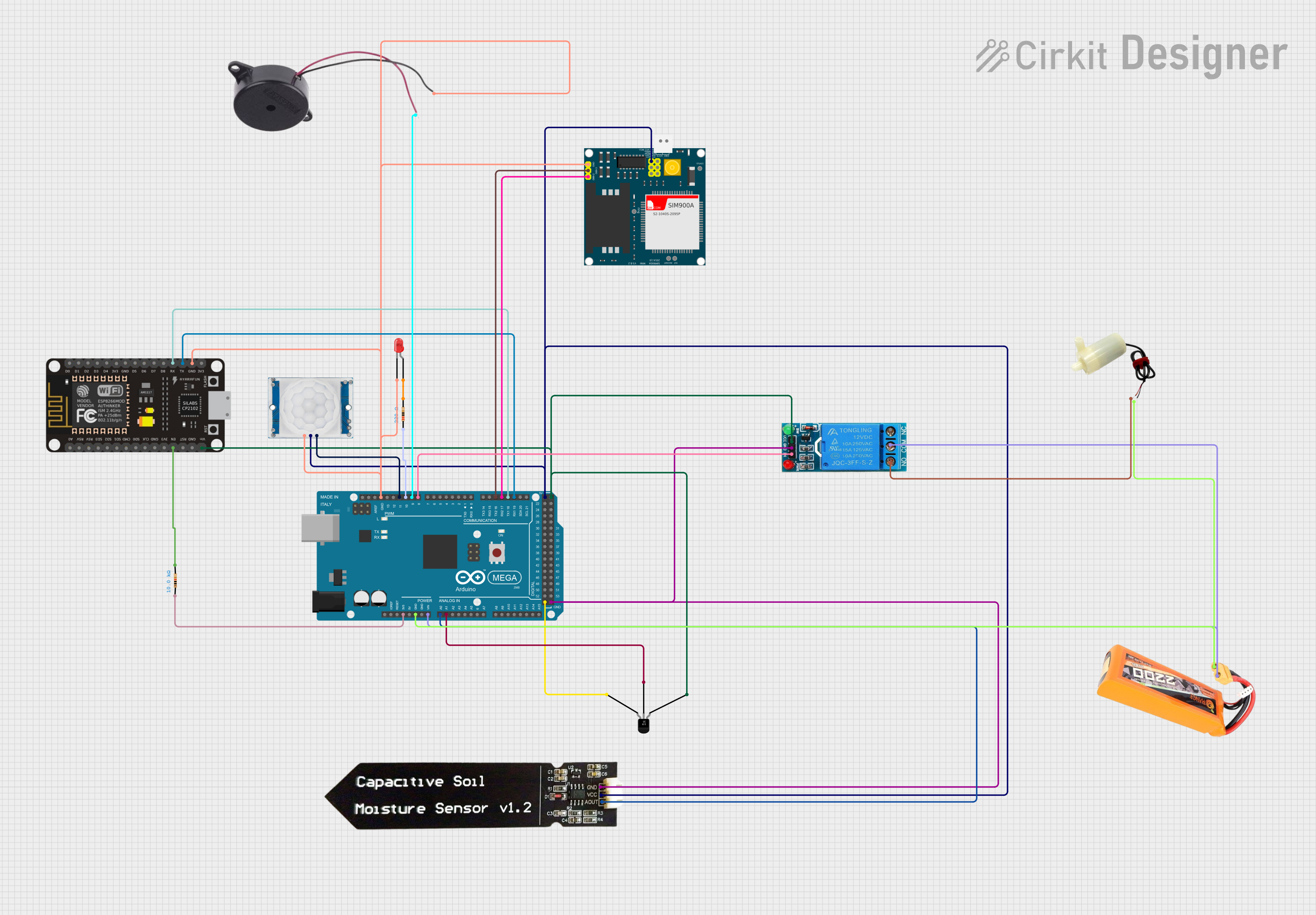 Open Project in Cirkit Designer
 Open Project in Cirkit Designer
 Open Project in Cirkit Designer
Explore Projects Built with ECONOMY MEGA
Open Project in Cirkit DesignerOpen Project in Cirkit DesignerOpen Project in Cirkit DesignerOpen Project in Cirkit DesignerCommon Applications and Use Cases
- Robotics and automation projects
- IoT (Internet of Things) devices
- Home automation systems
- Data logging and sensor interfacing
- Educational tools for learning microcontroller programming
- Prototyping for embedded systems
Technical Specifications
The ECONOMY MEGA is equipped with robust hardware features to support a variety of applications. Below are the key technical details:
General Specifications
| Parameter | Value |
|---|---|
| Microcontroller | ATmega2560 |
| Operating Voltage | 5V |
| Input Voltage (recommended) | 7-12V |
| Input Voltage (limit) | 6-20V |
| Digital I/O Pins | 54 (15 PWM outputs) |
| Analog Input Pins | 16 |
| DC Current per I/O Pin | 20 mA |
| Flash Memory | 256 KB (8 KB used by bootloader) |
| SRAM | 8 KB |
| EEPROM | 4 KB |
| Clock Speed | 16 MHz |
| USB Connectivity | Yes (Type-B connector) |
Pin Configuration and Descriptions
The ECONOMY MEGA features a comprehensive pinout to support various peripherals and sensors. Below is a summary of the pin configuration:
Digital Pins
| Pin Number | Functionality | Description |
|---|---|---|
| 0-1 | RX/TX | Serial communication (UART) |
| 2-13 | Digital I/O | General-purpose digital input/output |
| 3, 5, 6, 9, 10, 11 | PWM Output | Pulse Width Modulation for motor control, LEDs, etc. |
| 20-21 | SDA/SCL | I2C communication |
Analog Pins
| Pin Number | Functionality | Description |
|---|---|---|
| A0-A15 | Analog Input | Read analog signals (0-5V range) |
Power Pins
| Pin Name | Functionality | Description |
|---|---|---|
| VIN | Input Voltage | External power supply input (7-12V) |
| 5V | Regulated 5V output | Powers external components |
| 3.3V | Regulated 3.3V output | Powers low-voltage components |
| GND | Ground | Common ground for the circuit |
Usage Instructions
The ECONOMY MEGA is easy to use and highly versatile. Follow the steps below to get started:
Step 1: Powering the Board
- Connect the ECONOMY MEGA to your computer using a USB Type-B cable for programming and power.
- Alternatively, use an external power supply (7-12V) via the VIN pin or DC barrel jack.
Step 2: Programming the Board
- Download and install the Arduino IDE from the official Arduino website.
- Open the Arduino IDE and select Tools > Board > Arduino Mega or Mega 2560.
- Select the appropriate COM port under Tools > Port.
- Write or load your program (sketch) in the IDE and click the Upload button to transfer it to the board.
Step 3: Connecting Components
- Use the digital and analog pins to connect sensors, actuators, and other peripherals.
- Ensure that the total current drawn by connected components does not exceed the board's limits (20 mA per pin).
Example: Blinking an LED
The following example demonstrates how to blink an LED connected to pin 13 of the ECONOMY MEGA.
// This sketch blinks an LED connected to pin 13 of the ECONOMY MEGA.
// The LED will turn on for 1 second, then off for 1 second, repeatedly.

void setup() {
  pinMode(13, OUTPUT); // Set pin 13 as an output pin
}

void loop() {
  digitalWrite(13, HIGH); // Turn the LED on
  delay(1000);            // Wait for 1 second
  digitalWrite(13, LOW);  // Turn the LED off
  delay(1000);            // Wait for 1 second
}
Best Practices
- Use appropriate resistors when connecting LEDs to prevent damage to the board.
- Avoid exceeding the maximum current rating of the pins to ensure reliable operation.
- Use decoupling capacitors for noise-sensitive applications.
Troubleshooting and FAQs
Common Issues and Solutions
The board is not detected by the computer.
- Ensure the USB cable is properly connected and functional.
- Install the necessary drivers for the ECONOMY MEGA (available on the Arduino website).
- Check if the correct COM port is selected in the Arduino IDE.
The program does not upload to the board.
- Verify that the correct board and port are selected in the Arduino IDE.
- Press the reset button on the board before uploading the program.
- Ensure no other software is using the same COM port.
Connected components are not functioning as expected.
- Double-check the wiring and connections.
- Ensure the components are compatible with the ECONOMY MEGA's voltage and current ratings.
- Test the components individually to rule out hardware issues.
FAQs
Q: Can I power the ECONOMY MEGA with a battery?
A: Yes, you can use a 9V battery or any power source within the 7-12V range connected to the VIN pin or DC barrel jack.
Q: Is the ECONOMY MEGA compatible with Arduino shields?
A: Yes, the ECONOMY MEGA is compatible with most Arduino shields designed for the Mega 2560.
Q: How do I reset the board?
A: Press the reset button located near the USB connector to restart the board.
By following this documentation, you can effectively utilize the ECONOMY MEGA for your electronics projects.