
How to Use POWER SUPPLY 12V: Examples, Pinouts, and Specs
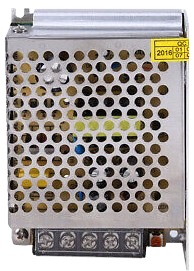
 Design with POWER SUPPLY 12V in Cirkit Designer
Introduction
The POWER SUPPLY 12V is a device that converts electrical energy from a source, such as an AC mains outlet or a DC input, into a stable 12V DC output. It is widely used to power electronic circuits, modules, and devices that require a consistent 12V supply. This component is essential in applications ranging from hobbyist projects to industrial systems, ensuring reliable operation of connected devices.
Explore Projects Built with POWER SUPPLY 12V
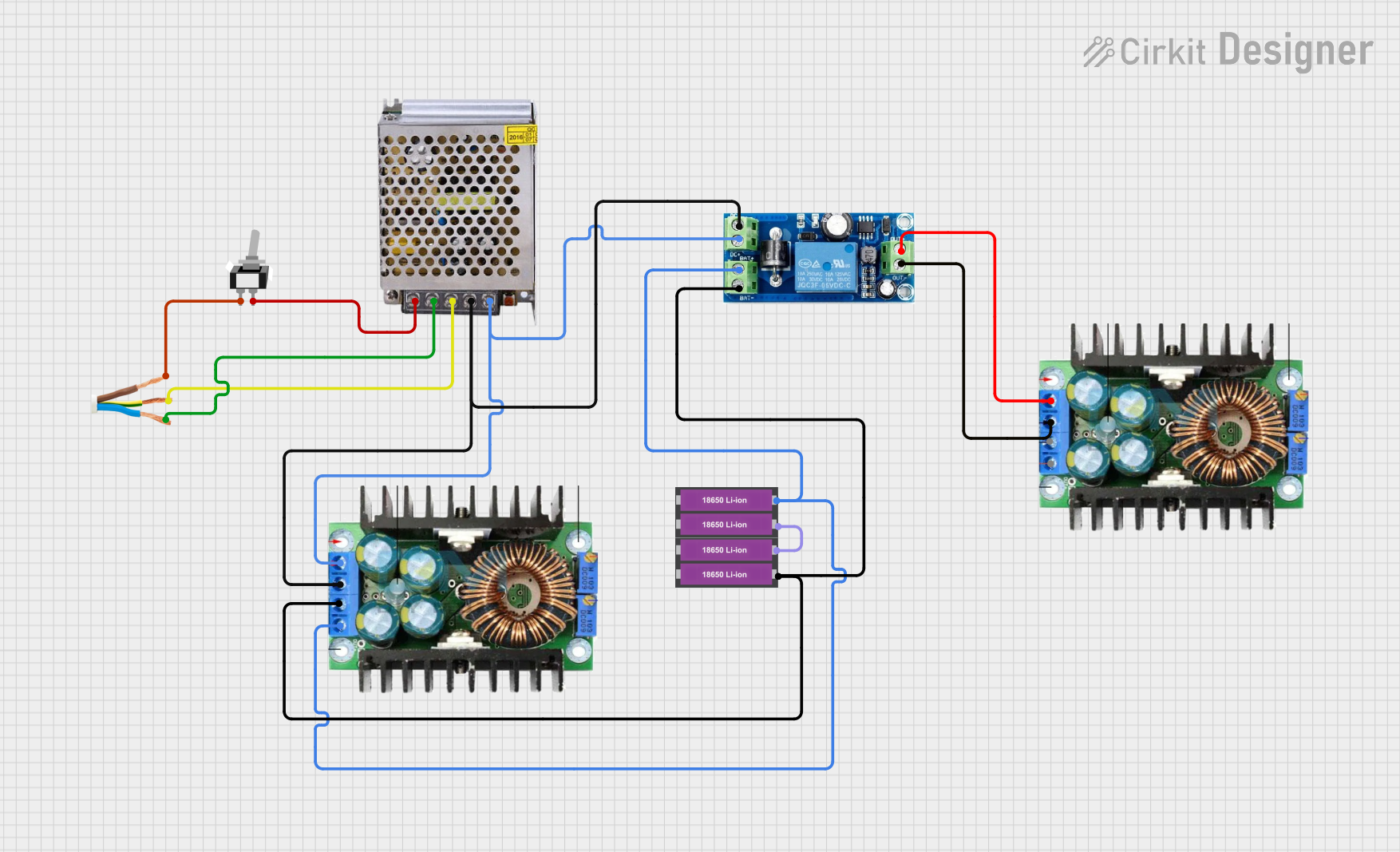 Open Project in Cirkit Designer
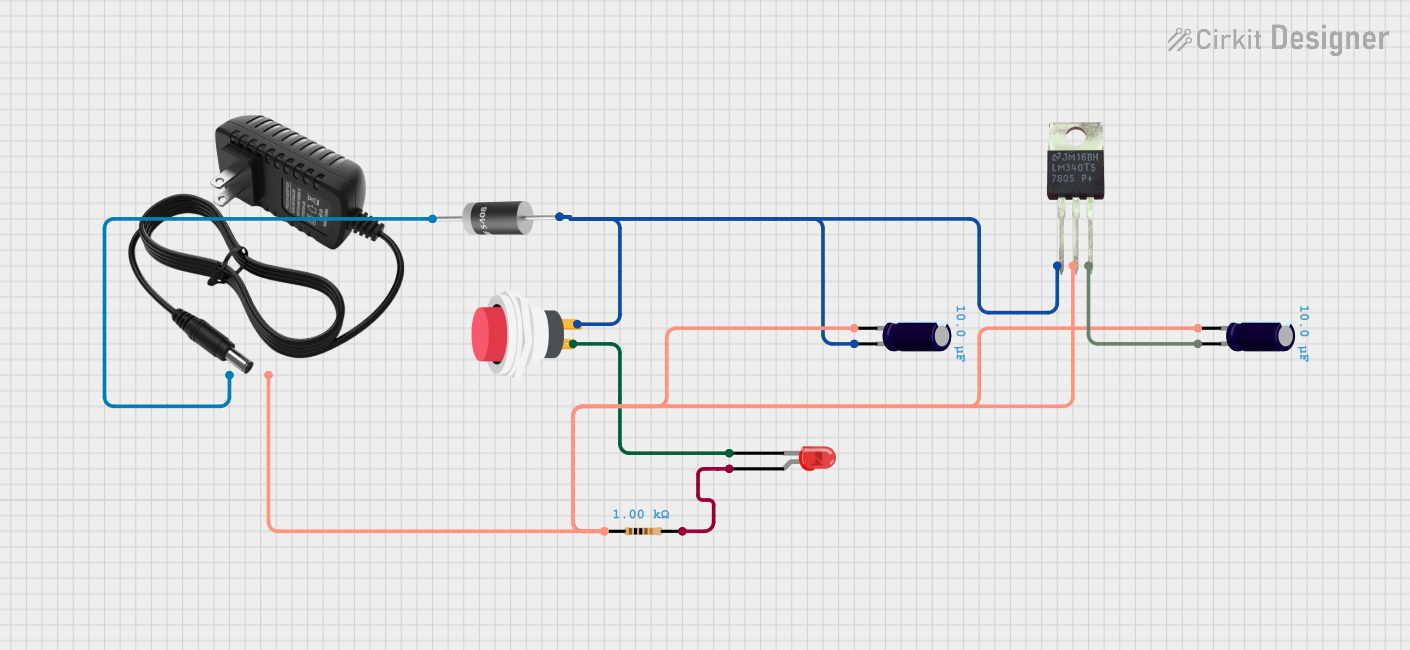 Open Project in Cirkit Designer
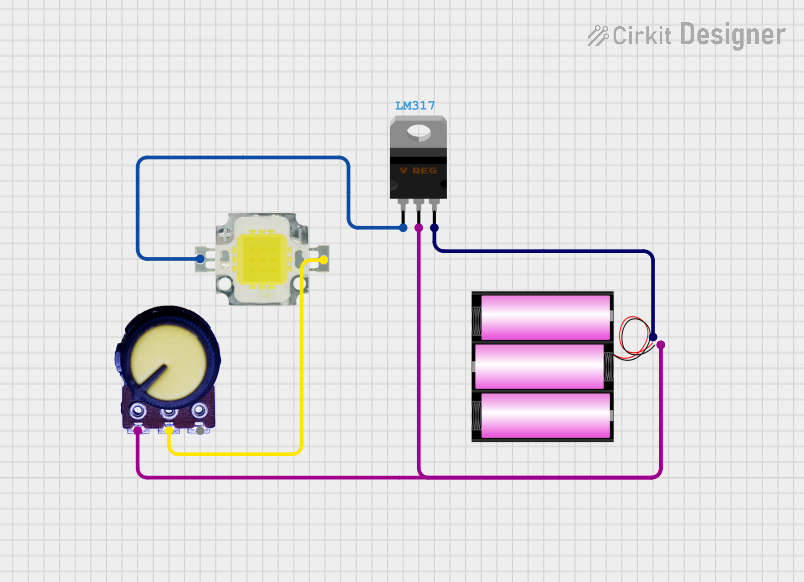 Open Project in Cirkit Designer
 Open Project in Cirkit Designer
Explore Projects Built with POWER SUPPLY 12V
Open Project in Cirkit DesignerOpen Project in Cirkit DesignerOpen Project in Cirkit DesignerOpen Project in Cirkit DesignerCommon Applications and Use Cases
- Powering microcontrollers, sensors, and modules in embedded systems
- Driving DC motors, relays, and solenoids
- Supplying power to LED strips and lighting systems
- Providing stable voltage for audio amplifiers and communication devices
- General-purpose power supply for laboratory and prototyping work
Technical Specifications
The following table outlines the key technical details of the POWER SUPPLY 12V:
| Parameter | Value |
|---|---|
| Input Voltage Range | 100-240V AC (for AC-DC models) |
| 9-18V DC (for DC-DC models) | |
| Output Voltage | 12V DC |
| Output Current | 1A to 10A (varies by model) |
| Output Power | 12W to 120W (varies by model) |
| Efficiency | Up to 90% |
| Ripple and Noise | < 50mV |
| Operating Temperature | -10°C to 50°C |
| Protection Features | Overvoltage, Overcurrent, |
| Short Circuit, Overtemperature |
Pin Configuration and Descriptions
For DC-DC POWER SUPPLY 12V modules, the pin configuration is as follows:
| Pin | Name | Description |
|---|---|---|
| 1 | VIN (+) | Positive input voltage terminal |
| 2 | GND (Input) | Ground terminal for input voltage |
| 3 | VOUT (+) | Positive 12V output voltage terminal |
| 4 | GND (Output) | Ground terminal for output voltage |
For AC-DC POWER SUPPLY 12V modules, the pin configuration is as follows:
| Pin | Name | Description |
|---|---|---|
| 1 | L (Line) | Live AC input terminal |
| 2 | N (Neutral) | Neutral AC input terminal |
| 3 | VOUT (+) | Positive 12V output voltage terminal |
| 4 | GND (Output) | Ground terminal for output voltage |
Usage Instructions
How to Use the POWER SUPPLY 12V in a Circuit
- Determine Input Requirements: Ensure the input voltage matches the specifications of the power supply (e.g., 100-240V AC for AC-DC models or 9-18V DC for DC-DC models).
- Connect Input Terminals:
- For AC-DC models, connect the live (L) and neutral (N) wires to the respective input terminals.
- For DC-DC models, connect the positive and ground wires to the VIN (+) and GND (Input) terminals.
- Connect Output Terminals:
- Attach the positive output terminal (VOUT (+)) to the positive rail of your circuit.
- Connect the ground output terminal (GND (Output)) to the ground rail of your circuit.
- Verify Connections: Double-check all connections to avoid short circuits or reversed polarity.
- Power On: Turn on the power supply and measure the output voltage with a multimeter to confirm it is 12V before connecting sensitive components.
Important Considerations and Best Practices
- Load Capacity: Ensure the total current draw of connected devices does not exceed the maximum output current rating of the power supply.
- Heat Dissipation: Use proper ventilation or heatsinks if the power supply operates at high loads for extended periods.
- Polarity: Always verify the polarity of input and output connections to prevent damage to the power supply or connected devices.
- Protection Features: Take advantage of built-in protection features, but avoid intentionally overloading the power supply.
Example: Using with an Arduino UNO
The POWER SUPPLY 12V can be used to power an Arduino UNO via its barrel jack or VIN pin. Below is an example of connecting the power supply to an Arduino UNO and controlling an LED:
Circuit Connections
- Connect the VOUT (+) terminal of the power supply to the Arduino's barrel jack or VIN pin.
- Connect the GND (Output) terminal of the power supply to the Arduino's GND pin.
- Connect an LED to pin 13 of the Arduino with a 220-ohm resistor in series.
Arduino Code
// Simple LED Blink Example
// This code blinks an LED connected to pin 13 of the Arduino UNO.

void setup() {
  pinMode(13, OUTPUT); // Set pin 13 as an output
}

void loop() {
  digitalWrite(13, HIGH); // Turn the LED on
  delay(1000);            // Wait for 1 second
  digitalWrite(13, LOW);  // Turn the LED off
  delay(1000);            // Wait for 1 second
}
Troubleshooting and FAQs
Common Issues and Solutions
No Output Voltage:
- Cause: Input voltage is not connected or is outside the specified range.
- Solution: Verify the input voltage and connections.
Output Voltage Fluctuates:
- Cause: Load exceeds the maximum current rating or input voltage is unstable.
- Solution: Reduce the load or stabilize the input voltage.
Power Supply Overheats:
- Cause: Insufficient ventilation or prolonged operation at high loads.
- Solution: Improve airflow around the power supply or reduce the load.
Connected Devices Not Working:
- Cause: Incorrect polarity or insufficient current.
- Solution: Check polarity and ensure the power supply can handle the total current draw.
FAQs
Q1: Can I use the POWER SUPPLY 12V to charge a 12V battery?
A1: No, this power supply is not designed for battery charging. Use a dedicated battery charger with appropriate charging profiles.
Q2: Is the POWER SUPPLY 12V waterproof?
A2: Most models are not waterproof. Use them in dry environments or enclosures rated for outdoor use.
Q3: Can I connect multiple devices to the power supply?
A3: Yes, as long as the total current draw does not exceed the maximum output current rating.
Q4: What happens if I reverse the input polarity on a DC-DC model?
A4: Many models include reverse polarity protection, but it is best to avoid this scenario to prevent damage. Always double-check connections.