
How to Use 18650 in case: Examples, Pinouts, and Specs
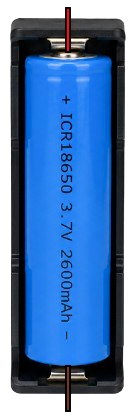
 Design with 18650 in case in Cirkit Designer
Introduction
The 18650 in case is a cylindrical lithium-ion rechargeable battery housed in a protective casing. This component is widely used in portable electronics, electric vehicles, and DIY projects due to its high energy density, long cycle life, and robust design. The protective case enhances safety by preventing physical damage and short circuits, making it ideal for applications requiring reliable and portable power sources.
Explore Projects Built with 18650 in case
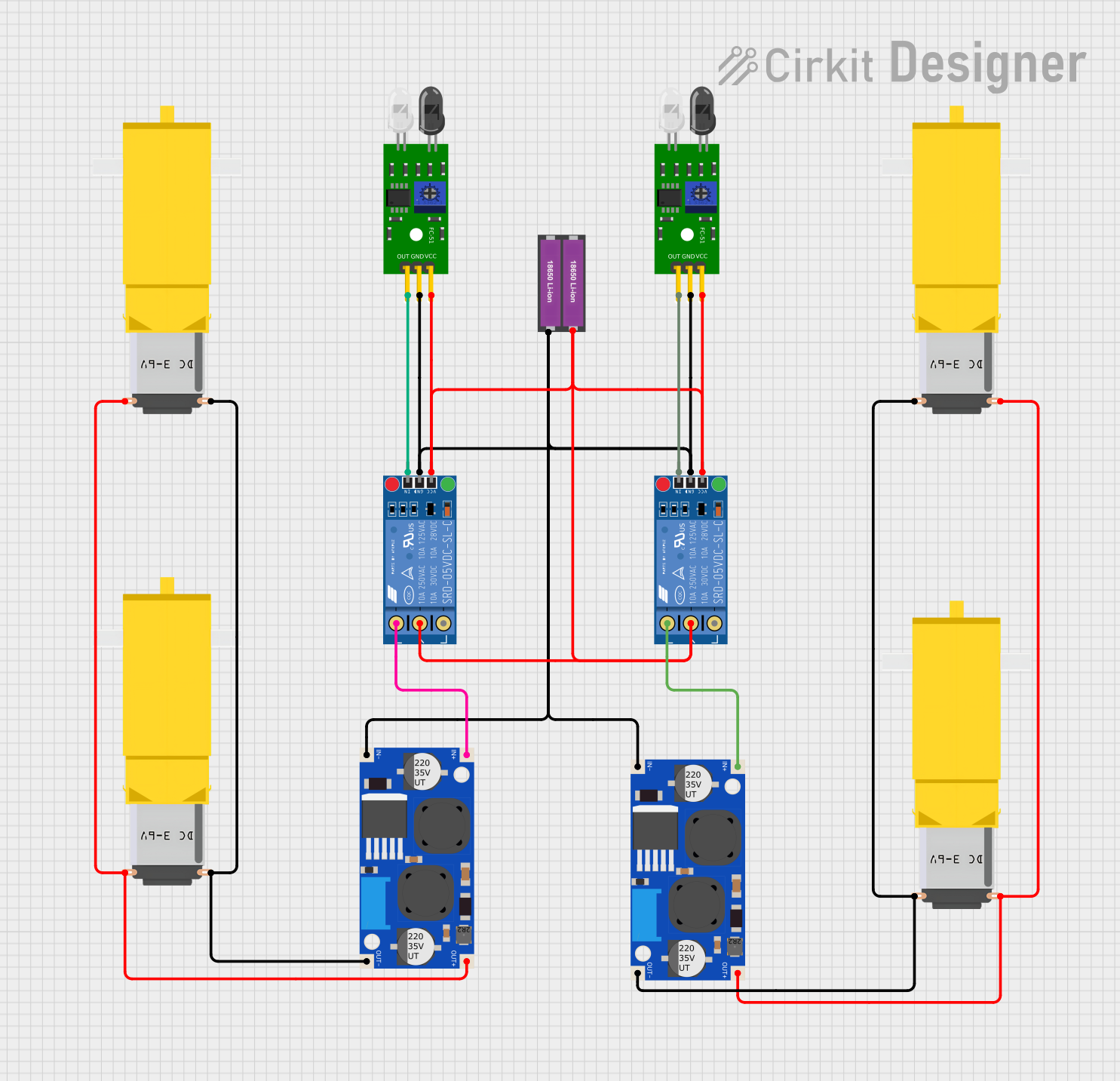 Open Project in Cirkit Designer
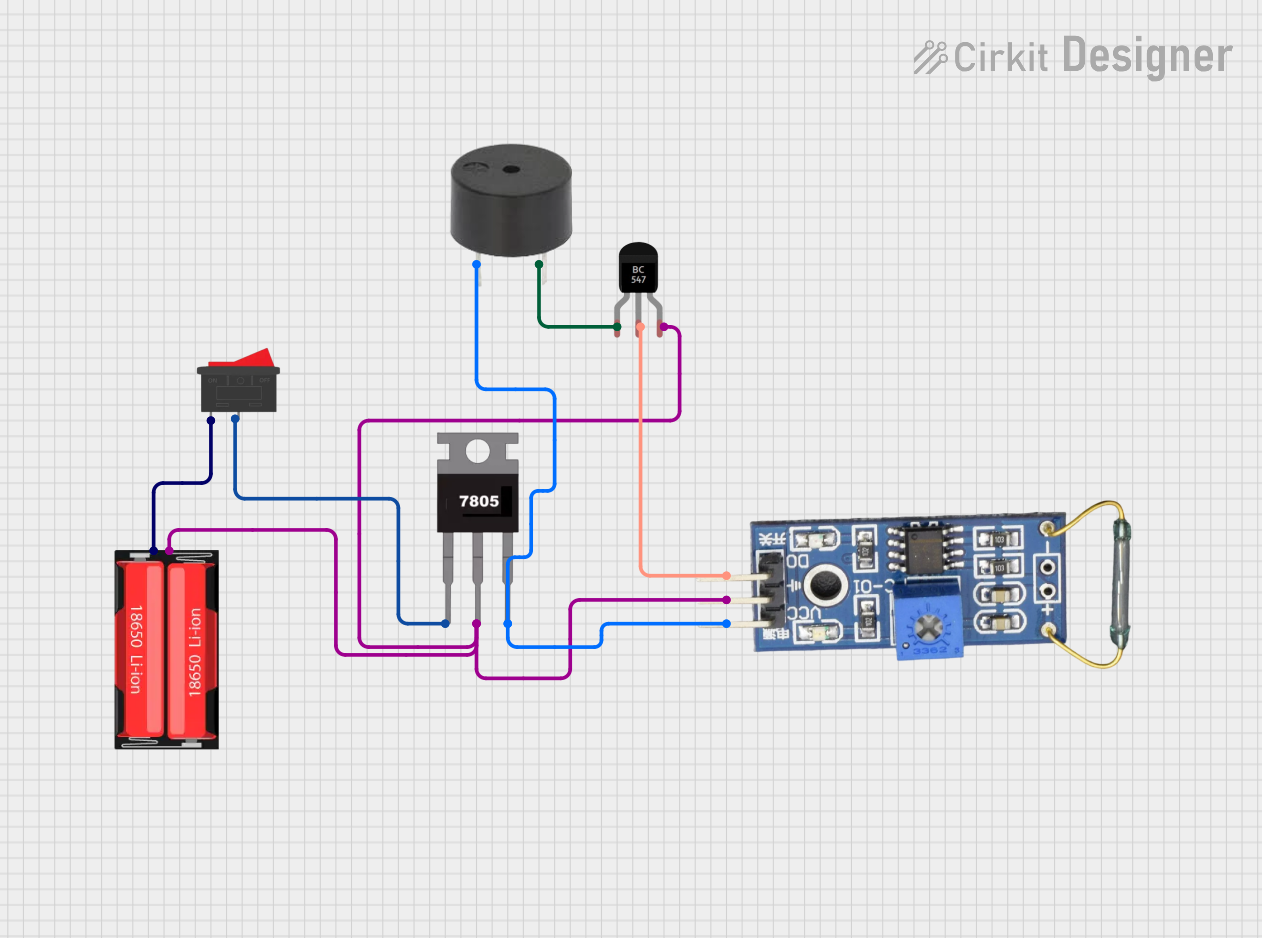 Open Project in Cirkit Designer
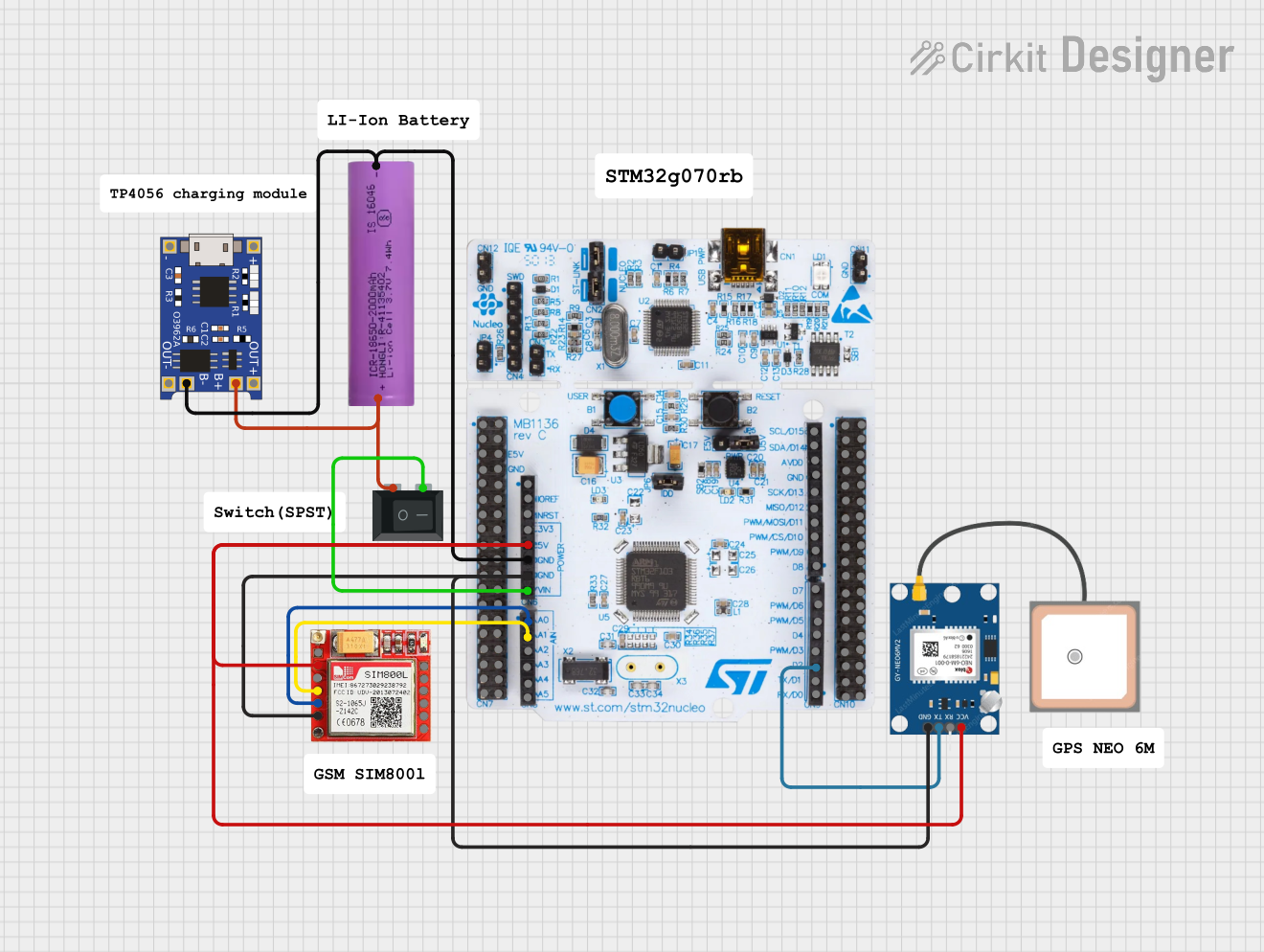 Open Project in Cirkit Designer
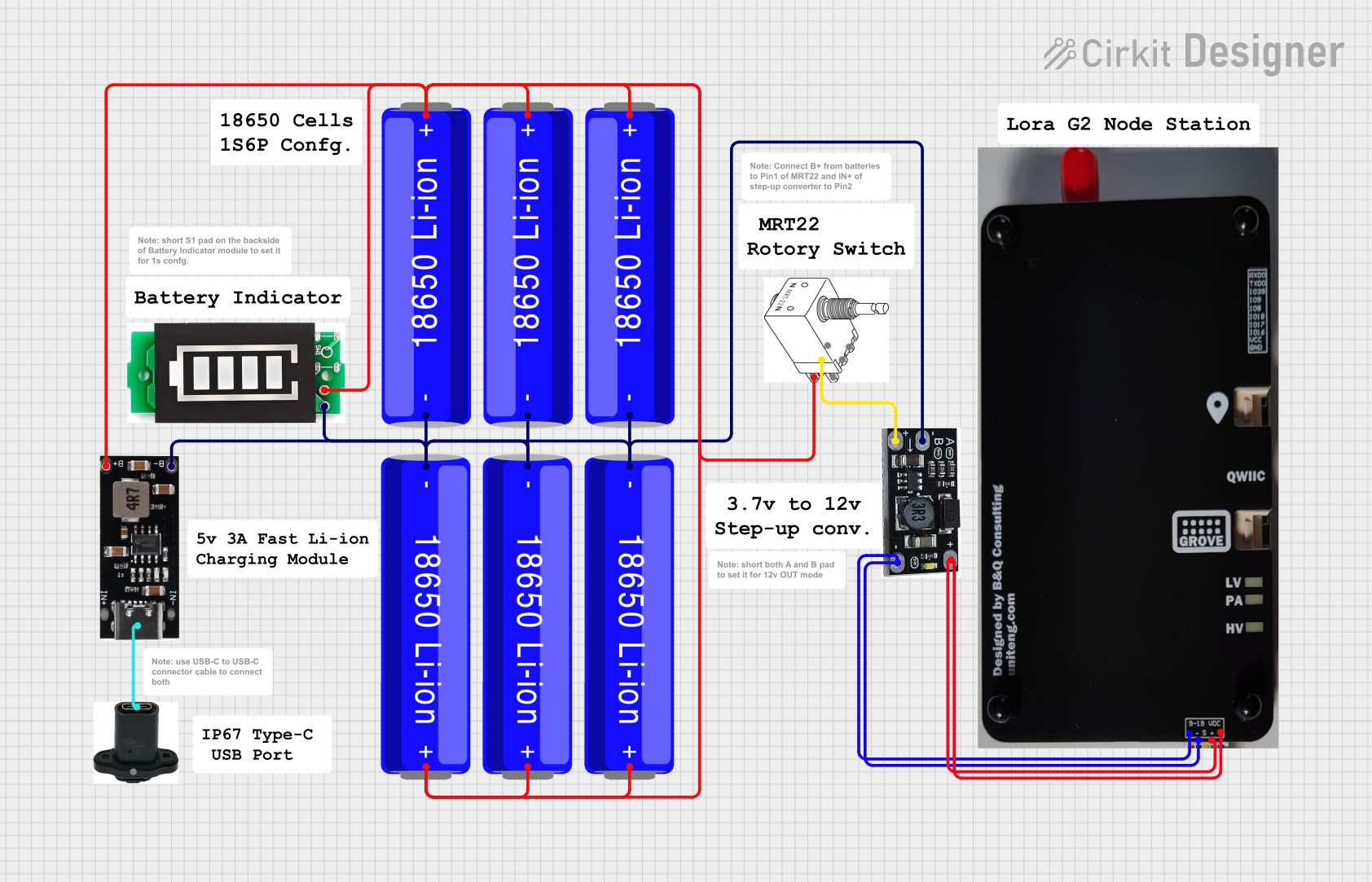 Open Project in Cirkit Designer
Explore Projects Built with 18650 in case
Open Project in Cirkit DesignerOpen Project in Cirkit DesignerOpen Project in Cirkit DesignerOpen Project in Cirkit DesignerCommon Applications:
- Power banks and portable chargers
- Flashlights and LED lighting systems
- Electric vehicles and e-bikes
- DIY electronics and robotics projects
- Backup power supplies
Technical Specifications
Battery Specifications:
| Parameter | Value |
|---|---|
| Battery Type | Lithium-Ion (Li-Ion) |
| Nominal Voltage | 3.7V |
| Fully Charged Voltage | 4.2V |
| Capacity Range | 2000mAh to 3500mAh (varies) |
| Discharge Current | 1A to 30A (depending on model) |
| Cycle Life | 300-500 cycles (typical) |
| Operating Temperature | -20°C to 60°C |
Protective Case Specifications:
| Parameter | Value |
|---|---|
| Material | Plastic or Metal |
| Dimensions | ~18mm (diameter) x 65mm (length) |
| Features | Short-circuit protection, insulation |
| Weight (with case) | ~45g (varies by model) |
Pin Configuration:
The 18650 battery in a case typically has two terminals:
| Pin Name | Description |
|---|---|
| Positive (+) | Positive terminal for power output |
| Negative (-) | Negative terminal for power return |
Usage Instructions
How to Use the 18650 in a Circuit:
- Identify the Terminals: Ensure you correctly identify the positive (+) and negative (-) terminals on the battery case.
- Connect to a Load: Use appropriate wires or connectors to attach the battery to your circuit. Ensure the load does not exceed the battery's maximum discharge current.
- Charging the Battery:
- Use a compatible lithium-ion battery charger with a constant current/constant voltage (CC/CV) charging profile.
- Ensure the charger does not exceed the maximum charging voltage of 4.2V.
- Safety Precautions:
- Avoid short-circuiting the terminals.
- Do not expose the battery to extreme heat or moisture.
- Use a battery holder or insulated connectors to prevent accidental contact.
Example: Using 18650 with Arduino UNO
The 18650 battery can power an Arduino UNO via its VIN pin. Below is an example of connecting the battery to the Arduino:
Circuit Setup:
- Connect the positive terminal of the 18650 to the VIN pin of the Arduino.
- Connect the negative terminal to the GND pin.
Sample Code:
// Example code to blink an LED using Arduino UNO powered by a 18650 battery
// Ensure the battery voltage is regulated to 5V if directly powering the Arduino

const int ledPin = 13; // Built-in LED pin on Arduino UNO

void setup() {
  pinMode(ledPin, OUTPUT); // Set LED pin as output
}

void loop() {
  digitalWrite(ledPin, HIGH); // Turn the LED on
  delay(1000);               // Wait for 1 second
  digitalWrite(ledPin, LOW);  // Turn the LED off
  delay(1000);               // Wait for 1 second
}
Important Considerations:
- If the battery voltage exceeds 5V, use a voltage regulator to step it down to a safe level for the Arduino.
- Always monitor the battery voltage to avoid over-discharging (below 2.5V), which can damage the battery.
Troubleshooting and FAQs
Common Issues:
Battery Not Charging:
- Cause: Faulty charger or damaged battery.
- Solution: Verify the charger output voltage and current. Replace the battery if necessary.
Battery Overheating:
- Cause: Excessive current draw or exposure to high temperatures.
- Solution: Reduce the load on the battery and ensure proper ventilation.
Low Battery Life:
- Cause: Frequent deep discharges or aging battery.
- Solution: Avoid discharging below 2.5V and replace the battery if it has reached the end of its cycle life.
No Output Voltage:
- Cause: Protective circuit in the case has tripped.
- Solution: Recharge the battery to reset the protection circuit.
FAQs:
Q1: Can I use the 18650 battery without the protective case?
A1: While it is possible, it is not recommended as the case provides essential safety features like short-circuit protection and insulation.
Q2: How do I know when the battery is fully charged?
A2: A fully charged 18650 battery will have a voltage of approximately 4.2V. Most chargers have an indicator light to signal full charge.
Q3: Can I connect multiple 18650 batteries in series or parallel?
A3: Yes, you can connect them in series to increase voltage or in parallel to increase capacity. Ensure all batteries are of the same type and charge level to avoid imbalances.
Q4: Is it safe to leave the battery in the charger overnight?
A4: It is generally safe if the charger has overcharge protection. However, it is best to avoid prolonged charging to extend battery life.
By following these guidelines and precautions, you can safely and effectively use the 18650 battery in a case for your projects.