
How to Use DMG2305UX P-MOSFET: Examples, Pinouts, and Specs
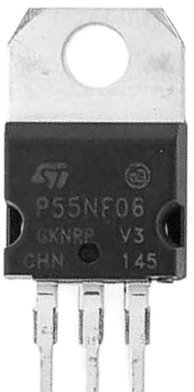
 Design with DMG2305UX P-MOSFET in Cirkit Designer
Introduction
The DMG2305UX is a P-channel MOSFET designed for low voltage applications. It features low on-resistance and fast switching capabilities, making it an ideal choice for power management and switching applications. This component is commonly used in battery-powered devices, DC-DC converters, load switching, and level shifting circuits. Its compact SOT-23 package makes it suitable for space-constrained designs.
Explore Projects Built with DMG2305UX P-MOSFET
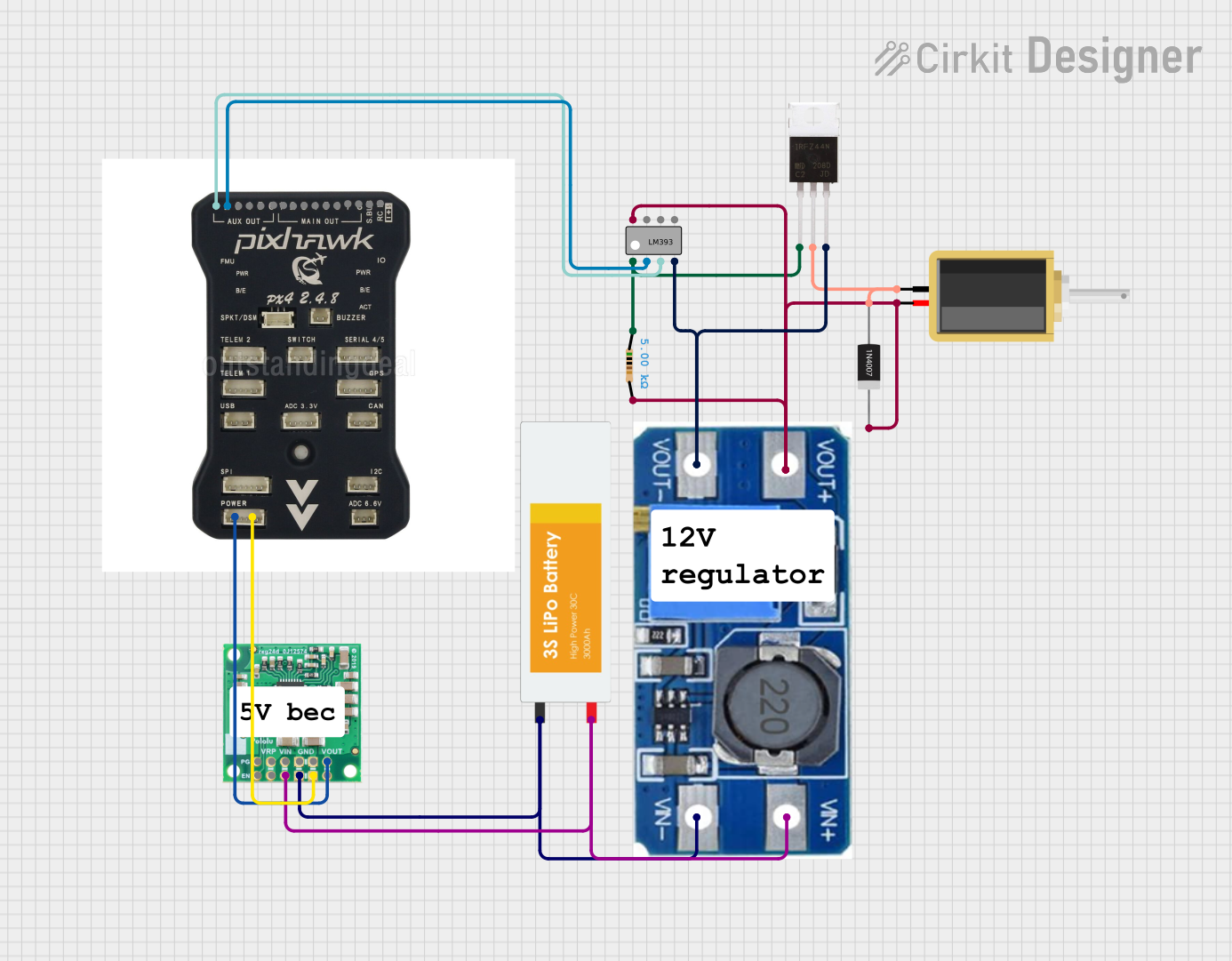 Open Project in Cirkit Designer
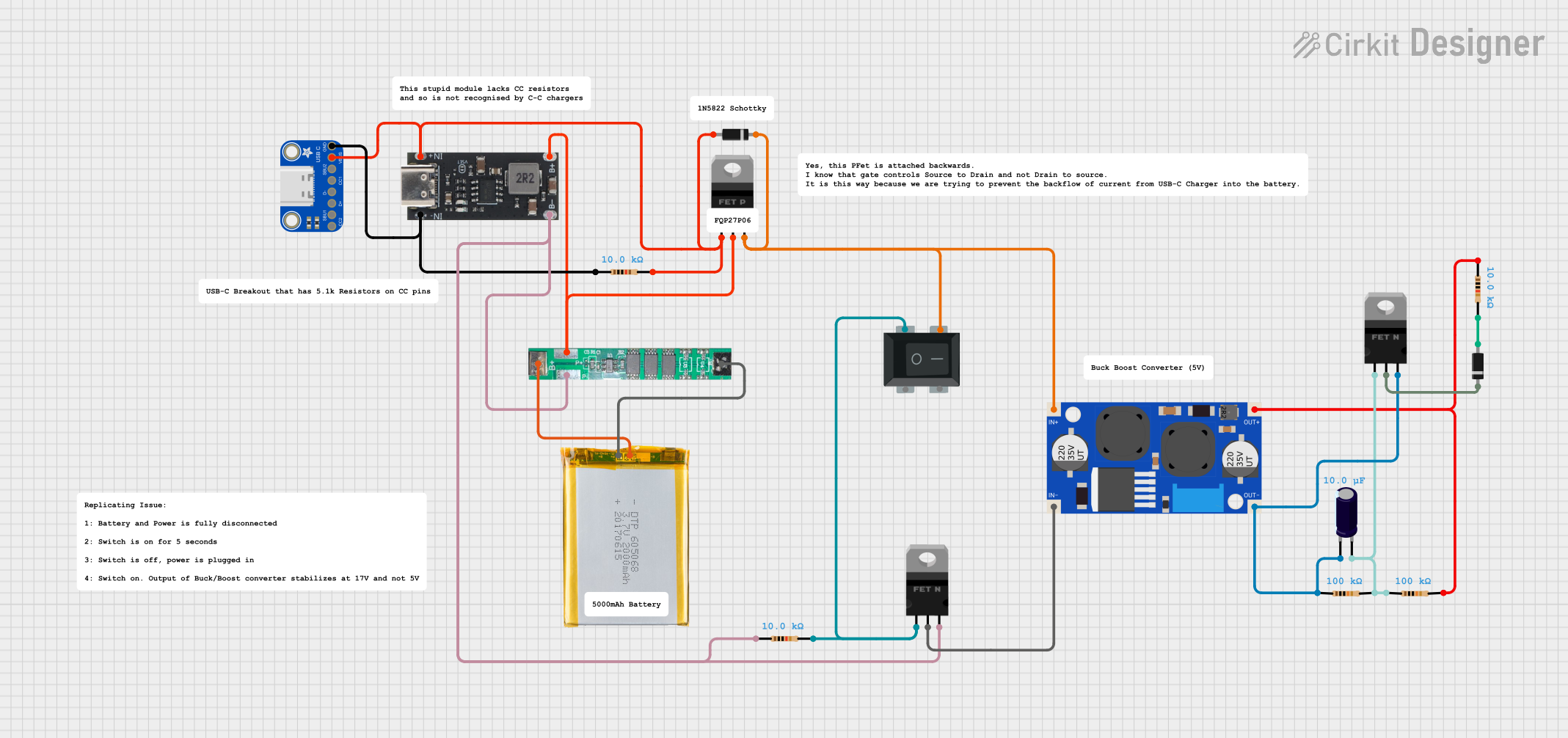 Open Project in Cirkit Designer
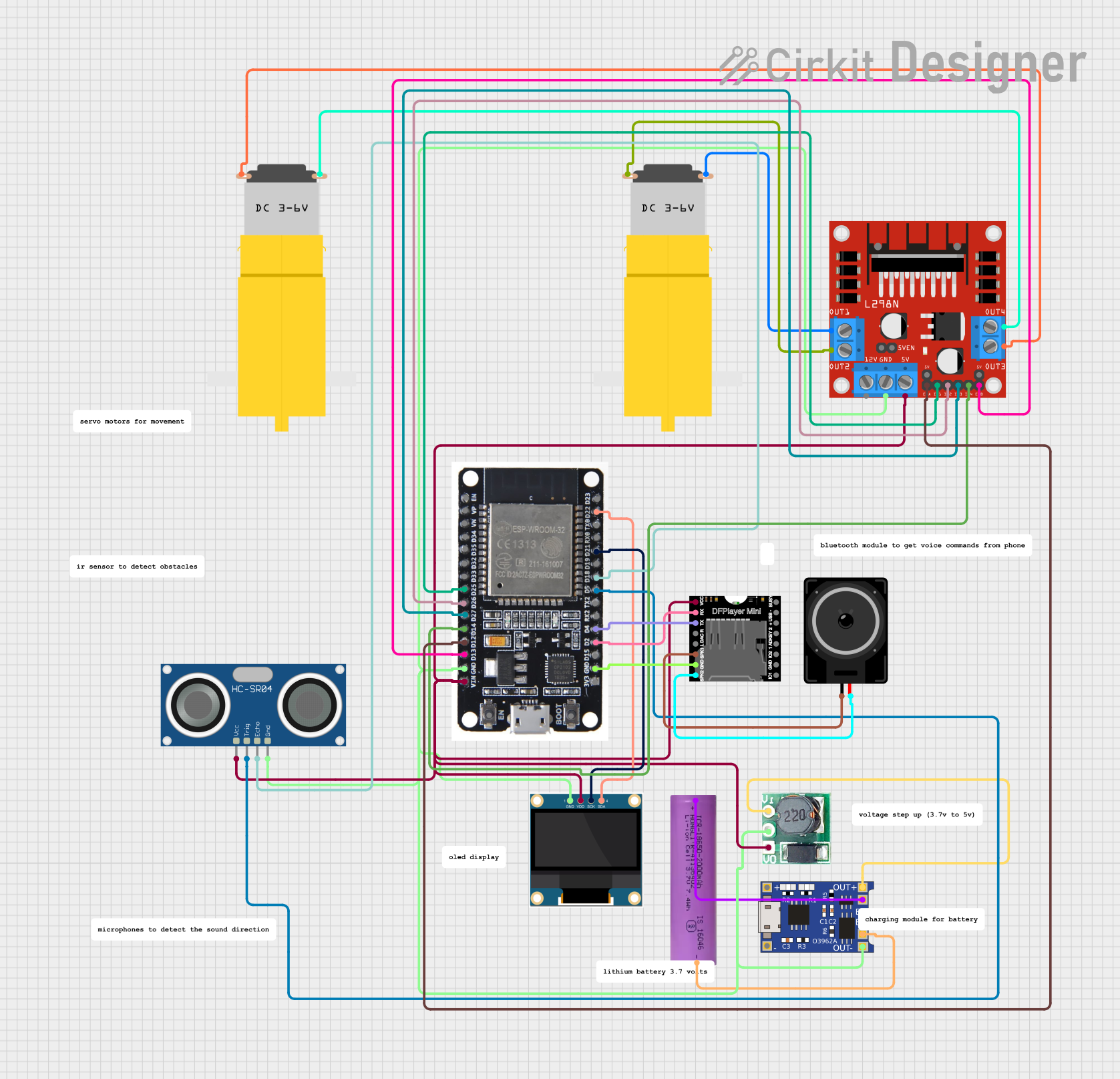 Open Project in Cirkit Designer
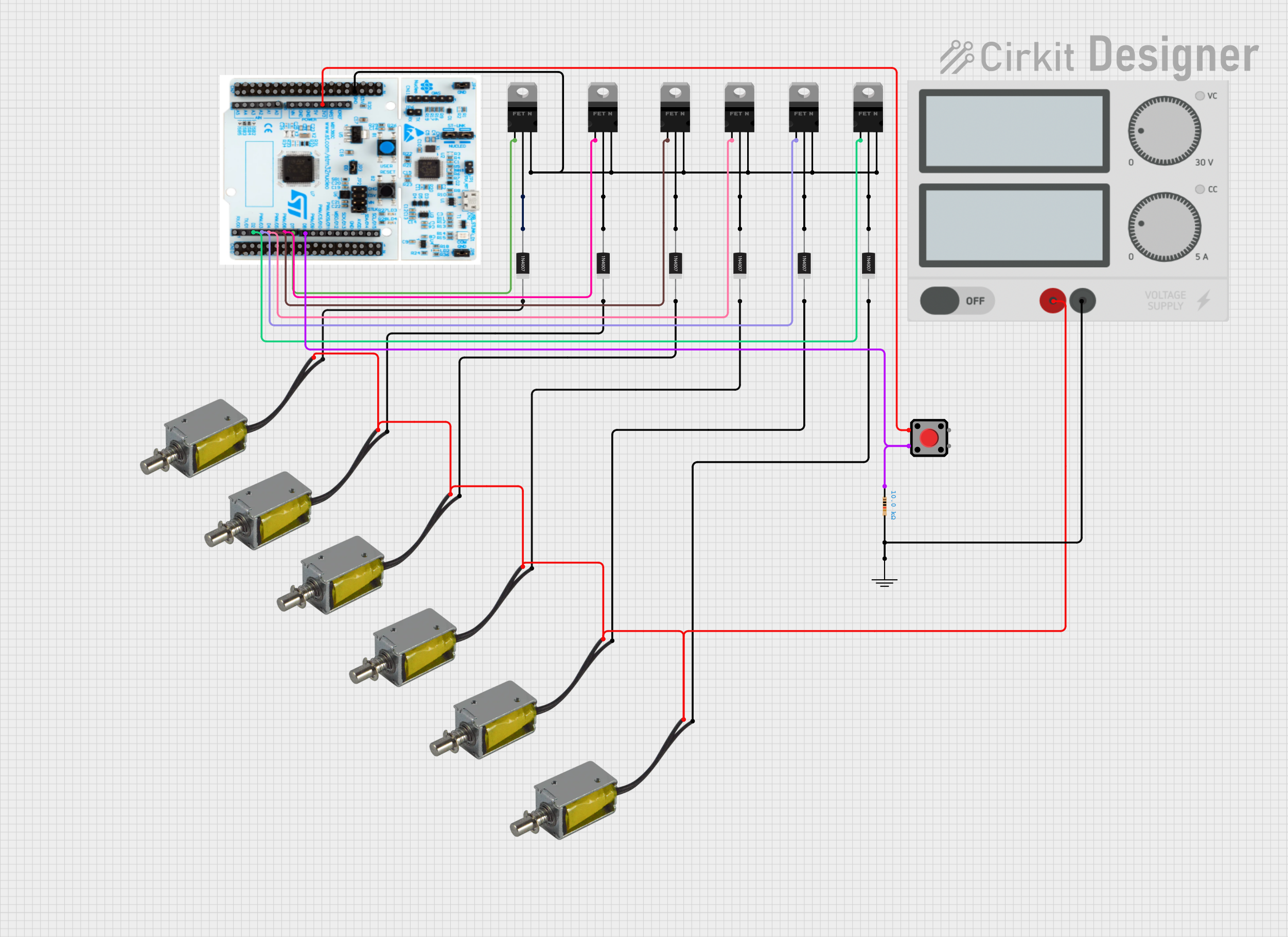 Open Project in Cirkit Designer
Explore Projects Built with DMG2305UX P-MOSFET
Open Project in Cirkit DesignerOpen Project in Cirkit DesignerOpen Project in Cirkit DesignerOpen Project in Cirkit DesignerTechnical Specifications
Below are the key technical details of the DMG2305UX P-MOSFET:
| Parameter | Value |
|---|---|
| Drain-Source Voltage (VDS) | -20V |
| Gate-Source Voltage (VGS) | ±8V |
| Continuous Drain Current (ID) | -3.5A (at VGS = -4.5V) |
| Pulsed Drain Current (IDM) | -12A |
| Power Dissipation (PD) | 1.25W (at TA = 25°C) |
| On-Resistance (RDS(on)) | 50mΩ (at VGS = -4.5V) |
| Gate Threshold Voltage (VGS(th)) | -0.6V to -1.2V |
| Operating Temperature Range | -55°C to +150°C |
| Package | SOT-23 |
Pin Configuration and Descriptions
The DMG2305UX is housed in a 3-pin SOT-23 package. The pinout is as follows:
| Pin Number | Pin Name | Description |
|---|---|---|
| 1 | Gate (G) | Controls the MOSFET's switching state. |
| 2 | Source (S) | Connected to the negative side of the load or power source. |
| 3 | Drain (D) | Connected to the load or circuit output. |
Usage Instructions
How to Use the DMG2305UX in a Circuit
- Power Supply Considerations: Ensure the voltage across the drain and source (VDS) does not exceed -20V, and the gate-source voltage (VGS) stays within ±8V.
- Gate Drive: To turn the MOSFET on, apply a negative voltage (e.g., -4.5V) to the gate relative to the source. To turn it off, apply 0V or a positive voltage.
- Load Connection: Connect the load between the drain and the positive power supply. The source should be connected to the ground or negative terminal of the power supply.
- Heat Dissipation: If operating at high currents, ensure proper heat dissipation using a PCB with adequate thermal management.
Example Circuit with Arduino UNO
The DMG2305UX can be used to control a low-power DC motor with an Arduino UNO. Below is an example circuit and code:
Circuit Description
- Connect the source pin of the DMG2305UX to the ground.
- Connect the drain pin to one terminal of the motor.
- Connect the other terminal of the motor to the positive power supply (e.g., 5V).
- Connect the gate pin to a PWM-capable pin on the Arduino (e.g., pin 9) through a 220Ω resistor.
Arduino Code
// Example code to control a DC motor using the DMG2305UX P-MOSFET
// Connect the gate of the MOSFET to pin 9 of the Arduino through a 220Ω resistor.

const int motorPin = 9; // PWM pin connected to the MOSFET gate

void setup() {
  pinMode(motorPin, OUTPUT); // Set the motor pin as an output
}

void loop() {
  analogWrite(motorPin, 128); // Set motor speed to 50% (PWM duty cycle = 50%)
  delay(5000);               // Run the motor for 5 seconds

  analogWrite(motorPin, 0);  // Turn off the motor
  delay(5000);               // Wait for 5 seconds
}
Important Considerations and Best Practices
- Gate Resistor: Use a resistor (e.g., 220Ω) between the gate and the control signal to limit inrush current and protect the microcontroller.
- Flyback Diode: When driving inductive loads (e.g., motors or relays), add a flyback diode across the load to protect the MOSFET from voltage spikes.
- Thermal Management: Ensure the MOSFET operates within its power dissipation limits. Use a PCB with good thermal conductivity or add a heatsink if necessary.
Troubleshooting and FAQs
Common Issues and Solutions
MOSFET Not Turning On
- Cause: Insufficient gate drive voltage.
- Solution: Ensure the gate voltage is at least -4.5V relative to the source for full conduction.
Excessive Heat Generation
- Cause: High current or poor thermal management.
- Solution: Check the current through the MOSFET and ensure it is within the rated limits. Improve PCB thermal design or add a heatsink.
MOSFET Always On
- Cause: Gate voltage not properly controlled or damaged MOSFET.
- Solution: Verify the gate voltage and check for shorts. Replace the MOSFET if necessary.
Load Not Operating Properly
- Cause: Incorrect wiring or insufficient power supply.
- Solution: Double-check the circuit connections and ensure the power supply can handle the load's current requirements.
FAQs
Q1: Can the DMG2305UX be used for high-power applications?
A1: The DMG2305UX is designed for low to medium power applications. For high-power applications, consider using a MOSFET with higher current and power ratings.
Q2: Is the DMG2305UX suitable for switching at high frequencies?
A2: Yes, the DMG2305UX has fast switching capabilities, making it suitable for high-frequency applications such as DC-DC converters.
Q3: Can I use the DMG2305UX with a 3.3V microcontroller?
A3: Yes, the DMG2305UX can be driven by a 3.3V microcontroller, as its gate threshold voltage (VGS(th)) is as low as -0.6V. However, ensure the gate voltage is sufficient for the desired current.
Q4: What precautions should I take when handling the DMG2305UX?
A4: Handle the MOSFET carefully to avoid electrostatic discharge (ESD) damage. Use proper grounding and ESD protection measures.