
How to Use HD-38: Examples, Pinouts, and Specs
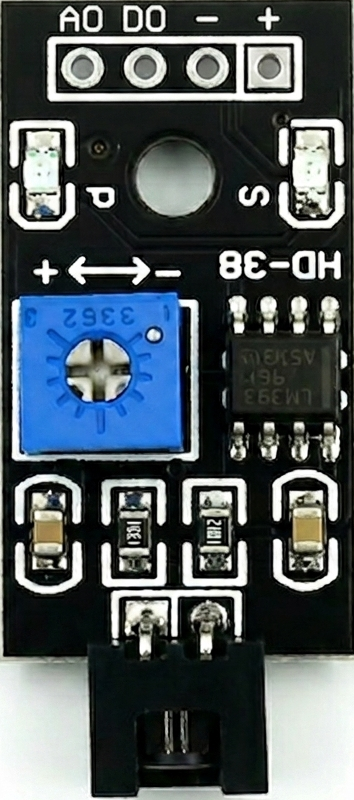
 Design with HD-38 in Cirkit Designer
Introduction
The HD-38 is a high-performance, low-noise operational amplifier (op-amp) designed for precision signal processing applications. With its wide bandwidth and low distortion characteristics, the HD-38 is ideal for applications requiring high accuracy and signal fidelity. It is commonly used in audio amplification, instrumentation circuits, active filters, and precision analog signal processing.
Explore Projects Built with HD-38
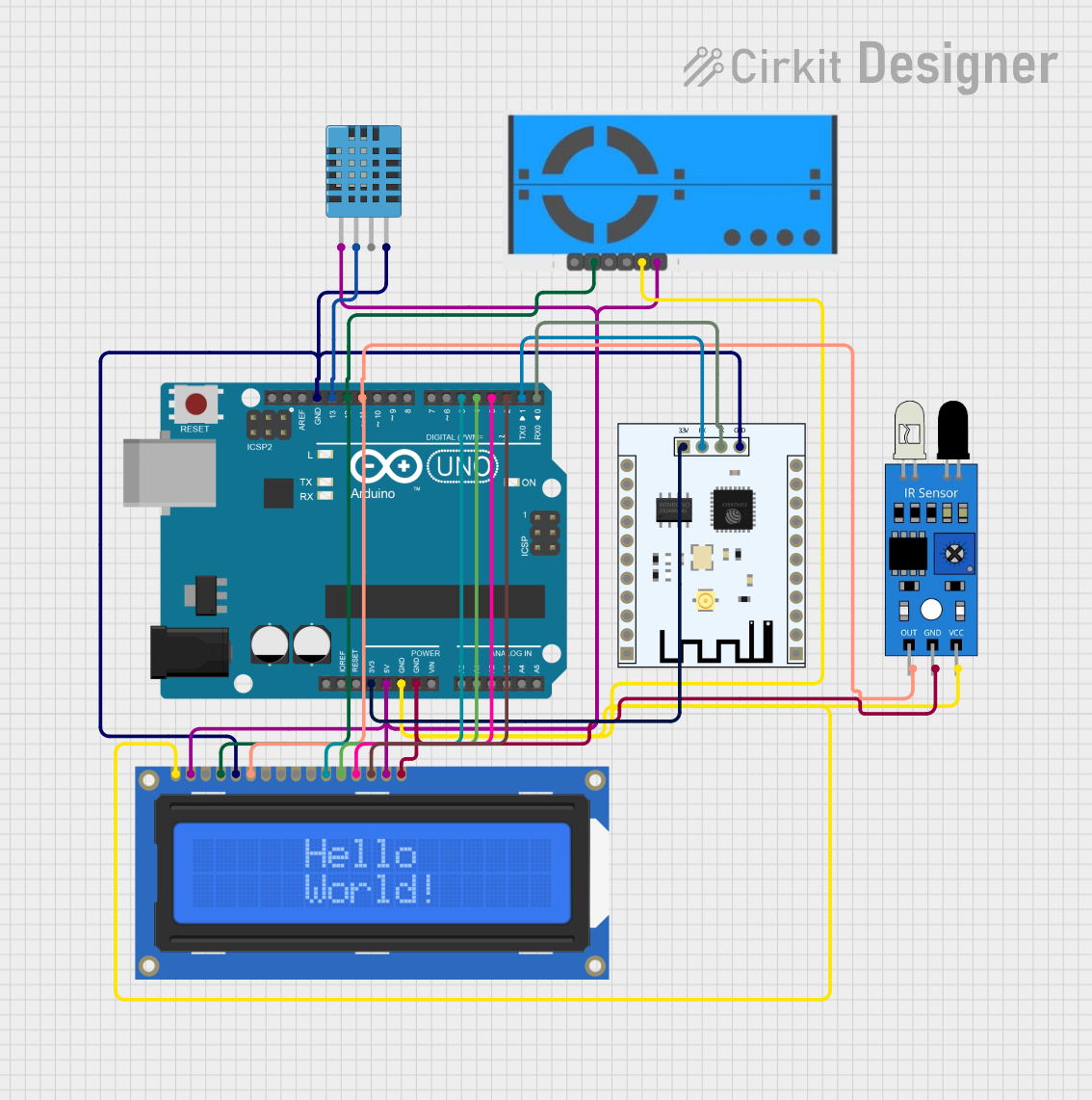 Open Project in Cirkit Designer
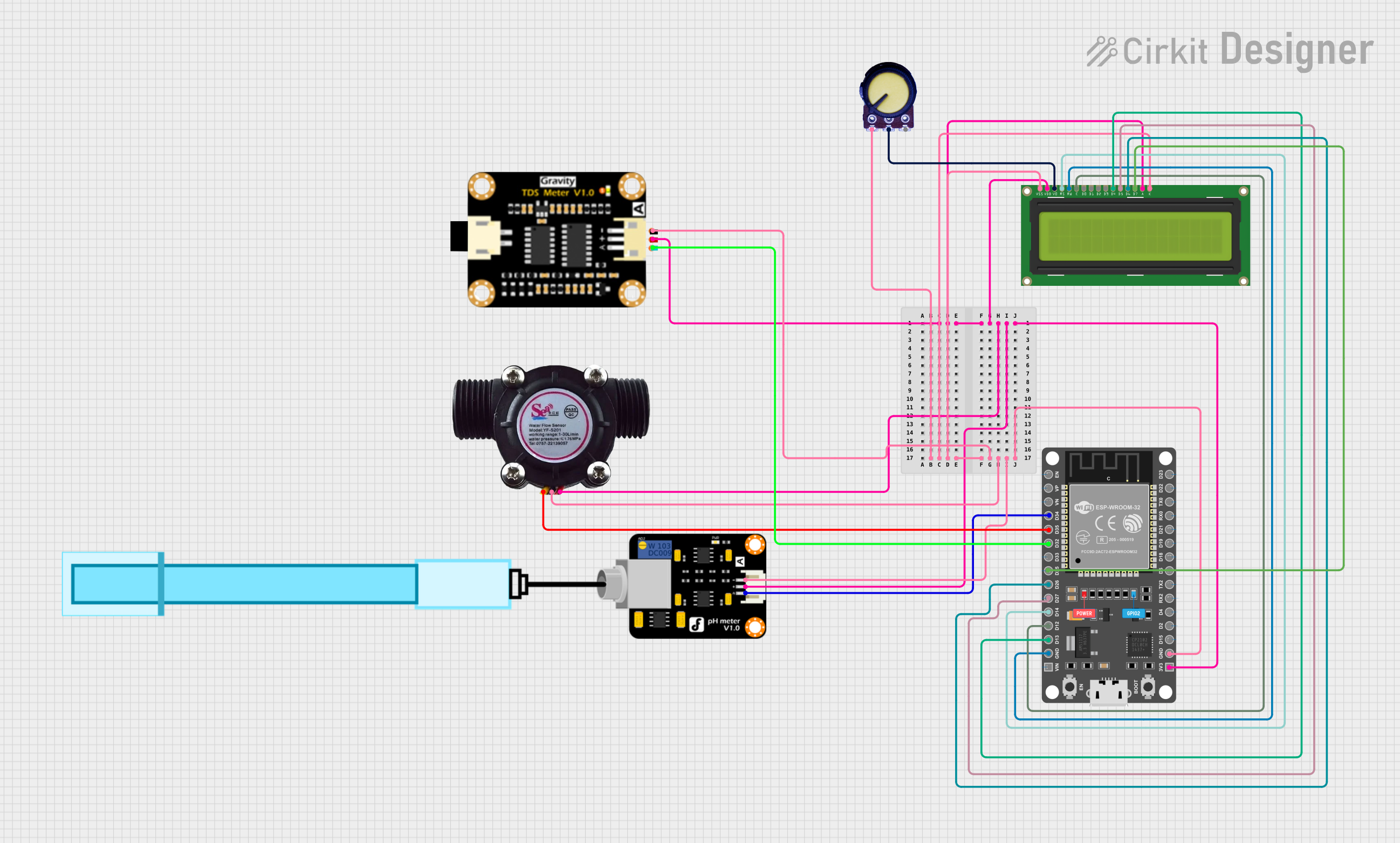 Open Project in Cirkit Designer
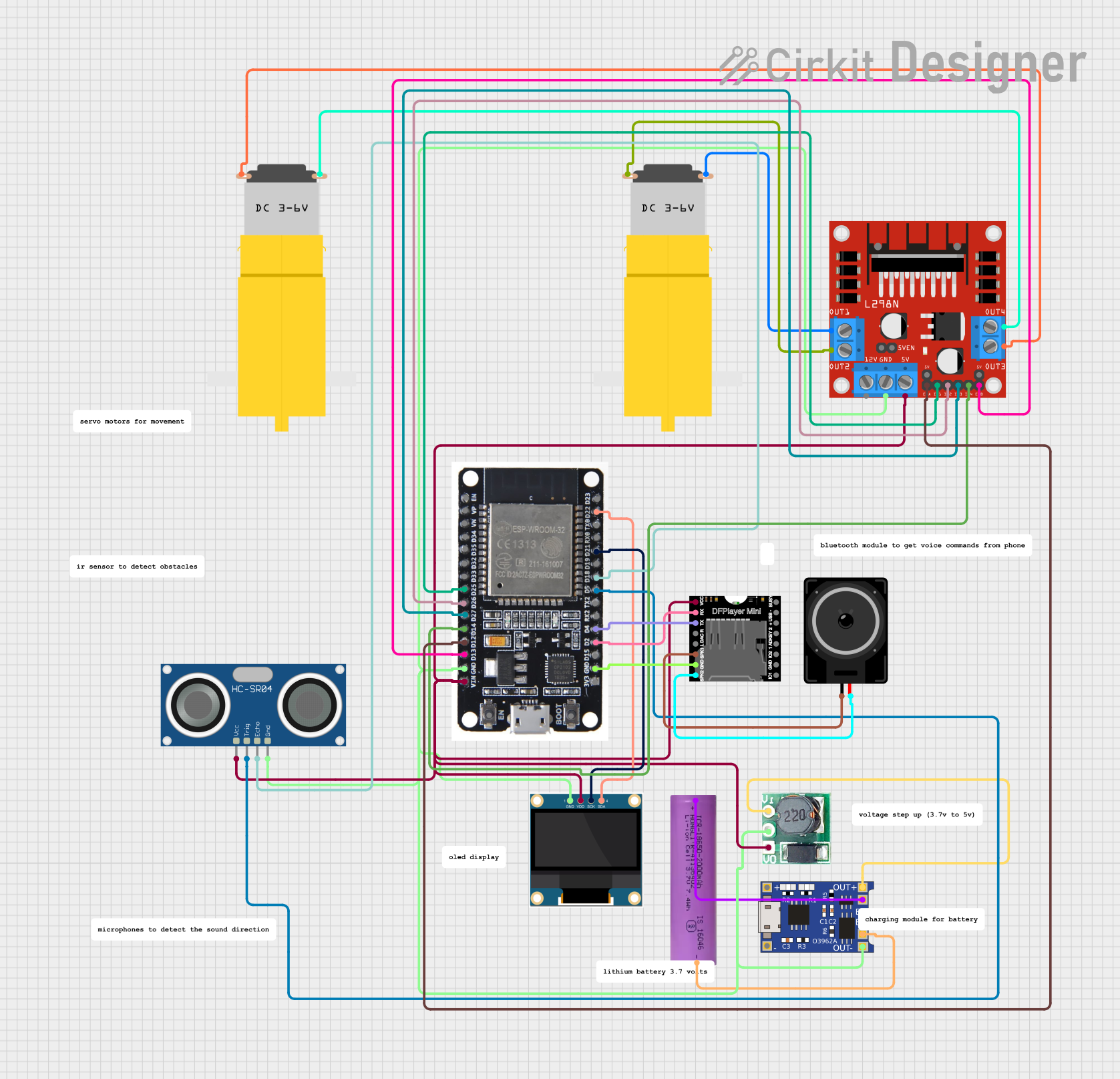 Open Project in Cirkit Designer
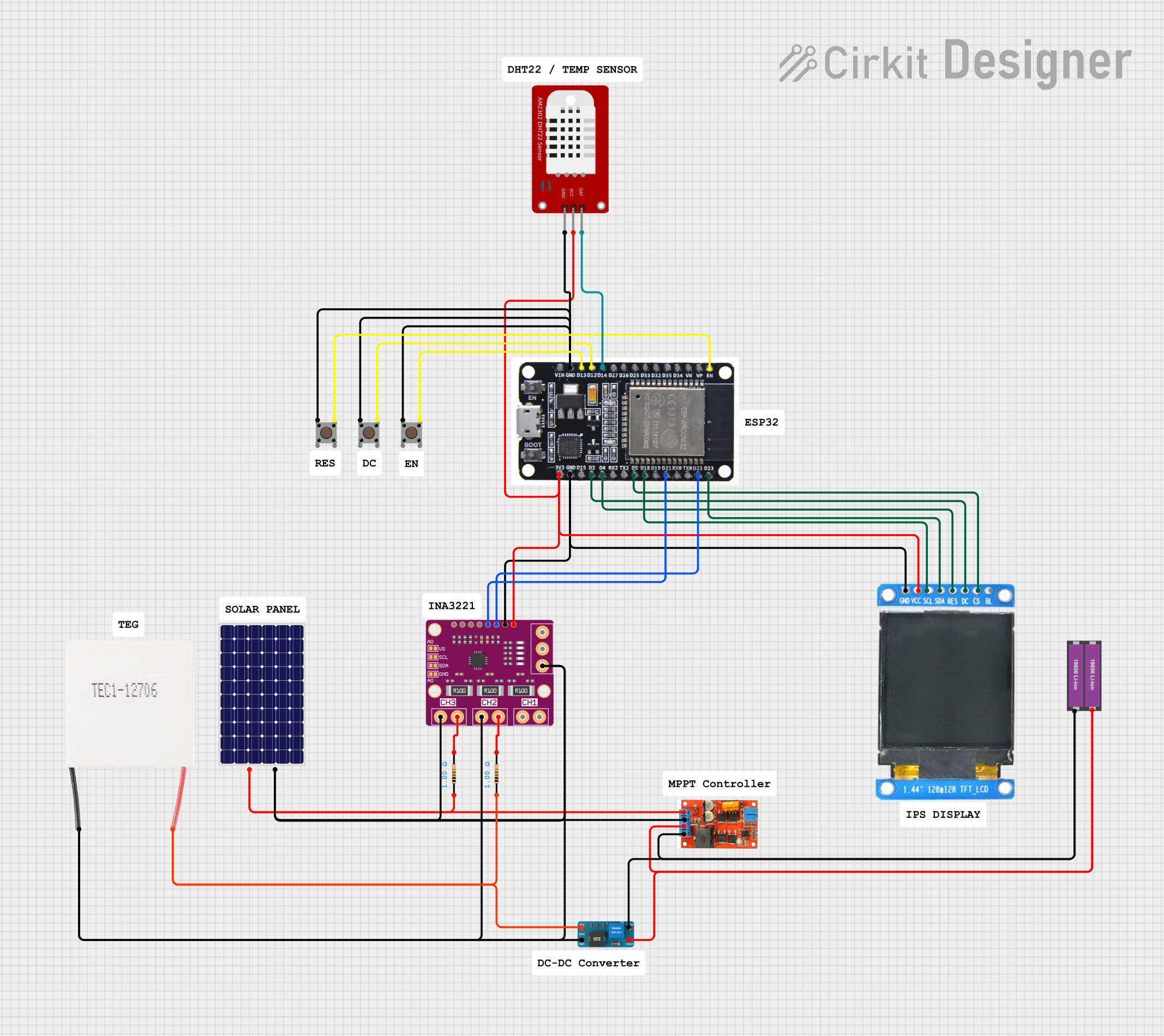 Open Project in Cirkit Designer
Explore Projects Built with HD-38
Open Project in Cirkit DesignerOpen Project in Cirkit DesignerOpen Project in Cirkit DesignerOpen Project in Cirkit DesignerCommon Applications:
- Audio preamplifiers and equalizers
- Instrumentation amplifiers
- Active filters and oscillators
- Data acquisition systems
- Precision voltage followers
Technical Specifications
The HD-38 operational amplifier is designed to meet the needs of high-precision applications. Below are its key technical specifications:
| Parameter | Value |
|---|---|
| Supply Voltage Range | ±3V to ±18V |
| Input Offset Voltage | 0.5 mV (typical) |
| Input Bias Current | 50 nA (typical) |
| Gain Bandwidth Product | 10 MHz |
| Slew Rate | 5 V/µs |
| Output Voltage Swing | ±(Vcc - 1.5V) |
| Input Impedance | 10 MΩ |
| Output Impedance | 75 Ω |
| Noise Density | 4 nV/√Hz at 1 kHz |
| Operating Temperature | -40°C to +85°C |
| Package Types | DIP-8, SOIC-8 |
Pin Configuration
The HD-38 is typically available in an 8-pin DIP or SOIC package. The pinout is as follows:
| Pin Number | Pin Name | Description |
|---|---|---|
| 1 | Offset Null | Offset voltage adjustment (optional) |
| 2 | Inverting Input | Inverting input terminal (-) |
| 3 | Non-Inverting Input | Non-inverting input terminal (+) |
| 4 | V- (Negative Supply) | Negative power supply |
| 5 | Offset Null | Offset voltage adjustment (optional) |
| 6 | Output | Output terminal |
| 7 | V+ (Positive Supply) | Positive power supply |
| 8 | NC (No Connection) | Not connected (leave unconnected) |
Usage Instructions
The HD-38 operational amplifier is versatile and can be used in a variety of circuit configurations. Below are general guidelines for using the HD-38 in a circuit:
Basic Circuit Configuration
- Power Supply: Connect the V+ pin (Pin 7) to the positive supply voltage and the V- pin (Pin 4) to the negative supply voltage. Ensure the supply voltage is within the specified range (±3V to ±18V).
- Input Connections: Connect the signal source to the inverting (Pin 2) or non-inverting input (Pin 3), depending on the desired configuration (e.g., inverting or non-inverting amplifier).
- Output Load: Connect the load to the output pin (Pin 6). Ensure the load impedance is compatible with the op-amp's output drive capability.
- Offset Null Adjustment: If precise offset voltage adjustment is required, connect a 10 kΩ potentiometer between the Offset Null pins (Pins 1 and 5) and adjust as needed.
Example: Non-Inverting Amplifier Circuit
Below is an example of using the HD-38 as a non-inverting amplifier with a gain of 11:
Circuit Diagram:
- Connect the input signal to Pin 3 (non-inverting input).
- Connect a resistor (R1) between Pin 2 (inverting input) and ground.
- Connect a resistor (R2) between Pin 2 and the output (Pin 6).
- The gain is calculated as: Gain = 1 + (R2 / R1).
Arduino UNO Example Code:
If the HD-38 is used in an audio preamplifier circuit connected to an Arduino UNO for signal processing, the following code can be used to read the amplified signal:
// Arduino code to read an analog signal from the HD-38 output
const int analogPin = A0; // Connect HD-38 output to Arduino analog pin A0
int signalValue = 0;      // Variable to store the analog signal value

void setup() {
  Serial.begin(9600); // Initialize serial communication at 9600 baud
}

void loop() {
  signalValue = analogRead(analogPin); // Read the analog signal
  Serial.print("Signal Value: ");
  Serial.println(signalValue); // Print the signal value to the Serial Monitor
  delay(100); // Delay for 100 ms before the next reading
}
Important Considerations:
- Power Supply Decoupling: Place decoupling capacitors (e.g., 0.1 µF ceramic and 10 µF electrolytic) close to the power supply pins to reduce noise and improve stability.
- Input Impedance: Ensure the source impedance is low enough to avoid signal attenuation.
- Thermal Management: Operate the HD-38 within its specified temperature range to prevent thermal drift or damage.
Troubleshooting and FAQs
Common Issues and Solutions:
No Output Signal:
- Verify the power supply connections and ensure the supply voltage is within the specified range.
- Check the input signal and ensure it is properly connected to the input pins.
Distorted Output Signal:
- Ensure the load impedance is not too low, as this can cause the op-amp to enter current-limiting mode.
- Verify that the input signal amplitude is within the op-amp's input voltage range.
High Noise in Output:
- Add proper decoupling capacitors to the power supply lines.
- Use shielded cables for input and output connections to minimize electromagnetic interference.
Offset Voltage Too High:
- Adjust the offset null potentiometer (if used) to minimize the offset voltage.
- Ensure the op-amp is operating within its specified temperature range.
FAQs:
Q1: Can the HD-38 be used with a single power supply?
A1: Yes, the HD-38 can be configured for single-supply operation by connecting the V- pin to ground and biasing the input signal appropriately.
Q2: What is the maximum gain I can achieve with the HD-38?
A2: The maximum gain depends on the circuit configuration and stability requirements. For high gains, ensure proper compensation to avoid oscillations.
Q3: Is the HD-38 suitable for audio applications?
A3: Yes, the HD-38's low noise and wide bandwidth make it an excellent choice for audio preamplifiers and equalizers.
Q4: How do I minimize distortion in my circuit?
A4: Use high-quality resistors and capacitors, ensure proper power supply decoupling, and operate the HD-38 within its linear range.
By following these guidelines and best practices, the HD-38 can be effectively utilized in a wide range of precision signal processing applications.