
How to Use cfcc: Examples, Pinouts, and Specs
 Design with cfcc in Cirkit Designer
Introduction
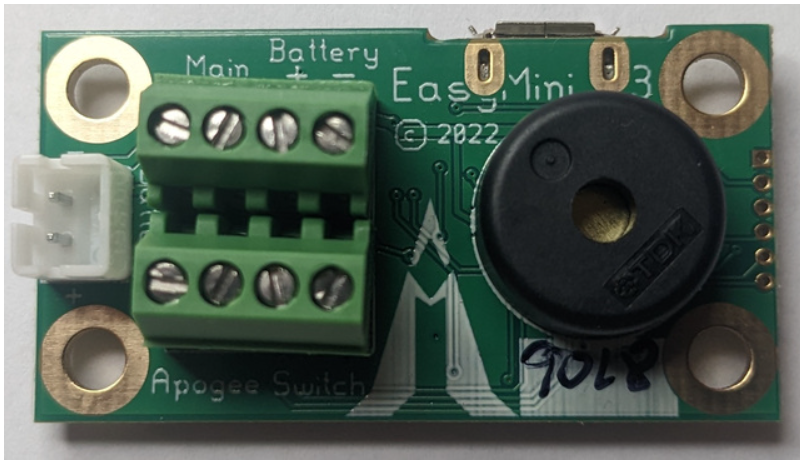
The CFCC (Common Mode Filter Capacitor) is a specialized electronic component designed to filter out common mode noise in circuits. It improves signal integrity by allowing differential signals to pass through while attenuating unwanted noise. This makes it an essential component in applications where noise suppression and signal clarity are critical.
Explore Projects Built with cfcc
 Open Project in Cirkit Designer
 Open Project in Cirkit Designer
 Open Project in Cirkit Designer
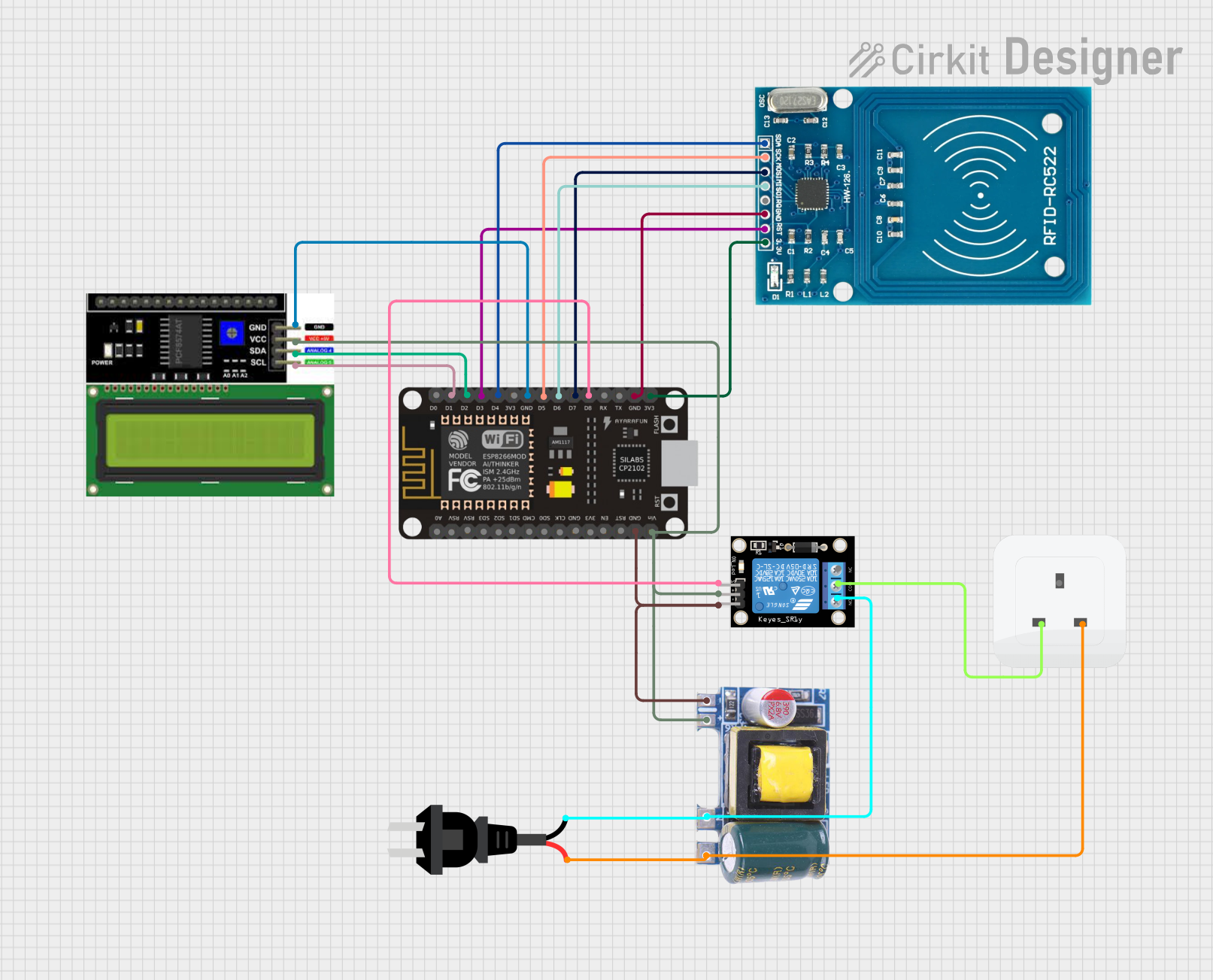 Open Project in Cirkit Designer
Explore Projects Built with cfcc
Open Project in Cirkit DesignerOpen Project in Cirkit DesignerOpen Project in Cirkit DesignerOpen Project in Cirkit DesignerCommon Applications and Use Cases
- High-speed data lines: USB, HDMI, Ethernet, and other communication interfaces.
- Power supply circuits: Reducing electromagnetic interference (EMI) in power lines.
- Automotive electronics: Filtering noise in vehicle communication systems.
- Consumer electronics: Enhancing audio and video signal quality.
- Industrial equipment: Mitigating noise in control systems and machinery.
Technical Specifications
Below are the key technical details for a typical CFCC:
| Parameter | Value |
|---|---|
| Capacitance Range | 10 pF to 1 µF |
| Voltage Rating | 16 V to 100 V |
| Operating Temperature | -40°C to +125°C |
| Common Mode Attenuation | Up to 30 dB (depending on design) |
| Package Type | SMD (Surface Mount Device) |
| Dielectric Material | Ceramic or Film |
Pin Configuration and Descriptions
CFCCs are typically non-polarized components with two terminals. Below is a general description of the pins:
| Pin | Description |
|---|---|
| Pin 1 | Connects to the signal line or power rail |
| Pin 2 | Connects to the ground or return path |
Usage Instructions
How to Use the CFCC in a Circuit
- Identify the noise source: Determine the location in the circuit where common mode noise is present.
- Select the appropriate CFCC: Choose a CFCC with the correct capacitance, voltage rating, and attenuation characteristics for your application.
- Placement: Place the CFCC as close as possible to the noise source or the input/output terminals of the circuit.
- Connection:
- For signal lines: Connect one terminal of the CFCC to the signal line and the other terminal to the ground.
- For power lines: Connect the CFCC across the power rail and ground.
- Soldering: If using an SMD package, solder the CFCC onto the PCB pads carefully to avoid damaging the component.
Important Considerations and Best Practices
- Capacitance selection: Ensure the capacitance value does not interfere with the desired signal frequency.
- Voltage rating: Always use a CFCC with a voltage rating higher than the maximum voltage in the circuit.
- Thermal management: Avoid placing the CFCC near heat-generating components to prevent thermal stress.
- PCB layout: Minimize the trace length between the CFCC and the noise source for optimal performance.
Example: Using a CFCC with an Arduino UNO
To filter noise on a power supply line for an Arduino UNO, you can connect a CFCC across the 5V and GND pins. Below is an example of how to implement this:
// Example: Using a CFCC to filter noise on Arduino UNO's power supply

void setup() {
  // No specific code is required for the CFCC itself, as it is a passive component.
  // Ensure the CFCC is soldered across the 5V and GND pins on the Arduino UNO.

  // Initialize serial communication for testing purposes
  Serial.begin(9600);
  Serial.println("CFCC noise filtering setup complete.");
}

void loop() {
  // Your main code here
  Serial.println("Arduino is running with noise filtering.");
  delay(1000); // Delay for demonstration purposes
}
Troubleshooting and FAQs
Common Issues Users Might Face
Insufficient noise attenuation:
- Cause: Incorrect capacitance value or improper placement.
- Solution: Reevaluate the capacitance value and ensure the CFCC is placed close to the noise source.
Overheating of the CFCC:
- Cause: Voltage rating exceeded or excessive current flow.
- Solution: Use a CFCC with a higher voltage rating and ensure it is not exposed to excessive current.
Signal distortion:
- Cause: Capacitance value too high, affecting the signal frequency.
- Solution: Select a CFCC with a lower capacitance value suitable for the signal frequency.
FAQs
Q: Can I use a CFCC for differential signal lines?
A: Yes, CFCCs are designed to filter common mode noise while allowing differential signals to pass through.
Q: How do I choose the right CFCC for my application?
A: Consider the capacitance, voltage rating, and common mode attenuation required for your circuit. Refer to the component datasheet for detailed specifications.
Q: Can CFCCs be used in high-frequency circuits?
A: Yes, CFCCs are effective in high-frequency circuits, especially for suppressing EMI and improving signal integrity.
Q: Are CFCCs polarized?
A: No, CFCCs are non-polarized components and can be connected in either orientation.
By following this documentation, you can effectively integrate a CFCC into your electronic designs to improve noise suppression and signal quality.