
How to Use 5V supply: Examples, Pinouts, and Specs
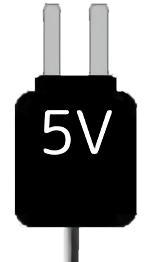
 Design with 5V supply in Cirkit Designer
Introduction
The 5V supply is a power source that provides a constant voltage of 5 volts. It is one of the most commonly used voltage levels in electronics, powering a wide range of devices such as microcontrollers, sensors, LEDs, and communication modules. Its reliability and compatibility with numerous components make it an essential part of many electronic circuits.
Explore Projects Built with 5V supply
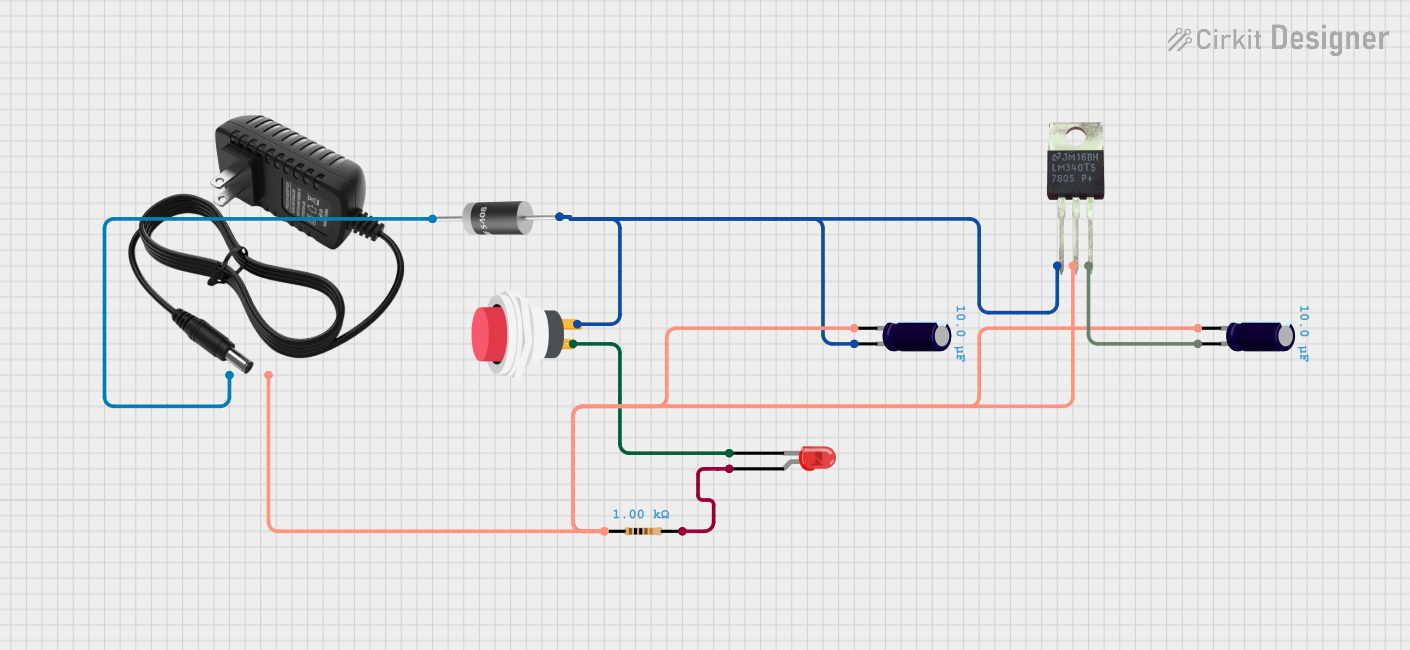 Open Project in Cirkit Designer
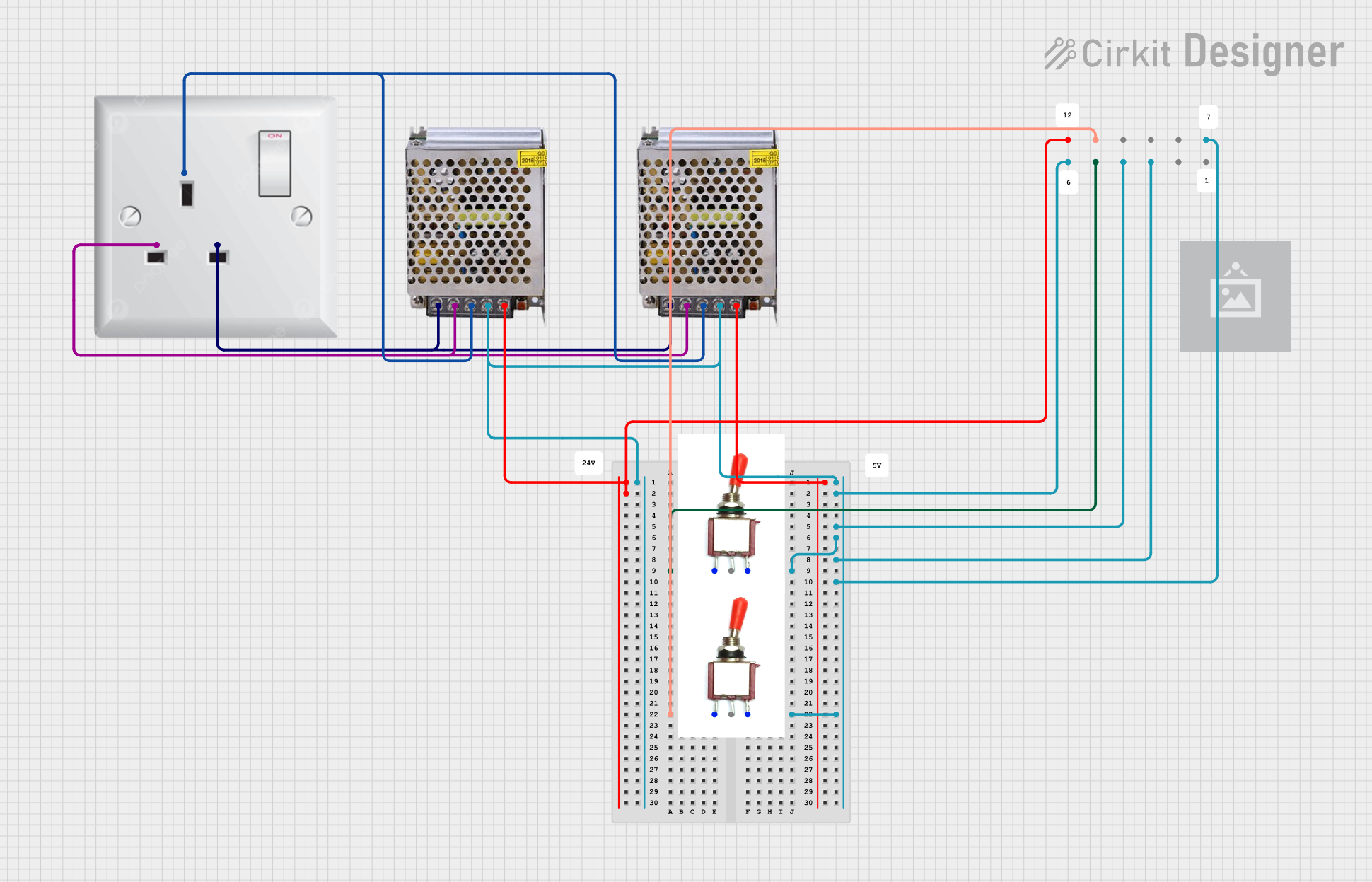 Open Project in Cirkit Designer
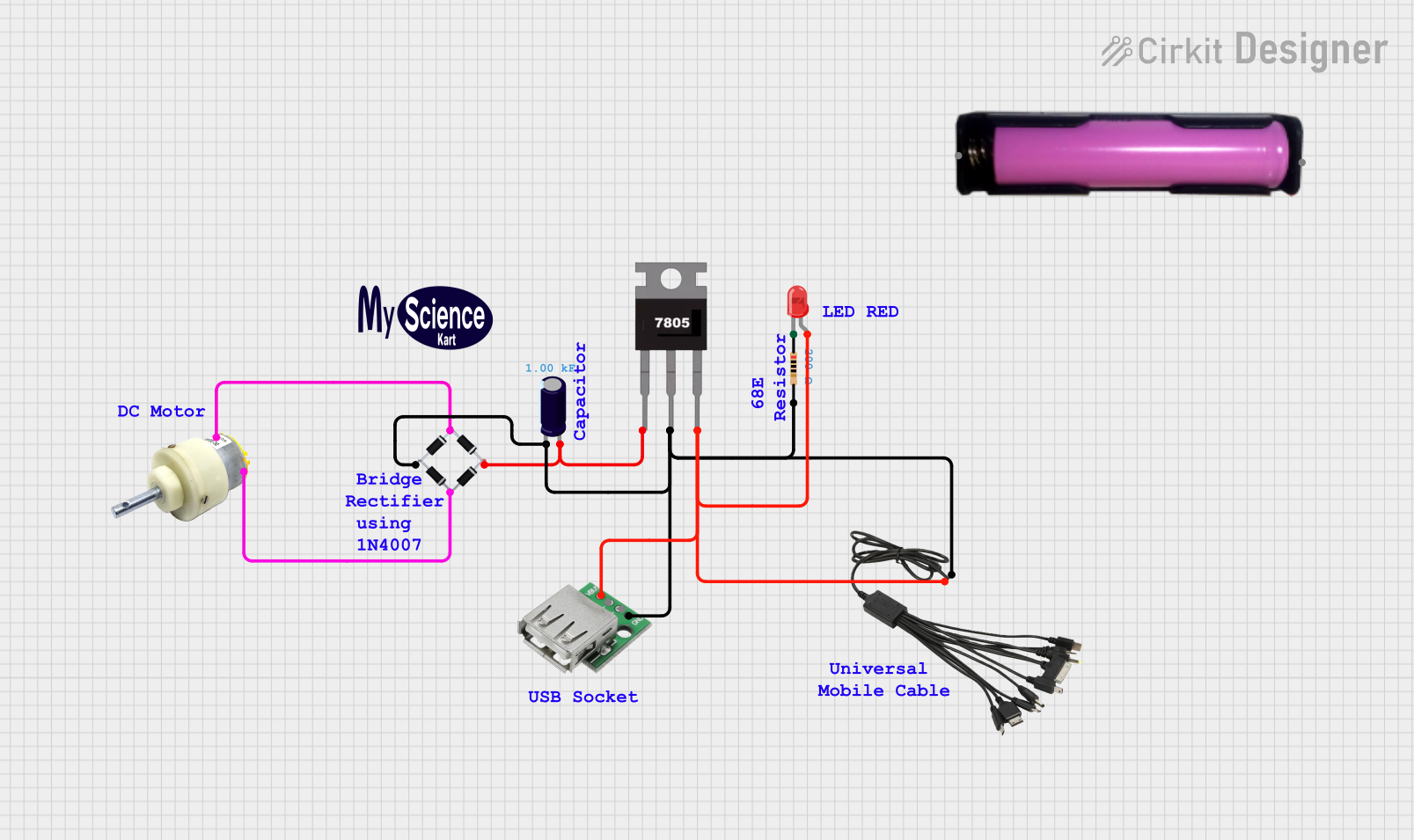 Open Project in Cirkit Designer
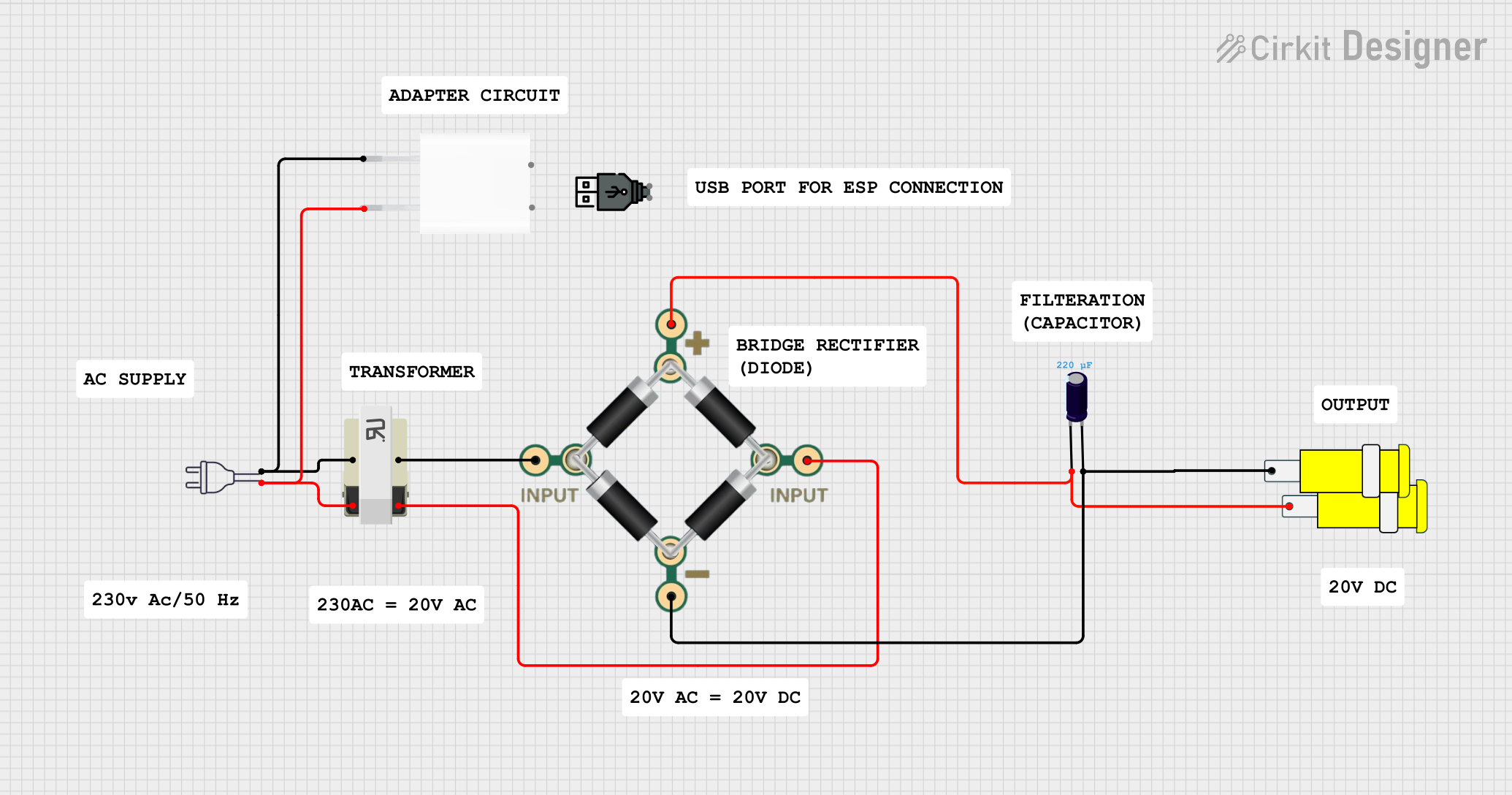 Open Project in Cirkit Designer
Explore Projects Built with 5V supply
Open Project in Cirkit DesignerOpen Project in Cirkit DesignerOpen Project in Cirkit DesignerOpen Project in Cirkit DesignerCommon Applications and Use Cases
- Powering microcontrollers like Arduino, Raspberry Pi, and ESP32.
- Supplying voltage to sensors, actuators, and small motors.
- Driving low-power LEDs and displays.
- Providing a stable voltage reference for analog and digital circuits.
Technical Specifications
The following table outlines the key technical details of a typical 5V supply:
| Parameter | Value |
|---|---|
| Output Voltage | 5V ± 5% |
| Output Current | Typically 500mA to 2A (varies by model) |
| Input Voltage | 7V to 12V (for regulators) or USB (5V) |
| Efficiency | 70% to 90% (for switching regulators) |
| Ripple Voltage | < 50mV (for regulated supplies) |
| Operating Temperature | -20°C to 70°C |
Pin Configuration and Descriptions
For a typical 5V supply module, such as a USB power adapter or a voltage regulator, the pin configuration is as follows:
USB Power Adapter
| Pin | Name | Description |
|---|---|---|
| 1 | VCC (5V) | Provides a constant 5V output. |
| 2 | GND | Ground connection. |
Voltage Regulator (e.g., 7805)
| Pin | Name | Description |
|---|---|---|
| 1 | Input (VIN) | Accepts input voltage (typically 7V-12V). |
| 2 | Ground (GND) | Common ground for input and output. |
| 3 | Output (VOUT) | Provides regulated 5V output. |
Usage Instructions
How to Use the 5V Supply in a Circuit
- Connect the Input Voltage: For a voltage regulator, ensure the input voltage is within the specified range (e.g., 7V-12V for a 7805 regulator). For USB power supplies, connect to a USB port or adapter.
- Connect the Output: Attach the 5V output pin to the VCC or power rail of your circuit. Connect the GND pin to the ground rail.
- Verify Connections: Double-check all connections to avoid short circuits or incorrect polarity.
- Power On: Turn on the power source and measure the output voltage with a multimeter to confirm it is 5V.
Important Considerations and Best Practices
- Heat Dissipation: Linear regulators like the 7805 can generate heat when the input voltage is significantly higher than 5V. Use a heatsink if necessary.
- Current Limitations: Ensure the 5V supply can provide sufficient current for your circuit. Exceeding the current rating may damage the supply.
- Decoupling Capacitors: Add capacitors (e.g., 0.1µF and 10µF) near the output to reduce noise and stabilize the voltage.
- Polarity Protection: Use a diode at the input to prevent damage from reverse polarity connections.
Example: Using a 5V Supply with Arduino UNO
The Arduino UNO operates at 5V and can be powered directly using a 5V supply. Below is an example of connecting a 5V supply to an Arduino UNO and blinking an LED.
Circuit Connections
- Connect the 5V output of the supply to the Arduino's 5V pin.
- Connect the GND of the supply to the Arduino's GND pin.
- Connect an LED to pin 13 of the Arduino with a 220Ω resistor in series.
Arduino Code
// Blink an LED connected to pin 13 of the Arduino UNO
void setup() {
  pinMode(13, OUTPUT); // Set pin 13 as an output
}

void loop() {
  digitalWrite(13, HIGH); // Turn the LED on
  delay(1000);            // Wait for 1 second
  digitalWrite(13, LOW);  // Turn the LED off
  delay(1000);            // Wait for 1 second
}
Troubleshooting and FAQs
Common Issues
No Output Voltage:
- Check the input voltage and ensure it is within the specified range.
- Verify all connections, especially the ground connection.
- Inspect the component for physical damage or overheating.
Voltage Drops Under Load:
- Ensure the supply's current rating is sufficient for your circuit.
- Check for loose or high-resistance connections.
Excessive Heat:
- For linear regulators, ensure the input voltage is not excessively high.
- Use a heatsink or switch to a more efficient switching regulator.
Noise or Ripple in Output:
- Add decoupling capacitors near the load.
- Use a regulated power supply with low ripple specifications.
FAQs
Q: Can I use a 5V supply to power a 3.3V device?
A: No, a 5V supply will damage most 3.3V devices. Use a voltage regulator or level shifter to step down the voltage.
Q: What happens if I exceed the current rating of the 5V supply?
A: Exceeding the current rating can cause the supply to overheat, shut down, or fail permanently.
Q: Can I use a 5V supply to charge a USB device?
A: Yes, as long as the supply provides sufficient current (e.g., 500mA or more) and follows USB power standards.
Q: How do I reduce noise in my 5V supply?
A: Use decoupling capacitors, shielded cables, and a regulated power source to minimize noise.