
How to Use 18650 in holder: Examples, Pinouts, and Specs
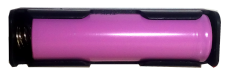
 Design with 18650 in holder in Cirkit Designer
Introduction
The 18650 in holder is a combination of a cylindrical lithium-ion rechargeable battery (18650) and a compatible holder designed to provide secure mounting and reliable electrical connections. The 18650 battery is widely used due to its high energy density, long cycle life, and compact size. The holder simplifies integration into electronic circuits, making it ideal for prototyping, DIY projects, and portable devices.
Explore Projects Built with 18650 in holder
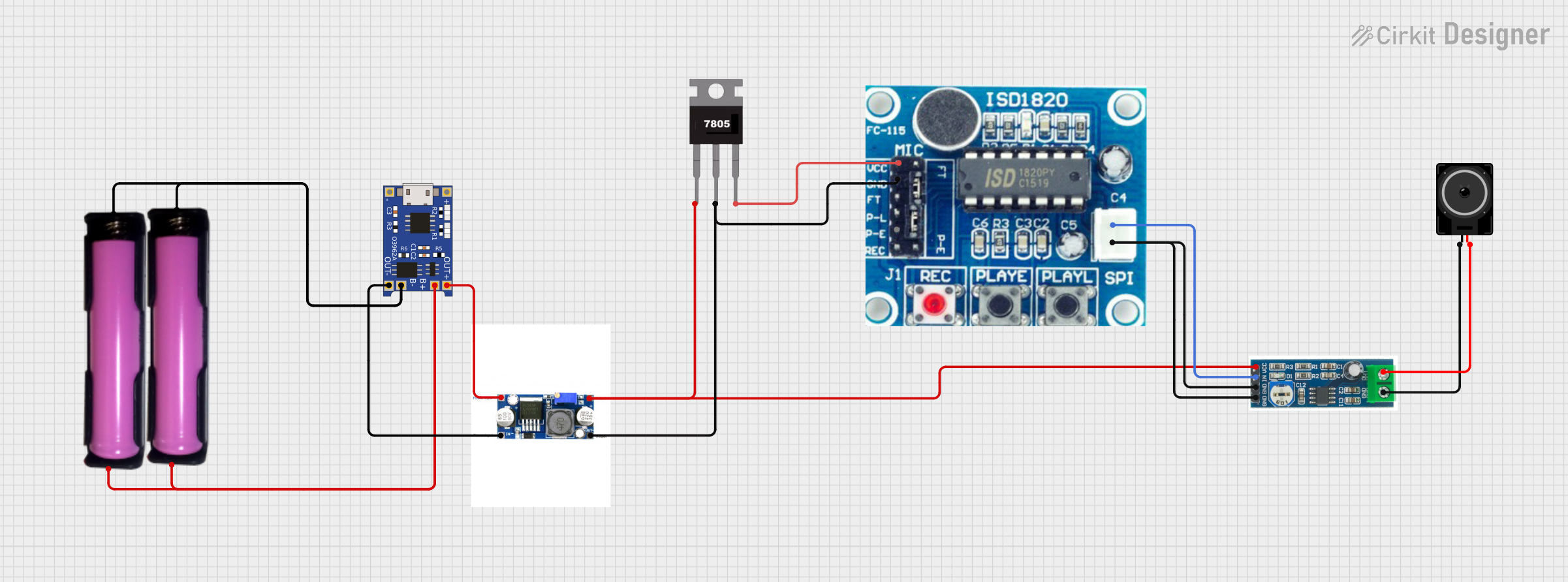 Open Project in Cirkit Designer
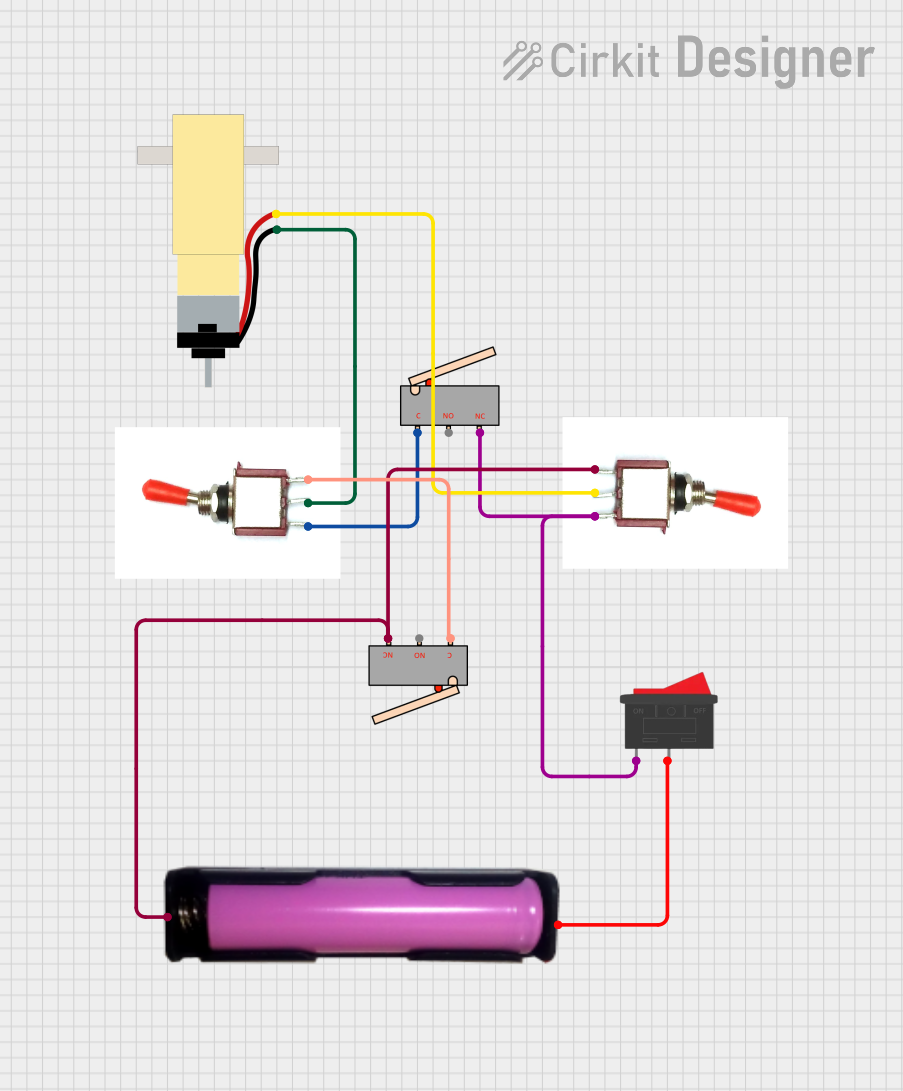 Open Project in Cirkit Designer
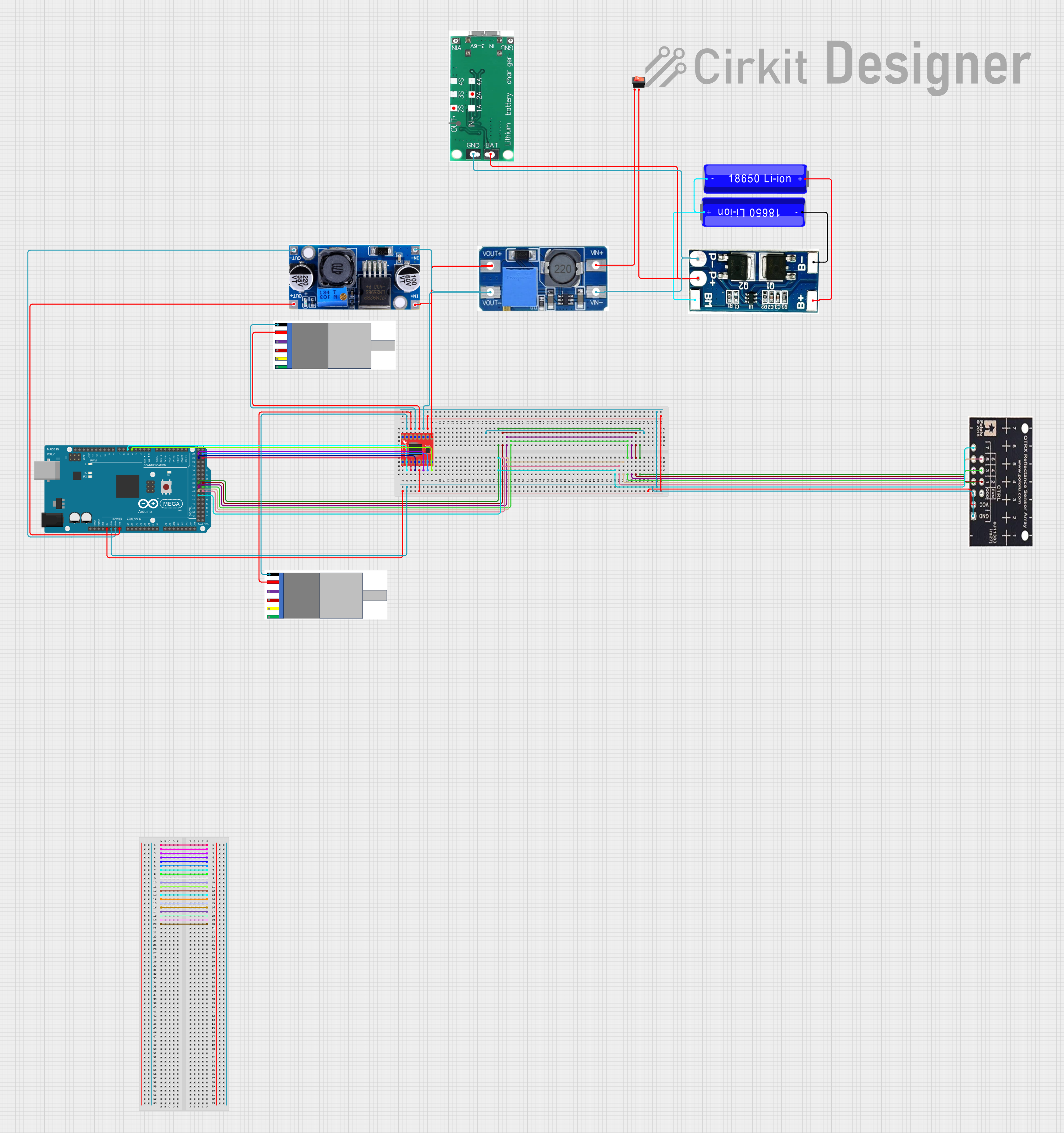 Open Project in Cirkit Designer
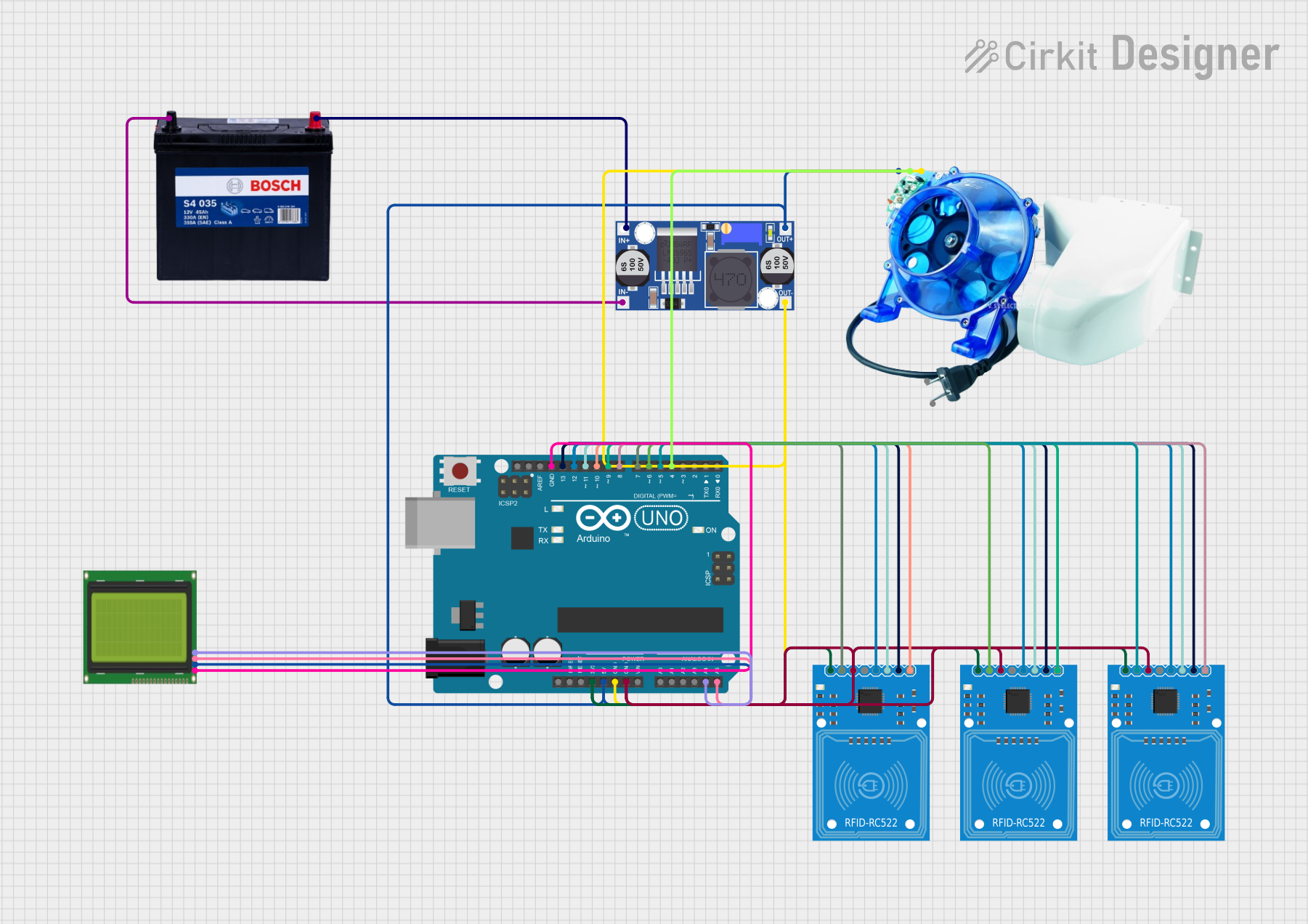 Open Project in Cirkit Designer
Explore Projects Built with 18650 in holder
Open Project in Cirkit DesignerOpen Project in Cirkit DesignerOpen Project in Cirkit DesignerOpen Project in Cirkit DesignerCommon Applications
- Powering portable electronic devices (e.g., flashlights, handheld tools)
- DIY electronics and prototyping
- Robotics and IoT projects
- Backup power supplies
- Battery packs for electric vehicles and drones
Technical Specifications
18650 Battery Specifications
| Parameter | Value |
|---|---|
| Battery Type | Lithium-ion (Li-ion) |
| Nominal Voltage | 3.7V |
| Capacity Range | 2000mAh to 3500mAh (varies by model) |
| Maximum Discharge Current | 10A to 30A (depending on model) |
| Charging Voltage | 4.2V (maximum) |
| Charging Current | Typically 0.5C to 1C |
| Dimensions | 18mm (diameter) x 65mm (length) |
| Weight | ~45g |
Holder Specifications
| Parameter | Value |
|---|---|
| Material | ABS plastic or polycarbonate |
| Contact Material | Nickel-plated steel or brass |
| Supported Battery Size | 18650 (18mm x 65mm) |
| Mounting Options | Screw holes or adhesive backing |
| Output Terminals | Solder pads, wires, or pin headers |
| Maximum Current Rating | 10A (varies by holder design) |
Pin Configuration and Descriptions
| Pin/Terminal | Description |
|---|---|
| Positive (+) | Connects to the positive terminal of the battery. Provides the positive voltage output. |
| Negative (-) | Connects to the negative terminal of the battery. Provides the ground connection. |
Usage Instructions
How to Use the 18650 in Holder in a Circuit
- Insert the Battery: Place the 18650 battery into the holder, ensuring the positive (+) and negative (-) terminals align with the holder's markings.
- Connect to Circuit: Use the holder's output terminals (solder pads, wires, or pin headers) to connect to your circuit. Ensure proper polarity to avoid damage.
- Secure the Holder: Mount the holder using screws or adhesive backing to prevent movement during operation.
- Power Your Device: Once connected, the 18650 battery will supply power to your circuit.
Important Considerations and Best Practices
- Polarity: Always check the polarity of the battery and connections to avoid short circuits or damage.
- Charging: Use a dedicated lithium-ion battery charger to safely charge the 18650 battery. Do not exceed the recommended charging voltage (4.2V).
- Current Rating: Ensure the holder and battery can handle the current requirements of your circuit.
- Heat Management: Avoid exposing the battery to high temperatures, as this can reduce its lifespan or cause safety hazards.
- Protection Circuit: Consider using a battery protection circuit to prevent overcharging, over-discharging, and short circuits.
Example: Connecting to an Arduino UNO
The 18650 in holder can be used to power an Arduino UNO via its VIN pin. Below is an example circuit and code:
Circuit
- Connect the positive terminal of the holder to the VIN pin of the Arduino UNO.
- Connect the negative terminal of the holder to the GND pin of the Arduino UNO.
Code
// Example code to blink an LED using an Arduino UNO powered by an 18650 battery
// Ensure the 18650 battery is properly connected to the Arduino's VIN and GND pins.

const int ledPin = 13; // Pin connected to the onboard LED

void setup() {
  pinMode(ledPin, OUTPUT); // Set the LED pin as an output
}

void loop() {
  digitalWrite(ledPin, HIGH); // Turn the LED on
  delay(1000);                // Wait for 1 second
  digitalWrite(ledPin, LOW);  // Turn the LED off
  delay(1000);                // Wait for 1 second
}
Troubleshooting and FAQs
Common Issues
Battery Not Powering the Circuit
- Cause: Incorrect polarity or loose connections.
- Solution: Verify the battery is inserted correctly and the connections are secure.
Overheating
- Cause: Excessive current draw or short circuit.
- Solution: Ensure the circuit's current requirements are within the battery and holder's ratings. Check for short circuits.
Battery Not Charging
- Cause: Faulty charger or incorrect charging voltage.
- Solution: Use a compatible lithium-ion charger and verify the charging voltage is 4.2V.
Holder Contacts Not Making Proper Connection
- Cause: Dust, corrosion, or misalignment.
- Solution: Clean the contacts with isopropyl alcohol and ensure proper alignment.
FAQs
Can I use multiple 18650 batteries in series or parallel?
- Yes, but ensure the batteries are of the same type, capacity, and charge level. Use a battery management system (BMS) for safety.
Is it safe to leave the battery in the holder when not in use?
- Yes, but disconnect the holder from the circuit to prevent accidental discharge.
Can I use the 18650 in holder to power high-current devices?
- Yes, as long as the battery and holder's current ratings are not exceeded.
What precautions should I take when handling 18650 batteries?
- Avoid short circuits, overcharging, and physical damage. Store batteries in a cool, dry place.