
How to Use GSR Sensor: Examples, Pinouts, and Specs
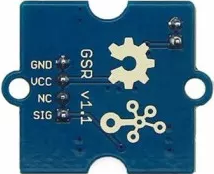
 Design with GSR Sensor in Cirkit Designer
Introduction
A Galvanic Skin Response (GSR) sensor measures the electrical conductance of the skin, which changes with the skin's moisture level. This property is influenced by sweat gland activity, which is controlled by the autonomic nervous system. As a result, GSR sensors are widely used in psychological studies, biofeedback systems, and lie detection devices to assess emotional arousal and stress levels.
Explore Projects Built with GSR Sensor
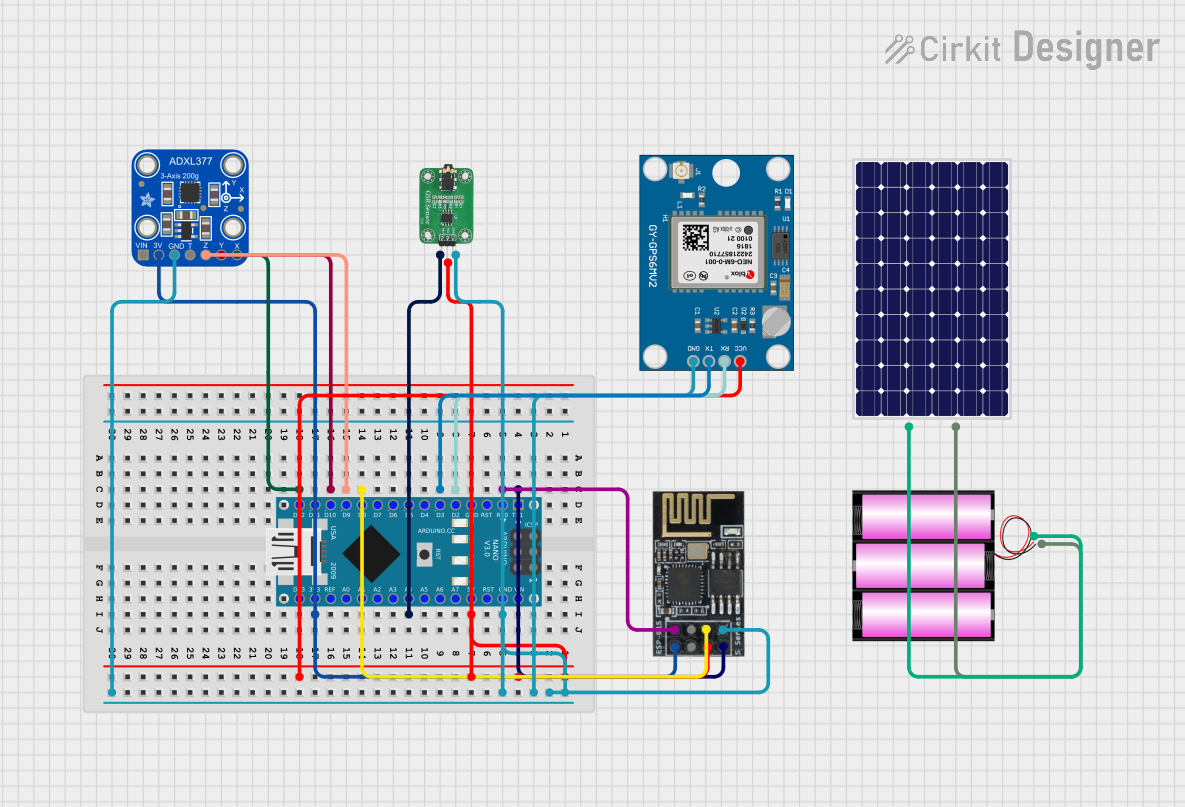 Open Project in Cirkit Designer
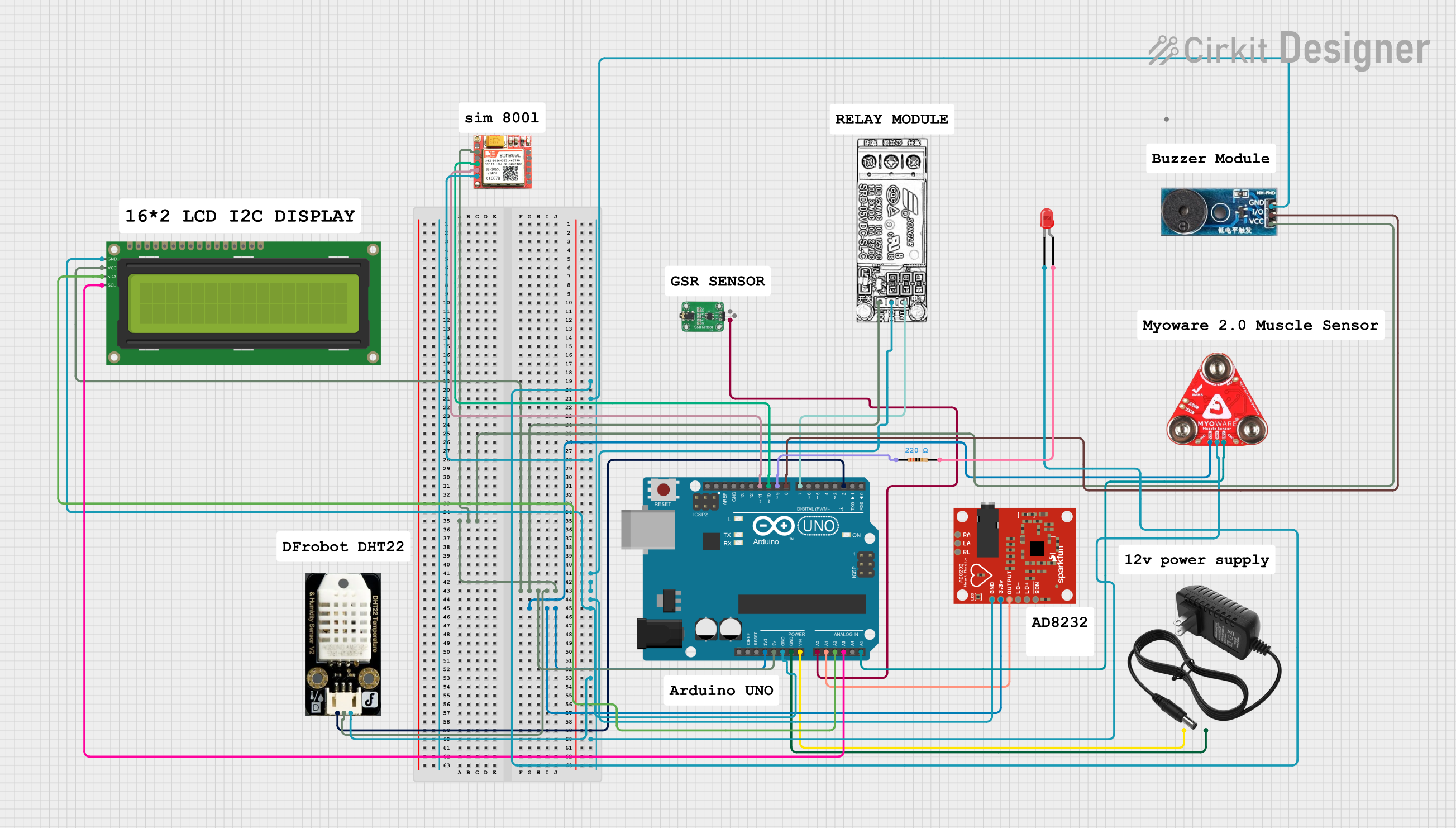 Open Project in Cirkit Designer
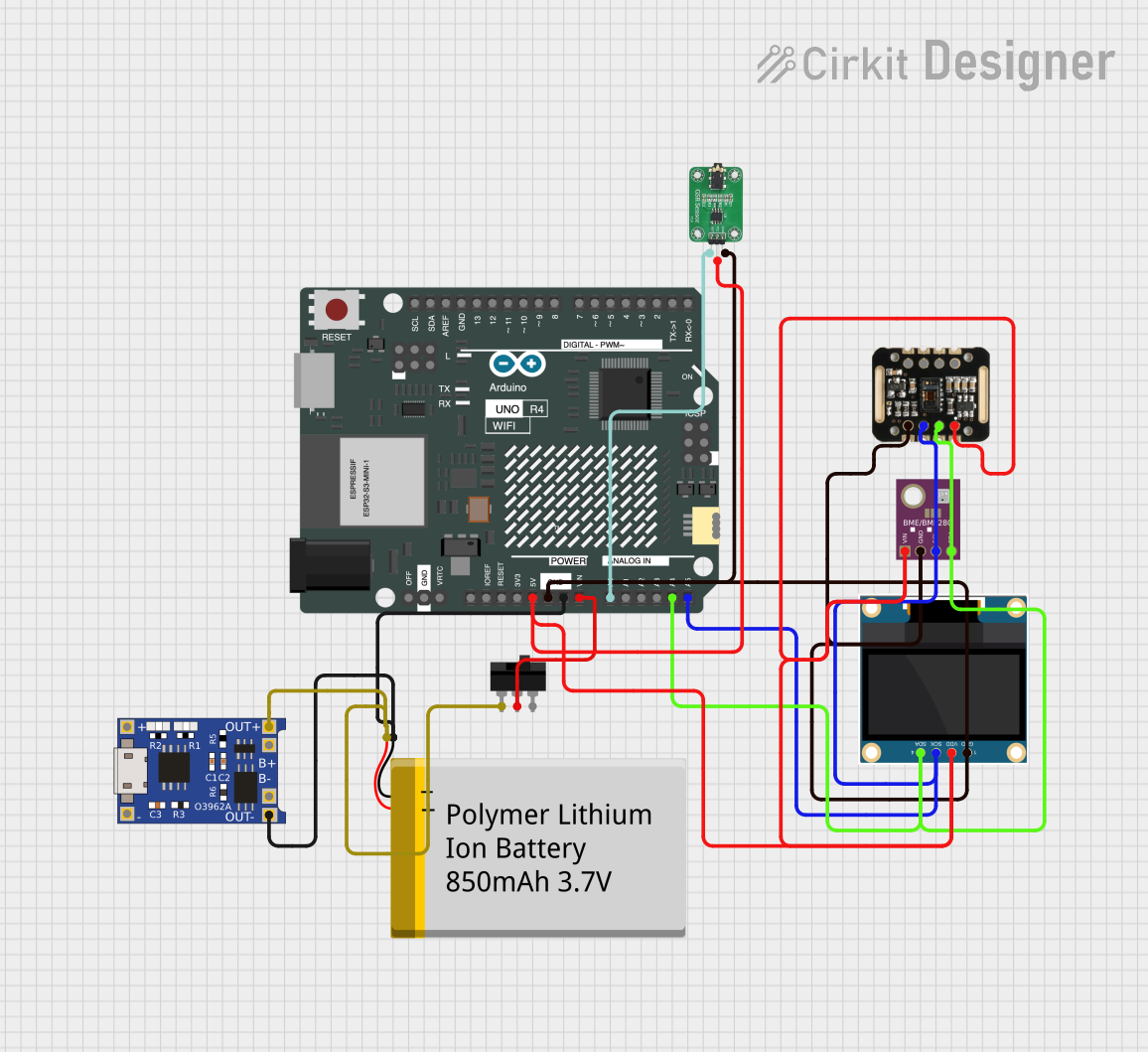 Open Project in Cirkit Designer
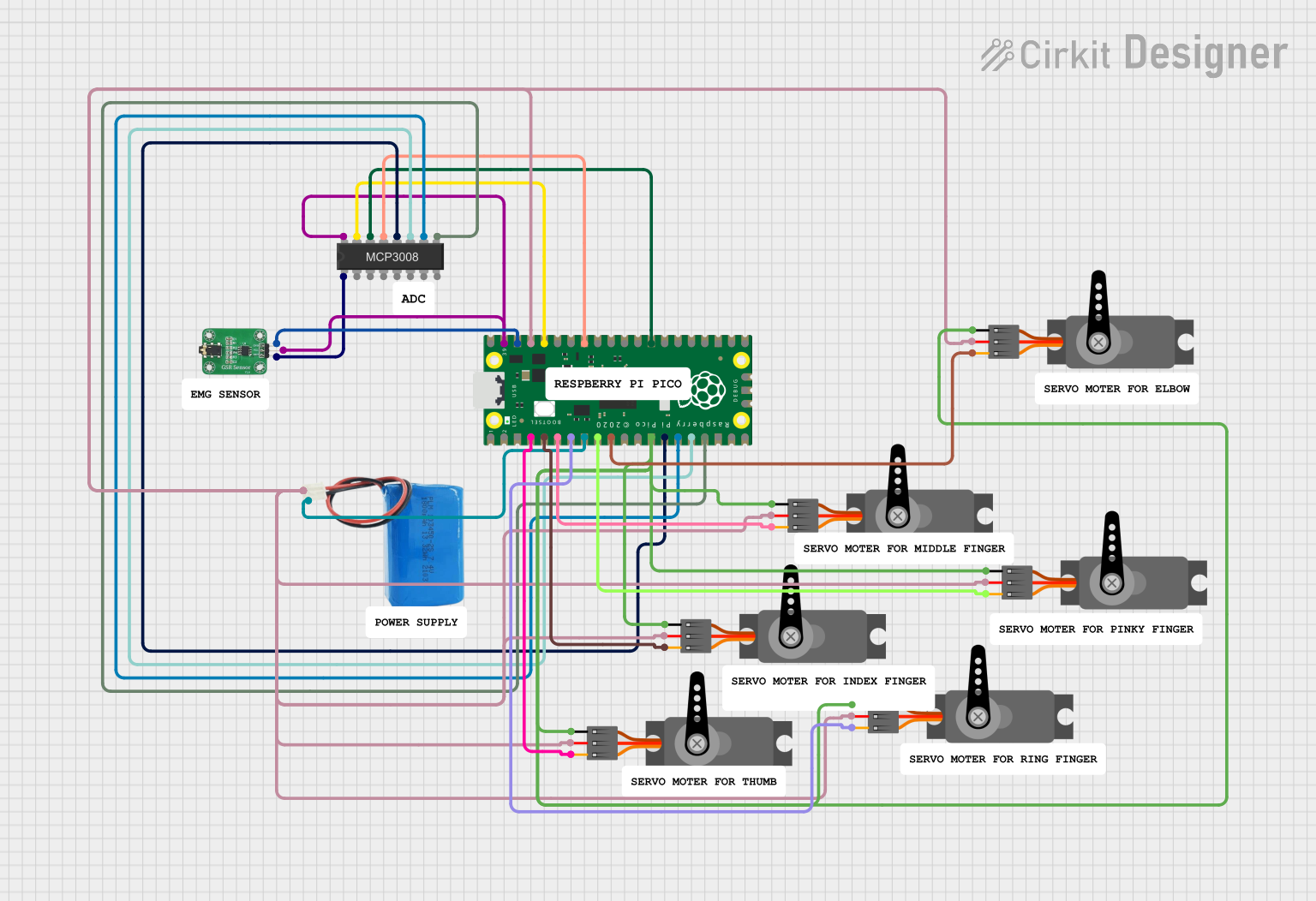 Open Project in Cirkit Designer
Explore Projects Built with GSR Sensor
Open Project in Cirkit DesignerOpen Project in Cirkit DesignerOpen Project in Cirkit DesignerOpen Project in Cirkit DesignerCommon Applications and Use Cases
- Psychological research to monitor emotional responses
- Stress detection and management systems
- Lie detection and polygraph devices
- Biofeedback systems for health and wellness
- Human-computer interaction studies
Technical Specifications
Below are the key technical details of a typical GSR sensor module:
| Parameter | Value |
|---|---|
| Operating Voltage | 3.3V - 5V |
| Output Signal Type | Analog Voltage |
| Output Voltage Range | 0V - 5V (depending on skin conductance) |
| Current Consumption | < 10mA |
| Sensor Type | Resistive (measures skin conductance) |
| Measurement Range | 1µS - 20µS (micro-Siemens) |
| Interface | Analog Output |
Pin Configuration and Descriptions
| Pin Name | Description |
|---|---|
| VCC | Power supply input (3.3V - 5V) |
| GND | Ground connection |
| OUT | Analog output signal (proportional to skin conductance) |
Usage Instructions
How to Use the GSR Sensor in a Circuit
- Power the Sensor: Connect the
VCCpin to a 3.3V or 5V power source and theGNDpin to the ground of your circuit. - Connect the Output: Connect the
OUTpin to an analog input pin of your microcontroller (e.g., Arduino UNO). - Attach Electrodes: Place the GSR sensor electrodes on the user's fingers. Ensure good skin contact for accurate readings.
- Read the Output: The sensor outputs an analog voltage that corresponds to the skin's conductance. Higher voltage indicates higher conductance (more sweat).
Important Considerations and Best Practices
- Electrode Placement: For best results, place the electrodes on the index and middle fingers of one hand. Avoid areas with excessive hair or dry skin.
- Calibration: GSR readings can vary between individuals. Perform a baseline calibration for each user to interpret the data accurately.
- Environmental Factors: Ensure the environment is free from excessive humidity or temperature fluctuations, as these can affect readings.
- Avoid Noise: Use shielded cables for the electrodes to minimize electrical noise in the signal.
Example: Using the GSR Sensor with Arduino UNO
Below is an example code snippet to read GSR sensor data using an Arduino UNO:
// Define the analog pin connected to the GSR sensor
const int GSR_PIN = A0;

void setup() {
  // Initialize serial communication for debugging
  Serial.begin(9600);
}

void loop() {
  // Read the analog value from the GSR sensor
  int gsrValue = analogRead(GSR_PIN);

  // Convert the analog value to a voltage (assuming 5V reference)
  float voltage = gsrValue * (5.0 / 1023.0);

  // Print the raw value and voltage to the Serial Monitor
  Serial.print("GSR Value: ");
  Serial.print(gsrValue);
  Serial.print(" | Voltage: ");
  Serial.println(voltage);

  // Add a small delay to avoid flooding the Serial Monitor
  delay(500);
}
Notes:
- Ensure the Arduino is powered via USB or an external power source.
- Use the Serial Monitor in the Arduino IDE to view the GSR readings in real time.
Troubleshooting and FAQs
Common Issues and Solutions
No Output or Constant Value
- Cause: Poor connection between the electrodes and the skin.
- Solution: Ensure the electrodes are securely attached and making good contact with the skin.
Fluctuating or Noisy Readings
- Cause: Electrical noise or poor grounding.
- Solution: Use shielded cables for the electrodes and ensure a proper ground connection.
Low Sensitivity
- Cause: Dry skin or improper electrode placement.
- Solution: Moisten the skin slightly or reposition the electrodes for better contact.
Inconsistent Readings Between Users
- Cause: Variations in individual skin conductance.
- Solution: Perform a baseline calibration for each user to normalize the readings.
FAQs
Q: Can the GSR sensor be used on other parts of the body?
A: Yes, but the fingers are the most common and convenient location. Other areas, such as the palm or wrist, can also be used, but results may vary.
Q: How do I interpret the GSR sensor's output?
A: Higher output voltage indicates higher skin conductance, which typically correlates with increased emotional arousal or stress.
Q: Is the GSR sensor safe to use?
A: Yes, the GSR sensor operates at low voltages and is safe for use on the skin. However, avoid using it on broken or irritated skin.
Q: Can I use the GSR sensor with a 3.3V microcontroller?
A: Yes, the sensor is compatible with both 3.3V and 5V systems. Ensure the output signal is within the input range of your microcontroller's ADC.
By following this documentation, you can effectively integrate and use a GSR sensor in your projects for emotional and physiological monitoring.