
How to Use LX - LCBST: Examples, Pinouts, and Specs
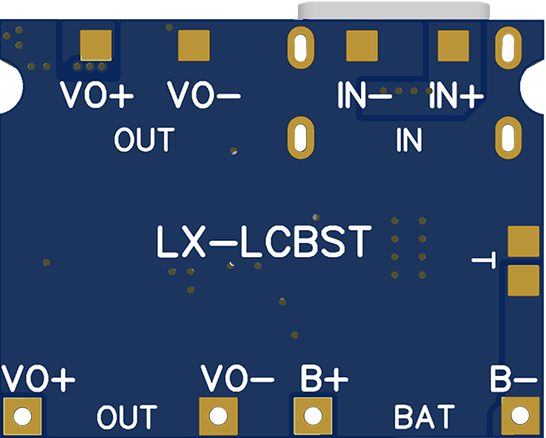
 Design with LX - LCBST in Cirkit Designer
Introduction
The LX - LCBST is a low-cost, high-performance linear current booster designed to enhance the output current of a circuit. It ensures stable and efficient power delivery, making it an ideal choice for applications requiring consistent current output under varying load conditions. This component is particularly useful in renewable energy systems, such as solar panels, where it maximizes power transfer by matching the load impedance to the source.
Explore Projects Built with LX - LCBST
 Open Project in Cirkit Designer
 Open Project in Cirkit Designer
 Open Project in Cirkit Designer
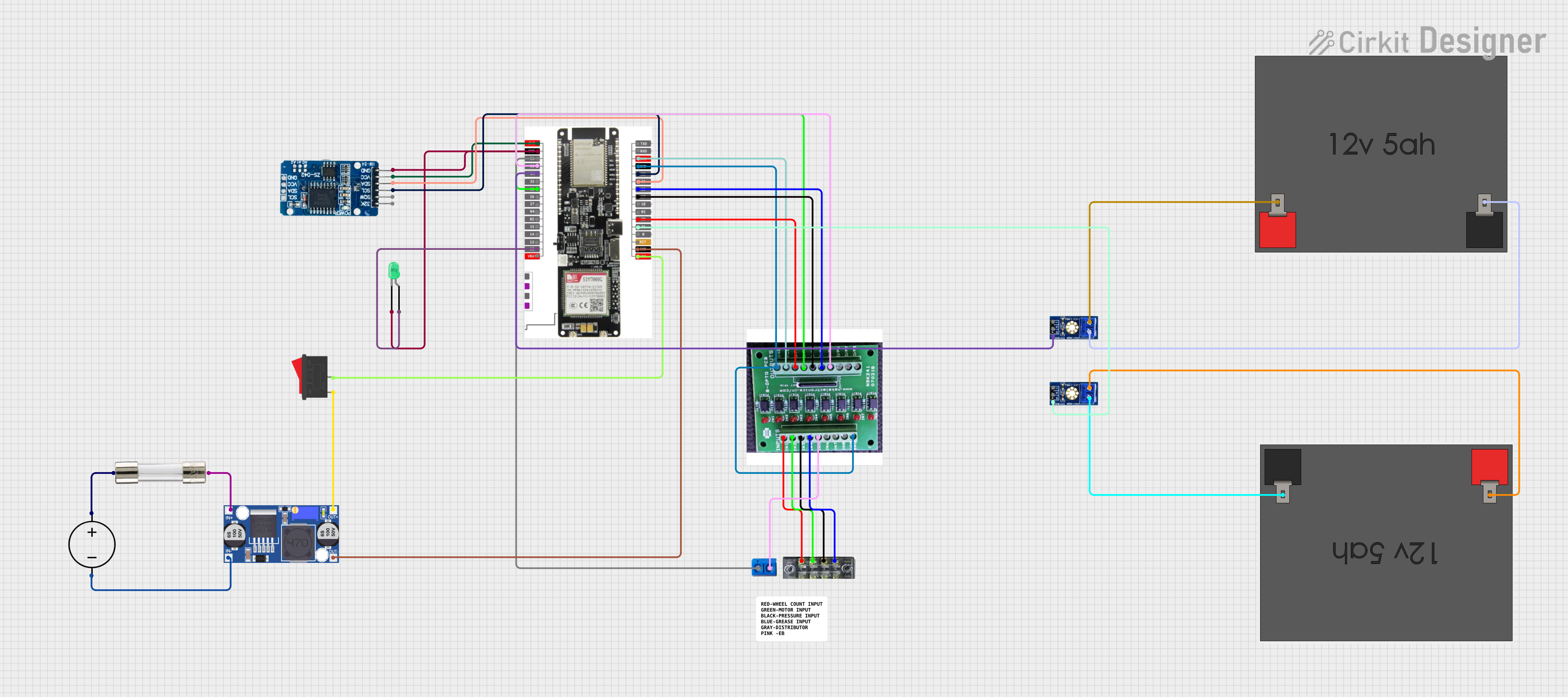 Open Project in Cirkit Designer
Explore Projects Built with LX - LCBST
Open Project in Cirkit DesignerOpen Project in Cirkit DesignerOpen Project in Cirkit DesignerOpen Project in Cirkit DesignerCommon Applications and Use Cases
- Solar power systems to improve energy transfer efficiency
- Battery charging circuits
- Motor drive systems
- LED lighting systems requiring stable current
- Low-voltage DC power supplies
Technical Specifications
The LX - LCBST is engineered to deliver reliable performance under a wide range of operating conditions. Below are its key technical details:
Key Specifications
| Parameter | Value |
|---|---|
| Input Voltage Range | 5V to 30V |
| Output Current Range | Up to 10A |
| Efficiency | Up to 95% |
| Operating Temperature | -40°C to +85°C |
| Quiescent Current | < 10mA |
| Maximum Power Dissipation | 2W |
| Package Type | TO-220 or DIP-8 |
Pin Configuration and Descriptions
The LX - LCBST typically comes in a TO-220 package with the following pinout:
| Pin Number | Pin Name | Description |
|---|---|---|
| 1 | VIN | Input voltage pin. Connect to the power source. |
| 2 | GND | Ground pin. Connect to the circuit ground. |
| 3 | VOUT | Output voltage pin. Connect to the load. |
| 4 | ENABLE | Enable pin. High to activate the booster. |
Usage Instructions
The LX - LCBST is straightforward to use in a variety of circuits. Below are the steps and considerations for integrating it into your design:
How to Use the Component in a Circuit
- Power Input: Connect the VIN pin to a DC power source within the specified input voltage range (5V to 30V).
- Ground Connection: Connect the GND pin to the ground of your circuit.
- Load Connection: Connect the VOUT pin to the load that requires boosted current.
- Enable Pin: If the ENABLE pin is available, ensure it is pulled high to activate the booster. You can use a microcontroller or a pull-up resistor for this purpose.
Important Considerations and Best Practices
- Heat Dissipation: The LX - LCBST can dissipate significant heat under high current loads. Use a heatsink with the TO-220 package to prevent overheating.
- Input Voltage: Ensure the input voltage is within the specified range to avoid damage to the component.
- Output Filtering: Add a capacitor (e.g., 100µF) at the output to reduce noise and improve stability.
- Current Limiting: If your load requires less current than the maximum output, consider adding a current-limiting resistor to protect the load.
- Reverse Polarity Protection: Use a diode at the input to prevent damage from reverse polarity connections.
Example: Using LX - LCBST with an Arduino UNO
The LX - LCBST can be controlled using an Arduino UNO to enable or disable the booster. Below is an example circuit and code:
Circuit Setup
- Connect the VIN pin to a 12V DC power source.
- Connect the GND pin to the Arduino GND.
- Connect the ENABLE pin to Arduino digital pin 7.
- Connect the VOUT pin to the load (e.g., a motor or LED array).
Arduino Code
// Define the pin connected to the ENABLE pin of LX - LCBST
const int enablePin = 7;

void setup() {
  // Set the ENABLE pin as an output
  pinMode(enablePin, OUTPUT);

  // Activate the LX - LCBST by setting the ENABLE pin HIGH
  digitalWrite(enablePin, HIGH);
}

void loop() {
  // The booster remains active in this example
  // Add your logic here to control the ENABLE pin as needed
}
Troubleshooting and FAQs
Common Issues and Solutions
No Output Current:
- Cause: The ENABLE pin is not properly connected or set to HIGH.
- Solution: Verify the ENABLE pin connection and ensure it is pulled high.
Overheating:
- Cause: Excessive current draw or insufficient heat dissipation.
- Solution: Use a heatsink and ensure the load does not exceed the maximum current rating.
Noise or Instability in Output:
- Cause: Insufficient output filtering.
- Solution: Add a capacitor (e.g., 100µF) across the output terminals.
Component Damage:
- Cause: Input voltage exceeds the specified range or reverse polarity connection.
- Solution: Verify the input voltage and use a reverse polarity protection diode.
FAQs
Q1: Can the LX - LCBST be used with AC input?
A1: No, the LX - LCBST is designed for DC input only. Use a rectifier circuit to convert AC to DC before connecting.
Q2: What is the maximum load the LX - LCBST can handle?
A2: The component can handle up to 10A of output current, provided proper heat dissipation is ensured.
Q3: Can I use the LX - LCBST for battery charging?
A3: Yes, it is suitable for battery charging applications. Ensure the output voltage and current are within the battery's specifications.
Q4: How do I disable the booster?
A4: Pull the ENABLE pin low (connect to GND) to disable the booster.
By following this documentation, you can effectively integrate the LX - LCBST into your electronic projects and ensure optimal performance.