
How to Use 120V AC Power Cable: Examples, Pinouts, and Specs
 Design with 120V AC Power Cable in Cirkit Designer
Introduction
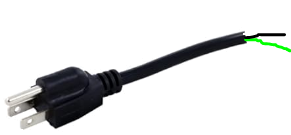
The 120V AC Power Cable is a robust and reliable cable designed to carry 120 volts of alternating current (AC) electricity. It is commonly used to connect electrical devices, appliances, and equipment to a standard power outlet. These cables are essential for powering a wide range of devices in residential, commercial, and industrial settings.
Explore Projects Built with 120V AC Power Cable
 Open Project in Cirkit Designer
 Open Project in Cirkit Designer
 Open Project in Cirkit Designer
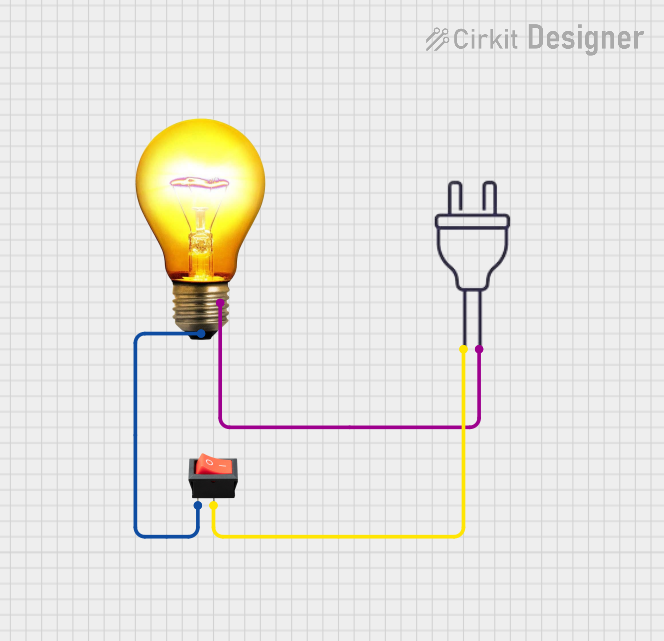 Open Project in Cirkit Designer
Explore Projects Built with 120V AC Power Cable
Open Project in Cirkit DesignerOpen Project in Cirkit DesignerOpen Project in Cirkit DesignerOpen Project in Cirkit DesignerCommon Applications and Use Cases
- Powering household appliances such as lamps, fans, and televisions.
- Connecting office equipment like computers, printers, and monitors.
- Supplying power to industrial tools and machinery.
- Temporary power connections for events or outdoor equipment.
Technical Specifications
The following table outlines the key technical details of a standard 120V AC Power Cable:
| Specification | Details |
|---|---|
| Voltage Rating | 120V AC |
| Current Rating | Typically 10A to 15A (varies by cable type and gauge) |
| Power Rating | Up to 1800W (based on 120V and 15A maximum) |
| Cable Type | 2-prong or 3-prong (grounded) |
| Conductor Material | Copper (standard) |
| Insulation Material | PVC or rubber |
| Plug Type | NEMA 1-15 (2-prong) or NEMA 5-15 (3-prong, grounded) |
| Cable Length | Varies (commonly 3ft, 6ft, 10ft, or longer) |
| Operating Temperature | -20°C to 60°C |
| Safety Certifications | UL Listed, CSA Certified (varies by manufacturer) |
Pin Configuration and Descriptions
For a 3-prong (grounded) 120V AC Power Cable, the pin configuration is as follows:
| Pin | Description |
|---|---|
| Hot (Live) | Carries the 120V AC current. Typically connected to the narrower blade of the plug. |
| Neutral | Returns current to the power source. Typically connected to the wider blade of the plug. |
| Ground | Provides a safety path for fault currents. Connected to the round pin (if present). |
For a 2-prong cable, only the Hot and Neutral pins are present.
Usage Instructions
How to Use the 120V AC Power Cable in a Circuit
- Inspect the Cable: Before use, check the cable for any visible damage, such as frayed insulation or bent prongs. Do not use a damaged cable.
- Connect to Device: Plug the cable into the power input socket of the device you wish to power.
- Plug into Power Source: Insert the other end of the cable into a standard 120V AC wall outlet.
- Power On the Device: Turn on the connected device to ensure it receives power.
Important Considerations and Best Practices
- Cable Gauge: Ensure the cable gauge is appropriate for the current draw of your device. For high-power devices, use a thicker cable (lower AWG number).
- Grounding: Use a 3-prong cable for devices that require grounding to ensure safety.
- Avoid Overloading: Do not exceed the cable's current or power rating, as this can cause overheating or fire hazards.
- Cable Placement: Avoid running the cable under rugs or through high-traffic areas to prevent wear and tear.
- Outdoor Use: If using the cable outdoors, ensure it is rated for outdoor use and protected from moisture.
Example: Connecting to an Arduino UNO
While the 120V AC Power Cable itself is not directly connected to an Arduino UNO, it can be used to power a 5V DC power adapter, which in turn powers the Arduino. Below is an example of Arduino code to control a device powered by a relay module connected to a 120V AC source.
// Example: Controlling a 120V AC device using a relay module and Arduino UNO

const int relayPin = 7; // Pin connected to the relay module

void setup() {
  pinMode(relayPin, OUTPUT); // Set relay pin as output
  digitalWrite(relayPin, LOW); // Ensure relay is off at startup
}

void loop() {
  digitalWrite(relayPin, HIGH); // Turn on the relay (and the connected device)
  delay(5000); // Keep the device on for 5 seconds
  digitalWrite(relayPin, LOW); // Turn off the relay
  delay(5000); // Keep the device off for 5 seconds
}
Note: Always exercise caution when working with 120V AC power. Ensure proper isolation and use a relay module rated for 120V AC.
Troubleshooting and FAQs
Common Issues Users Might Face
Cable Does Not Power Device:
- Cause: Loose connection or damaged cable.
- Solution: Ensure the cable is securely plugged into both the device and the power outlet. Inspect the cable for damage and replace if necessary.
Overheating Cable:
- Cause: Exceeding the cable's current or power rating.
- Solution: Use a cable with a higher current rating or reduce the load on the cable.
Device Trips Circuit Breaker:
- Cause: Faulty device or short circuit in the cable.
- Solution: Test the device with a different cable. If the issue persists, inspect the device for faults.
Ground Pin Missing or Damaged:
- Cause: Wear and tear or improper handling.
- Solution: Replace the cable immediately. Do not use a cable with a missing or damaged ground pin.
FAQs
Q: Can I use a 2-prong cable for a device that requires grounding?
A: No, devices that require grounding must use a 3-prong cable to ensure safety.
Q: Is it safe to use an extension cord with a 120V AC Power Cable?
A: Yes, but ensure the extension cord is rated for the same or higher current as the power cable and device.
Q: Can I repair a damaged 120V AC Power Cable?
A: It is not recommended to repair damaged cables. Replace the cable to ensure safety and compliance with electrical standards.
Q: How do I know if my cable is rated for outdoor use?
A: Check the cable's insulation markings or packaging for an outdoor rating (e.g., "SJTW" or "Outdoor Use").