Cirkit Designer Logo
Cirkit Designer
Your all-in-one circuit design IDE
Home / 
Component Documentation

How to Use BH1750FVI: Examples, Pinouts, and Specs
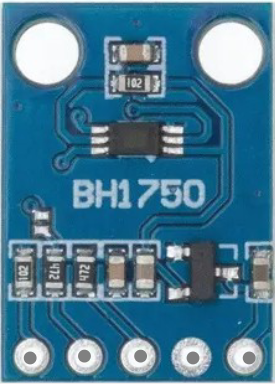

Image of BH1750FVI
Cirkit Designer LogoDesign with BH1750FVI in Cirkit Designer

Introduction

The BH1750FVI is a digital light sensor manufactured by CHINO. It is designed to measure ambient light levels with high accuracy and low power consumption. The sensor communicates via the I2C interface, making it easy to integrate into a wide range of electronic projects and devices. Its compact design and precise measurements make it ideal for applications such as:

  • Automatic brightness adjustment in smartphones and tablets
  • Smart home lighting systems
  • Industrial light monitoring
  • Wearable devices
  • IoT applications requiring light sensing

Explore Projects Built with BH1750FVI
Use Cirkit Designer to design, explore, and prototype these projects online. Some projects support real-time simulation. Click "Open Project" to start designing instantly!
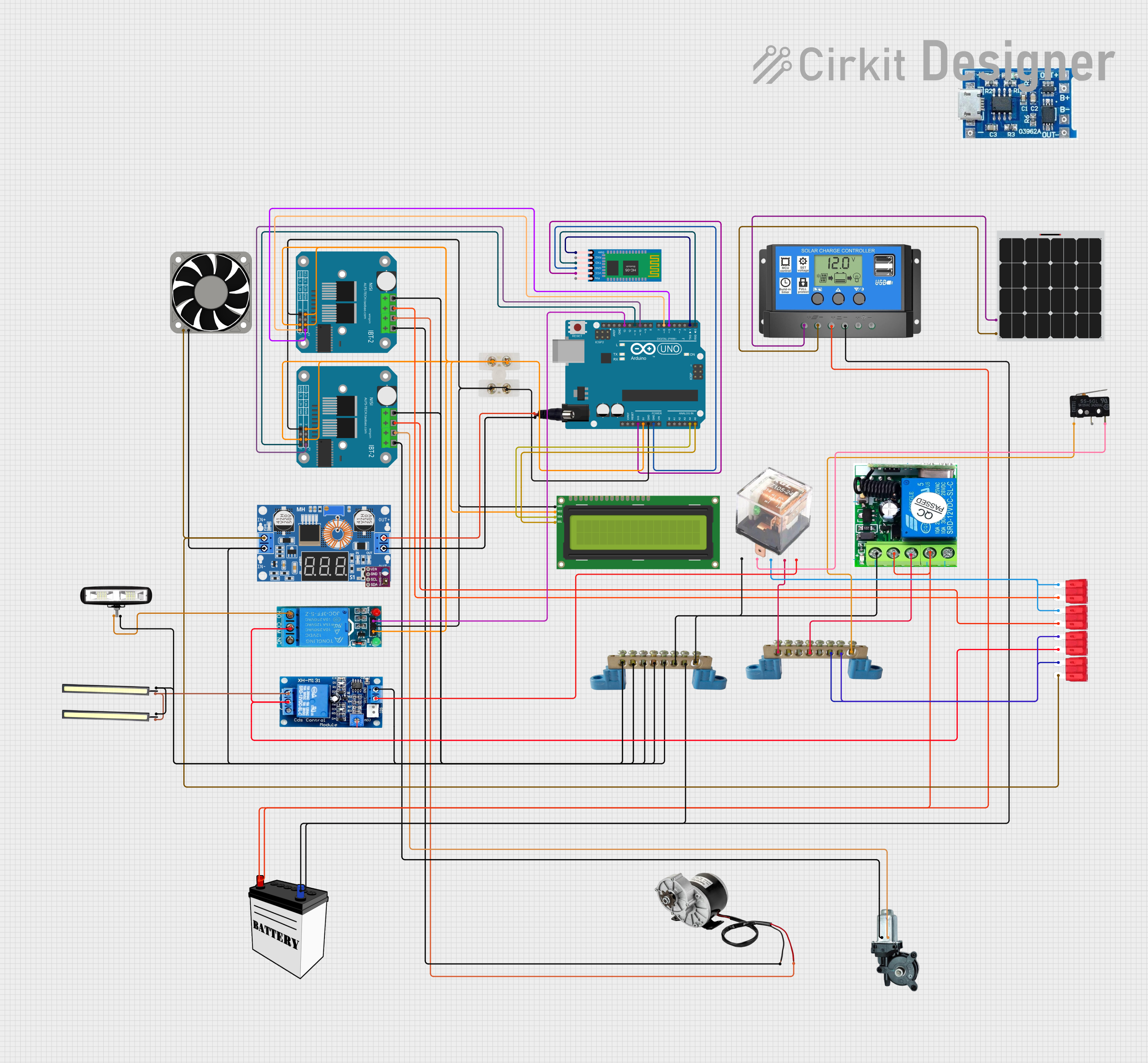
Arduino UNO Controlled Bluetooth Interface for Motorized Window and Environmental Sensing
Image of smart trolly: A project utilizing BH1750FVI in a practical application
This circuit features an Arduino UNO microcontroller interfacing with an HC-05 Bluetooth module for wireless control, an I2C LCD for display, and dual BTS7960 motor drivers to operate a high-power DC motor and a car power window motor. It includes a solar-powered charging system for the 12V battery, with power regulation and distribution managed by relays, fuses, and a buck converter. The system is designed for remote monitoring and control, with visual feedback provided by LEDs.
Cirkit Designer LogoOpen Project in Cirkit Designer
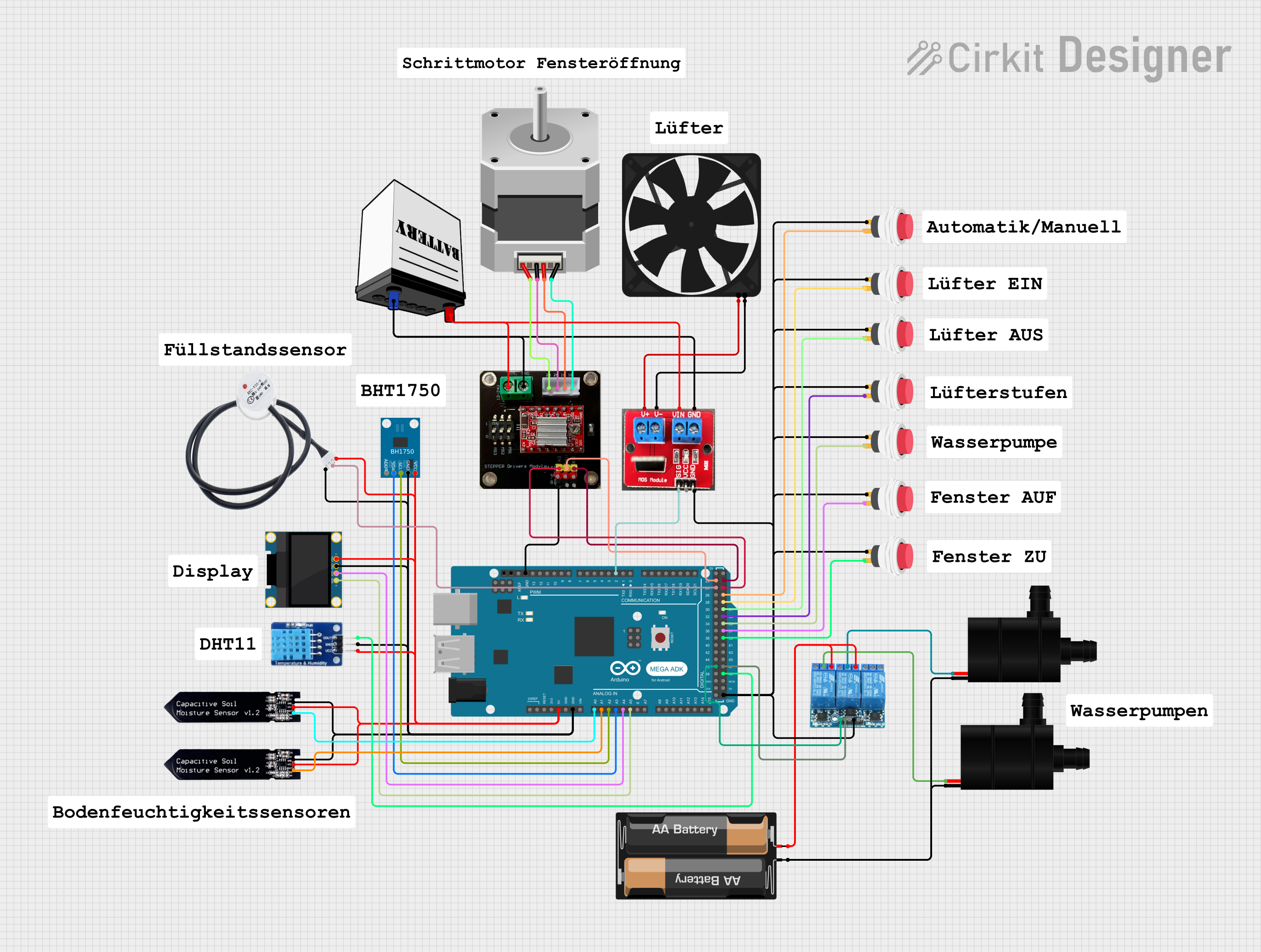
Arduino Mega ADK Automated Plant Watering and Environmental Monitoring System
Image of Automatisierungsprojekt Mega: A project utilizing BH1750FVI in a practical application
This circuit features an Arduino Mega ADK as the central microcontroller, interfacing with a variety of sensors and actuators. It includes a BH1750 light sensor and a DHT11 temperature and humidity sensor for environmental monitoring, both interfacing via I2C. The system controls a stepper motor via an A4988 driver, two water pumps through a 3-channel relay, and a fan using an IRF520 PWM module, with several push switches to trigger inputs. An OLED display provides a user interface, and soil moisture levels are monitored with two soil sensors. A non-contact water level sensor is also included for liquid level detection.
Cirkit Designer LogoOpen Project in Cirkit Designer
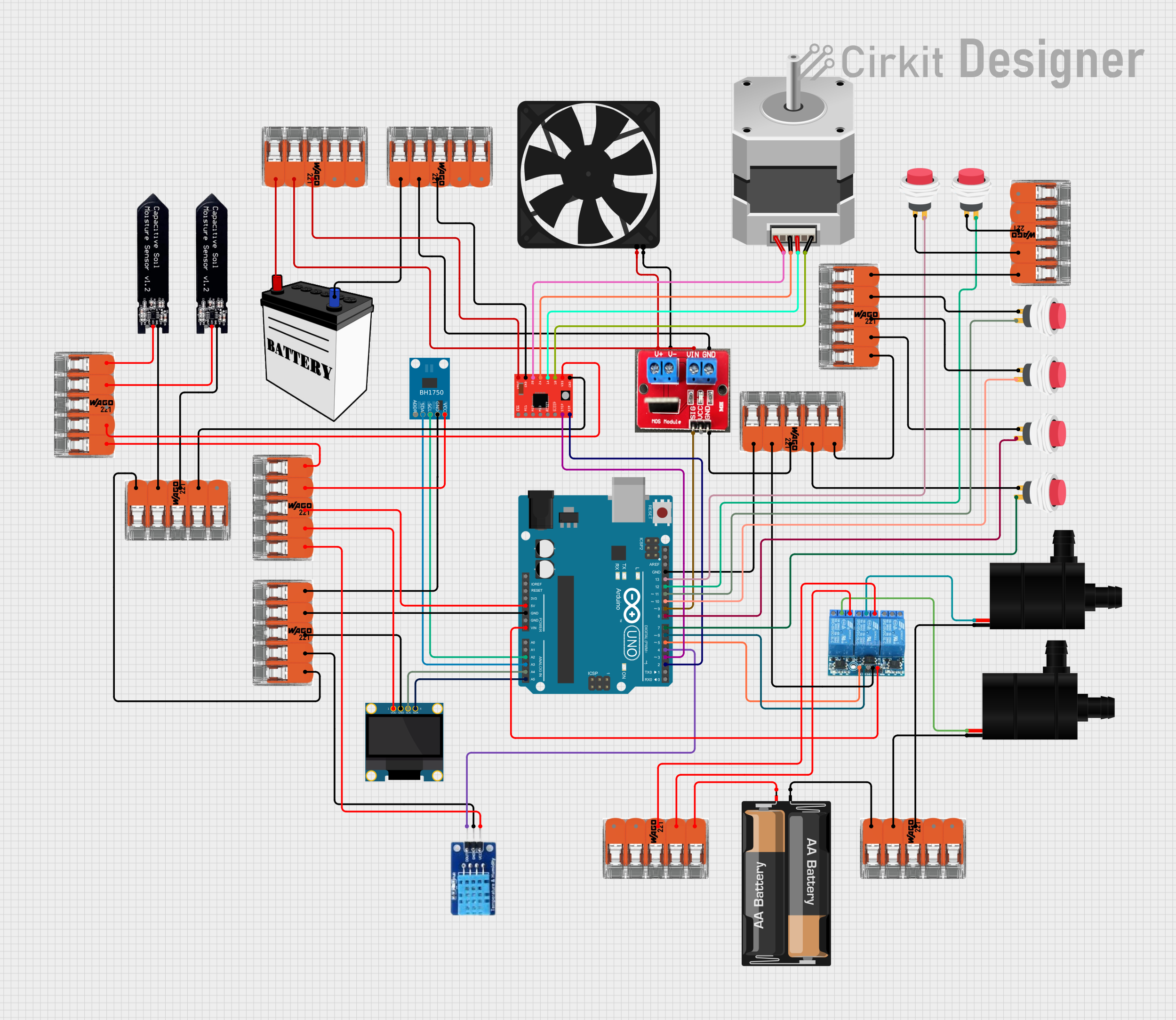
Arduino UNO Based Automated Plant Watering System with Environmental Monitoring
Image of Automatisierungsprojekt: A project utilizing BH1750FVI in a practical application
This circuit is designed to monitor environmental conditions and control peripheral devices. It features light and temperature/humidity sensing, visual output on an OLED display, and actuation of a fan, water pumps, and a stepper motor. Power management and distribution are facilitated by splicing connectors, and the system is controlled by an Arduino UNO, which currently has placeholder code for customization.
Cirkit Designer LogoOpen Project in Cirkit Designer
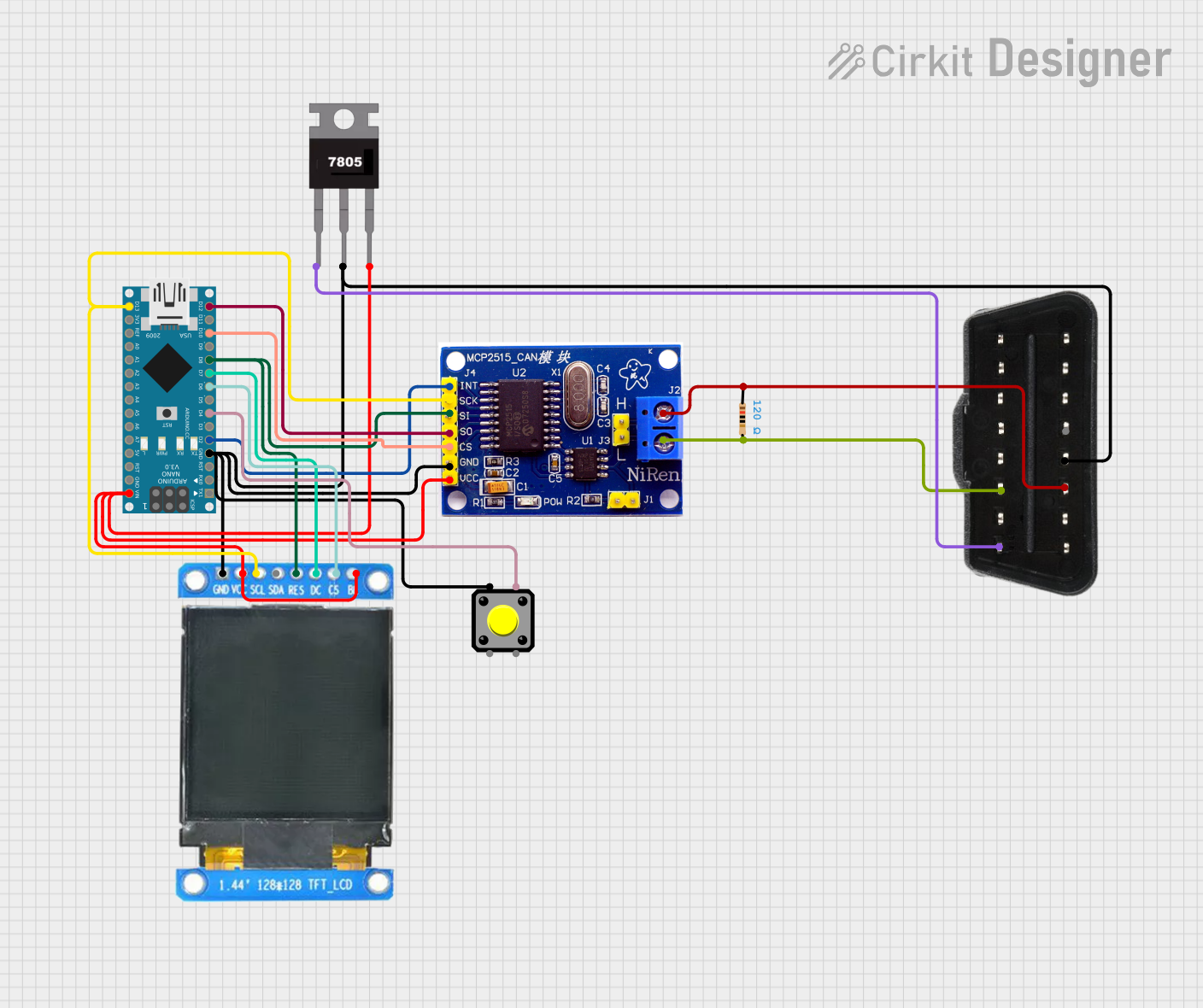
Arduino Nano OBD-II Data Logger with TFT Display and CAN Bus Interface
Image of inzynierka: A project utilizing BH1750FVI in a practical application
This circuit is an OBD-II vehicle diagnostic interface that uses an Arduino Nano to communicate with a vehicle's CAN bus via an MCP2515 CAN controller. It includes a 7805 voltage regulator to step down the vehicle's 12V supply to 5V, powering the Arduino and other components, and a 1.44-inch TFT display for visual output. A pushbutton is also included for user interaction.
Cirkit Designer LogoOpen Project in Cirkit Designer

Explore Projects Built with BH1750FVI

Use Cirkit Designer to design, explore, and prototype these projects online. Some projects support real-time simulation. Click "Open Project" to start designing instantly!
Image of smart trolly: A project utilizing BH1750FVI in a practical application
Arduino UNO Controlled Bluetooth Interface for Motorized Window and Environmental Sensing
This circuit features an Arduino UNO microcontroller interfacing with an HC-05 Bluetooth module for wireless control, an I2C LCD for display, and dual BTS7960 motor drivers to operate a high-power DC motor and a car power window motor. It includes a solar-powered charging system for the 12V battery, with power regulation and distribution managed by relays, fuses, and a buck converter. The system is designed for remote monitoring and control, with visual feedback provided by LEDs.
Cirkit Designer LogoOpen Project in Cirkit Designer
Image of Automatisierungsprojekt Mega: A project utilizing BH1750FVI in a practical application
Arduino Mega ADK Automated Plant Watering and Environmental Monitoring System
This circuit features an Arduino Mega ADK as the central microcontroller, interfacing with a variety of sensors and actuators. It includes a BH1750 light sensor and a DHT11 temperature and humidity sensor for environmental monitoring, both interfacing via I2C. The system controls a stepper motor via an A4988 driver, two water pumps through a 3-channel relay, and a fan using an IRF520 PWM module, with several push switches to trigger inputs. An OLED display provides a user interface, and soil moisture levels are monitored with two soil sensors. A non-contact water level sensor is also included for liquid level detection.
Cirkit Designer LogoOpen Project in Cirkit Designer
Image of Automatisierungsprojekt: A project utilizing BH1750FVI in a practical application
Arduino UNO Based Automated Plant Watering System with Environmental Monitoring
This circuit is designed to monitor environmental conditions and control peripheral devices. It features light and temperature/humidity sensing, visual output on an OLED display, and actuation of a fan, water pumps, and a stepper motor. Power management and distribution are facilitated by splicing connectors, and the system is controlled by an Arduino UNO, which currently has placeholder code for customization.
Cirkit Designer LogoOpen Project in Cirkit Designer
Image of inzynierka: A project utilizing BH1750FVI in a practical application
Arduino Nano OBD-II Data Logger with TFT Display and CAN Bus Interface
This circuit is an OBD-II vehicle diagnostic interface that uses an Arduino Nano to communicate with a vehicle's CAN bus via an MCP2515 CAN controller. It includes a 7805 voltage regulator to step down the vehicle's 12V supply to 5V, powering the Arduino and other components, and a 1.44-inch TFT display for visual output. A pushbutton is also included for user interaction.
Cirkit Designer LogoOpen Project in Cirkit Designer

Technical Specifications

The following table outlines the key technical details of the BH1750FVI:

Parameter Value
Operating Voltage (Vcc) 2.4V to 3.6V
Operating Current 0.12 mA (typical)
Measurement Range 1 lux to 65535 lux
Communication Interface I2C (7-bit address: 0x23 or 0x5C)
Light Resolution 1 lux
Operating Temperature -40°C to +85°C
Power Down Current 0.01 µA (typical)

Pin Configuration and Descriptions

The BH1750FVI has six pins, as described in the table below:

Pin Name Pin Number Description
VCC 1 Power supply (2.4V to 3.6V)
GND 2 Ground
SDA 3 Serial Data Line for I2C communication
SCL 4 Serial Clock Line for I2C communication
ADDR 5 I2C address selection (Low: 0x23, High: 0x5C)
NC 6 Not connected (leave floating or grounded)

Usage Instructions

How to Use the BH1750FVI in a Circuit

  1. Power Supply: Connect the VCC pin to a 3.3V power source and the GND pin to ground.
  2. I2C Communication: Connect the SDA and SCL pins to the corresponding I2C pins on your microcontroller (e.g., Arduino UNO).
  3. I2C Address Selection: Use the ADDR pin to select the I2C address:
    • Connect ADDR to GND for address 0x23.
    • Connect ADDR to VCC for address 0x5C.
  4. Pull-Up Resistors: Add 4.7kΩ pull-up resistors to the SDA and SCL lines if not already present on your microcontroller board.
  5. Initialization: Initialize the sensor in your code by sending the appropriate commands over I2C.

Important Considerations and Best Practices

  • Avoid exposing the sensor to direct sunlight for extended periods, as it may affect accuracy.
  • Place the sensor in a location where it can measure ambient light without obstructions.
  • Use decoupling capacitors (e.g., 0.1 µF) near the VCC pin to reduce noise.
  • Ensure proper I2C bus termination with pull-up resistors.

Example Code for Arduino UNO

Below is an example of how to use the BH1750FVI with an Arduino UNO:

#include <Wire.h>
#include <BH1750.h>

// Create an instance of the BH1750 library
BH1750 lightMeter;

void setup() {
  Serial.begin(9600); // Initialize serial communication at 9600 baud
  Wire.begin();       // Initialize I2C communication

  // Initialize the BH1750 sensor in continuous high-resolution mode
  if (lightMeter.begin(BH1750::CONTINUOUS_HIGH_RES_MODE)) {
    Serial.println("BH1750 initialized successfully");
  } else {
    Serial.println("Error initializing BH1750");
    while (1); // Halt execution if initialization fails
  }
}

void loop() {
  // Read light level in lux
  float lux = lightMeter.readLightLevel();

  // Print the light level to the serial monitor
  Serial.print("Light Level: ");
  Serial.print(lux);
  Serial.println(" lux");

  delay(1000); // Wait for 1 second before the next reading
}

Notes:

  • Install the BH1750 library from the Arduino Library Manager before running the code.
  • Ensure the I2C address in the library matches the hardware configuration (default: 0x23).

Troubleshooting and FAQs

Common Issues

  1. No Response from the Sensor

    • Cause: Incorrect I2C wiring or address mismatch.
    • Solution: Verify the SDA and SCL connections and ensure the ADDR pin is configured correctly.
  2. Inaccurate Light Measurements

    • Cause: Sensor placement or environmental factors (e.g., direct sunlight).
    • Solution: Reposition the sensor to avoid obstructions or direct light exposure.
  3. Arduino Freezes During Operation

    • Cause: I2C communication issues or missing pull-up resistors.
    • Solution: Check the I2C bus for proper pull-up resistors and ensure stable connections.

FAQs

Q1: Can the BH1750FVI operate at 5V?
A1: No, the BH1750FVI operates at a voltage range of 2.4V to 3.6V. Use a level shifter if interfacing with a 5V system.

Q2: How do I change the measurement mode?
A2: The BH1750FVI supports multiple modes (e.g., high-resolution, low-resolution). Use the appropriate commands in your code to switch modes.

Q3: What is the maximum I2C clock speed supported?
A3: The BH1750FVI supports I2C clock speeds up to 400 kHz (Fast Mode).

By following this documentation, you can effectively integrate the BH1750FVI into your projects and achieve accurate ambient light measurements.