Cirkit Designer Logo
Cirkit Designer
Your all-in-one circuit design IDE
Home / 
Component Documentation

How to Use LM2931_FIXED: Examples, Pinouts, and Specs
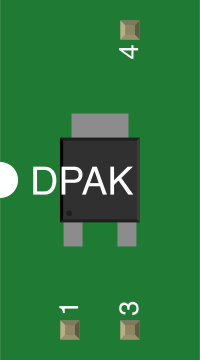

Image of LM2931_FIXED
Cirkit Designer LogoDesign with LM2931_FIXED in Cirkit Designer

Introduction

The LM2931_FIXED is a low-dropout voltage regulator designed to provide a stable and regulated output voltage with a maximum output current of 1A. Manufactured by Generic (Part ID: LM2931 fixed DPAK), this component is ideal for applications requiring efficient power regulation in compact designs. It features built-in thermal shutdown and current limiting, ensuring reliable operation and protection against overcurrent and overheating conditions.

Explore Projects Built with LM2931_FIXED
Use Cirkit Designer to design, explore, and prototype these projects online. Some projects support real-time simulation. Click "Open Project" to start designing instantly!
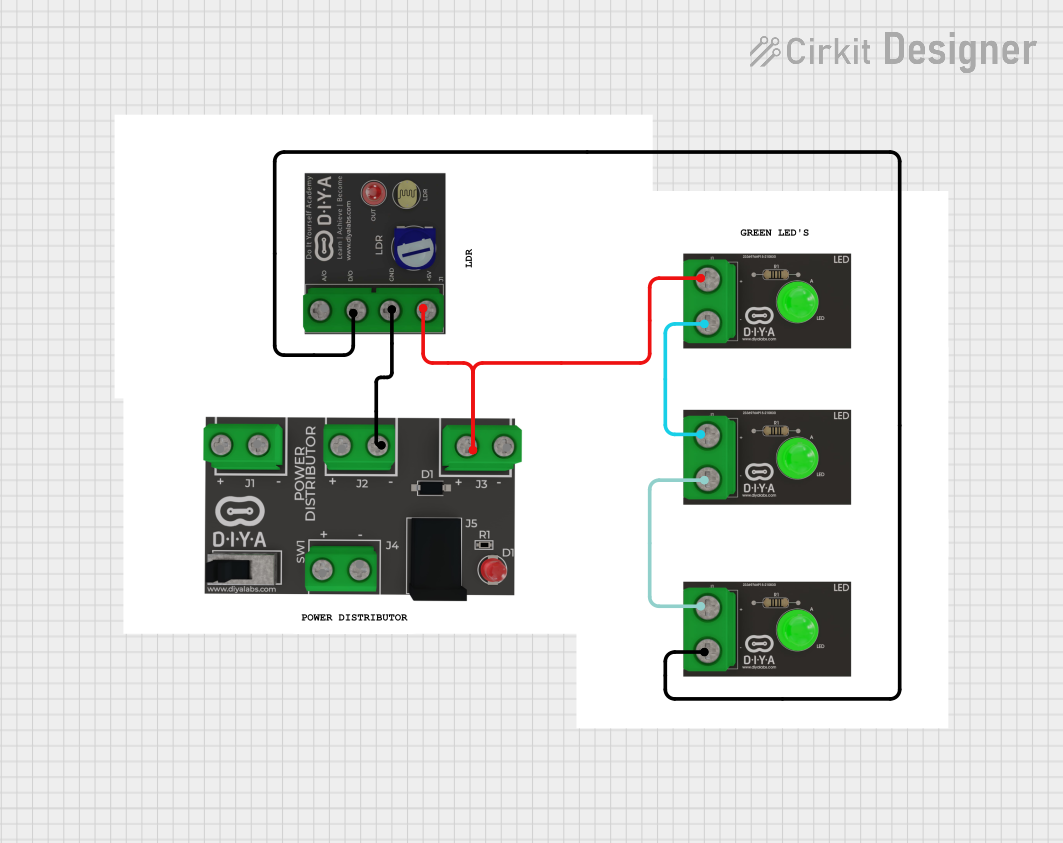
LDR-Controlled LED Lighting System
Image of automatic street light: A project utilizing LM2931_FIXED in a practical application
This circuit appears to be a simple light-detection system that uses an LDR (Light Dependent Resistor) to control the state of multiple green LEDs. The LDR's analog output (AO) is not connected, suggesting that the circuit uses the digital output (DO) to directly drive one LED, while the other LEDs are wired in parallel to the LDR's power supply (Vcc). The Pd (presumably a power distribution component) provides the necessary voltage levels to the LDR and LEDs.
Cirkit Designer LogoOpen Project in Cirkit Designer
Arduino-Controlled Solar-Powered Light Tracking System
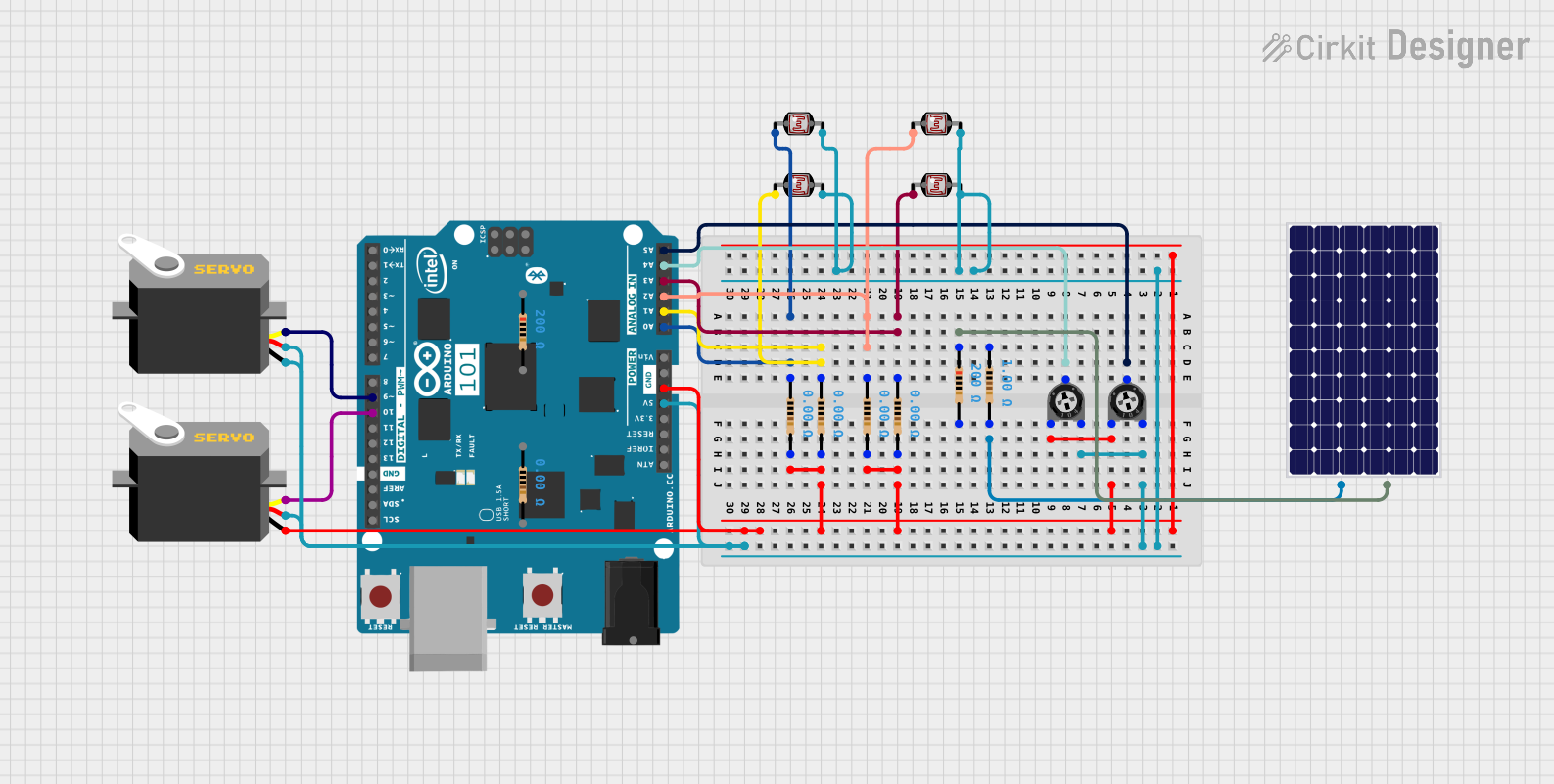
Image of dido: A project utilizing LM2931_FIXED in a practical application
This circuit appears to be a light-responsive control system for two servo motors, with the Arduino 101 microcontroller as the central processing unit. The photocells (LDRs) are connected to the Arduino's analog inputs through resistors, likely forming voltage dividers to measure light levels. The trimmer potentiometers are connected to other analog inputs for adjustable thresholds or settings, and the servos are controlled by PWM outputs from the Arduino.
Cirkit Designer LogoOpen Project in Cirkit Designer
Arduino and ESP32-Based Smart Garden System with Soil Moisture and Environmental Sensors
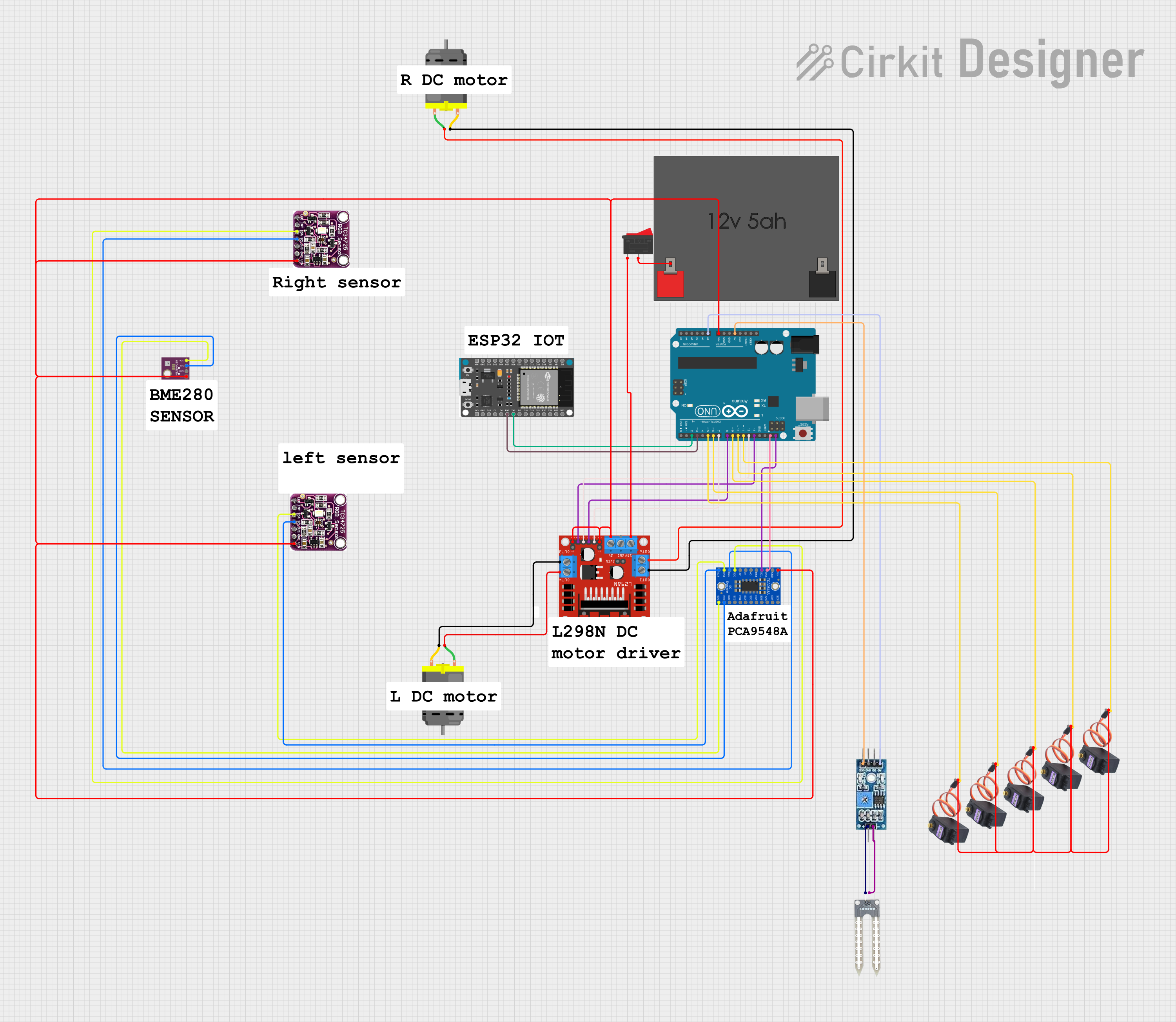
Image of green robot: A project utilizing LM2931_FIXED in a practical application
This circuit is an automated environmental monitoring and control system. It uses an Arduino UNO to interface with various sensors (soil moisture, color light, and environmental) and control actuators (DC motors and servos) through an L298N motor driver and an ESP32 Devkit V1. The system collects data from the sensors and adjusts the actuators accordingly to maintain desired environmental conditions.
Cirkit Designer LogoOpen Project in Cirkit Designer
Arduino-Controlled Light-Tracking Servo System with L298N Motor Driver and ESP32-CAM
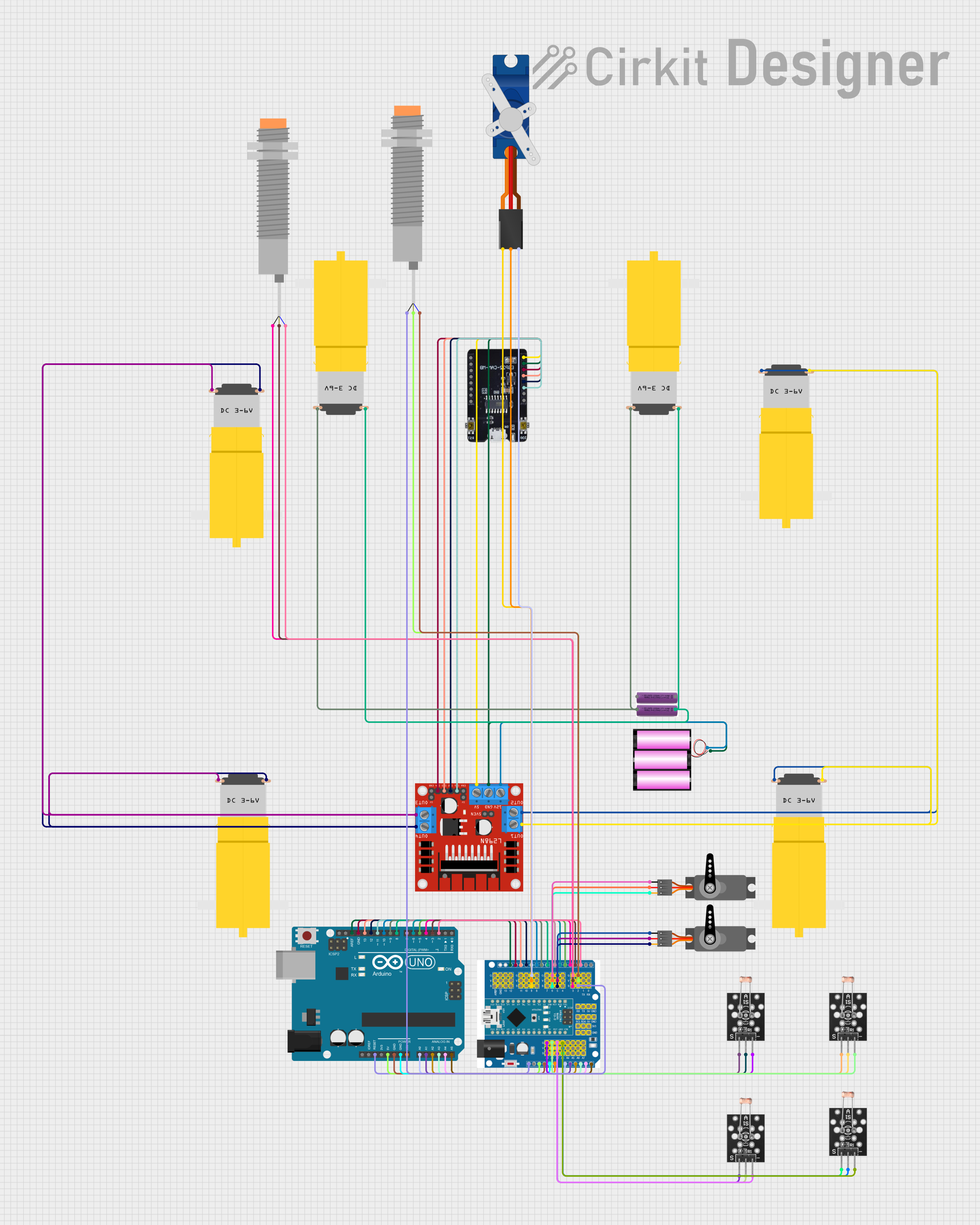
Image of STAR: A project utilizing LM2931_FIXED in a practical application
This circuit is designed to control a set of DC motors using an L298N motor driver module, which is interfaced with an ESP32-CAM module for control signals. Additionally, the circuit includes an Arduino UNO with an expansion board that manages a set of servos and LDR photoresistors to create a light-tracking system, as indicated by the embedded code which adjusts servo positions based on light sensor readings. The motors and servos are powered by separate 12V and 3.7V batteries, respectively, and the system includes inductive proximity sensors for object detection.
Cirkit Designer LogoOpen Project in Cirkit Designer

Explore Projects Built with LM2931_FIXED

Use Cirkit Designer to design, explore, and prototype these projects online. Some projects support real-time simulation. Click "Open Project" to start designing instantly!
Image of automatic street light: A project utilizing LM2931_FIXED in a practical application
LDR-Controlled LED Lighting System
This circuit appears to be a simple light-detection system that uses an LDR (Light Dependent Resistor) to control the state of multiple green LEDs. The LDR's analog output (AO) is not connected, suggesting that the circuit uses the digital output (DO) to directly drive one LED, while the other LEDs are wired in parallel to the LDR's power supply (Vcc). The Pd (presumably a power distribution component) provides the necessary voltage levels to the LDR and LEDs.
Cirkit Designer LogoOpen Project in Cirkit Designer
Image of dido: A project utilizing LM2931_FIXED in a practical application
Arduino-Controlled Solar-Powered Light Tracking System
This circuit appears to be a light-responsive control system for two servo motors, with the Arduino 101 microcontroller as the central processing unit. The photocells (LDRs) are connected to the Arduino's analog inputs through resistors, likely forming voltage dividers to measure light levels. The trimmer potentiometers are connected to other analog inputs for adjustable thresholds or settings, and the servos are controlled by PWM outputs from the Arduino.
Cirkit Designer LogoOpen Project in Cirkit Designer
Image of green robot: A project utilizing LM2931_FIXED in a practical application
Arduino and ESP32-Based Smart Garden System with Soil Moisture and Environmental Sensors
This circuit is an automated environmental monitoring and control system. It uses an Arduino UNO to interface with various sensors (soil moisture, color light, and environmental) and control actuators (DC motors and servos) through an L298N motor driver and an ESP32 Devkit V1. The system collects data from the sensors and adjusts the actuators accordingly to maintain desired environmental conditions.
Cirkit Designer LogoOpen Project in Cirkit Designer
Image of STAR: A project utilizing LM2931_FIXED in a practical application
Arduino-Controlled Light-Tracking Servo System with L298N Motor Driver and ESP32-CAM
This circuit is designed to control a set of DC motors using an L298N motor driver module, which is interfaced with an ESP32-CAM module for control signals. Additionally, the circuit includes an Arduino UNO with an expansion board that manages a set of servos and LDR photoresistors to create a light-tracking system, as indicated by the embedded code which adjusts servo positions based on light sensor readings. The motors and servos are powered by separate 12V and 3.7V batteries, respectively, and the system includes inductive proximity sensors for object detection.
Cirkit Designer LogoOpen Project in Cirkit Designer

Common Applications

  • Automotive electronics
  • Battery-powered devices
  • Microcontroller-based systems
  • Industrial control systems
  • Consumer electronics

Technical Specifications

Key Technical Details

Parameter Value
Input Voltage Range 4.3V to 26V
Output Voltage (Fixed) 5V (typical)
Maximum Output Current 1A
Dropout Voltage 0.5V (typical at 1A load)
Quiescent Current 10mA (typical)
Operating Temperature Range -40°C to +125°C
Protection Features Thermal shutdown, current limit

Pin Configuration and Descriptions

The LM2931_FIXED is commonly available in a DPAK package. Below is the pinout description:

Pin Number Pin Name Description
1 Input Unregulated input voltage (4.3V to 26V)
2 Ground Ground reference for the regulator
3 Output Regulated output voltage (5V fixed)
Tab Ground Thermal and electrical ground connection

Usage Instructions

How to Use the LM2931_FIXED in a Circuit

  1. Input Capacitor: Connect a capacitor (typically 0.33µF) between the input pin and ground to stabilize the input voltage and reduce noise.
  2. Output Capacitor: Connect a capacitor (typically 22µF) between the output pin and ground to ensure stability and improve transient response.
  3. Load Connection: Connect the load to the output pin, ensuring the total current does not exceed 1A.
  4. Thermal Considerations: Mount the DPAK package on a PCB with adequate thermal dissipation to prevent overheating.

Example Circuit

Below is a basic application circuit for the LM2931_FIXED:

   Input Voltage (4.3V-26V)
           |
           |
          [C1]  (0.33µF)
           |
           |-----> Input (Pin 1)
           |            |
          GND          Output (Pin 3) -----> Regulated 5V Output
           |            |
          [C2]  (22µF)  |
           |            |
          GND          GND (Pin 2 and Tab)

Important Considerations and Best Practices

  • Ensure the input voltage is always higher than the dropout voltage (minimum 5.5V for a 5V output).
  • Use low-ESR capacitors for better stability and performance.
  • Avoid exceeding the maximum input voltage (26V) or output current (1A) to prevent damage.
  • For high-current applications, ensure proper heat sinking for the DPAK package.

Arduino UNO Example

The LM2931_FIXED can be used to power an Arduino UNO with a stable 5V supply. Below is an example code snippet to blink an LED connected to the Arduino:

// Example: Blink an LED using Arduino UNO powered by LM2931_FIXED
// Ensure the LM2931_FIXED provides a stable 5V to the Arduino's 5V pin.

const int ledPin = 13; // Built-in LED pin on Arduino UNO

void setup() {
  pinMode(ledPin, OUTPUT); // Set LED pin as output
}

void loop() {
  digitalWrite(ledPin, HIGH); // Turn the LED on
  delay(1000);               // Wait for 1 second
  digitalWrite(ledPin, LOW);  // Turn the LED off
  delay(1000);               // Wait for 1 second
}

Troubleshooting and FAQs

Common Issues and Solutions

  1. No Output Voltage

    • Cause: Input voltage is below the minimum required (4.3V).
    • Solution: Ensure the input voltage is within the specified range (4.3V to 26V).
  2. Overheating

    • Cause: Excessive load current or insufficient heat dissipation.
    • Solution: Reduce the load current or improve heat sinking for the DPAK package.
  3. Output Voltage Instability

    • Cause: Missing or incorrect output capacitor.
    • Solution: Use a 22µF capacitor with low ESR at the output.
  4. Regulator Shuts Down

    • Cause: Thermal shutdown due to overheating.
    • Solution: Check for proper heat dissipation and ensure the load current is within limits.

FAQs

Q1: Can the LM2931_FIXED be used with a 12V car battery?
A1: Yes, the LM2931_FIXED can regulate a 12V car battery input to a stable 5V output, provided the input voltage remains within the 4.3V to 26V range.

Q2: What happens if the input voltage exceeds 26V?
A2: Exceeding 26V can damage the regulator. Use a zener diode or TVS diode for input voltage protection.

Q3: Can I use ceramic capacitors for input and output?
A3: Yes, ceramic capacitors with low ESR are suitable and recommended for stability.

Q4: Is the LM2931_FIXED suitable for powering microcontrollers?
A4: Absolutely. Its low dropout voltage and stable 5V output make it ideal for powering microcontrollers like Arduino, ESP32, and others.