
How to Use TK4S-24RR: Examples, Pinouts, and Specs
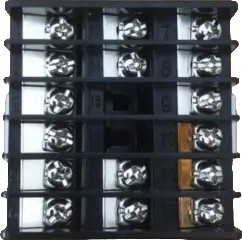
 Design with TK4S-24RR in Cirkit Designer
Introduction
The TK4S-24RR is a solid-state relay (SSR) designed for efficient and reliable switching applications. Unlike mechanical relays, the TK4S-24RR uses semiconductor components to perform switching, ensuring a longer lifespan and faster operation. Its compact design and high reliability make it an excellent choice for controlling AC loads with minimal input power. Additionally, the relay provides electrical isolation between the control and load circuits, enhancing safety and performance.
Explore Projects Built with TK4S-24RR
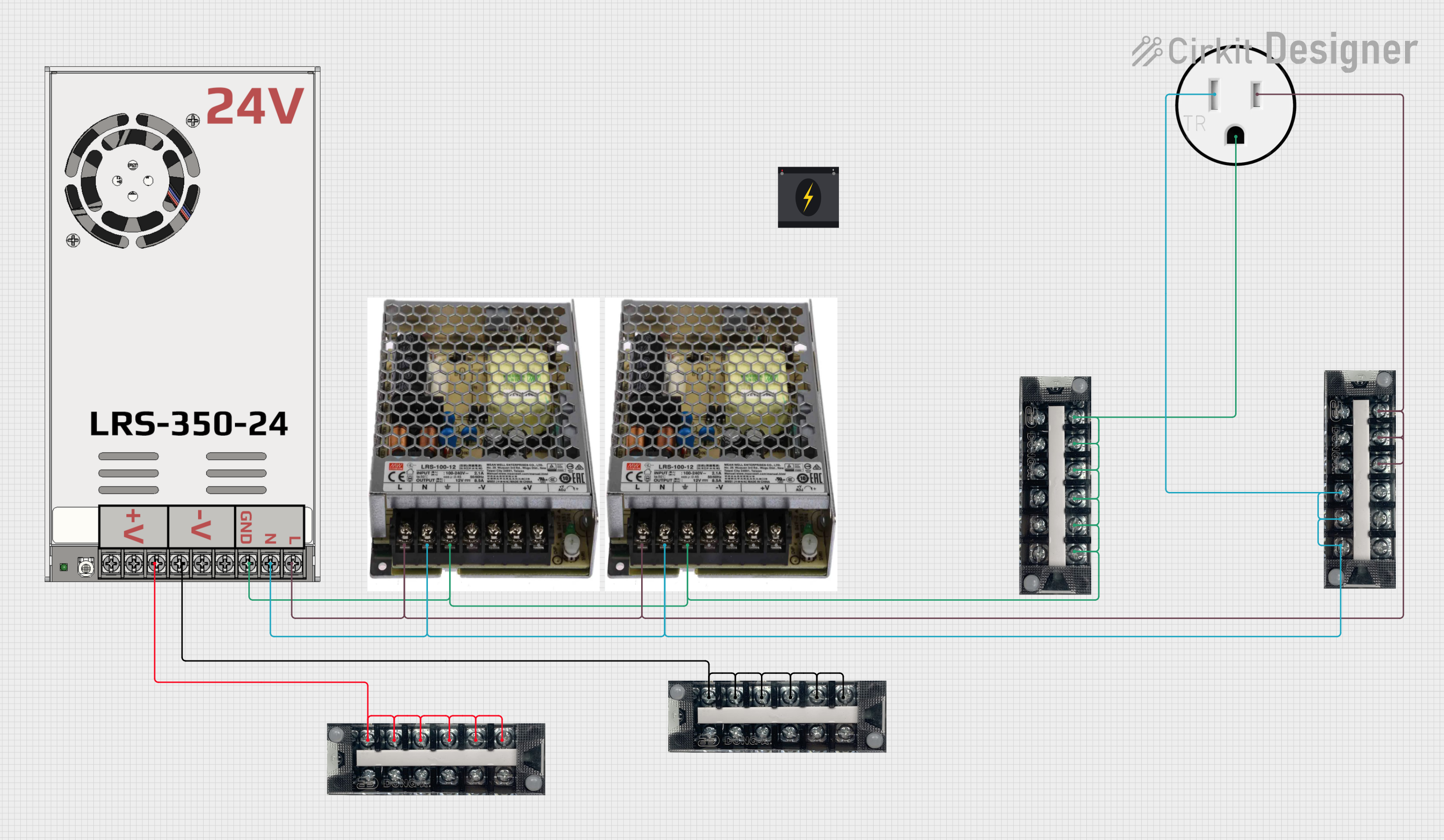 Open Project in Cirkit Designer
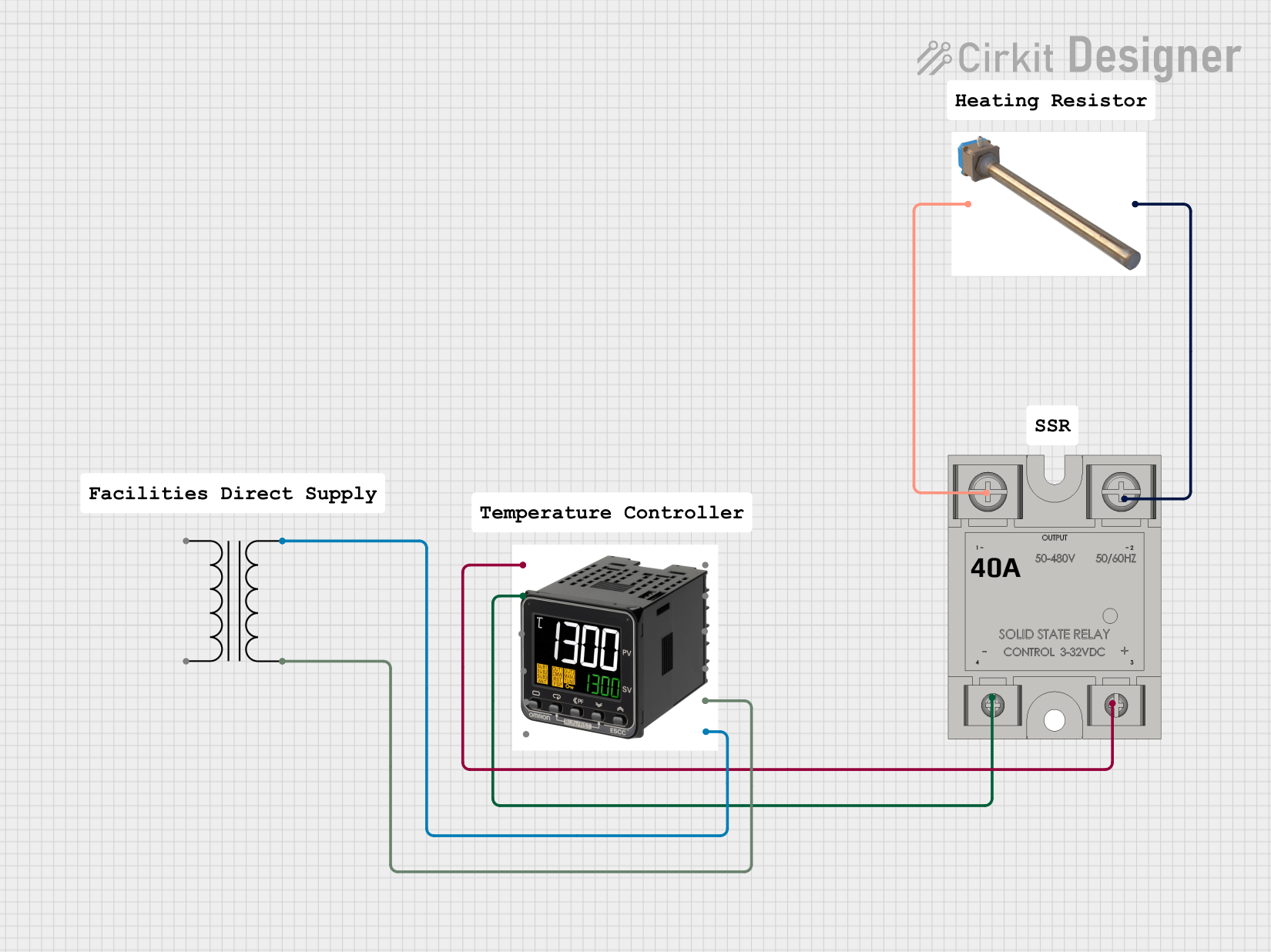 Open Project in Cirkit Designer
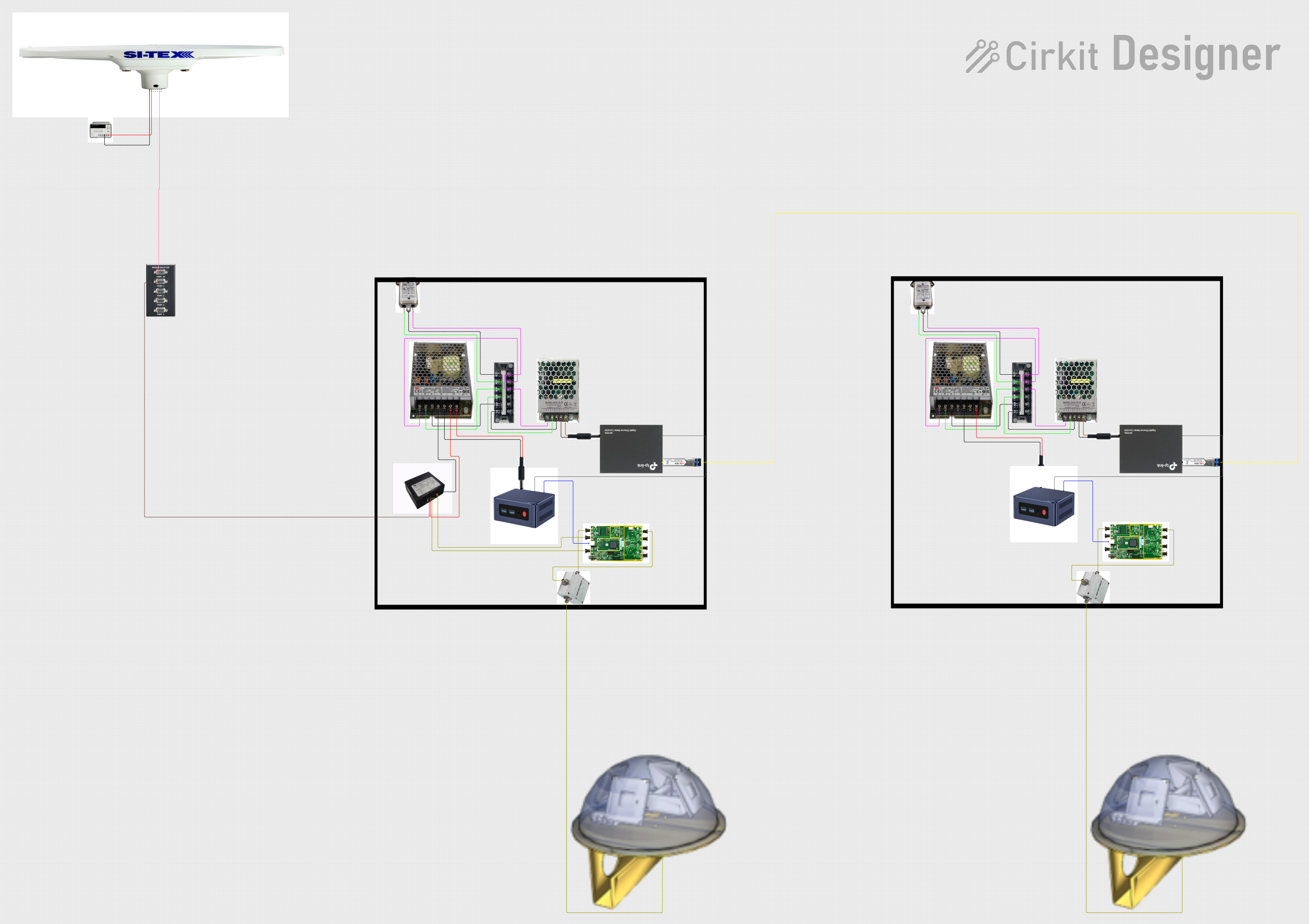 Open Project in Cirkit Designer
 Open Project in Cirkit Designer
Explore Projects Built with TK4S-24RR
Open Project in Cirkit DesignerOpen Project in Cirkit DesignerOpen Project in Cirkit DesignerOpen Project in Cirkit DesignerCommon Applications
- Industrial automation systems
- HVAC (Heating, Ventilation, and Air Conditioning) control
- Motor control and protection
- Lighting systems
- Home and building automation
Technical Specifications
Key Technical Details
| Parameter | Value |
|---|---|
| Input Voltage Range | 3-32 VDC |
| Input Current | 7-25 mA |
| Output Voltage Range | 24-240 VAC |
| Output Current Rating | 4 A |
| Isolation Voltage | 2500 VAC |
| Switching Speed | ≤10 ms |
| Operating Temperature | -30°C to +80°C |
| Storage Temperature | -30°C to +100°C |
| Mounting Type | PCB Mount |
Pin Configuration and Descriptions
| Pin Number | Name | Description |
|---|---|---|
| 1 | Input (+) | Positive terminal for the DC control signal. |
| 2 | Input (-) | Negative terminal for the DC control signal (ground). |
| 3 | Output (AC1) | One terminal of the AC load circuit. |
| 4 | Output (AC2) | The other terminal of the AC load circuit. |
Usage Instructions
How to Use the TK4S-24RR in a Circuit
Input Side (Control Circuit):
- Connect the positive terminal of the DC control signal to the
Input (+)pin. - Connect the negative terminal of the DC control signal to the
Input (-)pin. - Ensure the input voltage is within the specified range (3-32 VDC).
- Connect the positive terminal of the DC control signal to the
Output Side (Load Circuit):
- Connect the AC load between the
Output (AC1)andOutput (AC2)pins. - Ensure the load does not exceed the maximum output current rating (4 A).
- Connect the AC load between the
Power Supply:
- Verify that the AC load voltage is within the specified range (24-240 VAC).
- Use appropriate fuses or circuit breakers to protect the relay and load.
Mounting:
- The TK4S-24RR is designed for PCB mounting. Ensure proper soldering and spacing to avoid short circuits.
Important Considerations and Best Practices
- Heat Dissipation: Ensure adequate ventilation or heat sinking to prevent overheating during operation.
- Electrical Isolation: The relay provides isolation between the control and load circuits, but ensure proper grounding for safety.
- Inductive Loads: When switching inductive loads (e.g., motors), use a snubber circuit or varistor to suppress voltage spikes.
- Testing: Before connecting the relay to a live load, test the control circuit with a multimeter to ensure proper operation.
Example: Connecting to an Arduino UNO
The TK4S-24RR can be easily controlled using an Arduino UNO. Below is an example circuit and code to toggle an AC load using the relay.
Circuit Diagram
- Connect the
Input (+)pin of the relay to Arduino digital pin 7. - Connect the
Input (-)pin of the relay to the Arduino GND. - Connect the AC load to the
Output (AC1)andOutput (AC2)pins of the relay.
Arduino Code
// Define the pin connected to the relay
const int relayPin = 7;

void setup() {
  // Set the relay pin as an output
  pinMode(relayPin, OUTPUT);

  // Start with the relay off
  digitalWrite(relayPin, LOW);
}

void loop() {
  // Turn the relay on (AC load ON)
  digitalWrite(relayPin, HIGH);
  delay(5000); // Keep the load on for 5 seconds

  // Turn the relay off (AC load OFF)
  digitalWrite(relayPin, LOW);
  delay(5000); // Keep the load off for 5 seconds
}
Troubleshooting and FAQs
Common Issues and Solutions
Relay Not Switching:
- Cause: Insufficient input voltage or current.
- Solution: Verify that the control signal is within the specified range (3-32 VDC).
Overheating:
- Cause: Excessive load current or poor ventilation.
- Solution: Ensure the load does not exceed 4 A and provide adequate cooling.
AC Load Not Turning On:
- Cause: Incorrect wiring or damaged relay.
- Solution: Double-check the wiring and test the relay with a multimeter.
Voltage Spikes When Switching Inductive Loads:
- Cause: Lack of a snubber circuit or varistor.
- Solution: Add a snubber circuit or varistor across the output terminals.
FAQs
Q1: Can the TK4S-24RR switch DC loads?
A1: No, the TK4S-24RR is designed specifically for AC loads. For DC loads, use a DC-specific solid-state relay.
Q2: What is the maximum switching frequency?
A2: The relay has a switching speed of ≤10 ms, making it suitable for low to moderate frequency applications.
Q3: Is the relay polarity-sensitive on the input side?
A3: Yes, the Input (+) and Input (-) pins must be connected correctly to the DC control signal.
Q4: Can I use the relay without a microcontroller?
A4: Yes, the relay can be controlled using any DC voltage source within the specified range (e.g., a 5 V power supply).
By following this documentation, users can effectively integrate the TK4S-24RR into their projects and troubleshoot common issues with ease.