
How to Use 20A 10-60V PWM Speed Controller: Examples, Pinouts, and Specs
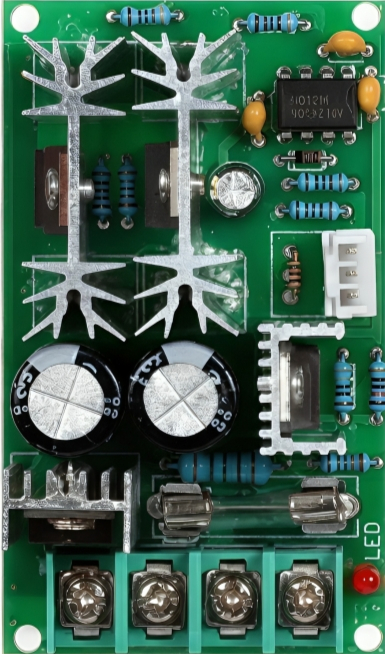
 Design with 20A 10-60V PWM Speed Controller in Cirkit Designer
Introduction
The 20A 10-60V PWM Speed Controller (Manufacturer: Generic, Part ID: 20A PWM Speed Controller) is a versatile electronic module designed to regulate the speed of DC motors. It achieves this by using Pulse Width Modulation (PWM) to vary the voltage and current supplied to the motor. This component is ideal for applications requiring precise motor speed control, such as electric vehicles, fans, conveyor belts, and other motor-driven systems.
Explore Projects Built with 20A 10-60V PWM Speed Controller
 Open Project in Cirkit Designer
 Open Project in Cirkit Designer
 Open Project in Cirkit Designer
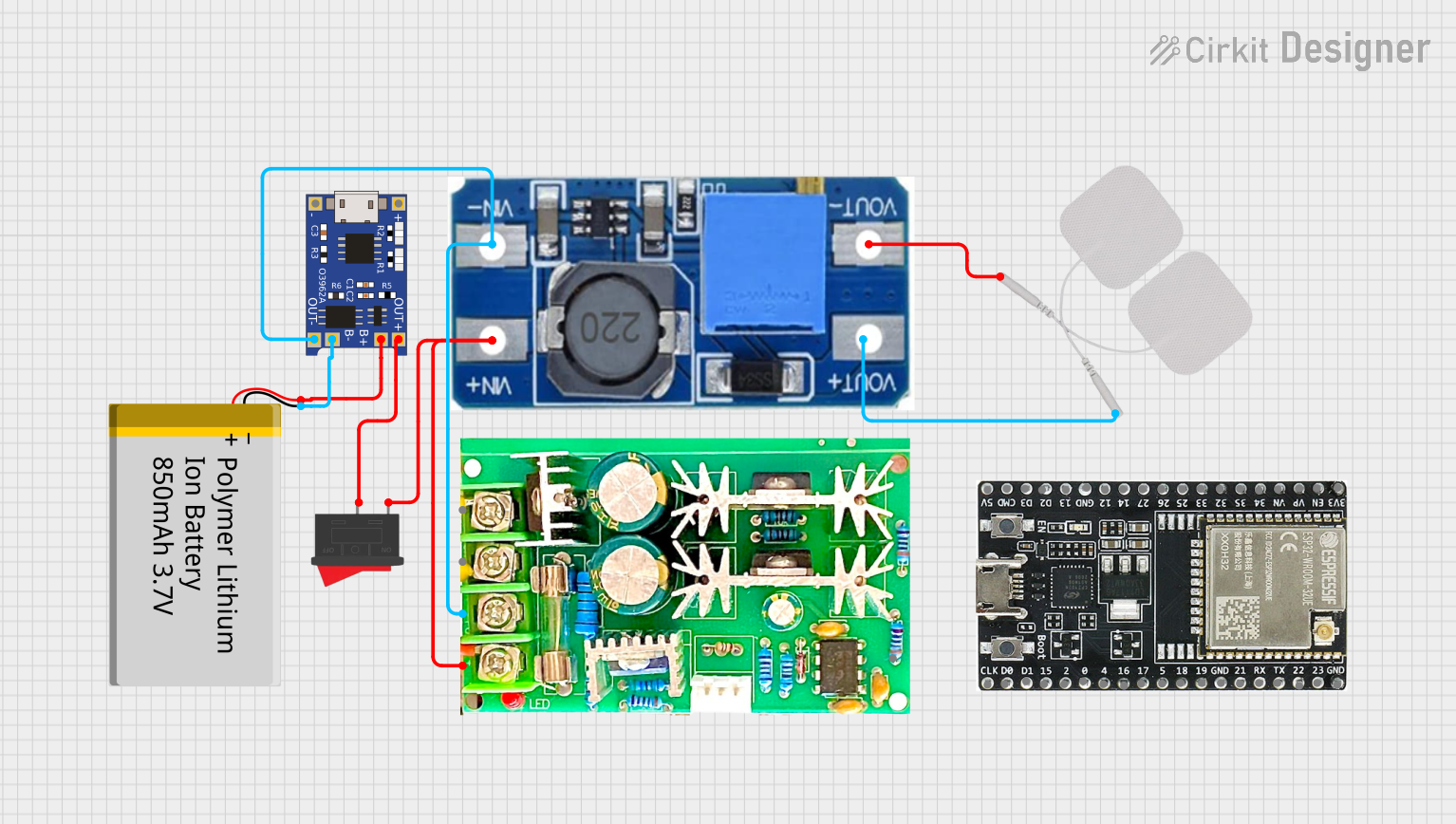 Open Project in Cirkit Designer
Explore Projects Built with 20A 10-60V PWM Speed Controller
Open Project in Cirkit DesignerOpen Project in Cirkit DesignerOpen Project in Cirkit DesignerOpen Project in Cirkit DesignerCommon Applications
- Electric scooters and bicycles
- Industrial conveyor systems
- Fan speed control
- Robotics and automation
- DIY motorized projects
Technical Specifications
Below are the key technical details of the 20A 10-60V PWM Speed Controller:
| Parameter | Value |
|---|---|
| Input Voltage Range | 10V to 60V DC |
| Maximum Current | 20A |
| Output Power | Up to 1200W (at 60V, 20A) |
| Control Method | Pulse Width Modulation (PWM) |
| PWM Frequency | 25 kHz |
| Efficiency | ≥90% |
| Operating Temperature | -20°C to +60°C |
| Dimensions | Approx. 60mm x 40mm x 25mm |
| Weight | ~50g |
Pin Configuration and Descriptions
The module has a simple interface for input, output, and control. Below is the pin configuration:
| Pin/Terminal | Label | Description |
|---|---|---|
| 1 | VIN+ | Positive input terminal for the power supply (10-60V DC). |
| 2 | VIN- | Negative input terminal for the power supply (ground). |
| 3 | M+ | Positive output terminal connected to the DC motor. |
| 4 | M- | Negative output terminal connected to the DC motor. |
| 5 | Potentiometer | External potentiometer for adjusting motor speed (typically included with the module). |
Usage Instructions
How to Use the Component in a Circuit
Power Supply Connection:
- Connect a DC power supply (10-60V) to the
VIN+andVIN-terminals. Ensure the power supply can provide sufficient current for your motor (up to 20A). - Double-check the polarity to avoid damage to the module.
- Connect a DC power supply (10-60V) to the
Motor Connection:
- Connect the DC motor to the
M+andM-terminals. Ensure the motor's voltage and current ratings are within the controller's specifications.
- Connect the DC motor to the
Speed Adjustment:
- Use the included potentiometer to adjust the motor speed. Turning the potentiometer clockwise increases the speed, while turning it counterclockwise decreases the speed.
Mounting:
- Secure the module in a well-ventilated area to prevent overheating. Avoid placing it near heat-sensitive components.
Important Considerations and Best Practices
- Current Limitation: Ensure the motor's current draw does not exceed 20A to prevent damage to the controller.
- Heat Dissipation: For high-current applications, consider adding a heatsink or active cooling to the module.
- Polarity Protection: Double-check all connections before powering the module to avoid reverse polarity damage.
- PWM Frequency: The fixed 25 kHz PWM frequency is suitable for most DC motors, but ensure your motor is compatible with this frequency.
Example: Connecting to an Arduino UNO
While the module does not require an Arduino for basic operation, you can use an Arduino to control the motor speed programmatically by generating a PWM signal. Below is an example code snippet:
// Example: Controlling the 20A PWM Speed Controller with Arduino UNO
// Connect Arduino PWM pin (e.g., D9) to the PWM input of the speed controller.

const int pwmPin = 9; // PWM output pin connected to the speed controller

void setup() {
  pinMode(pwmPin, OUTPUT); // Set the PWM pin as an output
}

void loop() {
  // Gradually increase motor speed
  for (int speed = 0; speed <= 255; speed++) {
    analogWrite(pwmPin, speed); // Write PWM value (0-255)
    delay(20); // Small delay for smooth acceleration
  }

  // Gradually decrease motor speed
  for (int speed = 255; speed >= 0; speed--) {
    analogWrite(pwmPin, speed); // Write PWM value (0-255)
    delay(20); // Small delay for smooth deceleration
  }
}
Note: If using an Arduino, ensure the PWM signal is compatible with the speed controller's input.
Troubleshooting and FAQs
Common Issues and Solutions
Motor Does Not Spin:
- Cause: Incorrect wiring or insufficient power supply.
- Solution: Verify all connections and ensure the power supply meets the voltage and current requirements.
Motor Spins Erratically:
- Cause: Loose connections or interference.
- Solution: Check all connections for tightness and ensure the module is not exposed to excessive electrical noise.
Module Overheats:
- Cause: Excessive current draw or poor ventilation.
- Solution: Ensure the motor's current draw does not exceed 20A. Add a heatsink or fan if necessary.
Potentiometer Does Not Adjust Speed:
- Cause: Faulty potentiometer or incorrect connection.
- Solution: Test the potentiometer with a multimeter and replace it if defective.
FAQs
Q: Can I use this module with a 24V battery?
- A: Yes, the module supports input voltages from 10V to 60V, so a 24V battery is compatible.
Q: Is the module compatible with brushless DC motors?
- A: No, this module is designed for brushed DC motors only.
Q: Can I control the speed using a microcontroller instead of the potentiometer?
- A: Yes, you can use a microcontroller like an Arduino to generate a PWM signal for speed control.
Q: Does the module have reverse polarity protection?
- A: No, the module does not have built-in reverse polarity protection. Ensure correct polarity to avoid damage.
This concludes the documentation for the 20A 10-60V PWM Speed Controller.