
How to Use Solar Cell 18V 60W: Examples, Pinouts, and Specs
 Design with Solar Cell 18V 60W in Cirkit Designer
Introduction
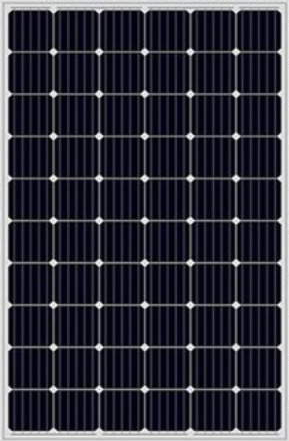
The Solar Cell 18V 60W is a photovoltaic device designed to convert sunlight into electrical energy. With a rated voltage of 18 volts and a maximum power output of 60 watts, this solar cell is ideal for a wide range of solar power applications. It is commonly used in off-grid systems, battery charging, small-scale renewable energy projects, and powering low-power electronic devices.
Explore Projects Built with Solar Cell 18V 60W
 Open Project in Cirkit Designer
 Open Project in Cirkit Designer
 Open Project in Cirkit Designer
 Open Project in Cirkit Designer
Explore Projects Built with Solar Cell 18V 60W
Open Project in Cirkit DesignerOpen Project in Cirkit DesignerOpen Project in Cirkit DesignerOpen Project in Cirkit DesignerCommon Applications and Use Cases
- Off-grid solar power systems
- Charging 12V batteries (with a charge controller)
- Powering small DC appliances
- Solar-powered lighting systems
- Educational and DIY renewable energy projects
Technical Specifications
The following table outlines the key technical details of the Solar Cell 18V 60W:
| Parameter | Value |
|---|---|
| Rated Voltage | 18V |
| Maximum Power Output | 60W |
| Open Circuit Voltage (Voc) | 21.6V |
| Short Circuit Current (Isc) | 3.6A |
| Maximum Power Current (Imp) | 3.33A |
| Dimensions | 670mm x 540mm x 30mm |
| Weight | ~3.5kg |
| Operating Temperature | -40°C to +85°C |
| Efficiency | ~18% |
Pin Configuration and Descriptions
The Solar Cell 18V 60W typically comes with two output terminals:
| Terminal | Description |
|---|---|
| Positive (+) | Positive output terminal (red wire) |
| Negative (-) | Negative output terminal (black wire) |
Usage Instructions
How to Use the Solar Cell in a Circuit
- Positioning the Solar Cell: Place the solar cell in direct sunlight for optimal performance. Ensure it is angled correctly to maximize sunlight exposure.
- Connecting to a Load:
- Use a charge controller if connecting the solar cell to a battery to prevent overcharging.
- Connect the positive terminal of the solar cell to the positive input of the load or charge controller.
- Connect the negative terminal of the solar cell to the negative input of the load or charge controller.
- Wiring Considerations: Use appropriate gauge wires to handle the current output of the solar cell. For longer distances, use thicker wires to minimize voltage drop.
- Protection: Install a blocking diode if the solar cell is directly connected to a battery to prevent reverse current flow at night.
Important Considerations and Best Practices
- Avoid Shading: Even partial shading can significantly reduce the output power of the solar cell.
- Temperature Effects: High temperatures can slightly reduce efficiency. Ensure proper ventilation if the solar cell is mounted in an enclosed space.
- Cleaning: Keep the surface of the solar cell clean and free from dust or debris to maintain maximum efficiency.
- Series/Parallel Connections: For higher voltage or current requirements, multiple solar cells can be connected in series or parallel. Ensure the connected cells have similar ratings to avoid imbalances.
Example: Connecting to an Arduino UNO
The Solar Cell 18V 60W can be used to power an Arduino UNO indirectly by charging a 12V battery and using a voltage regulator to step down the voltage to 5V. Below is an example code to read the battery voltage using the Arduino:
// Example code to read battery voltage using Arduino UNO
// Ensure a voltage divider is used to step down the battery voltage
// to a safe range (0-5V) for the Arduino analog input.

const int voltagePin = A0; // Analog pin connected to the voltage divider
float voltage = 0.0;       // Variable to store the calculated voltage

void setup() {
  Serial.begin(9600); // Initialize serial communication
}

void loop() {
  int sensorValue = analogRead(voltagePin); // Read the analog input
  voltage = sensorValue * (5.0 / 1023.0) * 3.0;
  // Convert the analog reading to voltage
  // Adjust the multiplier (3.0) based on the voltage divider ratio

  Serial.print("Battery Voltage: ");
  Serial.print(voltage);
  Serial.println(" V");

  delay(1000); // Wait for 1 second before the next reading
}
Troubleshooting and FAQs
Common Issues and Solutions
Low Power Output:
- Cause: Insufficient sunlight or shading.
- Solution: Ensure the solar cell is in direct sunlight and free from obstructions.
No Output Voltage:
- Cause: Loose or incorrect wiring.
- Solution: Check all connections and ensure the positive and negative terminals are correctly connected.
Overheating:
- Cause: Poor ventilation or excessive ambient temperature.
- Solution: Improve airflow around the solar cell and avoid placing it in enclosed spaces.
Battery Not Charging:
- Cause: Faulty charge controller or incorrect connections.
- Solution: Verify the charge controller is functioning correctly and check all wiring.
FAQs
Q1: Can I connect the solar cell directly to a 12V battery?
A1: It is recommended to use a charge controller to prevent overcharging and to regulate the charging process.
Q2: What happens if the solar cell is partially shaded?
A2: Partial shading can significantly reduce the power output. In some cases, it may even stop the solar cell from functioning properly.
Q3: Can I use this solar cell indoors?
A3: The solar cell requires direct sunlight for optimal performance. Indoor use under artificial lighting will result in very low power output.
Q4: How do I clean the solar cell?
A4: Use a soft cloth and water to gently clean the surface. Avoid using abrasive materials or harsh chemicals.