
How to Use LD2461: Examples, Pinouts, and Specs
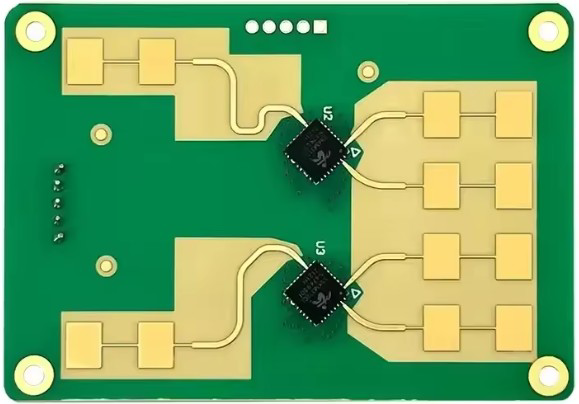
 Design with LD2461 in Cirkit Designer
Introduction
The LD2461 is a low-dropout (LDO) linear voltage regulator designed to deliver a stable and precise output voltage with a minimal input-to-output voltage difference. This makes it an ideal choice for applications where power efficiency and compact design are critical. The LD2461 is particularly well-suited for battery-powered devices, portable electronics, and low-noise analog circuits.
Explore Projects Built with LD2461
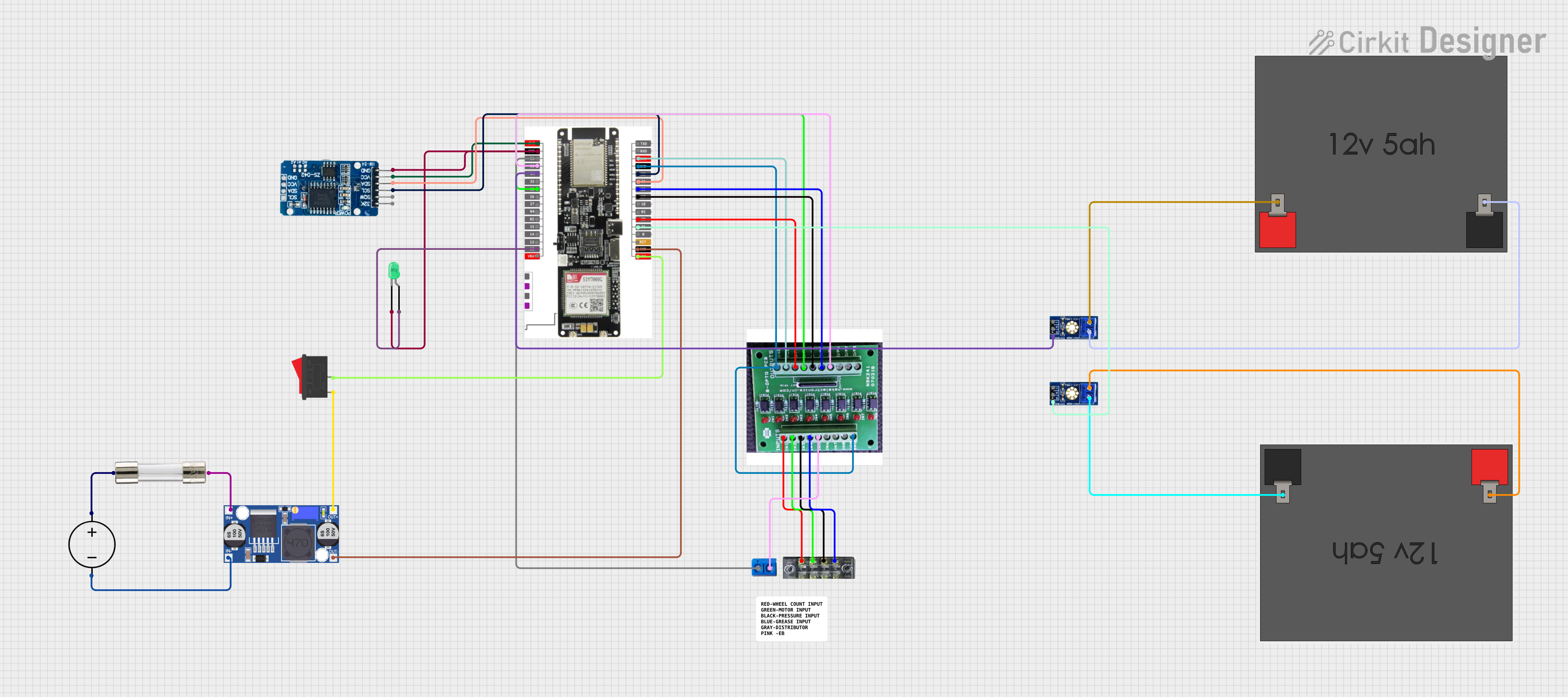 Open Project in Cirkit Designer
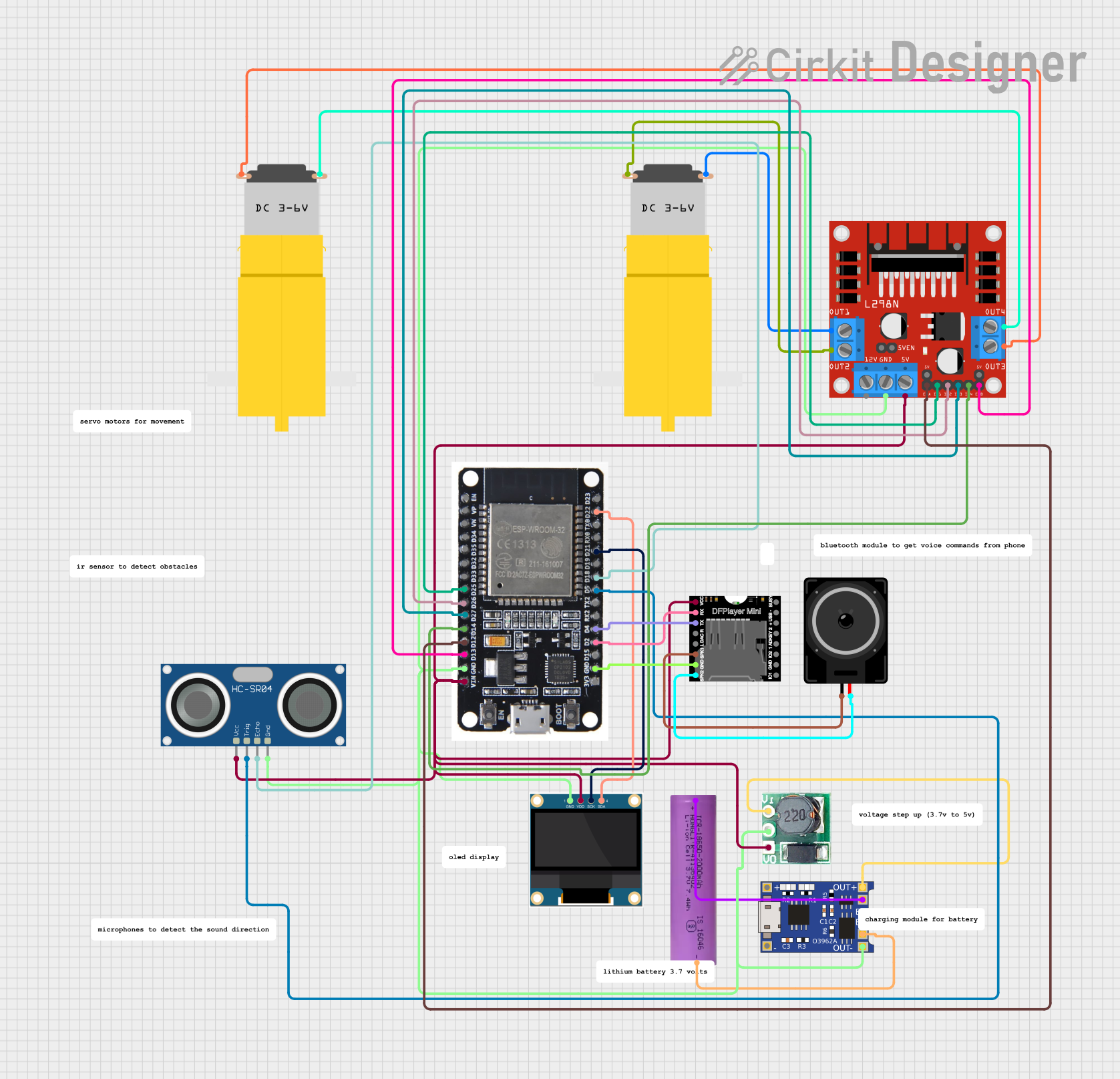 Open Project in Cirkit Designer
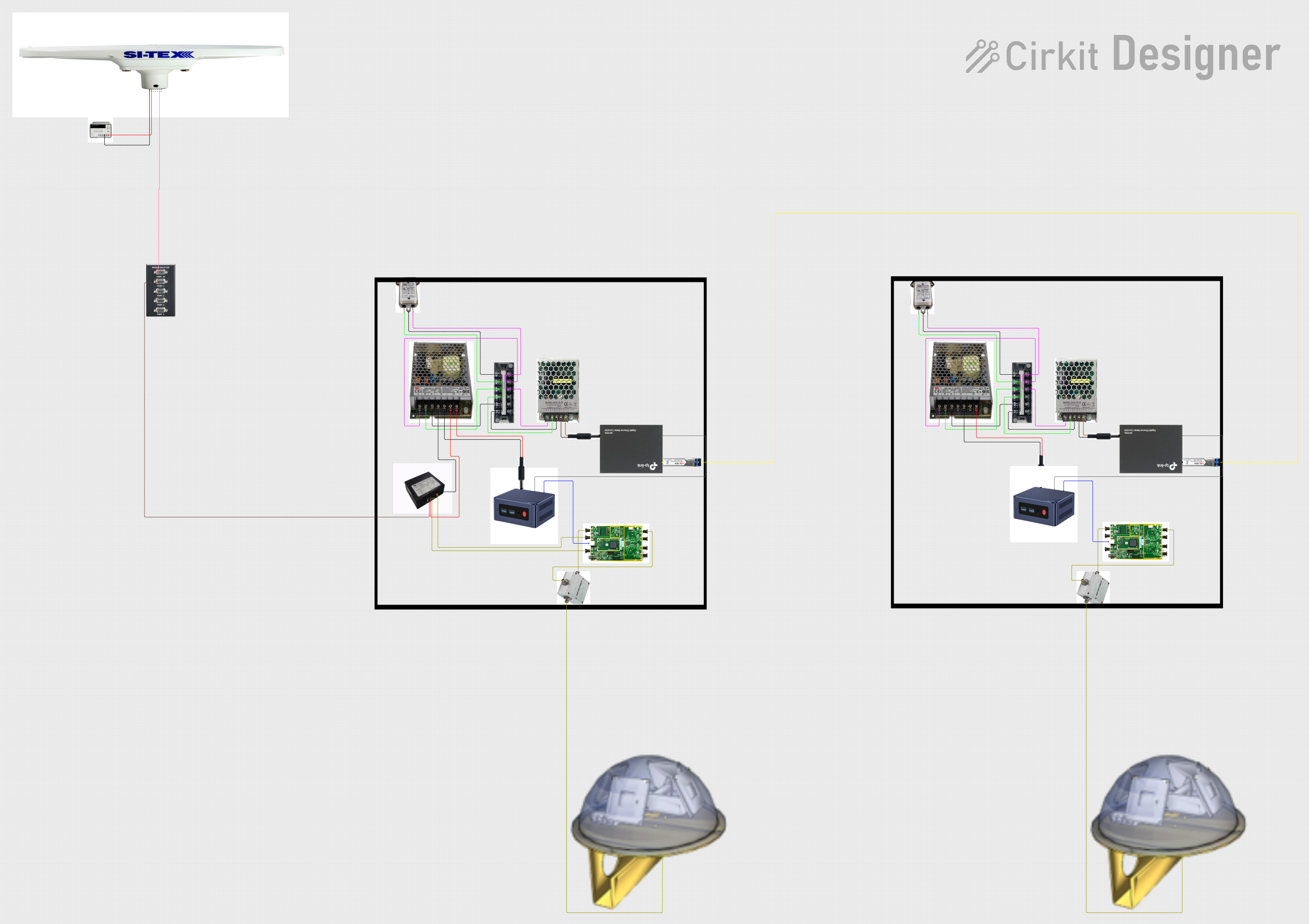 Open Project in Cirkit Designer
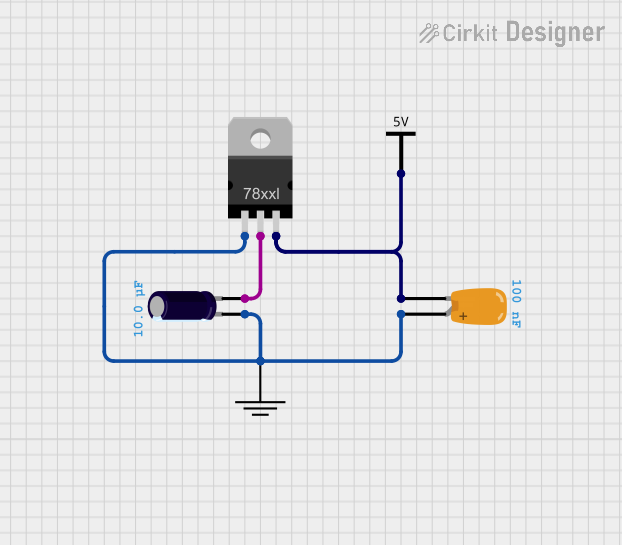 Open Project in Cirkit Designer
Explore Projects Built with LD2461
Open Project in Cirkit DesignerOpen Project in Cirkit DesignerOpen Project in Cirkit DesignerOpen Project in Cirkit DesignerCommon Applications and Use Cases
- Battery-powered devices (e.g., smartphones, wearables)
- Portable electronics
- Low-noise analog circuits
- Microcontroller power supplies
- IoT devices and sensors
Technical Specifications
The LD2461 is designed to operate efficiently in a variety of environments. Below are its key technical specifications:
| Parameter | Value |
|---|---|
| Input Voltage Range | 2.5V to 16V |
| Output Voltage Range | 1.2V to 12V (fixed or adjustable) |
| Maximum Output Current | 500 mA |
| Dropout Voltage | 0.3V (typical at 500 mA load) |
| Quiescent Current | 50 µA (typical) |
| Output Voltage Accuracy | ±2% |
| Operating Temperature | -40°C to +125°C |
| Package Options | SOT-223, TO-92, or SOT-89 |
Pin Configuration and Descriptions
The LD2461 is available in multiple package types. Below is the pin configuration for the SOT-223 package:
| Pin Number | Pin Name | Description |
|---|---|---|
| 1 | VIN | Input voltage pin. Connect to the power source. |
| 2 | GND | Ground pin. Connect to the circuit ground. |
| 3 | VOUT | Regulated output voltage pin. Connect to the load. |
| Tab | GND | Thermal pad. Connect to ground for heat dissipation. |
Usage Instructions
How to Use the LD2461 in a Circuit
- Input Capacitor: Connect a capacitor (typically 1 µF to 10 µF) between the VIN pin and ground to stabilize the input voltage and reduce noise.
- Output Capacitor: Connect a low-ESR capacitor (typically 1 µF to 10 µF) between the VOUT pin and ground to ensure stable operation and minimize output voltage ripple.
- Load Connection: Connect the load to the VOUT pin. Ensure the load does not exceed the maximum output current of 500 mA.
- Thermal Management: If using the SOT-223 package, connect the thermal pad to a large ground plane to improve heat dissipation.
Important Considerations and Best Practices
- Input Voltage: Ensure the input voltage is at least 0.3V higher than the desired output voltage to maintain proper regulation.
- Capacitor Selection: Use low-ESR capacitors for both input and output to ensure stability.
- Thermal Dissipation: For high-current applications, ensure adequate heat sinking or airflow to prevent overheating.
- Reverse Polarity Protection: Add a diode in series with the input to protect the LD2461 from reverse polarity damage.
Example: Using the LD2461 with an Arduino UNO
The LD2461 can be used to power an Arduino UNO by providing a stable 5V output. Below is an example circuit and code:
Circuit Setup
- Connect the VIN pin of the LD2461 to a 9V battery.
- Connect the GND pin to the ground of the Arduino UNO and the battery.
- Connect the VOUT pin to the 5V pin of the Arduino UNO.
Arduino Code Example
// Example code to blink an LED using an Arduino UNO powered by the LD2461
// Ensure the LD2461 provides a stable 5V output to the Arduino's 5V pin.

const int ledPin = 13; // Pin connected to the onboard LED

void setup() {
  pinMode(ledPin, OUTPUT); // Set the LED pin as an output
}

void loop() {
  digitalWrite(ledPin, HIGH); // Turn the LED on
  delay(1000);                // Wait for 1 second
  digitalWrite(ledPin, LOW);  // Turn the LED off
  delay(1000);                // Wait for 1 second
}
Troubleshooting and FAQs
Common Issues and Solutions
Output Voltage is Unstable or Incorrect
- Cause: Insufficient input or output capacitance.
- Solution: Ensure proper capacitors (low-ESR, 1 µF to 10 µF) are connected to the VIN and VOUT pins.
Excessive Heat Generation
- Cause: High input-output voltage difference or insufficient heat dissipation.
- Solution: Use a heat sink or improve airflow around the component. Reduce the input voltage if possible.
No Output Voltage
- Cause: Incorrect wiring or damaged component.
- Solution: Verify all connections and ensure the input voltage is within the specified range.
Component Fails Under Load
- Cause: Load exceeds the maximum output current of 500 mA.
- Solution: Reduce the load or use a higher-current regulator.
FAQs
Q1: Can the LD2461 be used with a 3.3V microcontroller?
A1: Yes, the LD2461 can provide a stable 3.3V output if configured correctly. Ensure the input voltage is at least 3.6V to maintain proper regulation.
Q2: What happens if I exceed the maximum input voltage?
A2: Exceeding the maximum input voltage (16V) can damage the LD2461. Always ensure the input voltage is within the specified range.
Q3: Can I use the LD2461 without an output capacitor?
A3: No, an output capacitor is required for stable operation. Use a low-ESR capacitor with a value between 1 µF and 10 µF.
Q4: How do I calculate the power dissipation of the LD2461?
A4: Power dissipation can be calculated as ( P = (V_{IN} - V_{OUT}) \times I_{OUT} ). Ensure the component's thermal limits are not exceeded.