
How to Use 120V Outlet: Examples, Pinouts, and Specs
 Design with 120V Outlet in Cirkit Designer
Introduction
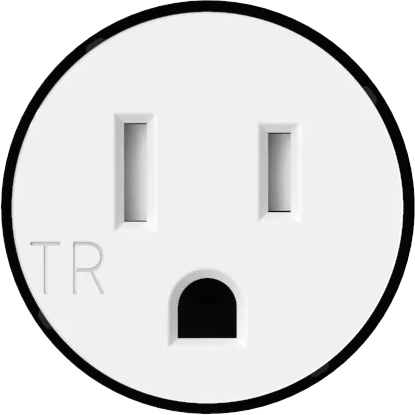
A 120V outlet is a standard electrical component that provides 120 volts of alternating current (AC) at a frequency of 60 Hz. It is widely used in residential, commercial, and industrial settings to power a variety of household appliances, electronic devices, and tools. The outlet typically features two or three slots: two for the live and neutral connections, and an optional third slot for grounding.
Explore Projects Built with 120V Outlet
 Open Project in Cirkit Designer
 Open Project in Cirkit Designer
 Open Project in Cirkit Designer
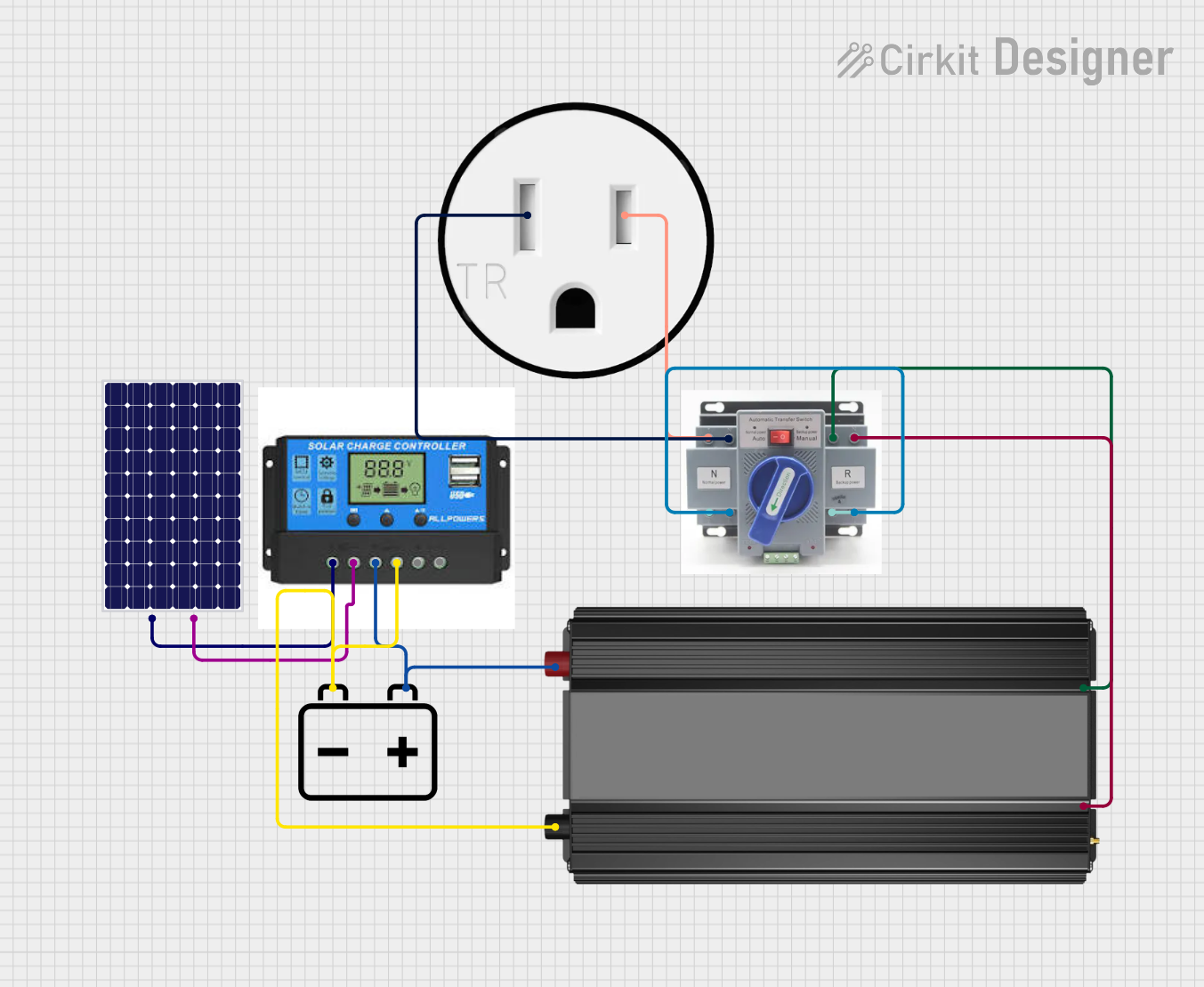 Open Project in Cirkit Designer
Explore Projects Built with 120V Outlet
Open Project in Cirkit DesignerOpen Project in Cirkit DesignerOpen Project in Cirkit DesignerOpen Project in Cirkit DesignerCommon Applications and Use Cases
- Powering household appliances such as lamps, televisions, and kitchen devices.
- Charging electronic devices like smartphones, laptops, and tablets.
- Supplying power to tools and equipment in workshops or garages.
- Connecting surge protectors and power strips for multiple devices.
Technical Specifications
| Parameter | Value |
|---|---|
| Voltage Rating | 120V AC |
| Frequency | 60 Hz |
| Current Rating | Typically 15A or 20A |
| Power Rating | 1800W (15A) or 2400W (20A) |
| Number of Slots | 2 (live and neutral) or 3 (with ground) |
| Grounding | Optional, depending on outlet type |
| Material | Thermoplastic or thermoset |
| Mounting Style | Wall-mounted |
Pin Configuration and Descriptions
| Pin | Description |
|---|---|
| Live (Hot) | Supplies the 120V AC power. This is the smaller slot in a polarized outlet. |
| Neutral | Returns current to the power source. This is the larger slot in a polarized outlet. |
| Ground (Optional) | Provides a safety path for electrical faults. This is the round or U-shaped slot. |
Usage Instructions
How to Use the 120V Outlet in a Circuit
Installation:
- Ensure the power supply to the circuit is turned off before installation.
- Connect the live (hot) wire to the brass-colored terminal on the outlet.
- Connect the neutral wire to the silver-colored terminal.
- If the outlet has a ground pin, connect the ground wire to the green terminal.
- Secure the outlet into the wall box and attach the faceplate.
Powering Devices:
- Plug the device's power cord into the outlet.
- Ensure the device's power rating does not exceed the outlet's capacity (e.g., 1800W for a 15A outlet).
Safety Precautions:
- Do not overload the outlet by connecting too many high-power devices.
- Use outlets with ground pins for devices requiring grounding.
- Avoid using damaged or loose outlets.
Important Considerations and Best Practices
- Grounding: Always use grounded outlets for appliances with metal enclosures to prevent electric shock.
- GFCI Protection: In wet or damp locations (e.g., bathrooms, kitchens), use Ground Fault Circuit Interrupter (GFCI) outlets for added safety.
- Voltage Compatibility: Ensure the connected devices are rated for 120V AC.
- Periodic Inspection: Check outlets periodically for signs of wear, damage, or overheating.
Arduino UNO Example
While a 120V outlet is not directly connected to an Arduino UNO, it can be controlled indirectly using a relay module. Below is an example of how to control a 120V outlet using an Arduino and a relay.
/*
  Example: Controlling a 120V outlet using an Arduino UNO and a relay module.
  WARNING: Ensure proper insulation and safety measures when working with high voltage.
*/

const int relayPin = 7; // Pin connected to the relay module

void setup() {
  pinMode(relayPin, OUTPUT); // Set relay pin as output
  digitalWrite(relayPin, LOW); // Ensure relay is off at startup
}

void loop() {
  digitalWrite(relayPin, HIGH); // Turn on the relay (activates the outlet)
  delay(5000); // Keep the outlet on for 5 seconds
  digitalWrite(relayPin, LOW); // Turn off the relay (deactivates the outlet)
  delay(5000); // Keep the outlet off for 5 seconds
}
Note: Always use a relay module rated for 120V AC and ensure proper isolation between the low-voltage Arduino circuit and the high-voltage outlet.
Troubleshooting and FAQs
Common Issues
Outlet Not Providing Power:
- Cause: Circuit breaker tripped or fuse blown.
- Solution: Check the breaker panel and reset the breaker or replace the fuse.
Loose or Damaged Outlet:
- Cause: Wear and tear or improper installation.
- Solution: Replace the outlet and ensure proper wiring.
Overheating:
- Cause: Overloading the outlet or poor connections.
- Solution: Reduce the load and inspect the wiring for loose connections.
Device Not Working When Plugged In:
- Cause: Faulty device or outlet.
- Solution: Test the device in another outlet or use a multimeter to check the outlet voltage.
FAQs
Q: Can I use a 120V outlet for 240V devices?
- A: No, 240V devices require a dedicated 240V outlet. Using a 120V outlet may damage the device or cause a fire hazard.
Q: How do I know if my outlet is grounded?
- A: Use a receptacle tester to check for proper grounding. Alternatively, consult a licensed electrician.
Q: Can I install a 120V outlet outdoors?
- A: Yes, but ensure it is a weatherproof outlet with a protective cover and GFCI protection.
Q: What is the difference between a 15A and 20A outlet?
- A: A 20A outlet can handle higher power loads (up to 2400W) and has a T-shaped neutral slot, while a 15A outlet is limited to 1800W.