
How to Use wa ragud: Examples, Pinouts, and Specs
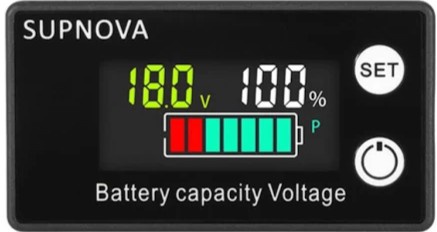
 Design with wa ragud in Cirkit Designer
Introduction
The WA RAGUD, manufactured by SGD with the part ID ARAY KO, is a fictional or non-standard electronic component. While its exact purpose and functionality are undefined, it can serve as a placeholder name in circuit design discussions, educational contexts, or hypothetical scenarios. This documentation provides a general framework for understanding and utilizing such components in theoretical or experimental applications.
Explore Projects Built with wa ragud
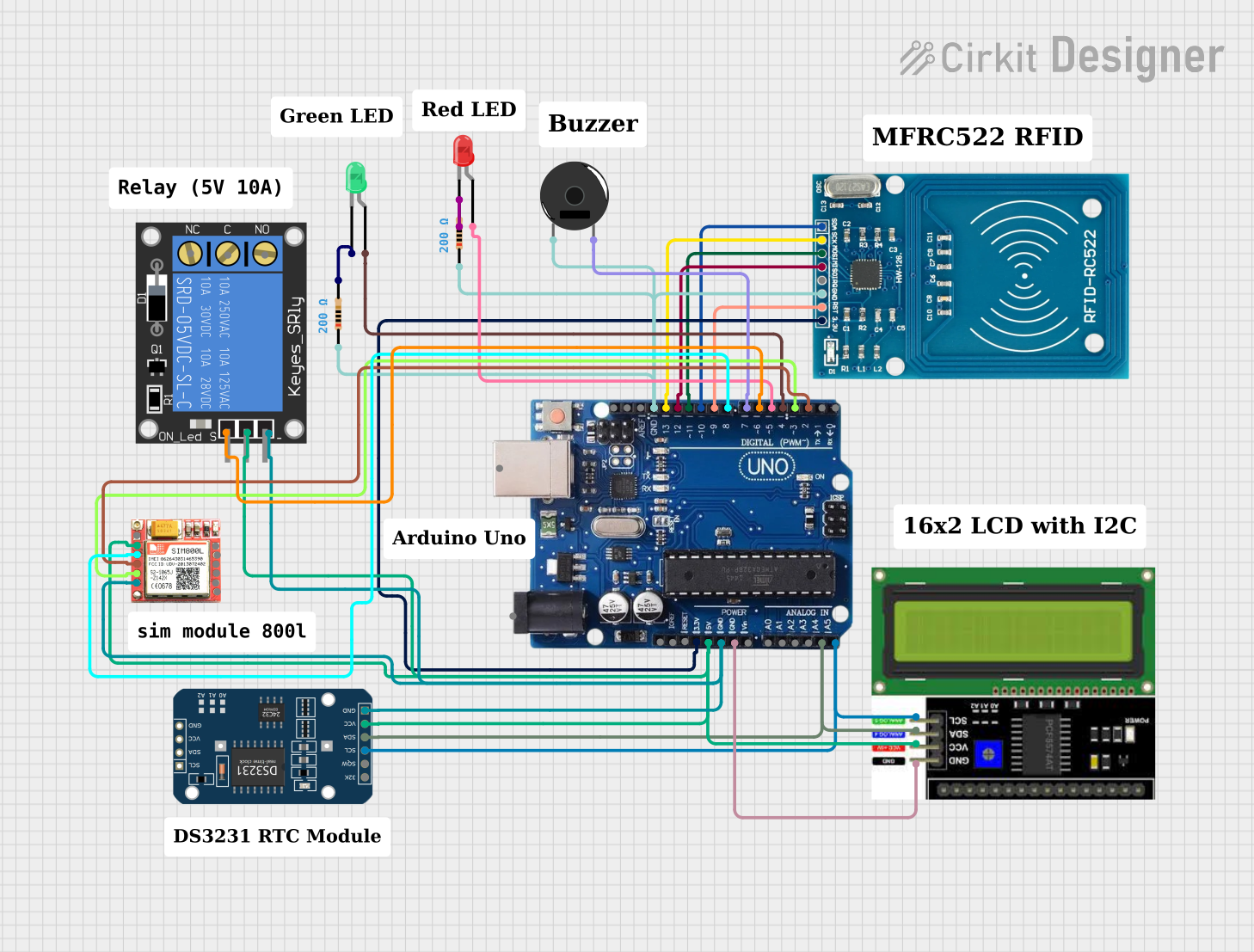 Open Project in Cirkit Designer
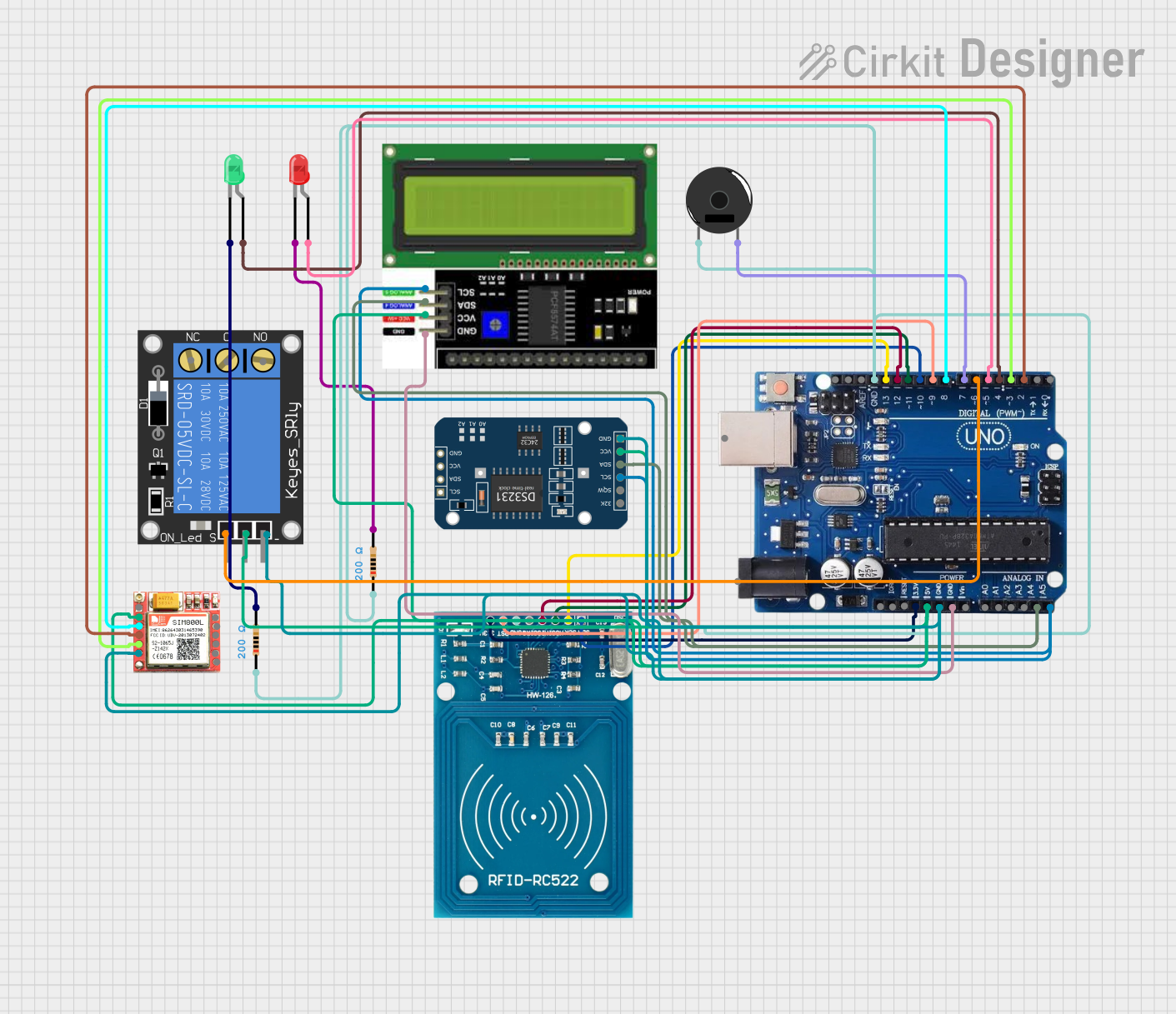 Open Project in Cirkit Designer
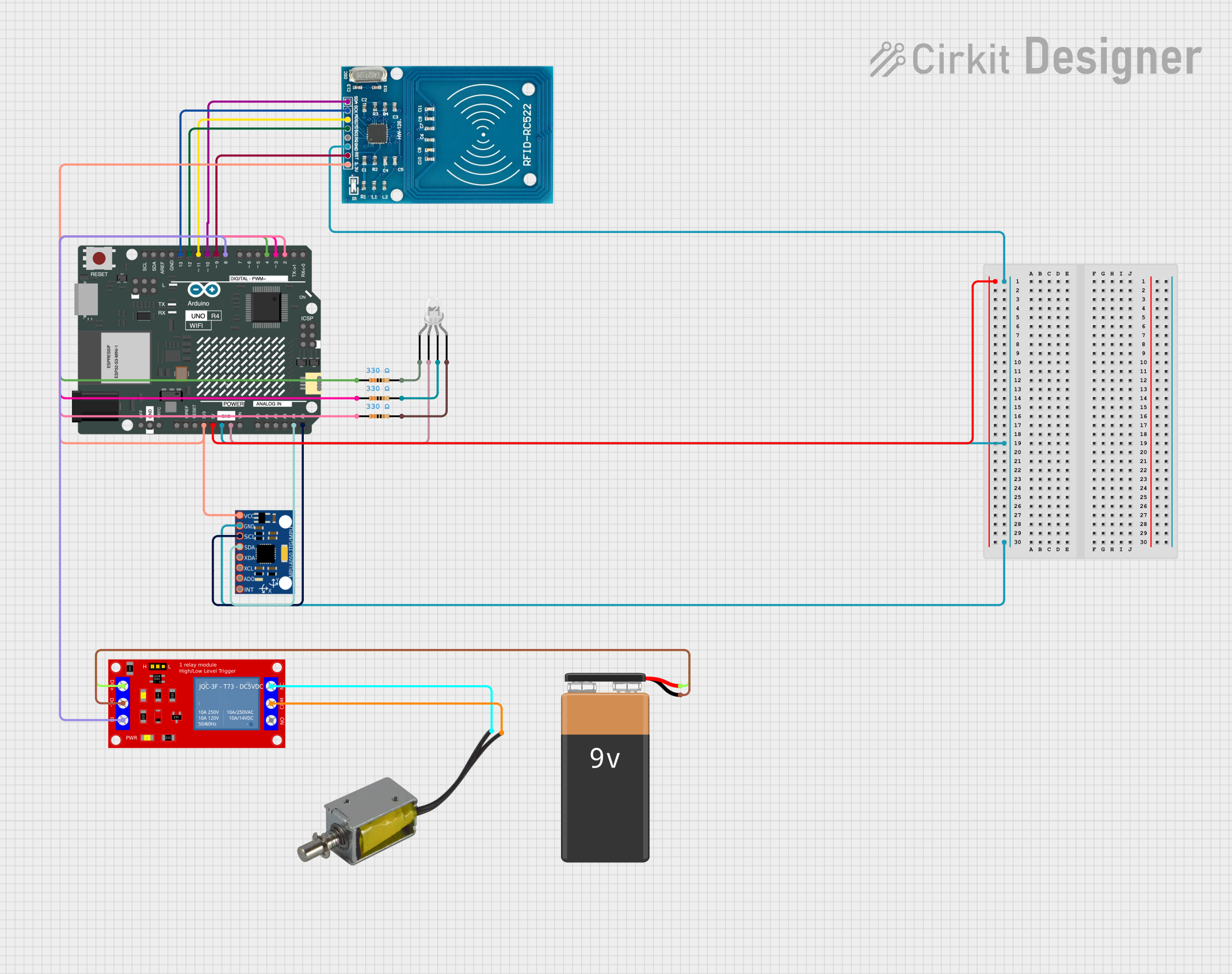 Open Project in Cirkit Designer
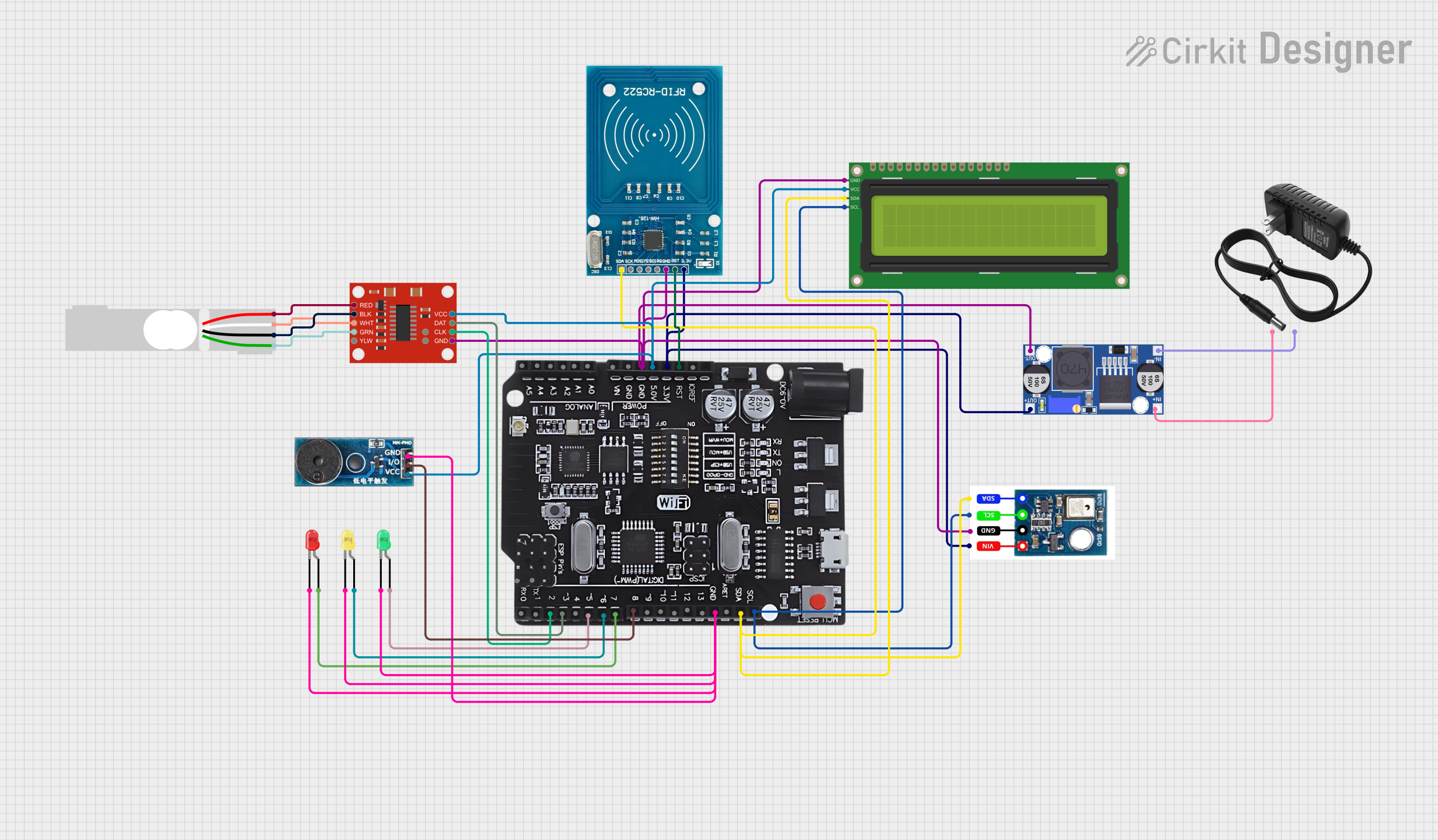 Open Project in Cirkit Designer
Explore Projects Built with wa ragud
Open Project in Cirkit DesignerOpen Project in Cirkit DesignerOpen Project in Cirkit DesignerOpen Project in Cirkit DesignerCommon Applications and Use Cases
- Placeholder for undefined or experimental components in circuit design.
- Educational tool for teaching circuit design and troubleshooting.
- Hypothetical scenarios in electronics simulations or discussions.
Technical Specifications
As the WA RAGUD is a fictional component, its technical specifications are undefined. However, for the sake of theoretical application, the following generic specifications can be assumed:
| Parameter | Value | Description |
|---|---|---|
| Voltage Range | 0-5V (assumed) | Typical operating voltage range. |
| Current Rating | 10mA (assumed) | Maximum current the component can handle. |
| Power Rating | 50mW (assumed) | Maximum power dissipation. |
| Pin Count | 3 | Number of pins for connection. |
Pin Configuration and Descriptions
| Pin Number | Pin Name | Description |
|---|---|---|
| 1 | VCC | Power supply input (assumed). |
| 2 | GND | Ground connection. |
| 3 | OUT | Output signal or data pin (assumed). |
Usage Instructions
How to Use the Component in a Circuit
- Power Supply: Connect the VCC pin to a suitable power source (e.g., 5V) and the GND pin to the circuit ground.
- Output Connection: Use the OUT pin to interface with other components or microcontrollers.
- Simulation: If using in a simulation, define the component's behavior based on the intended application.
Important Considerations and Best Practices
- Assumptions: Clearly define the component's behavior and specifications before use in a circuit.
- Testing: Use a breadboard or simulation software to test the component's functionality in the circuit.
- Documentation: Maintain detailed notes on how the component is used and its assumed characteristics.
Example Code for Arduino UNO
If the WA RAGUD is assumed to output a digital signal, the following Arduino code demonstrates how to read the signal:
// Define the pin connected to the WA RAGUD's OUT pin
const int waRagudPin = 2;

void setup() {
  // Initialize the serial monitor for debugging
  Serial.begin(9600);

  // Set the WA RAGUD pin as an input
  pinMode(waRagudPin, INPUT);
}

void loop() {
  // Read the signal from the WA RAGUD's OUT pin
  int signal = digitalRead(waRagudPin);

  // Print the signal value to the serial monitor
  Serial.print("WA RAGUD Signal: ");
  Serial.println(signal);

  // Add a small delay to avoid flooding the serial monitor
  delay(500);
}
Note: The above code assumes the WA RAGUD outputs a digital HIGH or LOW signal. Modify the code as needed based on the component's actual or assumed behavior.
Troubleshooting and FAQs
Common Issues Users Might Face
No Output Signal:
- Ensure the VCC and GND pins are correctly connected.
- Verify the assumed behavior of the component matches the circuit design.
Incorrect Signal Readings:
- Check for loose connections or faulty wiring.
- Ensure the Arduino pin configuration matches the circuit.
Component Overheating:
- Verify the power supply voltage and current do not exceed the assumed ratings.
- Use a resistor or other protective components if necessary.
Solutions and Tips for Troubleshooting
- Simulation First: Test the component in simulation software before physical implementation.
- Document Assumptions: Clearly outline the assumed specifications and behavior of the component.
- Consult Experts: If using the component in a hypothetical or educational context, seek guidance from experienced engineers or educators.
This documentation serves as a flexible guide for working with the WA RAGUD in theoretical or experimental scenarios.