
How to Use solar panel: Examples, Pinouts, and Specs
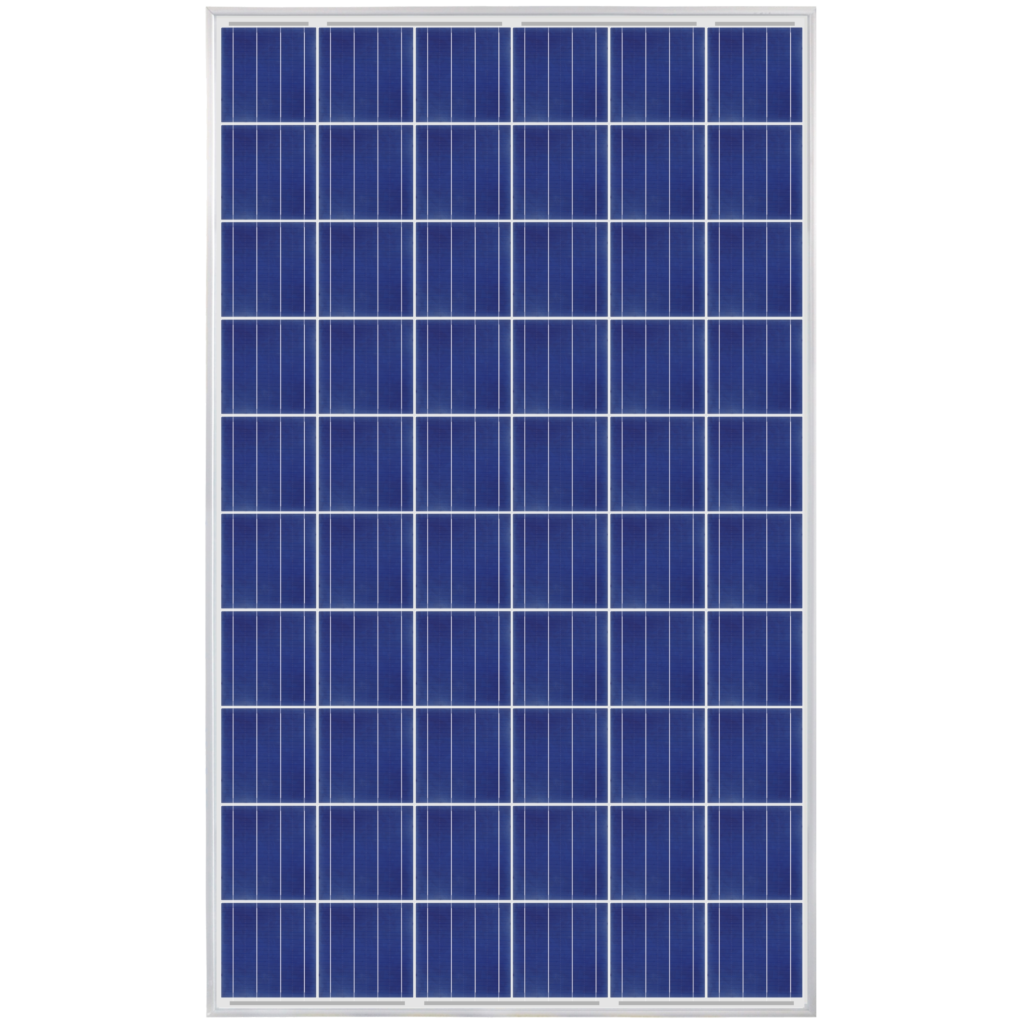
 Design with solar panel in Cirkit Designer
Introduction
A solar panel, manufactured by Power Supply (Part ID: Panel), is a device that converts sunlight into electrical energy using photovoltaic (PV) cells. It provides a renewable and sustainable source of power, making it an essential component in modern energy systems. Solar panels are widely used in residential, commercial, and industrial applications to generate electricity, reduce reliance on fossil fuels, and promote environmental sustainability.
Explore Projects Built with solar panel
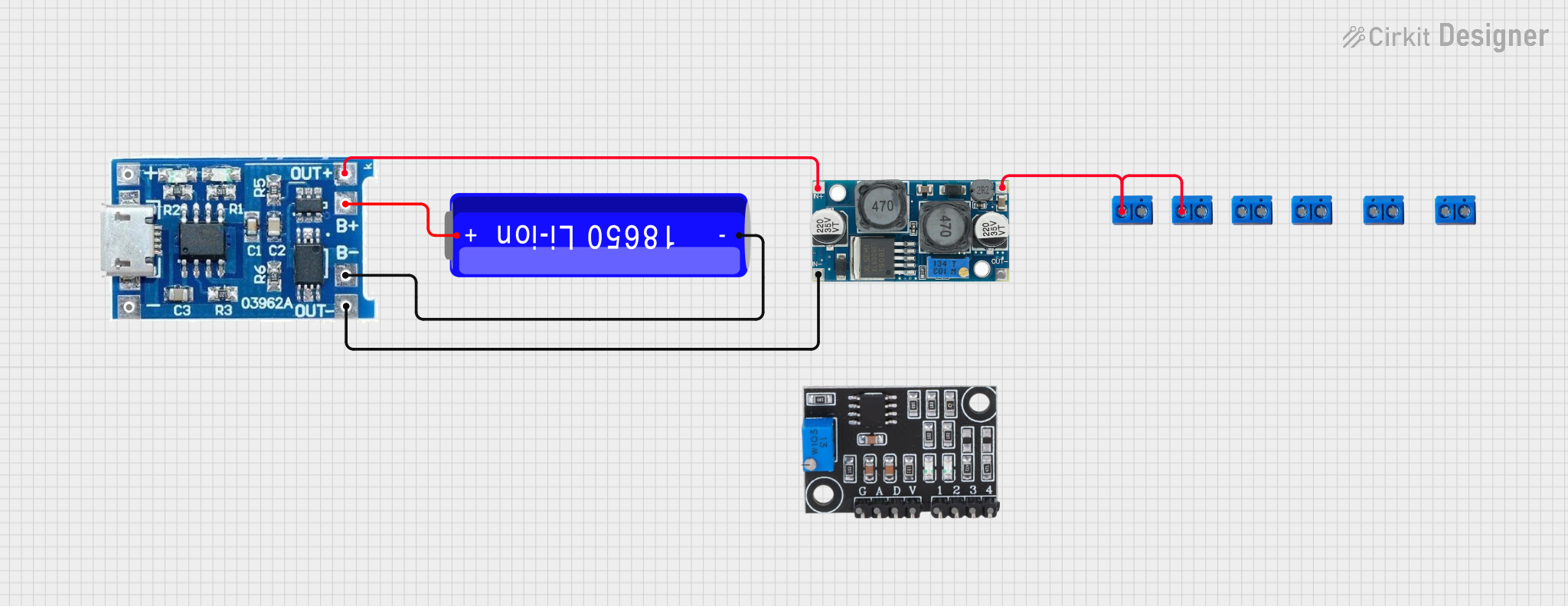 Open Project in Cirkit Designer
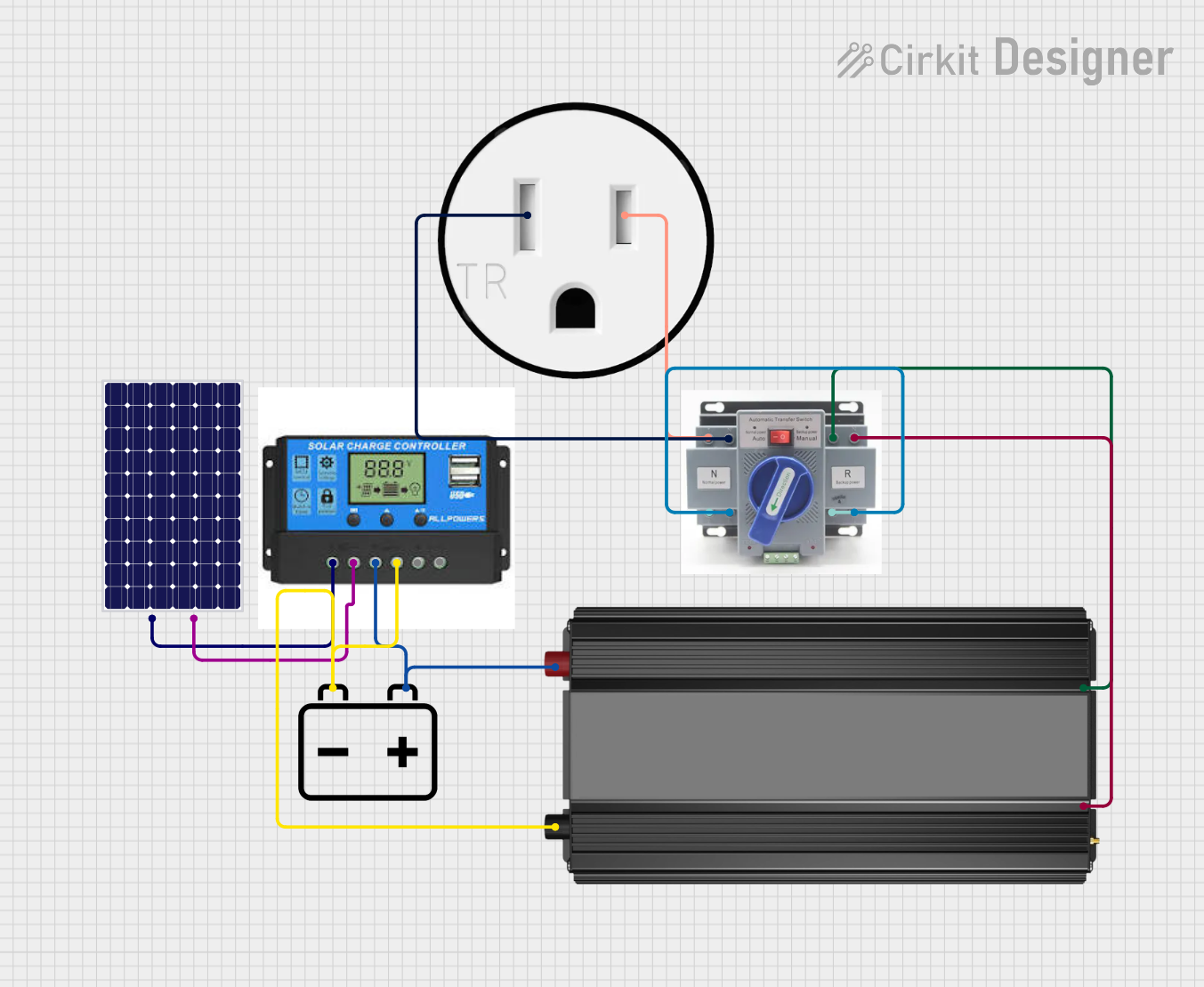 Open Project in Cirkit Designer
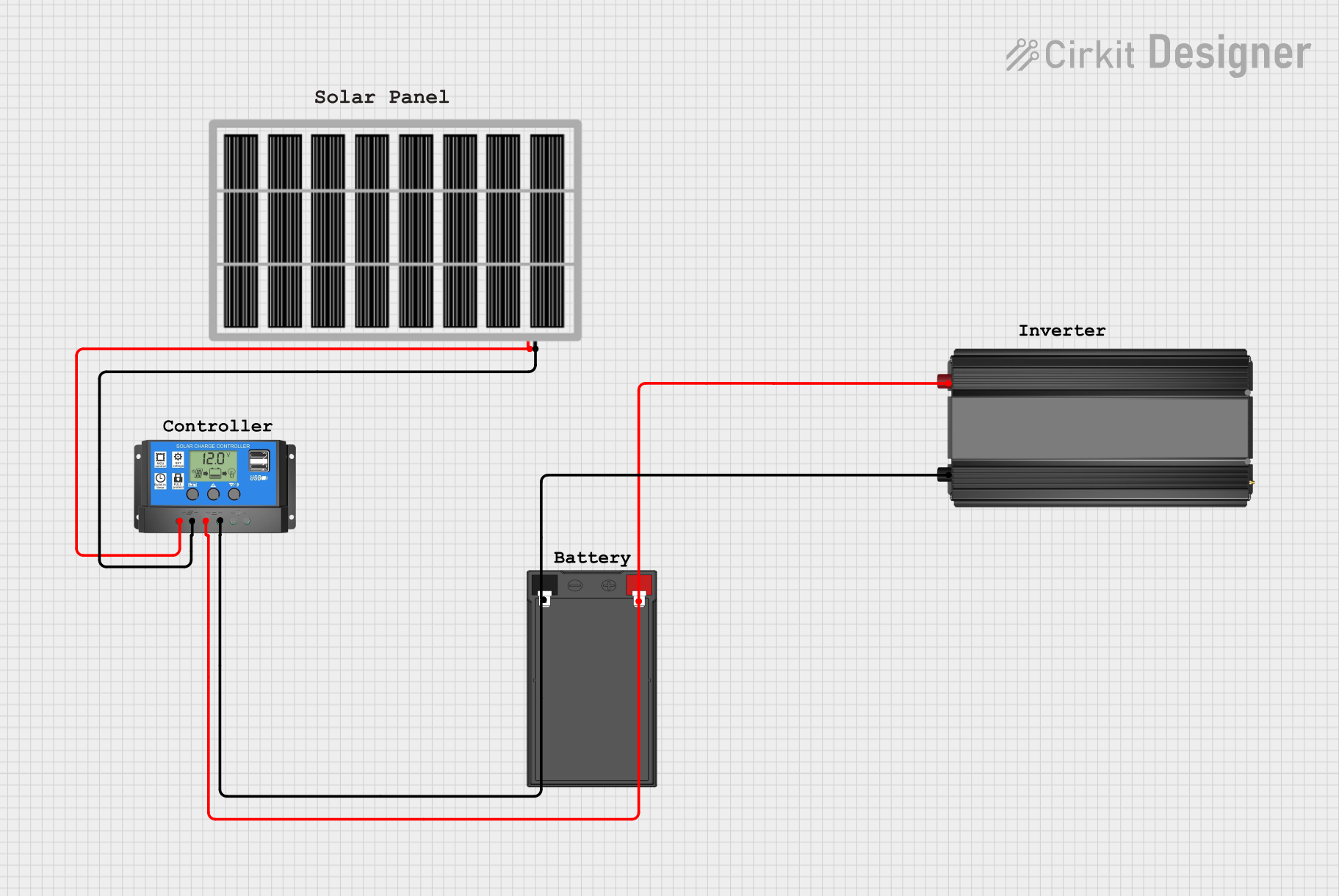 Open Project in Cirkit Designer
 Open Project in Cirkit Designer
Explore Projects Built with solar panel
Open Project in Cirkit DesignerOpen Project in Cirkit DesignerOpen Project in Cirkit DesignerOpen Project in Cirkit DesignerCommon Applications and Use Cases
- Residential rooftop solar systems for powering homes
- Off-grid power systems for remote locations
- Solar-powered devices such as lights, fans, and chargers
- Integration into solar farms for large-scale energy production
- Portable solar panels for camping and outdoor activities
- Backup power systems in combination with batteries
Technical Specifications
Below are the key technical details for the Power Supply Solar Panel (Part ID: Panel):
| Parameter | Value |
|---|---|
| Manufacturer | Power Supply |
| Part ID | Panel |
| Rated Power Output | 100 W |
| Maximum Voltage (Vmp) | 18 V |
| Maximum Current (Imp) | 5.56 A |
| Open Circuit Voltage (Voc) | 22 V |
| Short Circuit Current (Isc) | 5.95 A |
| Efficiency | 18% |
| Dimensions | 1200 mm x 540 mm x 35 mm |
| Weight | 8 kg |
| Operating Temperature | -40°C to +85°C |
| Connector Type | MC4 |
Pin Configuration and Descriptions
Solar panels typically have two output terminals for electrical connections:
| Pin | Description |
|---|---|
| Positive (+) | Connects to the positive terminal of the load or charge controller |
| Negative (-) | Connects to the negative terminal of the load or charge controller |
Usage Instructions
How to Use the Solar Panel in a Circuit
- Positioning the Panel: Place the solar panel in a location with maximum sunlight exposure. Ensure it is angled correctly based on your geographic location to optimize energy generation.
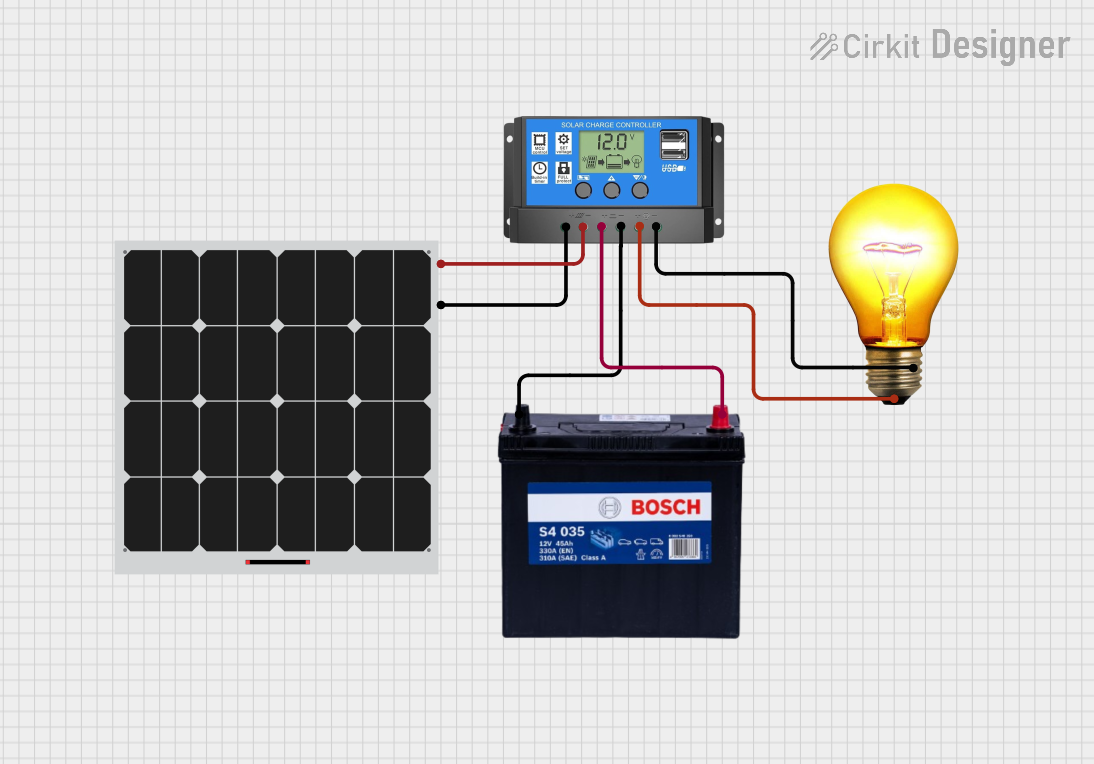
- Connecting to a Charge Controller:
- Connect the positive (+) terminal of the solar panel to the positive input of the charge controller.
- Connect the negative (-) terminal of the solar panel to the negative input of the charge controller.
- Connecting to a Battery (Optional): If using a battery, connect the charge controller's output terminals to the battery's positive and negative terminals.
- Connecting to a Load: Attach the load (e.g., lights, appliances) to the output terminals of the charge controller or directly to the battery, depending on the system design.
- Monitoring and Maintenance: Regularly clean the panel surface to remove dust and debris, and inspect the connections for any signs of wear or damage.
Important Considerations and Best Practices
- Avoid Overloading: Ensure the connected load does not exceed the panel's rated power output.
- Use a Charge Controller: Always use a charge controller to regulate the voltage and current, preventing overcharging or damage to the battery.
- Protect from Shading: Partial shading can significantly reduce the panel's efficiency. Keep the panel free from obstructions.
- Temperature Effects: Be aware that high temperatures can slightly reduce the panel's efficiency. Ensure proper ventilation if installed in a confined space.
- Safety Precautions: Handle the panel carefully to avoid damaging the glass surface or internal cells. Disconnect the panel during installation or maintenance to prevent electrical shocks.
Example: Connecting to an Arduino UNO
To use the solar panel with an Arduino UNO, you can connect it via a charge controller and a battery. Below is an example code to monitor the battery voltage using the Arduino:
// Example code to monitor battery voltage using Arduino UNO
const int batteryPin = A0; // Analog pin connected to the battery
float voltage = 0.0;

void setup() {
  Serial.begin(9600); // Initialize serial communication
}

void loop() {
  int sensorValue = analogRead(batteryPin); // Read the analog value
  voltage = sensorValue * (5.0 / 1023.0) * 11;
  // Convert to voltage (assuming a 10:1 voltage divider)

  Serial.print("Battery Voltage: ");
  Serial.print(voltage);
  Serial.println(" V");

  delay(1000); // Wait for 1 second before the next reading
}
Note: Use a voltage divider circuit to step down the battery voltage to a safe range (0-5V) for the Arduino's analog input.
Troubleshooting and FAQs
Common Issues and Solutions
Low Power Output:
- Cause: Insufficient sunlight or shading.
- Solution: Reposition the panel to receive maximum sunlight and remove any obstructions.
No Output Voltage:
- Cause: Loose or faulty connections.
- Solution: Check all connections and ensure they are secure and properly insulated.
Overheating:
- Cause: High ambient temperature or poor ventilation.
- Solution: Install the panel in a well-ventilated area and avoid placing it on heat-absorbing surfaces.
Battery Not Charging:
- Cause: Faulty charge controller or incorrect wiring.
- Solution: Verify the charge controller's functionality and double-check the wiring.
FAQs
Q: Can I connect the solar panel directly to a battery?
A: It is not recommended. Always use a charge controller to prevent overcharging and damage to the battery.Q: How do I calculate the energy output of the panel?
A: Multiply the panel's rated power (in watts) by the number of sunlight hours per day. For example, a 100W panel receiving 5 hours of sunlight produces 500Wh of energy.Q: Can the panel be used indoors?
A: Solar panels require direct sunlight for optimal performance. Indoor use is not recommended unless there is sufficient sunlight exposure.Q: How long does a solar panel last?
A: Most solar panels have a lifespan of 25-30 years with proper maintenance.
By following this documentation, users can effectively integrate the Power Supply Solar Panel (Part ID: Panel) into their energy systems and maximize its performance.