
How to Use DC SURGE PROTECTION PARAFOUDRE: Examples, Pinouts, and Specs
 Design with DC SURGE PROTECTION PARAFOUDRE in Cirkit Designer
Introduction
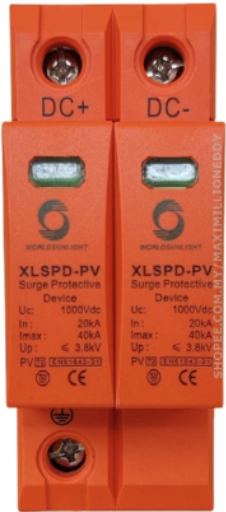
The DC Surge Protection Parafoudre (DCSPD) is a device designed to safeguard DC electrical systems from voltage spikes and surges. These surges are often caused by external factors such as lightning strikes or internal events like switching operations. By clamping excessive voltages and diverting surge currents, the DCSPD ensures the safety and longevity of connected equipment, preventing potential damage or system failures.
Explore Projects Built with DC SURGE PROTECTION PARAFOUDRE
 Open Project in Cirkit Designer
 Open Project in Cirkit Designer
 Open Project in Cirkit Designer
 Open Project in Cirkit Designer
Explore Projects Built with DC SURGE PROTECTION PARAFOUDRE
Open Project in Cirkit DesignerOpen Project in Cirkit DesignerOpen Project in Cirkit DesignerOpen Project in Cirkit DesignerCommon Applications and Use Cases
- Solar power systems (photovoltaic arrays)
- DC power distribution systems
- Industrial automation and control systems
- Telecommunications equipment
- Electric vehicle (EV) charging stations
- Battery storage systems
Technical Specifications
Key Technical Details
| Parameter | Value |
|---|---|
| Manufacturer | DC SPD |
| Part ID | DCSPD |
| Nominal Operating Voltage | 12V DC, 24V DC, 48V DC, 1000V DC (varies by model) |
| Maximum Continuous Operating Voltage (MCOV) | 1.25 × Nominal Voltage |
| Surge Protection Rating | Up to 40 kA (8/20 µs waveform) |
| Voltage Protection Level (VPL) | ≤ 1.5 kV (depending on model) |
| Response Time | < 25 nanoseconds |
| Operating Temperature Range | -40°C to +85°C |
| Enclosure Rating | IP65 (weatherproof and dustproof) |
| Standards Compliance | IEC 61643-11, UL 1449 |
Pin Configuration and Descriptions
The DCSPD typically features a simple terminal-based connection system for easy integration into DC circuits. Below is the pin configuration:
| Terminal Name | Description |
|---|---|
| L+ | Positive DC input (line) |
| L- | Negative DC input (line) |
| PE | Protective Earth (ground connection) |
Usage Instructions
How to Use the Component in a Circuit
- Identify the Voltage Rating: Ensure the DCSPD model matches the nominal voltage of your DC system (e.g., 12V, 24V, 48V, or 1000V DC).
- Connect the Terminals:
- Connect the L+ terminal to the positive DC line.
- Connect the L- terminal to the negative DC line.
- Connect the PE terminal to the system's protective earth or ground.
- Install Close to Equipment: Place the DCSPD as close as possible to the equipment or system you want to protect.
- Secure the Device: Mount the DCSPD in a weatherproof enclosure if used outdoors or in harsh environments.
- Verify Connections: Double-check all connections to ensure proper polarity and grounding.
Important Considerations and Best Practices
- Voltage Compatibility: Always use a DCSPD with a voltage rating equal to or greater than the system's nominal voltage.
- Grounding: Proper grounding is critical for effective surge protection. Ensure the PE terminal is securely connected to a low-impedance ground.
- Periodic Inspection: Regularly inspect the DCSPD for signs of wear, damage, or failure. Replace the device if necessary.
- Avoid Overloading: Do not exceed the maximum surge current rating of the device.
- Use in Series: For systems with multiple voltage levels, consider using multiple DCSPDs in series, each rated for the specific voltage level.
Example: Connecting to a Solar Power System
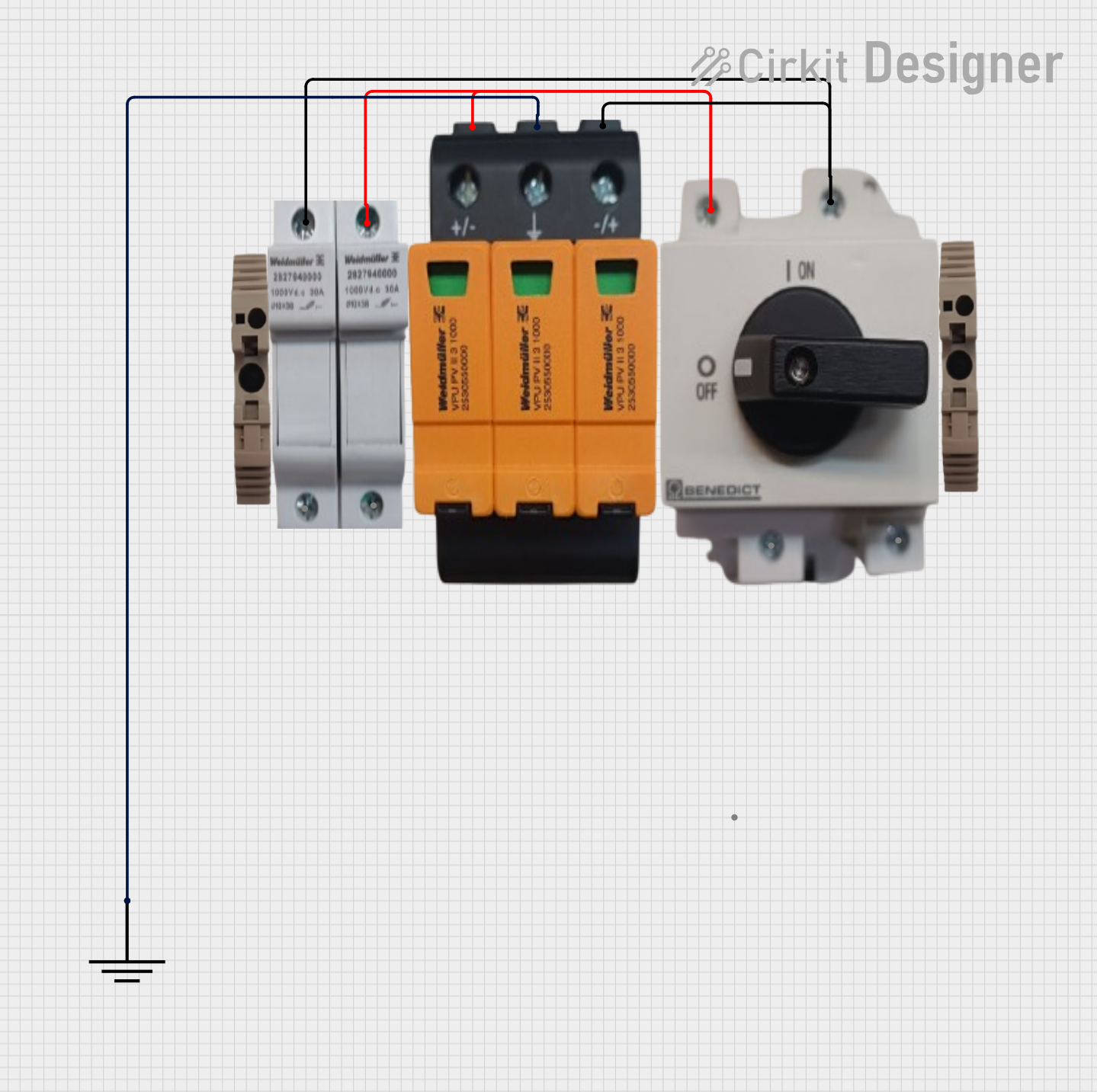
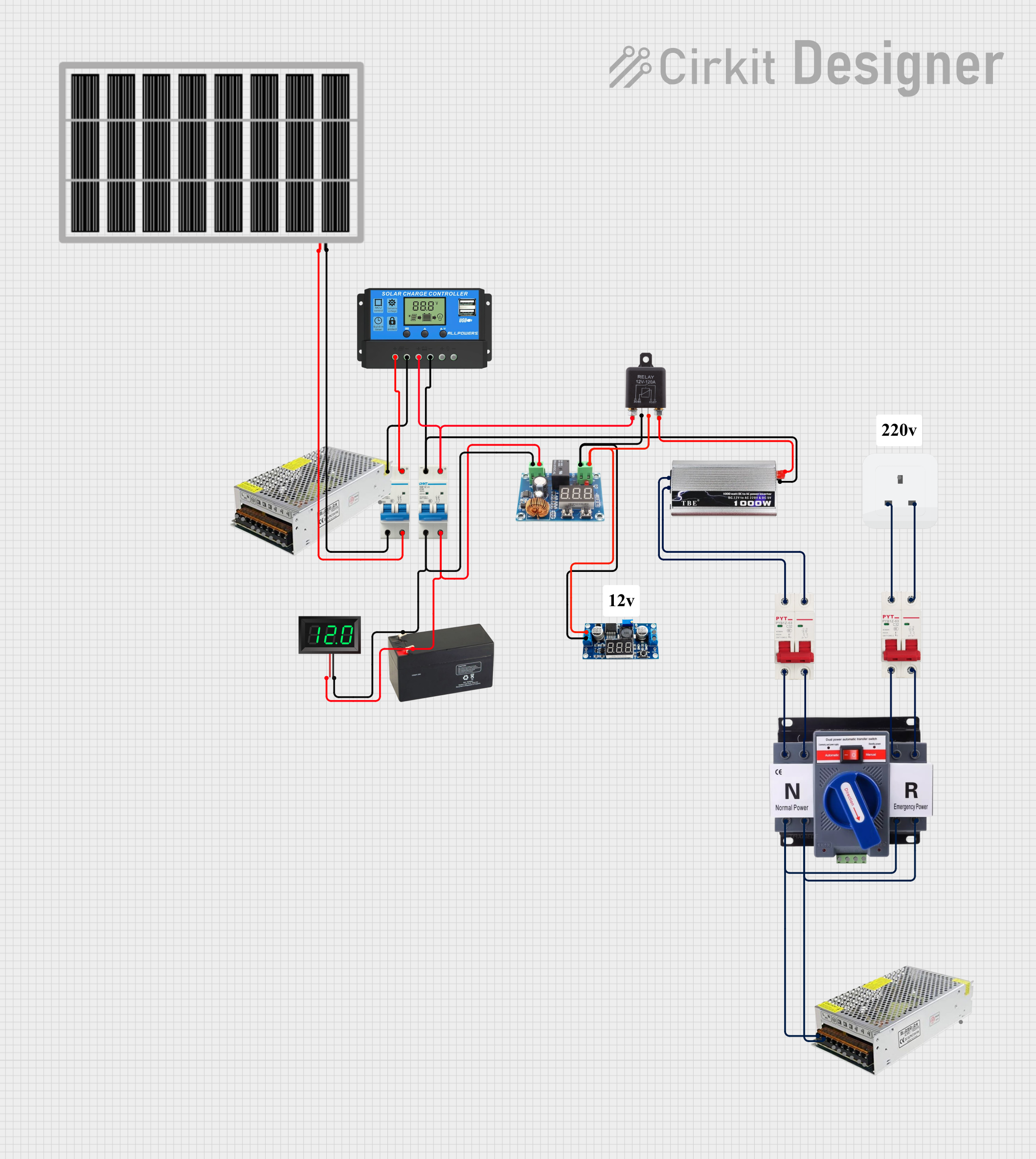
In a solar power system, the DCSPD is typically installed between the photovoltaic (PV) array and the inverter. Ensure the DCSPD's voltage rating matches the PV array's output voltage. Proper grounding of the PE terminal is essential to protect the inverter and other downstream equipment.
Troubleshooting and FAQs
Common Issues Users Might Face
DCSPD Does Not Activate During a Surge
- Cause: Incorrect voltage rating or improper installation.
- Solution: Verify the DCSPD's voltage rating matches the system's nominal voltage. Check all connections, especially the PE terminal.
Frequent Failures of the DCSPD
- Cause: Repeated exposure to surges exceeding the device's maximum rating.
- Solution: Upgrade to a DCSPD with a higher surge current rating or investigate the source of frequent surges.
Overheating of the DCSPD
- Cause: Poor ventilation or excessive current flow.
- Solution: Ensure the device is installed in a well-ventilated area and verify the system's current does not exceed the DCSPD's specifications.
No Ground Connection Detected
- Cause: Improper grounding or disconnected PE terminal.
- Solution: Check the grounding system and ensure the PE terminal is securely connected.
FAQs
Q1: Can the DCSPD be used in AC systems?
A1: No, the DCSPD is specifically designed for DC systems. For AC systems, use an AC surge protection device.
Q2: How do I know if the DCSPD has failed?
A2: Many DCSPDs include an indicator (e.g., LED or mechanical flag) that shows the device's operational status. If the indicator shows a fault, replace the device.
Q3: Can I install the DCSPD outdoors?
A3: Yes, the DCSPD is rated IP65, making it suitable for outdoor use. However, ensure it is mounted in a weatherproof enclosure for added protection.
Q4: What happens if the surge exceeds the DCSPD's rating?
A4: If the surge exceeds the device's maximum rating, the DCSPD may fail, potentially leaving the connected equipment unprotected. Always select a DCSPD with an appropriate surge current rating for your application.