
How to Use WAGO 221-413: Examples, Pinouts, and Specs
 Design with WAGO 221-413 in Cirkit Designer
Introduction
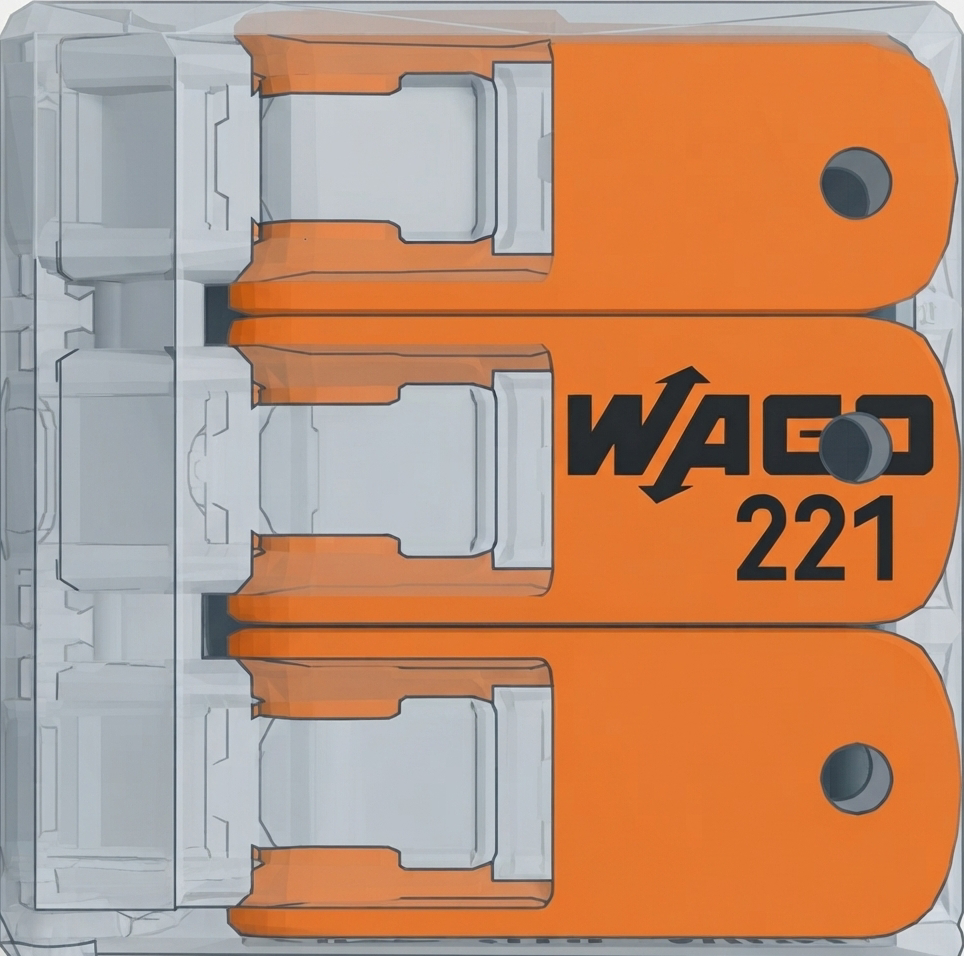
The WAGO 221-413 is a compact, push-in wire connector designed for quick and reliable electrical connections. Manufactured by WAGO, this connector is part of the 221 Series and is widely recognized for its ease of use, versatility, and safety. The transparent housing allows for easy inspection of wire connections, ensuring proper installation. It supports a wide range of wire sizes, making it suitable for various electrical installations, including residential, commercial, and industrial applications.
Explore Projects Built with WAGO 221-413
 Open Project in Cirkit Designer
 Open Project in Cirkit Designer
 Open Project in Cirkit Designer
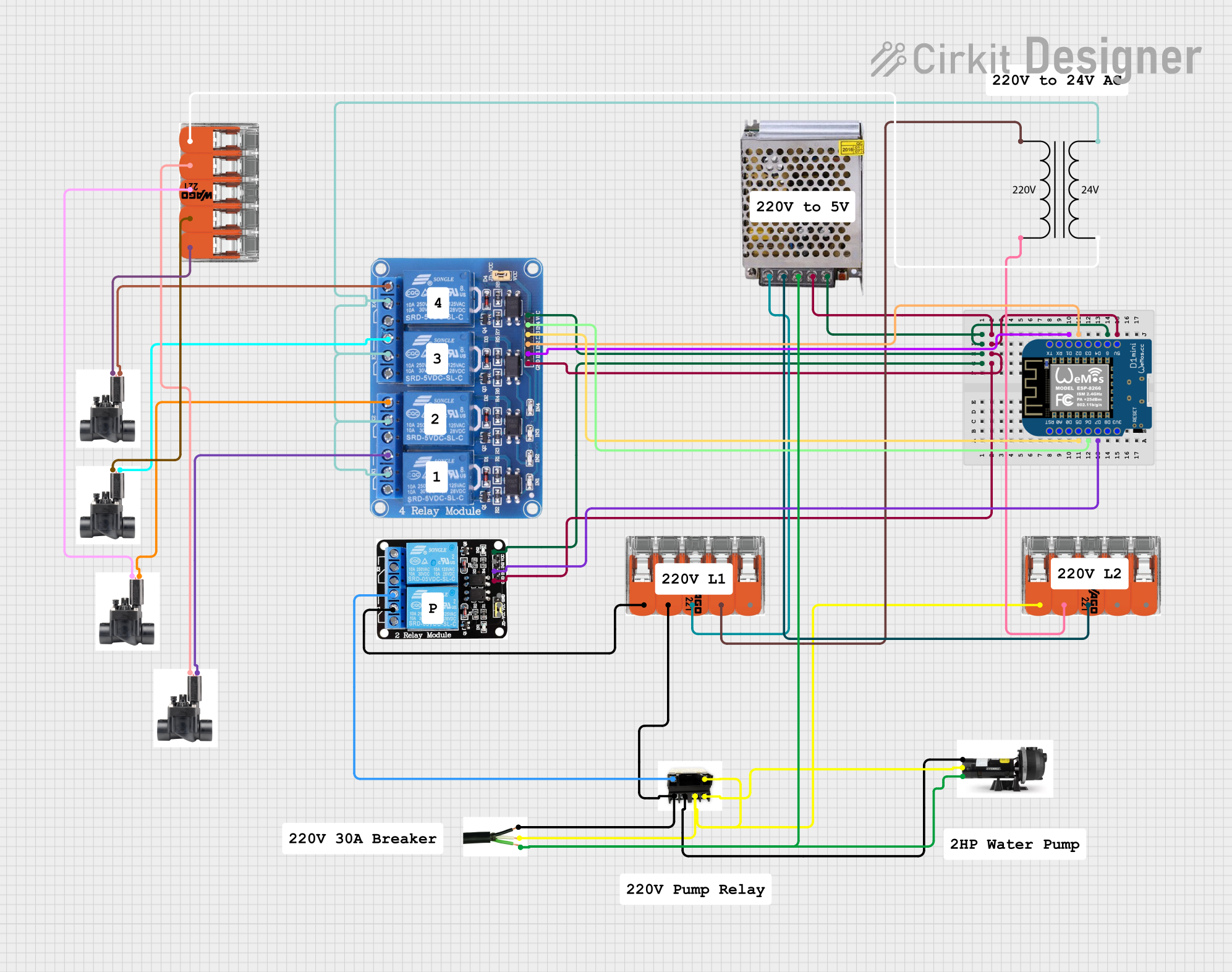 Open Project in Cirkit Designer
Explore Projects Built with WAGO 221-413
Open Project in Cirkit DesignerOpen Project in Cirkit DesignerOpen Project in Cirkit DesignerOpen Project in Cirkit DesignerCommon Applications and Use Cases
- Electrical wiring in residential and commercial buildings
- Lighting installations
- Junction box connections
- Temporary or permanent wiring setups
- Prototyping and testing in electrical engineering projects
Technical Specifications
The WAGO 221-413 is designed to meet the needs of modern electrical installations with the following specifications:
| Parameter | Specification |
|---|---|
| Manufacturer | WAGO |
| Part Number | 221-413 |
| Wire Size Range | 0.14 mm² to 4 mm² (24–12 AWG) |
| Voltage Rating | 450 V |
| Current Rating | 32 A |
| Housing Material | Polycarbonate (transparent) |
| Operating Temperature | -20°C to +85°C |
| Number of Connections | 3 |
| Dimensions (L x W x H) | 18.7 mm x 13.1 mm x 8.3 mm |
| Certifications | CE, UL, ENEC, and IEC compliant |
Pin Configuration and Descriptions
The WAGO 221-413 does not have traditional pins but instead features three connection points for wires. Each connection point is equipped with a lever for easy wire insertion and secure clamping. Below is a description of the connection points:
| Connection Point | Description |
|---|---|
| 1 | First wire connection point (supports solid, stranded, or fine-stranded wires) |
| 2 | Second wire connection point (supports solid, stranded, or fine-stranded wires) |
| 3 | Third wire connection point (supports solid, stranded, or fine-stranded wires) |
Usage Instructions
How to Use the WAGO 221-413 in a Circuit
- Prepare the Wires: Strip the insulation from the wire ends to expose approximately 10–12 mm of conductor.
- Open the Lever: Lift the lever on the WAGO 221-413 to open the clamping mechanism.
- Insert the Wire: Insert the stripped wire into the connection point until it reaches the stop.
- Close the Lever: Push the lever back down to secure the wire in place. The transparent housing allows you to verify the connection visually.
- Repeat for Additional Wires: Repeat the process for the remaining connection points as needed.
Important Considerations and Best Practices
- Ensure that the wire is stripped to the correct length (10–12 mm) to avoid improper connections.
- Do not use wires with damaged or corroded conductors.
- Verify the connection visually through the transparent housing before powering the circuit.
- Avoid exceeding the voltage and current ratings of the connector (450 V and 32 A, respectively).
- Use the connector only within the specified operating temperature range (-20°C to +85°C).
Example: Connecting to an Arduino UNO
While the WAGO 221-413 is not directly used with microcontrollers like the Arduino UNO, it can be used to simplify wiring in projects. For example, you can use it to connect power supply wires or distribute signals to multiple components.
// Example: Using WAGO 221-413 to distribute power to multiple components
// This code demonstrates powering an LED and a sensor from the Arduino UNO's 5V pin.

const int ledPin = 13; // Pin connected to the LED
const int sensorPin = A0; // Pin connected to the sensor

void setup() {
  pinMode(ledPin, OUTPUT); // Set LED pin as output
  pinMode(sensorPin, INPUT); // Set sensor pin as input
}

void loop() {
  digitalWrite(ledPin, HIGH); // Turn on the LED
  delay(1000); // Wait for 1 second
  digitalWrite(ledPin, LOW); // Turn off the LED
  delay(1000); // Wait for 1 second

  int sensorValue = analogRead(sensorPin); // Read sensor value
  // Use the sensor value in your application logic
}
In this example, the WAGO 221-413 can be used to connect the 5V and GND pins of the Arduino UNO to both the LED and the sensor, ensuring a clean and reliable wiring setup.
Troubleshooting and FAQs
Common Issues Users Might Face
- Loose Connections: If the wire is not securely clamped, it may cause intermittent connections or failure.
- Solution: Ensure the lever is fully closed and the wire is inserted to the stop.
- Overheating: Exceeding the current rating (32 A) can cause the connector to overheat.
- Solution: Verify that the connected load does not exceed the specified current rating.
- Wire Slippage: Fine-stranded wires may slip if not properly inserted.
- Solution: Twist fine-stranded wires before insertion to improve clamping.
FAQs
Q: Can the WAGO 221-413 be reused?
A: Yes, the WAGO 221-413 is designed for reuse. Simply lift the lever to release the wire and insert a new one.
Q: Is the WAGO 221-413 suitable for outdoor use?
A: The connector is not waterproof and should be used in dry environments or within enclosures rated for outdoor use.
Q: Can I connect wires of different sizes?
A: Yes, the WAGO 221-413 supports a wide range of wire sizes (0.14 mm² to 4 mm²) and can connect wires of different sizes securely.
Q: How do I know if the connection is secure?
A: The transparent housing allows you to visually inspect the connection and ensure the wire is properly clamped.
By following these guidelines and best practices, the WAGO 221-413 can provide reliable and efficient electrical connections for a wide range of applications.