
How to Use KY-012: Examples, Pinouts, and Specs
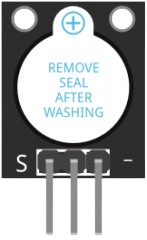
 Design with KY-012 in Cirkit Designer
Introduction
The KY-012 is a temperature sensor module that utilizes the LM35 temperature sensor. It provides an analog output that is directly proportional to the temperature in degrees Celsius. This module is widely used in temperature monitoring and control applications due to its simplicity, accuracy, and ease of integration into electronic circuits.
Explore Projects Built with KY-012
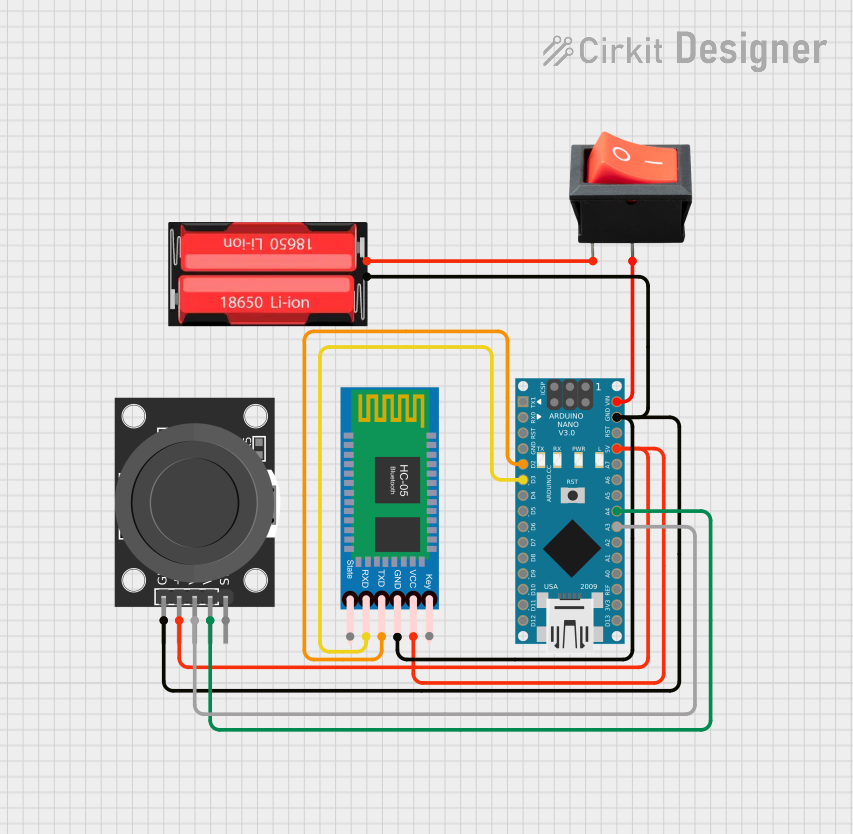 Open Project in Cirkit Designer
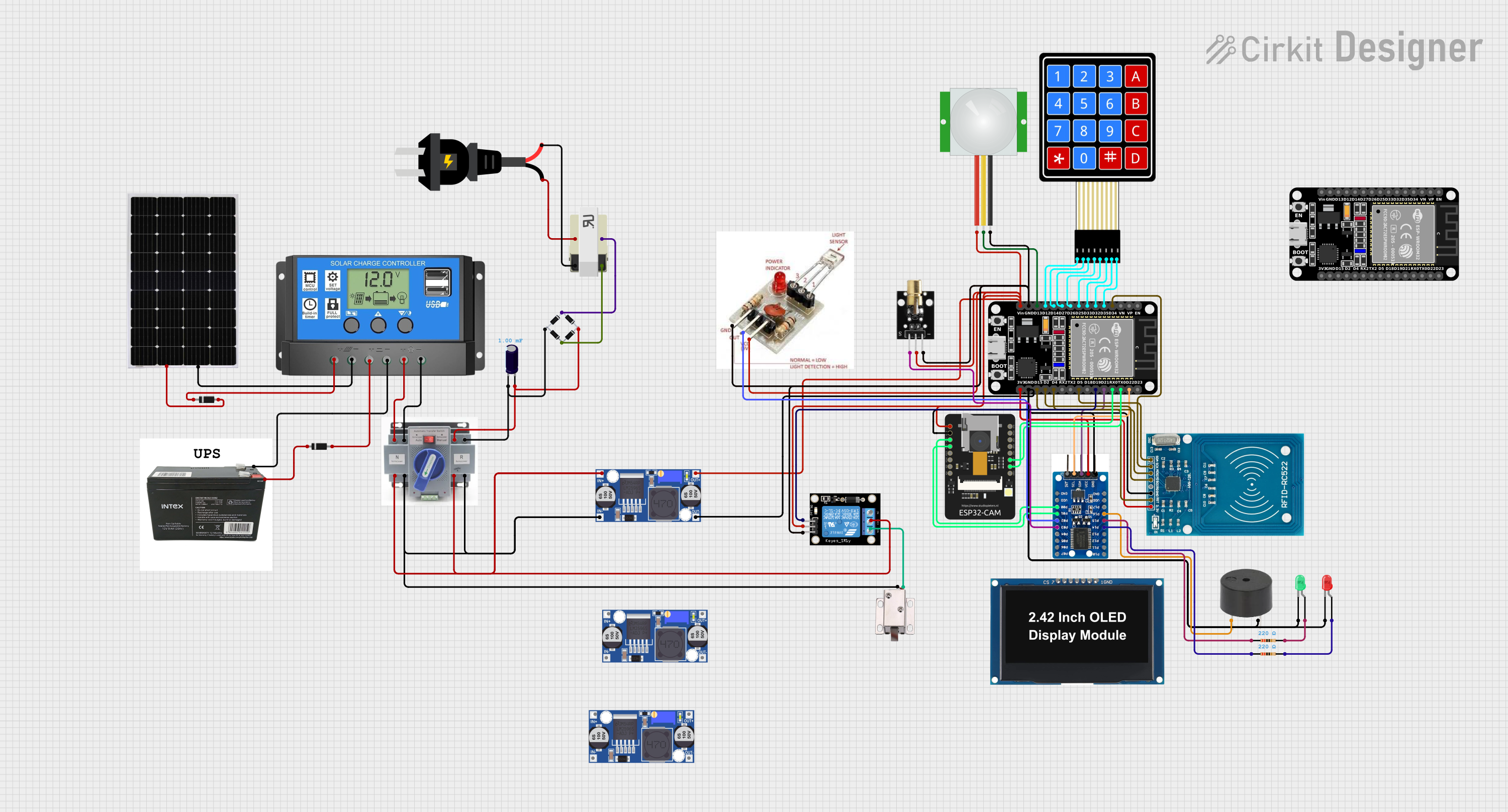 Open Project in Cirkit Designer
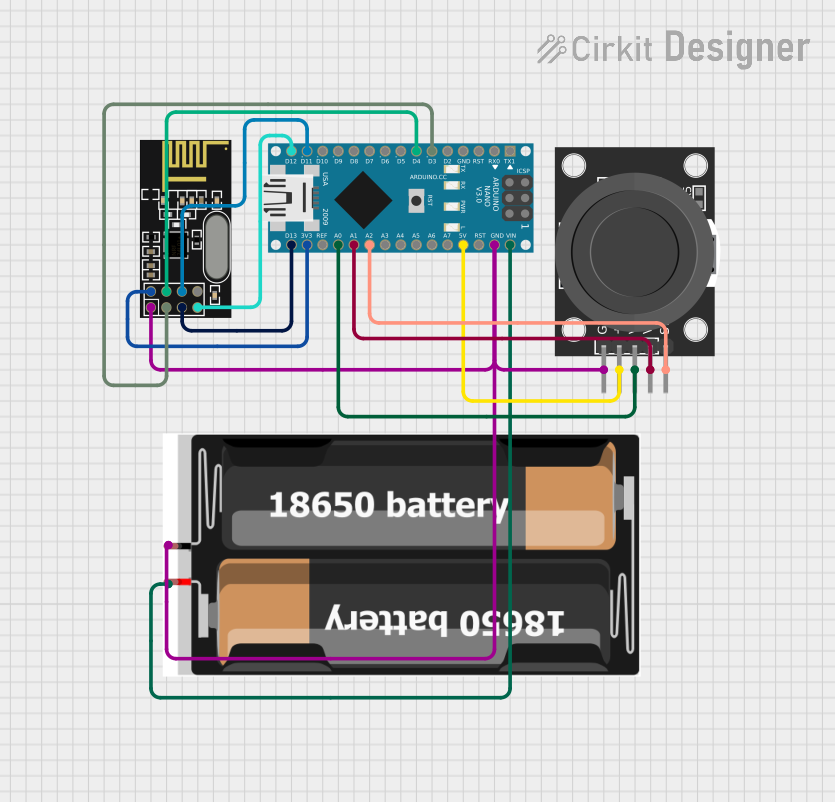 Open Project in Cirkit Designer
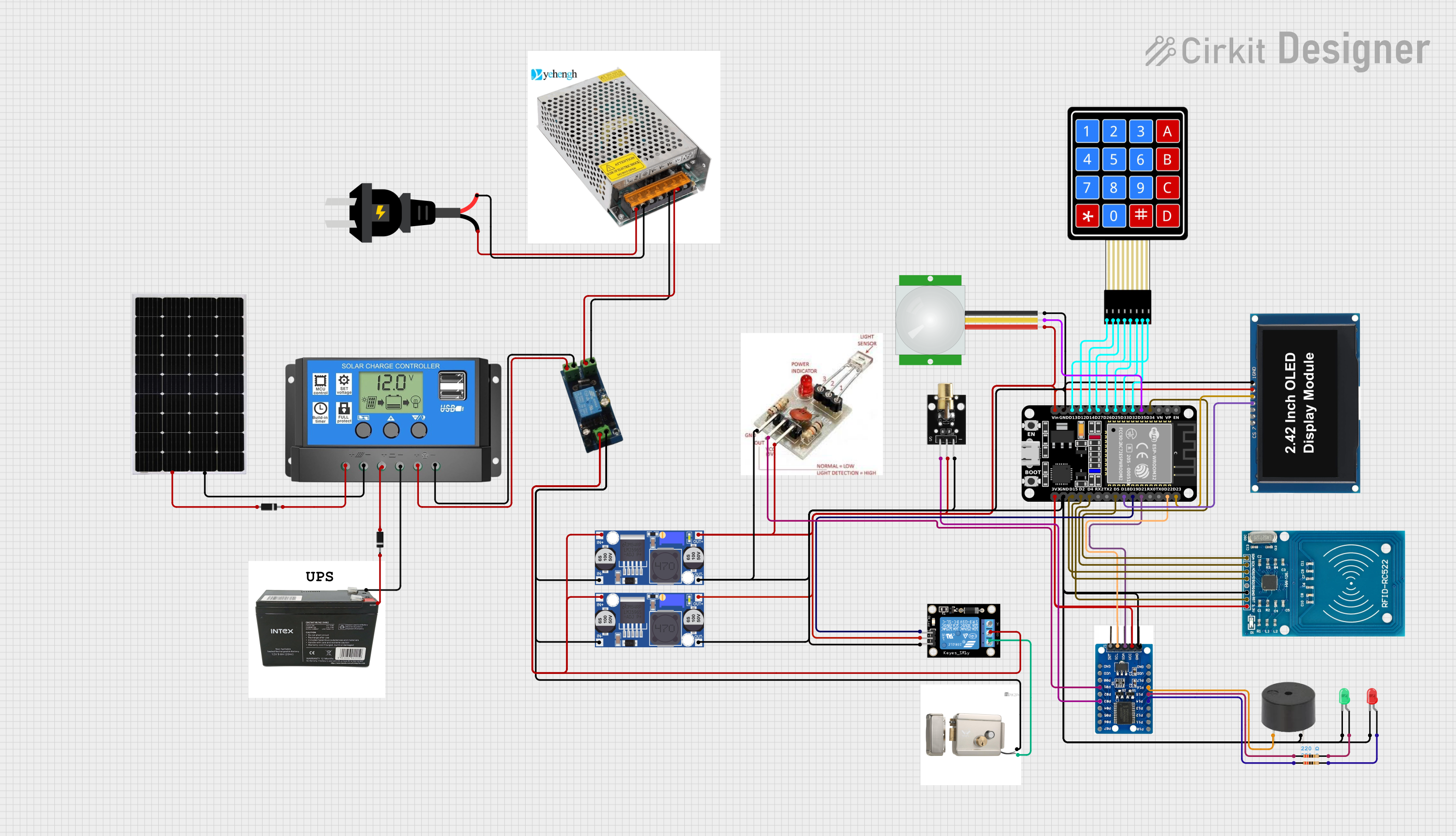 Open Project in Cirkit Designer
Explore Projects Built with KY-012
Open Project in Cirkit DesignerOpen Project in Cirkit DesignerOpen Project in Cirkit DesignerOpen Project in Cirkit DesignerCommon Applications
- Environmental temperature monitoring
- HVAC systems
- Industrial temperature control
- Weather stations
- Home automation projects
- Educational and prototyping purposes
Technical Specifications
The KY-012 module is based on the LM35 temperature sensor, which offers high accuracy and linear output. Below are the key technical details:
| Parameter | Value |
|---|---|
| Operating Voltage | 4V to 30V |
| Output Voltage Range | 0V to 1.5V (for -55°C to 150°C) |
| Temperature Range | -55°C to 150°C |
| Accuracy | ±0.5°C (at 25°C) |
| Output Scale Factor | 10mV/°C |
| Power Consumption | Low (60 µA typical) |
Pin Configuration
The KY-012 module has three pins for easy connection:
| Pin | Name | Description |
|---|---|---|
| 1 | VCC | Power supply input (4V to 30V) |
| 2 | GND | Ground connection |
| 3 | OUT | Analog output voltage proportional to temperature |
Usage Instructions
How to Use the KY-012 in a Circuit
- Power the Module: Connect the
VCCpin to a power source (4V to 30V) and theGNDpin to the ground. - Read the Output: Connect the
OUTpin to an analog input pin of a microcontroller (e.g., Arduino) or an analog-to-digital converter (ADC) to measure the output voltage. - Calculate Temperature: The output voltage is proportional to the temperature, with a scale factor of 10mV/°C. For example:
- At 25°C, the output voltage will be 250mV.
- At 100°C, the output voltage will be 1V.
Important Considerations
- Ensure the power supply voltage is within the specified range (4V to 30V).
- Avoid placing the sensor in environments with excessive humidity or corrosive substances, as this may affect accuracy.
- Use proper decoupling capacitors near the power supply pins to reduce noise.
- For best accuracy, avoid exposing the sensor to rapid temperature changes.
Example: Connecting KY-012 to Arduino UNO
Below is an example of how to connect and read data from the KY-012 module using an Arduino UNO:
Circuit Connections
- Connect the
VCCpin of the KY-012 to the 5V pin of the Arduino. - Connect the
GNDpin of the KY-012 to the GND pin of the Arduino. - Connect the
OUTpin of the KY-012 to the A0 analog input pin of the Arduino.
Arduino Code
// KY-012 Temperature Sensor Example Code
// Reads the analog output from the KY-012 and calculates the temperature in °C.

const int sensorPin = A0; // KY-012 OUT pin connected to Arduino A0
float voltage;            // Variable to store the sensor output voltage
float temperature;        // Variable to store the calculated temperature

void setup() {
  Serial.begin(9600); // Initialize serial communication at 9600 baud
}

void loop() {
  int sensorValue = analogRead(sensorPin); // Read the analog value (0-1023)

  // Convert the analog value to voltage (assuming 5V reference voltage)
  voltage = sensorValue * (5.0 / 1023.0);

  // Calculate temperature in °C (10mV per °C)
  temperature = voltage * 100.0;

  // Print the temperature to the Serial Monitor
  Serial.print("Temperature: ");
  Serial.print(temperature);
  Serial.println(" °C");

  delay(1000); // Wait for 1 second before the next reading
}
Best Practices
- Use a stable power supply to minimize noise in the output signal.
- If the sensor is used in noisy environments, consider adding a low-pass filter to the output.
- Calibrate the sensor if precise measurements are required.
Troubleshooting and FAQs
Common Issues and Solutions
No Output or Incorrect Readings
- Cause: Incorrect wiring or loose connections.
- Solution: Double-check the connections and ensure the pins are properly connected.
Fluctuating Output
- Cause: Electrical noise or unstable power supply.
- Solution: Use decoupling capacitors (e.g., 0.1µF) near the power supply pins to reduce noise.
Output Voltage Does Not Match Expected Temperature
- Cause: Incorrect calculation or reference voltage mismatch.
- Solution: Verify the reference voltage used in calculations matches the actual supply voltage.
Sensor Overheating
- Cause: Excessive current or exposure to high temperatures.
- Solution: Ensure the power supply voltage is within the specified range and avoid exposing the sensor to extreme conditions.
FAQs
Q1: Can the KY-012 measure negative temperatures?
Yes, the LM35 sensor used in the KY-012 can measure temperatures as low as -55°C. However, the output voltage will be negative for temperatures below 0°C, which may require additional circuitry to read.
Q2: Can I use the KY-012 with a 3.3V microcontroller?
Yes, the KY-012 can operate with a supply voltage as low as 4V. However, ensure the output voltage does not exceed the ADC input range of your microcontroller.
Q3: How accurate is the KY-012?
The LM35 sensor provides an accuracy of ±0.5°C at 25°C. For higher accuracy, consider calibrating the sensor in your specific application.
Q4: Can I extend the wires of the KY-012?
Yes, but long wires may introduce noise. Use shielded cables or add filtering capacitors to minimize interference.
Q5: Is the KY-012 waterproof?
No, the KY-012 is not waterproof. For outdoor or wet environments, consider using a waterproof enclosure or a different sensor designed for such conditions.