
How to Use Orin Nano: Examples, Pinouts, and Specs
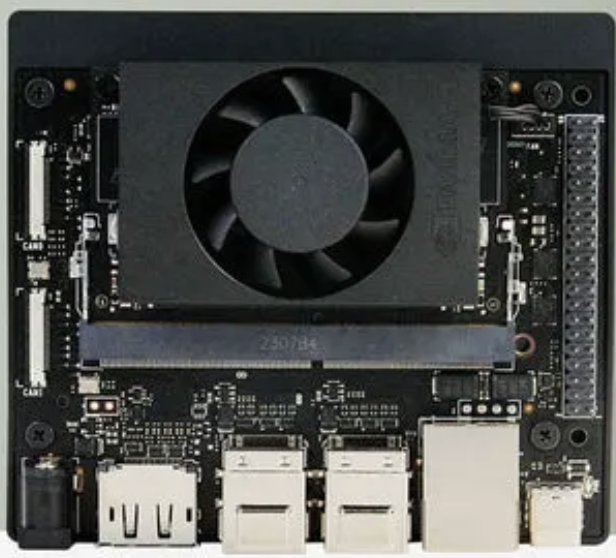
 Design with Orin Nano in Cirkit Designer
Introduction
The NVIDIA Orin Nano is a compact, high-performance computing platform designed for artificial intelligence (AI) and robotics applications. It is powered by NVIDIA's Orin system-on-chip (SoC), which integrates advanced GPU capabilities, deep learning acceleration, and efficient power management. The Orin Nano is ideal for developers and engineers looking to deploy AI-powered solutions in edge devices, robotics, autonomous machines, and IoT systems.
Explore Projects Built with Orin Nano
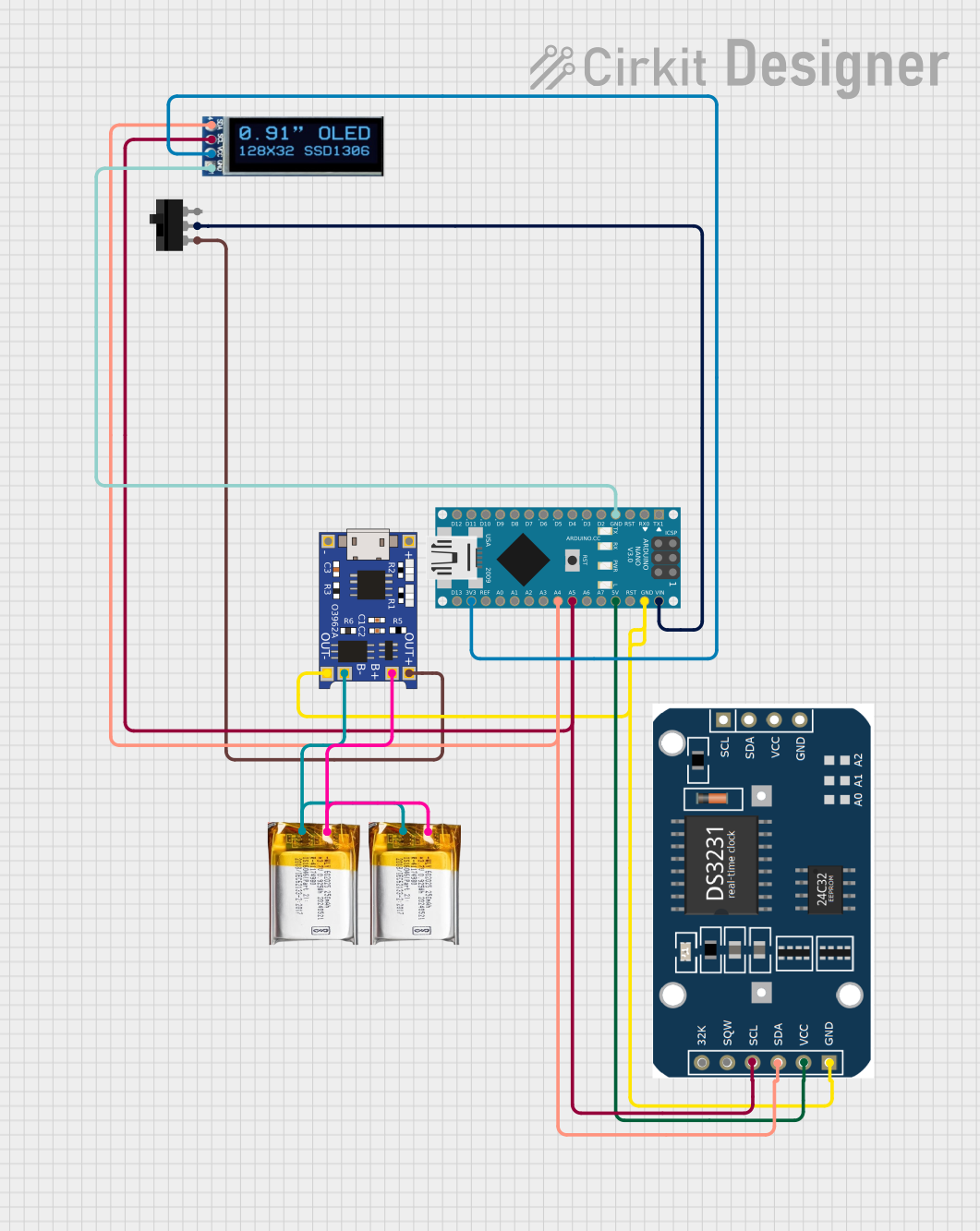 Open Project in Cirkit Designer
 Open Project in Cirkit Designer
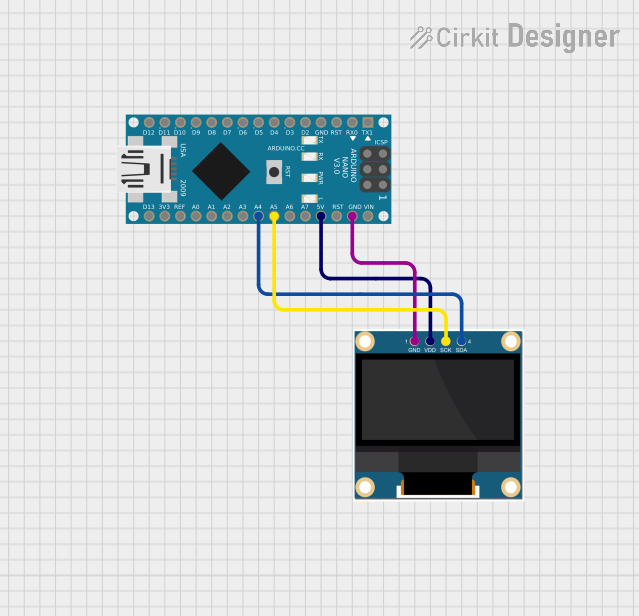 Open Project in Cirkit Designer
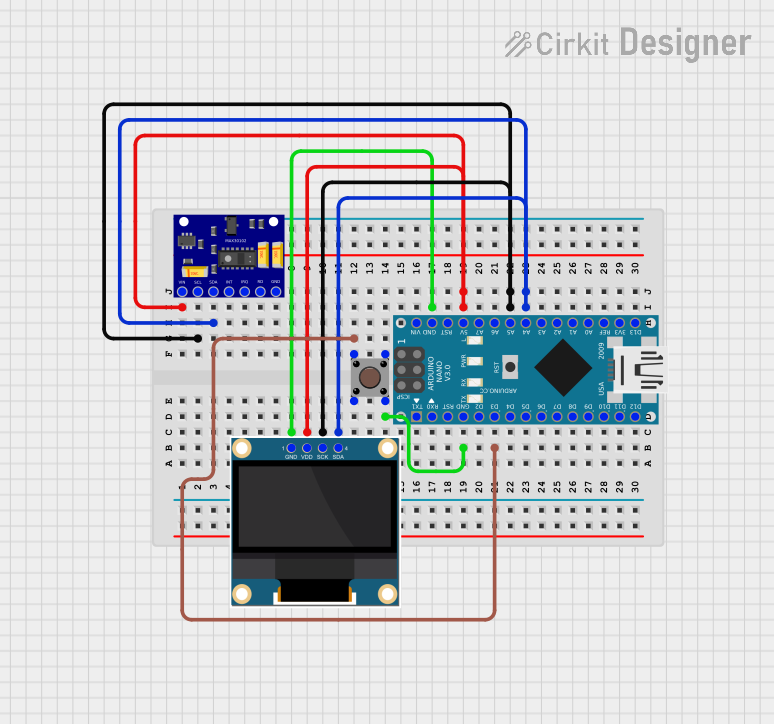 Open Project in Cirkit Designer
Explore Projects Built with Orin Nano
Open Project in Cirkit DesignerOpen Project in Cirkit DesignerOpen Project in Cirkit DesignerOpen Project in Cirkit DesignerCommon Applications and Use Cases
- AI-powered robotics and automation
- Edge computing for real-time data processing
- Computer vision and image recognition
- Natural language processing (NLP) and speech recognition
- Autonomous vehicles and drones
- Smart surveillance and security systems
Technical Specifications
The Orin Nano is available in multiple configurations to suit a variety of performance and power requirements. Below are the key technical details:
Key Specifications
| Parameter | Value |
|---|---|
| GPU Architecture | NVIDIA Ampere |
| GPU Cores | Up to 1024 CUDA cores |
| Tensor Cores | Up to 32 |
| CPU | 6-core ARM Cortex-A78AE v8.2 64-bit CPU |
| Memory | Up to 8 GB LPDDR5 |
| Storage | eMMC 5.1 (16 GB) |
| AI Performance | Up to 40 TOPS (Tera Operations Per Second) |
| Power Consumption | Configurable: 7W to 15W |
| Connectivity | PCIe Gen4, USB 3.2, Gigabit Ethernet |
| Operating Temperature | -25°C to 80°C |
| Dimensions | 69.6 mm x 45 mm |
Pin Configuration and Descriptions
The Orin Nano module connects to a carrier board via a 260-pin SO-DIMM connector. Below is a summary of key pin groups:
| Pin Group | Description |
|---|---|
| Power Pins | Supplies power to the module (3.3V, 5V, 12V) |
| GPIO Pins | General-purpose input/output for custom I/O |
| I2C Pins | Communication with sensors and peripherals |
| UART Pins | Serial communication for debugging or devices |
| USB Pins | High-speed USB 3.2 connectivity |
| PCIe Pins | High-speed PCIe Gen4 interface |
| Ethernet Pins | Gigabit Ethernet for networking |
| Display Pins | HDMI and DisplayPort output |
For a detailed pinout, refer to the official NVIDIA Orin Nano datasheet.
Usage Instructions
How to Use the Orin Nano in a Circuit
- Power Supply: Ensure the carrier board provides a stable power supply within the module's operating range (7W to 15W). Use a high-quality power adapter to avoid voltage fluctuations.
- Cooling: Attach an appropriate heatsink or active cooling solution to maintain optimal operating temperatures, especially under heavy workloads.
- Carrier Board: Connect the Orin Nano module to a compatible carrier board via the SO-DIMM connector. Ensure the board supports the required interfaces (e.g., USB, Ethernet, PCIe).
- Peripherals: Connect peripherals such as cameras, sensors, and displays to the appropriate pins or ports on the carrier board.
- Software Setup: Flash the NVIDIA JetPack SDK onto the module's eMMC storage or an external microSD card. JetPack provides the necessary drivers, libraries, and tools for AI and robotics development.
- Development Environment: Use NVIDIA's CUDA, TensorRT, and DeepStream SDKs to develop and deploy AI models. Python and C++ are commonly used programming languages.
Important Considerations and Best Practices
- Power Management: Configure the power mode (7W, 10W, or 15W) based on your application's performance and thermal requirements.
- Thermal Management: Monitor the module's temperature using software tools and ensure adequate cooling to prevent thermal throttling.
- Software Updates: Regularly update the JetPack SDK to access the latest features, performance improvements, and security patches.
- Debugging: Use the UART pins for serial debugging during development.
Example: Using Orin Nano with Arduino UNO
The Orin Nano can communicate with an Arduino UNO via UART or I2C. Below is an example of using UART to send data from the Arduino to the Orin Nano.
Arduino Code
// Arduino code to send data via UART to the Orin Nano
void setup() {
  Serial.begin(9600); // Initialize UART communication at 9600 baud
}

void loop() {
  Serial.println("Hello from Arduino!"); // Send a message to Orin Nano
  delay(1000); // Wait for 1 second
}
Python Code for Orin Nano
Python code to receive data from Arduino via UART on Orin Nano
import serial
Initialize UART communication (adjust port and baud rate as needed)
arduino = serial.Serial('/dev/ttyTHS1', 9600, timeout=1)
while True: # Read data from Arduino data = arduino.readline().decode('utf-8').strip() if data: print(f"Received: {data}") # Print received data
Troubleshooting and FAQs
Common Issues and Solutions
Module Not Powering On
- Cause: Insufficient or unstable power supply.
- Solution: Verify the power adapter and ensure the carrier board provides the required voltage and current.
Overheating
- Cause: Inadequate cooling or high ambient temperature.
- Solution: Install a heatsink or active cooling solution. Ensure proper airflow around the module.
No Display Output
- Cause: Incorrect display connection or unsupported resolution.
- Solution: Check the display cable and ensure the monitor supports the configured resolution.
UART Communication Issues
- Cause: Incorrect baud rate or wiring.
- Solution: Verify the baud rate and ensure TX and RX pins are correctly connected.
Software Installation Fails
- Cause: Corrupted JetPack SDK or insufficient storage.
- Solution: Re-download the JetPack SDK and ensure sufficient storage space on the module.
FAQs
Q: Can the Orin Nano run multiple AI models simultaneously?
- A: Yes, the Orin Nano's GPU and Tensor Cores allow it to run multiple AI models concurrently, depending on the workload and available resources.
Q: What operating systems are supported?
- A: The Orin Nano supports Linux-based operating systems, including NVIDIA's custom Ubuntu-based distribution provided with JetPack.
Q: Can I use the Orin Nano for real-time applications?
- A: Yes, the Orin Nano's CPU and GPU are optimized for real-time AI and robotics applications.
Q: Is the Orin Nano compatible with Raspberry Pi accessories?
- A: Some Raspberry Pi accessories may be compatible, but compatibility depends on the specific accessory and the carrier board used.
For additional support, refer to the official NVIDIA Orin Nano documentation and community forums.