
How to Use Relay 2 channel: Examples, Pinouts, and Specs
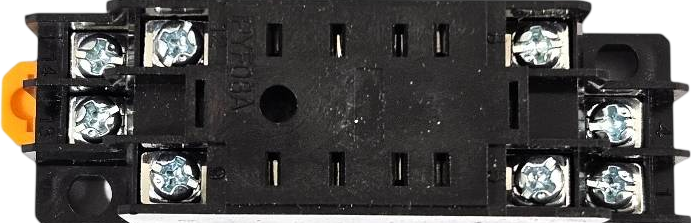
 Design with Relay 2 channel in Cirkit Designer
Introduction
The Relay 2 Channel module is an electronic component designed to control high-voltage devices using low-voltage signals. It features two independent relays, each capable of switching AC or DC loads. The module is commonly used in automation, home appliances, and industrial control systems. Its opto-isolation ensures safety by electrically isolating the control circuit from the high-voltage load.
Explore Projects Built with Relay 2 channel
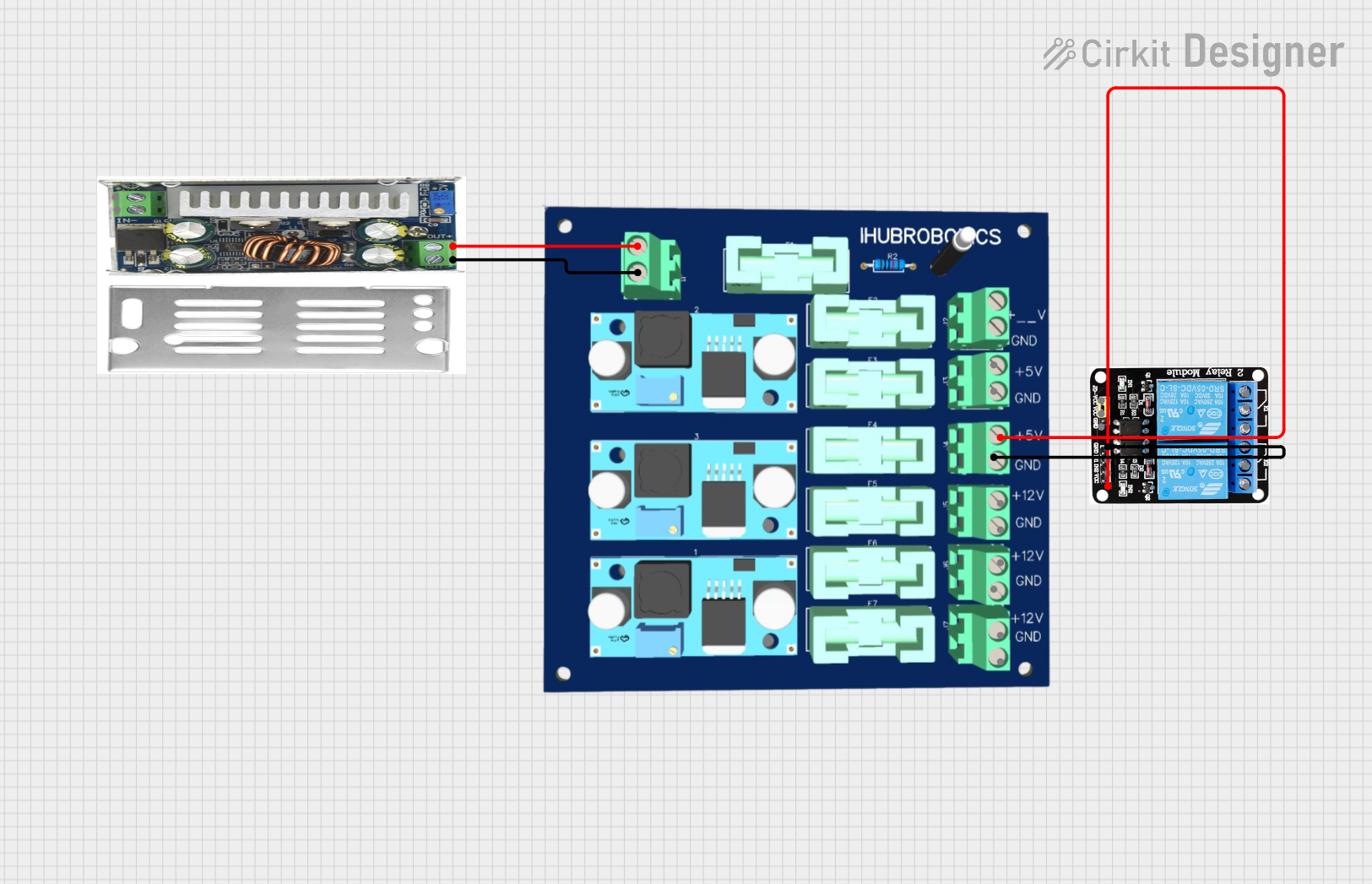 Open Project in Cirkit Designer
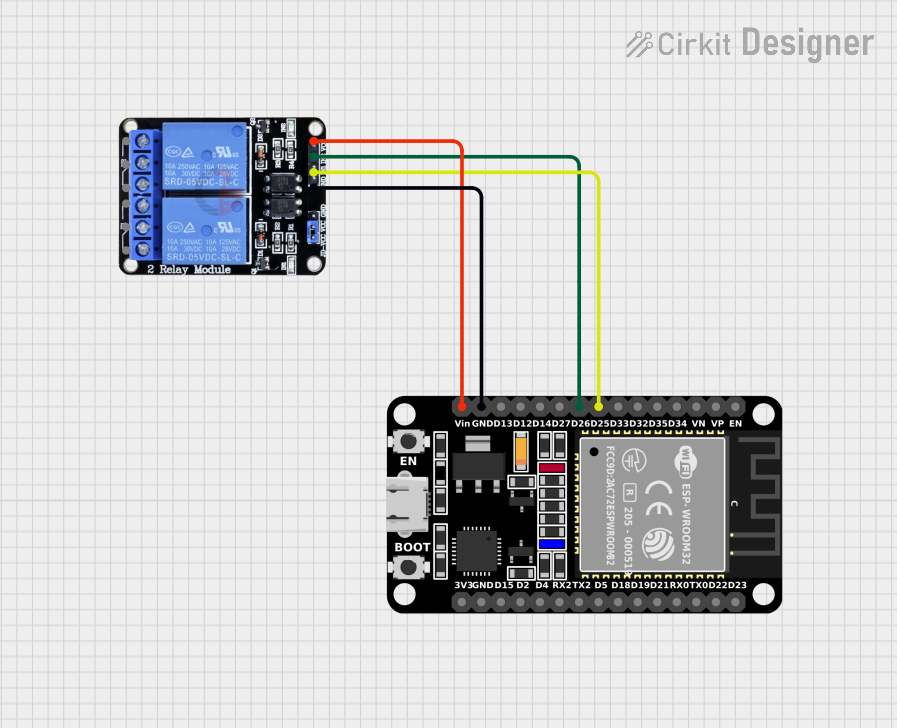 Open Project in Cirkit Designer
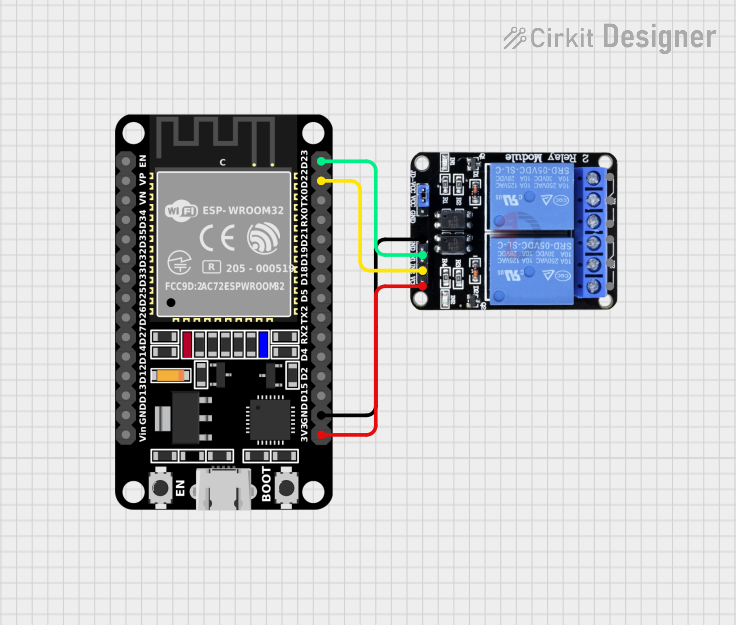 Open Project in Cirkit Designer
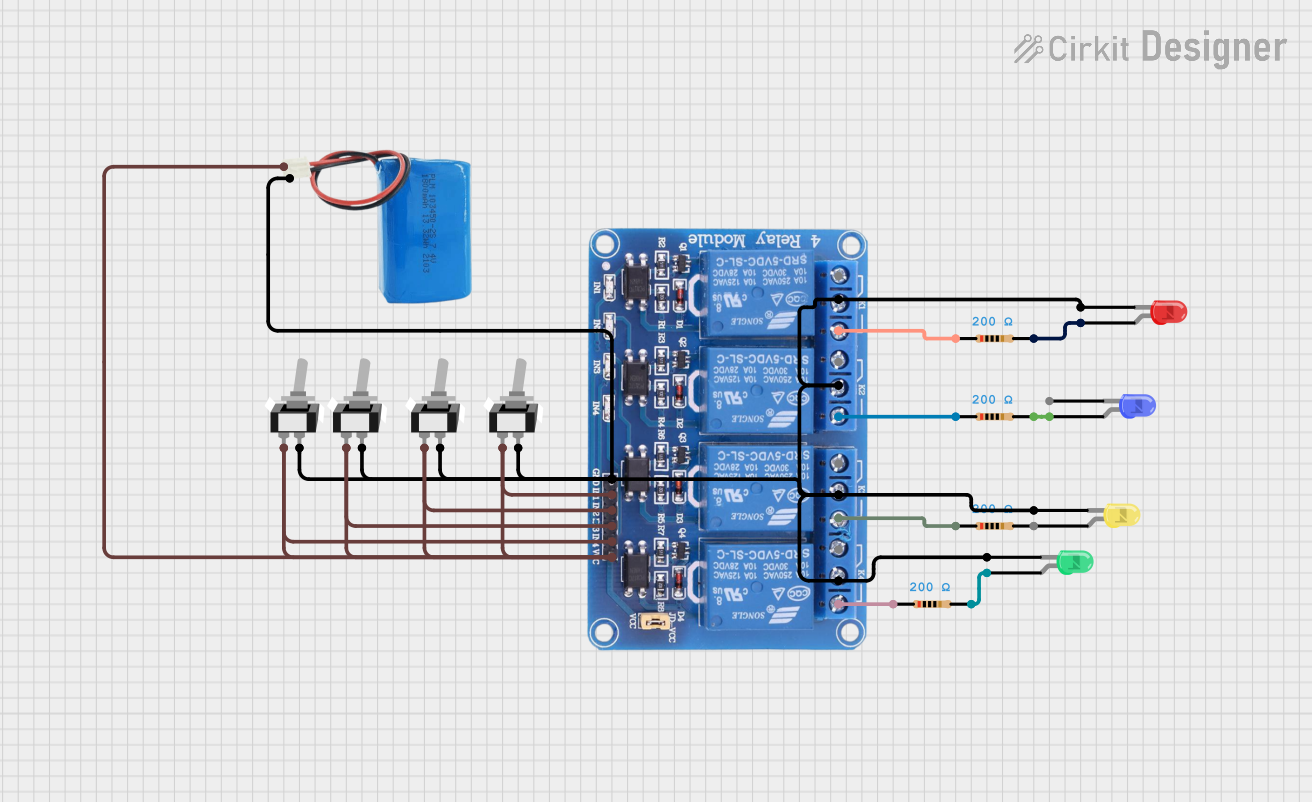 Open Project in Cirkit Designer
Explore Projects Built with Relay 2 channel
Open Project in Cirkit DesignerOpen Project in Cirkit DesignerOpen Project in Cirkit DesignerOpen Project in Cirkit DesignerCommon Applications
- Home automation (e.g., controlling lights, fans, or appliances)
- Industrial control systems
- Robotics and IoT projects
- Motor control
- Smart home systems
Technical Specifications
Below are the key technical details of the Relay 2 Channel module:
| Parameter | Specification |
|---|---|
| Operating Voltage | 5V DC |
| Trigger Voltage | 3.3V to 5V DC |
| Relay Type | Electromechanical |
| Maximum Load (AC) | 250V AC at 10A |
| Maximum Load (DC) | 30V DC at 10A |
| Isolation | Opto-isolated |
| Channels | 2 |
| Dimensions | ~50mm x 40mm x 20mm |
| Indicator LEDs | Power LED and individual relay status LEDs |
Pin Configuration and Descriptions
The Relay 2 Channel module typically has the following pin layout:
Input Pins (Control Side)
| Pin Name | Description |
|---|---|
| VCC | Power supply input (5V DC) |
| GND | Ground connection |
| IN1 | Control signal for Relay 1 (active LOW) |
| IN2 | Control signal for Relay 2 (active LOW) |
Output Pins (Load Side)
Each relay has three output terminals:
| Terminal | Description |
|---|---|
| NO (Normally Open) | Open circuit when the relay is inactive. Closes when activated. |
| NC (Normally Closed) | Closed circuit when the relay is inactive. Opens when activated. |
| COM (Common) | Common terminal for the load connection. |
Usage Instructions
How to Use the Relay 2 Channel Module in a Circuit
- Power the Module: Connect the VCC pin to a 5V DC power source and the GND pin to ground.
- Control Signals: Use a microcontroller (e.g., Arduino UNO) or other control circuit to send LOW signals to the IN1 and IN2 pins to activate the respective relays.
- Connect the Load:
- For each relay, connect the load to the COM terminal and either the NO or NC terminal, depending on the desired behavior:
- Use NO if the load should be off by default and turn on when the relay is activated.
- Use NC if the load should be on by default and turn off when the relay is activated.
- For each relay, connect the load to the COM terminal and either the NO or NC terminal, depending on the desired behavior:
- Safety Precautions:
- Ensure the load does not exceed the relay's maximum current and voltage ratings.
- Use proper insulation and avoid touching the high-voltage side while the circuit is powered.
Example: Connecting to an Arduino UNO
Below is an example of how to control the Relay 2 Channel module using an Arduino UNO:
Circuit Connections
- Connect the module's VCC to the Arduino's 5V pin.
- Connect the module's GND to the Arduino's GND pin.
- Connect IN1 to Arduino digital pin 7.
- Connect IN2 to Arduino digital pin 8.
- Connect a load (e.g., a light bulb) to the relay's COM and NO terminals.
Arduino Code
// Example code to control a 2-channel relay module with an Arduino UNO

// Define the pins connected to the relay module
#define RELAY1 7  // Relay 1 control pin
#define RELAY2 8  // Relay 2 control pin

void setup() {
  // Set relay pins as outputs
  pinMode(RELAY1, OUTPUT);
  pinMode(RELAY2, OUTPUT);

  // Initialize relays to OFF state
  digitalWrite(RELAY1, HIGH); // HIGH = relay off (active LOW)
  digitalWrite(RELAY2, HIGH); // HIGH = relay off (active LOW)
}

void loop() {
  // Turn on Relay 1
  digitalWrite(RELAY1, LOW); // LOW = relay on
  delay(1000);               // Wait for 1 second

  // Turn off Relay 1 and turn on Relay 2
  digitalWrite(RELAY1, HIGH); // HIGH = relay off
  digitalWrite(RELAY2, LOW);  // LOW = relay on
  delay(1000);                // Wait for 1 second

  // Turn off both relays
  digitalWrite(RELAY1, HIGH);
  digitalWrite(RELAY2, HIGH);
  delay(1000);                // Wait for 1 second
}
Important Considerations
- Always use a separate power supply for the relay module if the load is high-power to avoid overloading the microcontroller.
- Use a flyback diode across inductive loads (e.g., motors) to protect the relay from voltage spikes.
- Ensure proper ventilation and heat dissipation if the relays are switching high currents frequently.
Troubleshooting and FAQs
Common Issues and Solutions
Relays Not Activating:
- Ensure the module is powered with 5V DC.
- Verify that the control signals (IN1, IN2) are being set to LOW to activate the relays.
- Check for loose or incorrect wiring.
Load Not Switching:
- Confirm that the load is properly connected to the COM and NO/NC terminals.
- Ensure the load does not exceed the relay's voltage and current ratings.
Arduino Resets When Relays Activate:
- This may occur if the relay module draws too much current from the Arduino. Use an external 5V power supply for the relay module.
Relay Module Overheating:
- Check that the load current is within the relay's rated capacity.
- Avoid continuous switching at high frequencies.
FAQs
Q: Can I use the Relay 2 Channel module with a 3.3V microcontroller?
A: Yes, the module is compatible with 3.3V control signals, but ensure the VCC pin is still powered with 5V DC.
Q: Is the module safe for high-voltage applications?
A: Yes, the module is designed for high-voltage applications, but proper insulation and safety precautions must be followed.
Q: Can I control both relays simultaneously?
A: Yes, you can activate both relays at the same time by sending LOW signals to both IN1 and IN2.
Q: What is the purpose of the opto-isolation?
A: Opto-isolation protects the control circuit (e.g., microcontroller) from high-voltage spikes and electrical noise on the load side.