Introduction
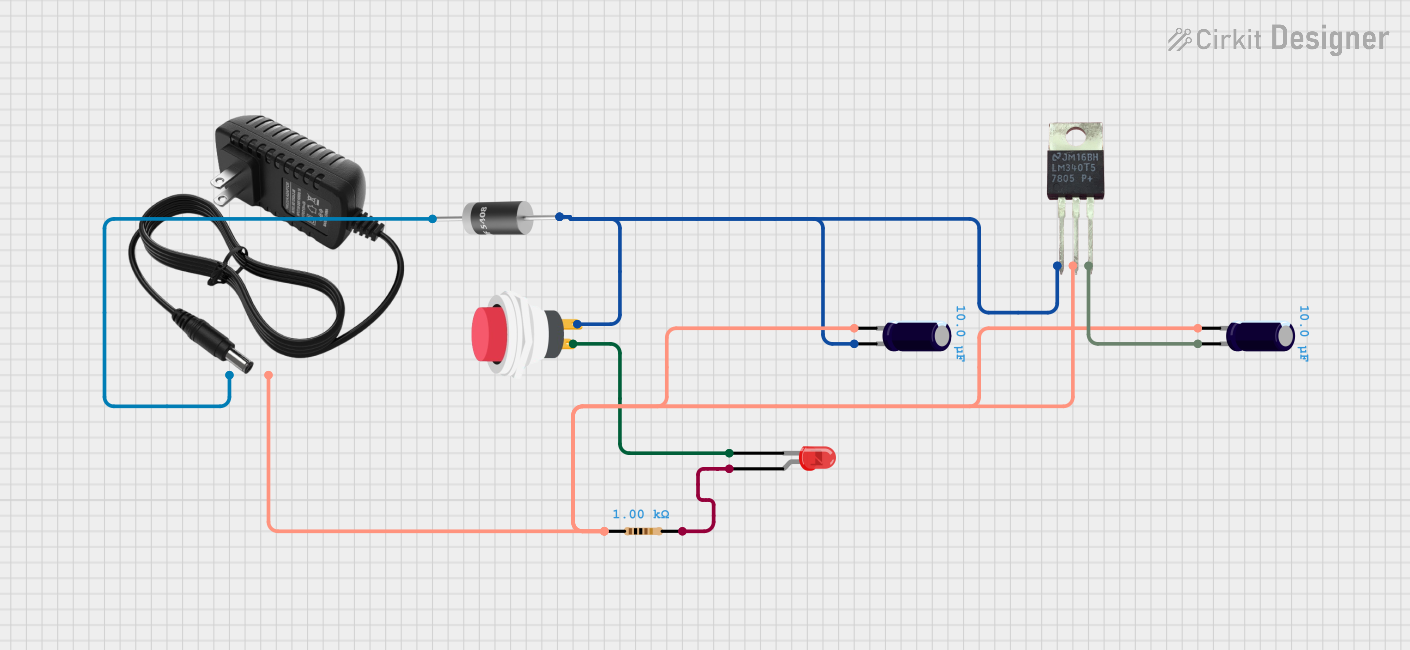
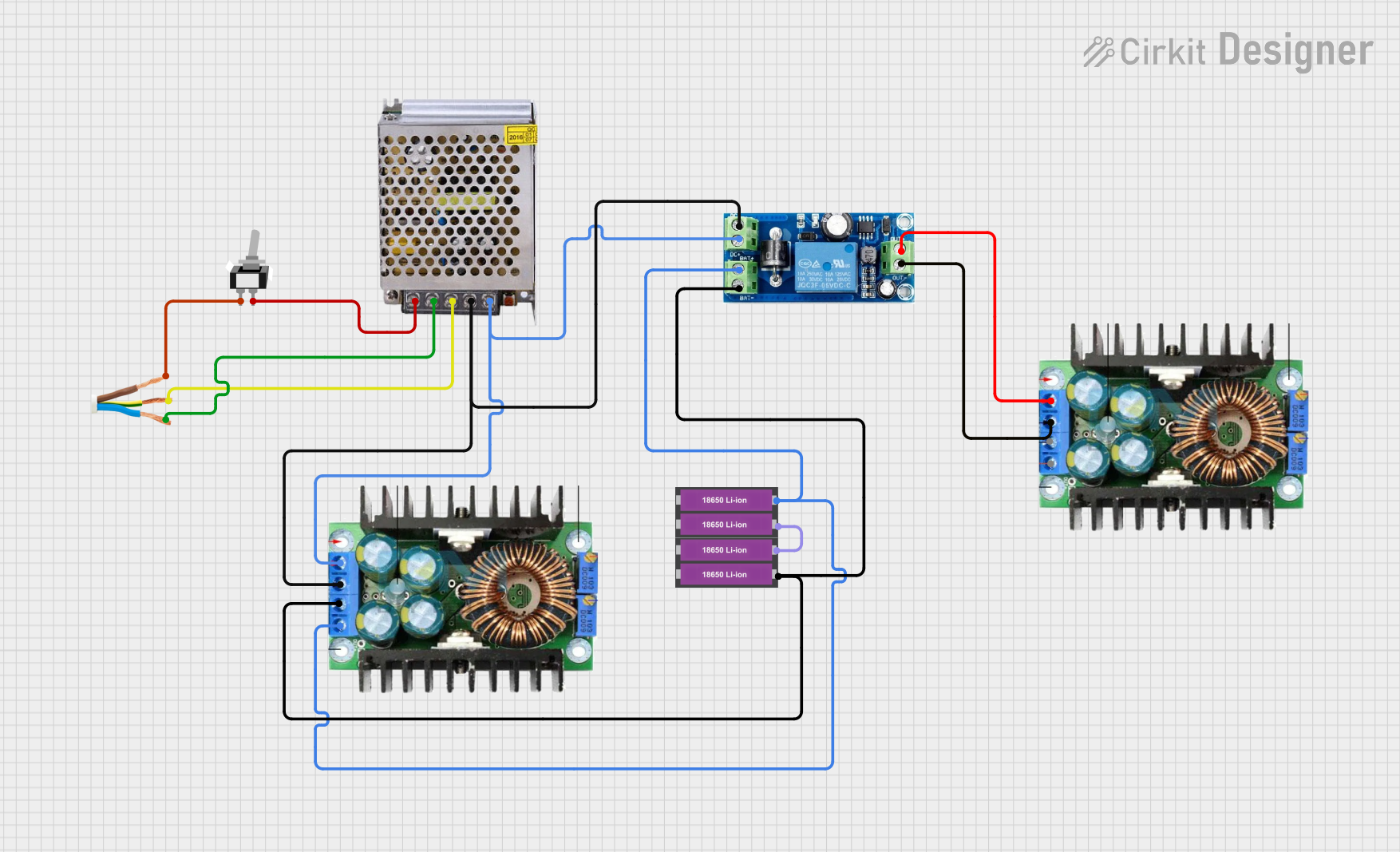
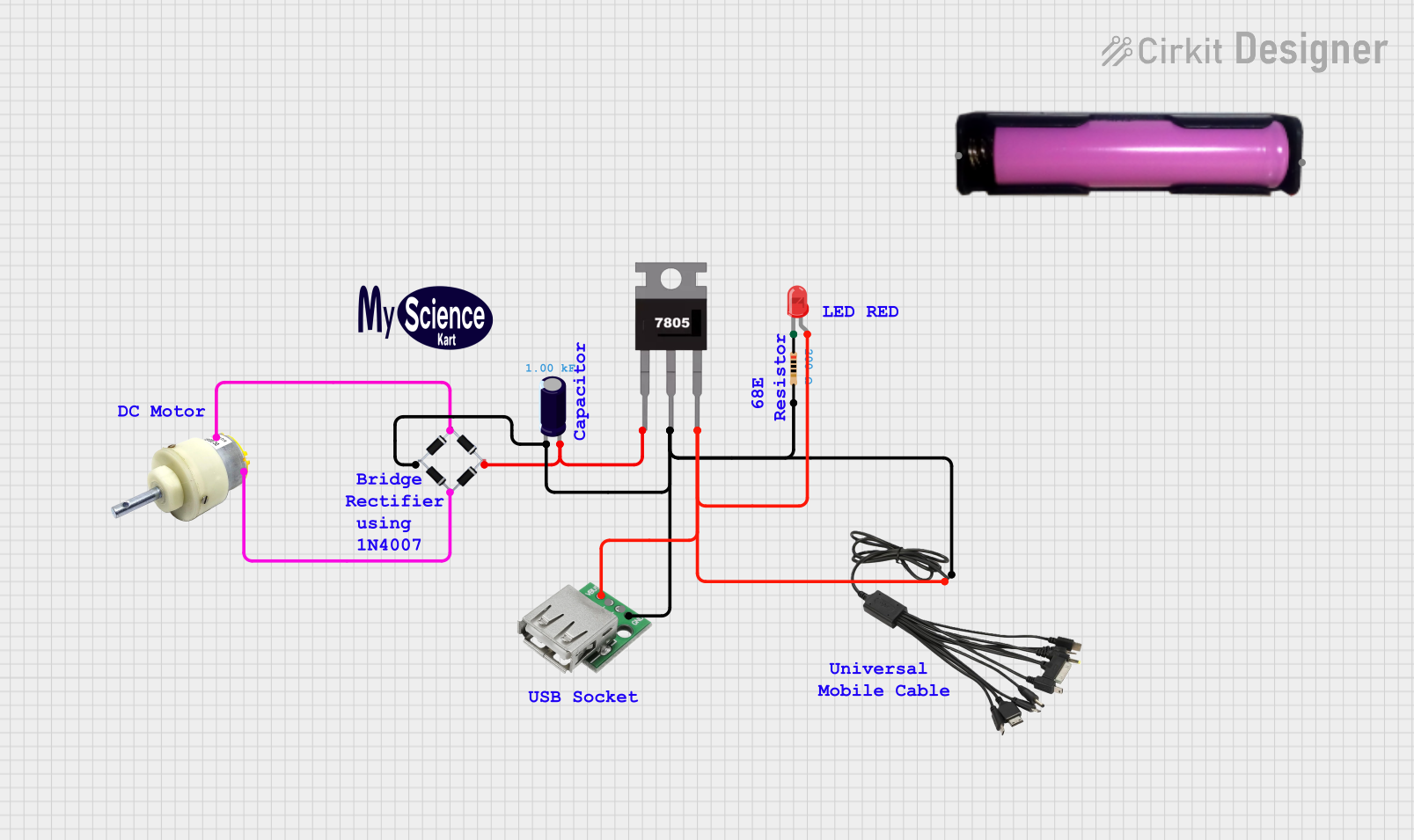
The POWER SUPPLY 5V 5AMP is a device designed to convert electrical energy from an input source (such as AC mains or a DC power source) into a stable 5V DC output. It is capable of delivering up to 5 amps of current, making it suitable for powering a wide range of electronic circuits and devices. This power supply is commonly used in applications such as microcontroller-based projects, LED strips, small motors, and other devices requiring a reliable 5V power source.
Common Applications and Use Cases
- Powering microcontrollers (e.g., Arduino, Raspberry Pi)
- Driving LED strips and lighting systems
- Supplying power to small DC motors and actuators
- Charging USB devices
- General-purpose power supply for prototyping and testing circuits
Technical Specifications
The following table outlines the key technical details of the POWER SUPPLY 5V 5AMP:
Pin Configuration and Descriptions
The POWER SUPPLY 5V 5AMP typically has the following input and output connections:
Output Connections
Usage Instructions
How to Use the Component in a Circuit
Connect the Input:
- For AC-DC models, connect the live (L) and neutral (N) wires from the AC mains to the input terminals. Ensure proper insulation and safety precautions.
- For DC-DC models, connect the input voltage source to the input terminals, ensuring the voltage is within the specified range.
Connect the Output:
- Connect the +V terminal to the positive rail of your circuit.
- Connect the -V terminal to the ground rail of your circuit.
Power On:
- Turn on the input power source. The power supply will regulate the input and provide a stable 5V output.
Verify Output:
- Use a multimeter to confirm the output voltage is 5V before connecting sensitive devices.
Important Considerations and Best Practices
- Load Requirements: Ensure the total current draw of connected devices does not exceed 5A.
- Ventilation: Place the power supply in a well-ventilated area to prevent overheating.
- Polarity: Double-check the polarity of connections to avoid damaging your devices.
- Safety: If using an AC-DC model, ensure proper grounding to avoid electrical hazards.
- Fuse Protection: Consider adding a fuse on the input side for additional safety.
Example: Using with an Arduino UNO
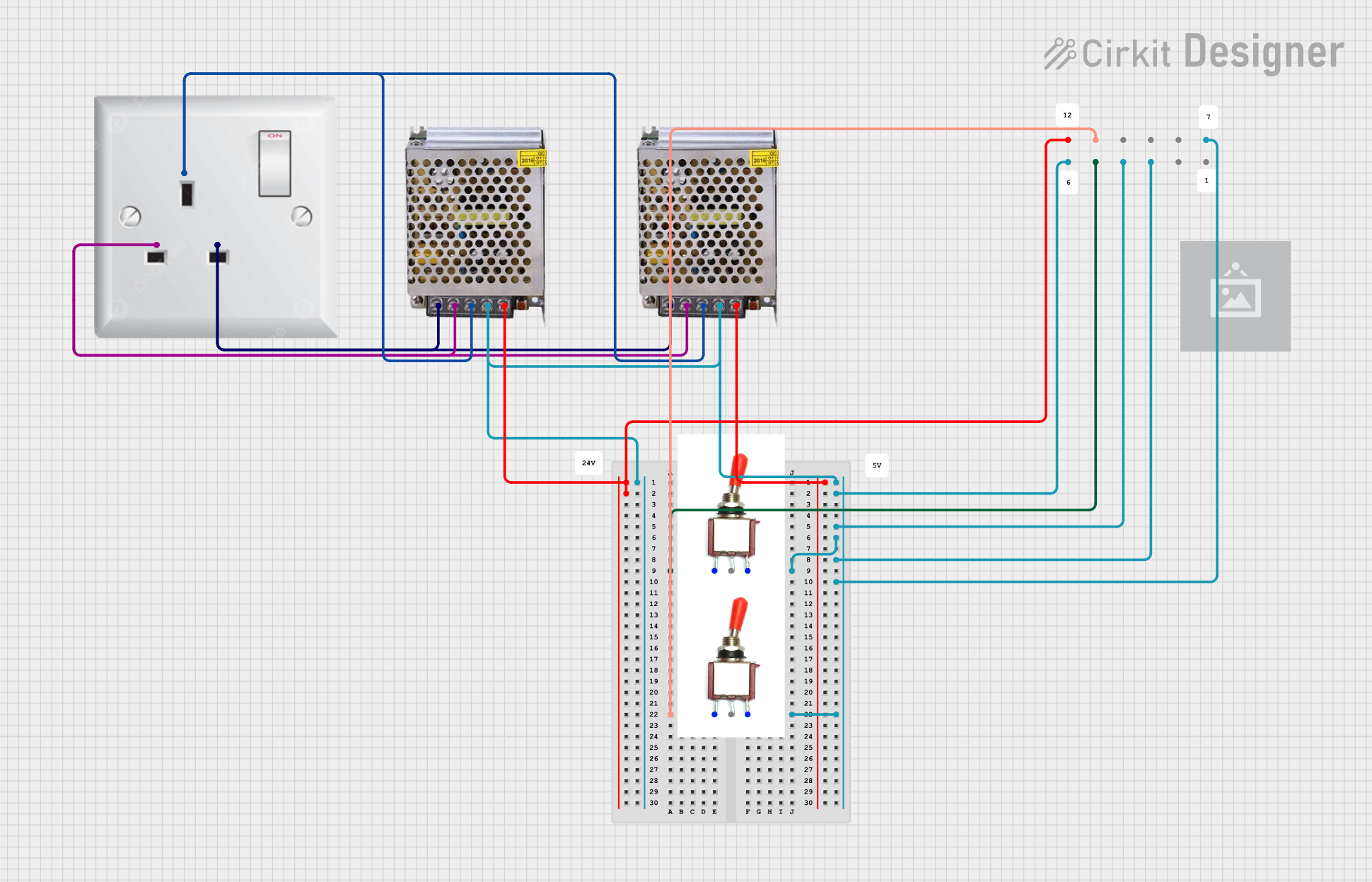
The POWER SUPPLY 5V 5AMP can be used to power an Arduino UNO via its 5V pin. Below is an example of how to connect and use it:
- Connect the +V terminal of the power supply to the 5V pin on the Arduino UNO.
- Connect the -V terminal of the power supply to the GND pin on the Arduino UNO.
- Ensure the power supply is turned on and providing a stable 5V output.
Sample Arduino Code
// Example code to blink an LED using an Arduino UNO powered by the 5V 5A power supply

const int ledPin = 13; // Pin connected to the built-in LED

void setup() {
  pinMode(ledPin, OUTPUT); // Set the LED pin as an output
}

void loop() {
  digitalWrite(ledPin, HIGH); // Turn the LED on
  delay(1000);                // Wait for 1 second
  digitalWrite(ledPin, LOW);  // Turn the LED off
  delay(1000);                // Wait for 1 second
}
Troubleshooting and FAQs
Common Issues and Solutions
No Output Voltage:
- Cause: Input power is not connected or is outside the specified range.
- Solution: Verify the input connections and ensure the input voltage is within the specified range.
Output Voltage is Not 5V:
- Cause: Overload or excessive current draw.
- Solution: Reduce the load to ensure the total current draw does not exceed 5A.
Power Supply Overheating:
- Cause: Poor ventilation or excessive load.
- Solution: Ensure proper ventilation and reduce the load if necessary.
Device Not Powering On:
- Cause: Incorrect polarity or loose connections.
- Solution: Double-check all connections and ensure correct polarity.
FAQs
Q: Can I use this power supply to charge USB devices?
A: Yes, as long as the device requires 5V and the total current draw does not exceed 5A.
Q: Is this power supply safe for continuous operation?
A: Yes, it is designed for continuous operation, provided it is used within its specified limits and in a well-ventilated environment.
Q: Can I use this power supply with a Raspberry Pi?
A: Yes, it is suitable for powering a Raspberry Pi. Connect the +V terminal to the 5V pin and the -V terminal to the GND pin on the Raspberry Pi.
Q: Does this power supply have built-in protection features?
A: Yes, it includes overload, overvoltage, and short-circuit protection to ensure safe operation.


 Open Project in Cirkit Designer