
How to Use TVS-Diode SMBJ5.0A: Examples, Pinouts, and Specs
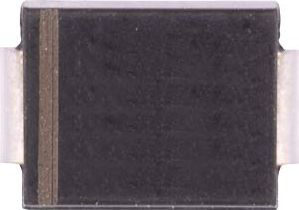
 Design with TVS-Diode SMBJ5.0A in Cirkit Designer
Introduction
The SMBJ5.0A is a Transient Voltage Suppressor (TVS) diode manufactured by Diodes Incorporated. It is designed to protect sensitive electronic components from voltage spikes and transient events, such as those caused by electrostatic discharge (ESD), inductive load switching, or lightning surges. The SMBJ5.0A is capable of clamping voltages up to 5.0V, making it ideal for safeguarding low-voltage circuits.
Explore Projects Built with TVS-Diode SMBJ5.0A
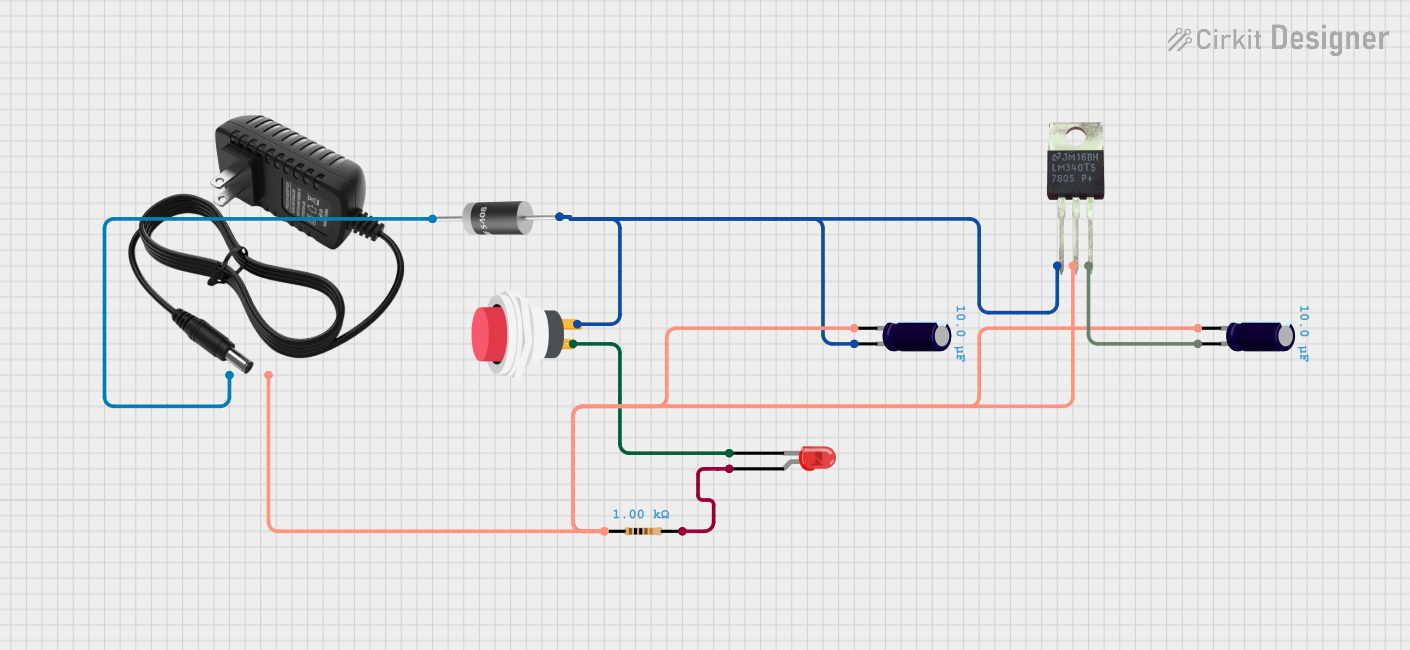 Open Project in Cirkit Designer
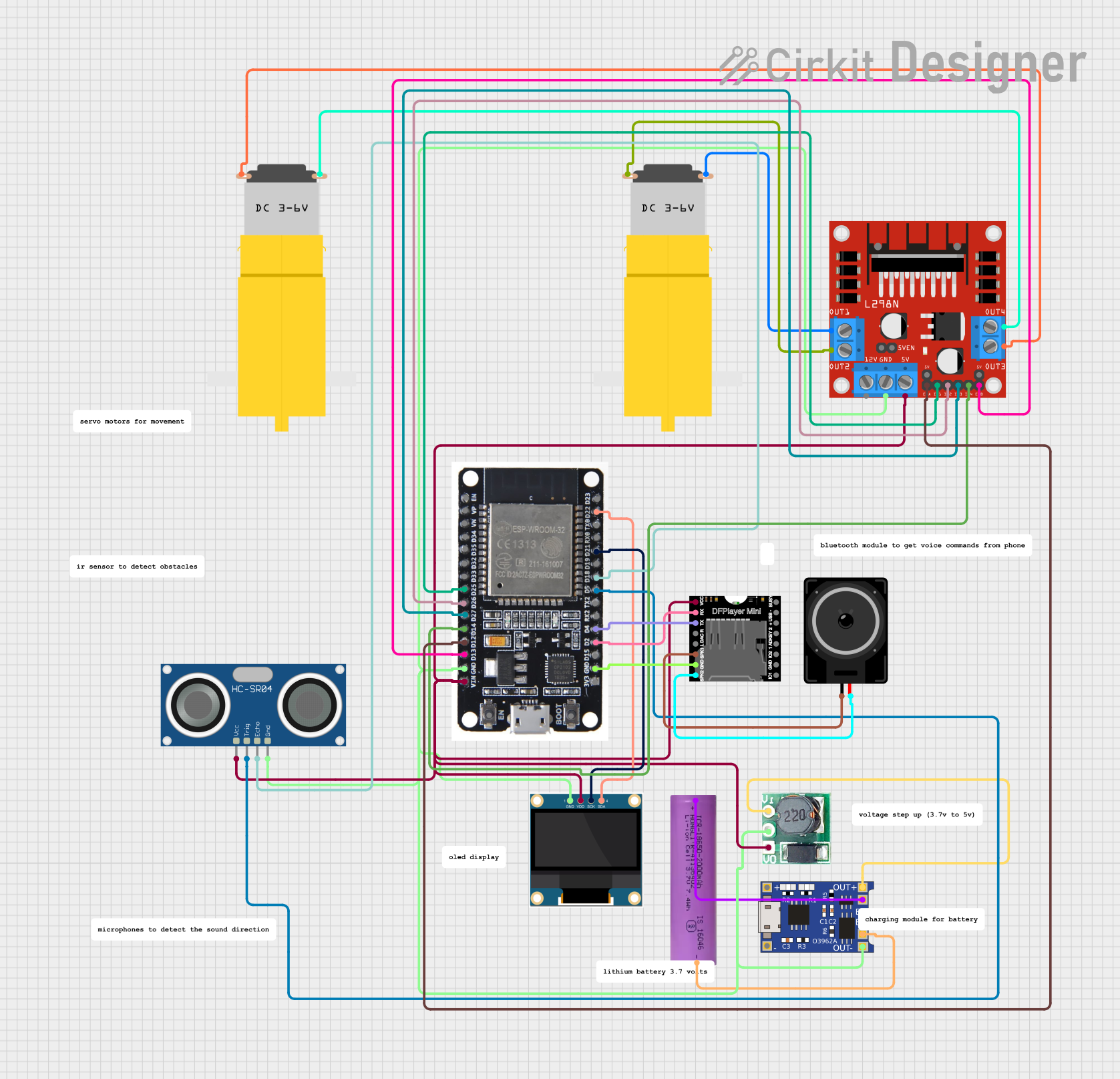 Open Project in Cirkit Designer
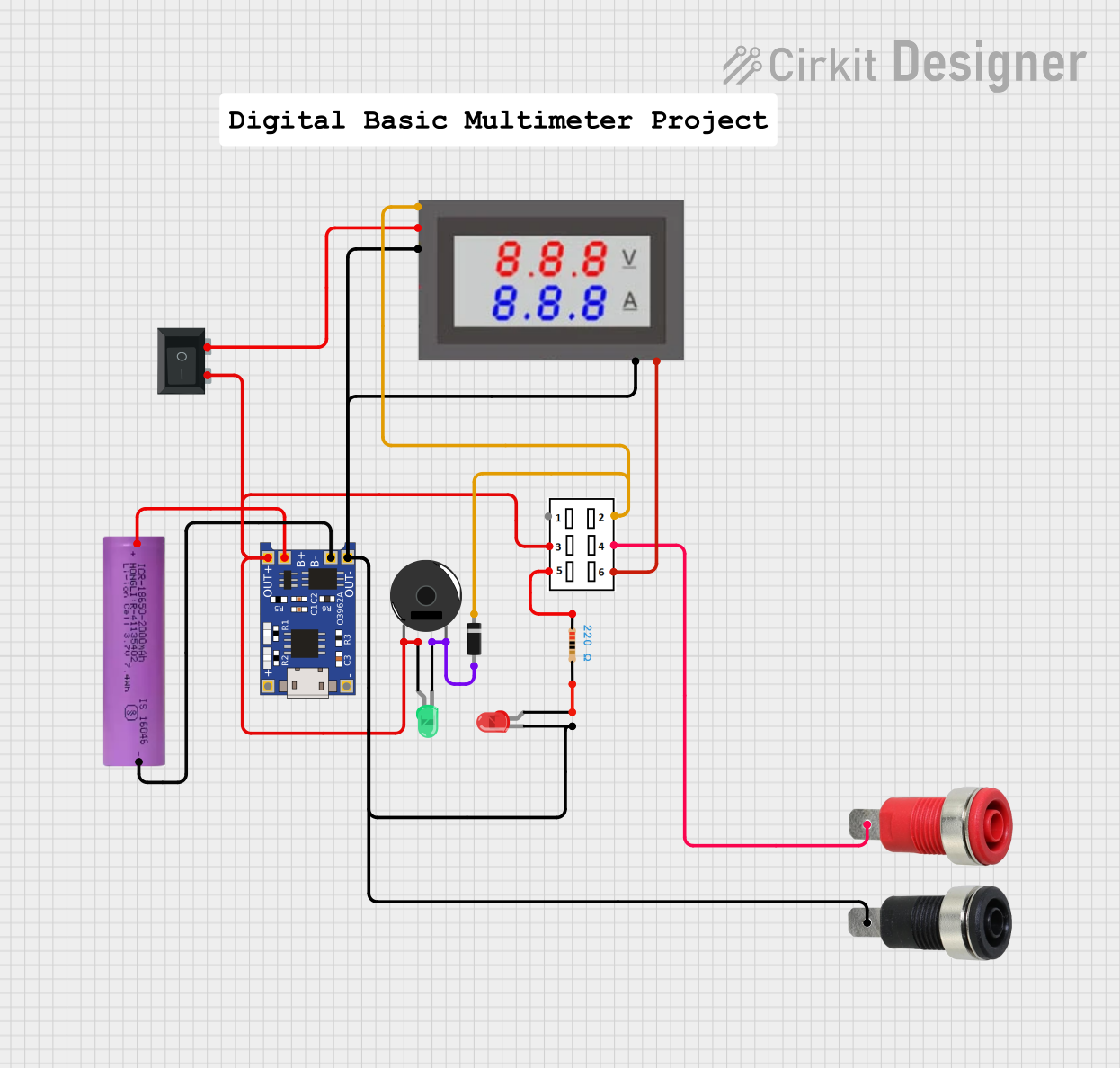 Open Project in Cirkit Designer
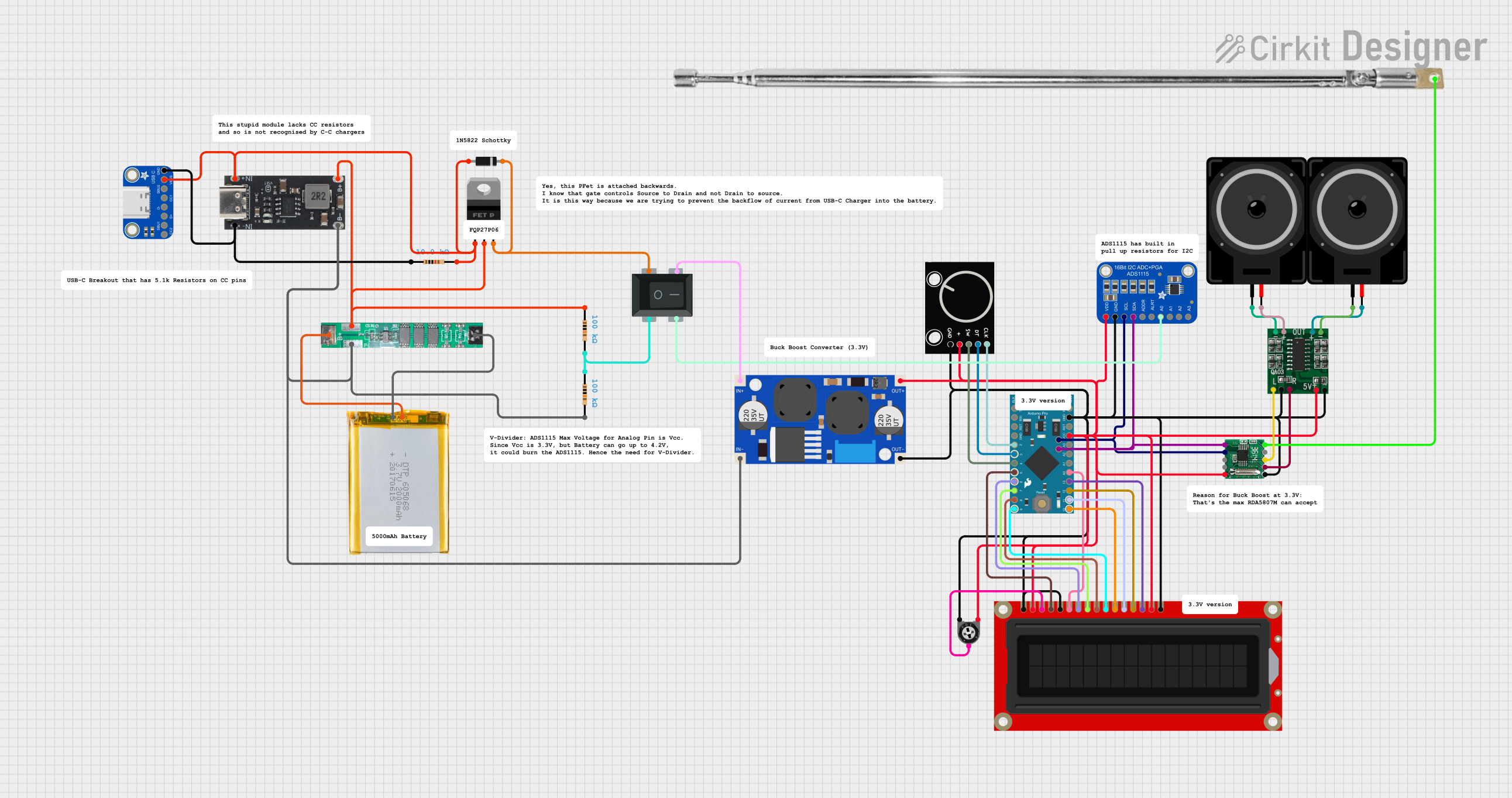 Open Project in Cirkit Designer
Explore Projects Built with TVS-Diode SMBJ5.0A
Open Project in Cirkit DesignerOpen Project in Cirkit DesignerOpen Project in Cirkit DesignerOpen Project in Cirkit DesignerCommon Applications and Use Cases
- Protection of power supply circuits
- Safeguarding data and signal lines
- ESD protection in consumer electronics
- Industrial equipment and automotive electronics
- Communication systems and networking devices
Technical Specifications
Key Technical Details
| Parameter | Value |
|---|---|
| Manufacturer | Diodes Incorporated |
| Part Number | SMBJ5.0A DO-214AA |
| Breakdown Voltage (VBR) | 6.4V (minimum) to 7.07V (maximum) |
| Working Peak Reverse Voltage (VRWM) | 5.0V |
| Maximum Clamping Voltage (VC) | 9.2V |
| Peak Pulse Current (IPP) | 65.2A (at 10/1000µs waveform) |
| Power Dissipation (PPP) | 600W |
| Reverse Leakage Current (IR) | 800µA (at VRWM) |
| Package Type | DO-214AA (SMB) |
| Operating Temperature Range | -55°C to +150°C |
| Compliance Standards | IEC 61000-4-2 (ESD), RoHS |
Pin Configuration and Descriptions
The SMBJ5.0A is a bidirectional TVS diode with two terminals. The pin configuration is as follows:
| Pin Number | Pin Name | Description |
|---|---|---|
| 1 | Cathode | Connected to the negative side of the circuit |
| 2 | Anode | Connected to the positive side of the circuit |
Note: The SMBJ5.0A is bidirectional, meaning it can protect against both positive and negative voltage transients.
Usage Instructions
How to Use the SMBJ5.0A in a Circuit
Placement in the Circuit:
- Connect the SMBJ5.0A across the component or circuit you want to protect.
- For power supply protection, place the diode between the power line and ground.
- For data line protection, connect the diode between the signal line and ground.
Polarity:
- Since the SMBJ5.0A is bidirectional, it does not have a strict polarity requirement. Either terminal can be connected to the positive or negative side of the circuit.
Voltage Ratings:
- Ensure the working peak reverse voltage (VRWM) of 5.0V is not exceeded during normal operation.
- The breakdown voltage (VBR) should be higher than the normal operating voltage of the circuit.
PCB Layout Considerations:
- Minimize the trace length between the diode and the protected component to reduce inductance.
- Use wide traces to handle high peak pulse currents.
Example: Using SMBJ5.0A with an Arduino UNO
To protect an Arduino UNO's 5V power supply line from voltage spikes, the SMBJ5.0A can be connected as follows:
Circuit Diagram
- Connect one terminal of the SMBJ5.0A to the 5V pin of the Arduino.
- Connect the other terminal to the GND pin of the Arduino.
Arduino Code
The SMBJ5.0A does not require any specific code to function, as it operates passively. However, here is an example of monitoring the 5V line voltage using the Arduino:
// This code monitors the 5V line voltage on an Arduino UNO
// and prints the voltage to the Serial Monitor.

const int voltagePin = A0; // Analog pin connected to the 5V line
float referenceVoltage = 5.0; // Reference voltage of the Arduino UNO

void setup() {
  Serial.begin(9600); // Initialize serial communication
}

void loop() {
  int sensorValue = analogRead(voltagePin); // Read the analog value
  float voltage = (sensorValue / 1023.0) * referenceVoltage;
  // Convert the analog value to voltage

  Serial.print("Voltage: ");
  Serial.print(voltage);
  Serial.println(" V");

  delay(1000); // Wait for 1 second before the next reading
}
Important Considerations and Best Practices
- Ensure the diode's power dissipation rating (600W) is sufficient for the expected transient energy.
- Verify that the clamping voltage (9.2V) is within the tolerance of the protected circuit.
- Use proper heat dissipation techniques if the diode is expected to handle frequent or high-energy transients.
Troubleshooting and FAQs
Common Issues and Solutions
| Issue | Possible Cause | Solution |
|---|---|---|
| Diode overheating | Excessive transient energy | Use a higher power-rated TVS diode. |
| Circuit not protected from spikes | Incorrect placement or loose connection | Verify connections and placement. |
| High reverse leakage current | Operating voltage exceeds VRWM | Ensure VRWM is not exceeded. |
| Diode not clamping voltage | Faulty or damaged diode | Replace the SMBJ5.0A with a new one. |
FAQs
Can the SMBJ5.0A protect against lightning surges?
Yes, the SMBJ5.0A can protect against lightning surges within its power dissipation and clamping voltage limits.Is the SMBJ5.0A suitable for automotive applications?
Yes, the SMBJ5.0A is suitable for automotive applications, provided the voltage and power ratings match the requirements.Can I use the SMBJ5.0A for AC circuits?
The SMBJ5.0A is designed for DC circuits. For AC applications, ensure the bidirectional clamping voltage is appropriate for the AC waveform.What happens if the diode fails?
In most cases, the diode will fail in a short-circuit mode, providing a direct path to ground and protecting the circuit. However, it should be replaced immediately to restore protection.
By following this documentation, users can effectively integrate the SMBJ5.0A into their designs and ensure reliable protection against voltage transients.