
How to Use STEMMA PAM8904: Examples, Pinouts, and Specs
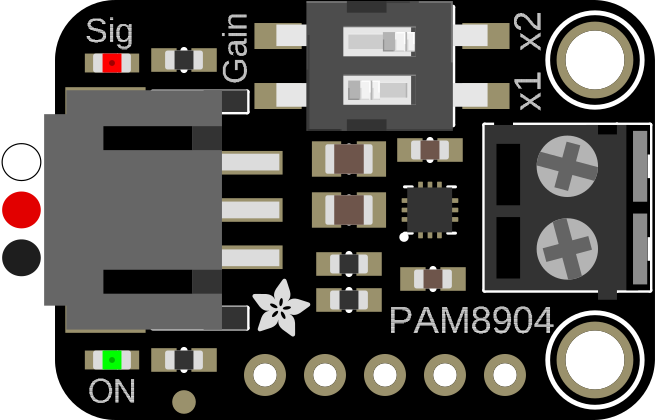
 Design with STEMMA PAM8904 in Cirkit Designer
Introduction
The STEMMA PAM8904 is a high-efficiency audio amplifier designed for driving speakers in portable and embedded applications. It features a compact design, low power consumption, and the ability to deliver high-quality sound output. This makes it an excellent choice for projects requiring audio playback, such as smart devices, IoT systems, and portable audio solutions.
Explore Projects Built with STEMMA PAM8904
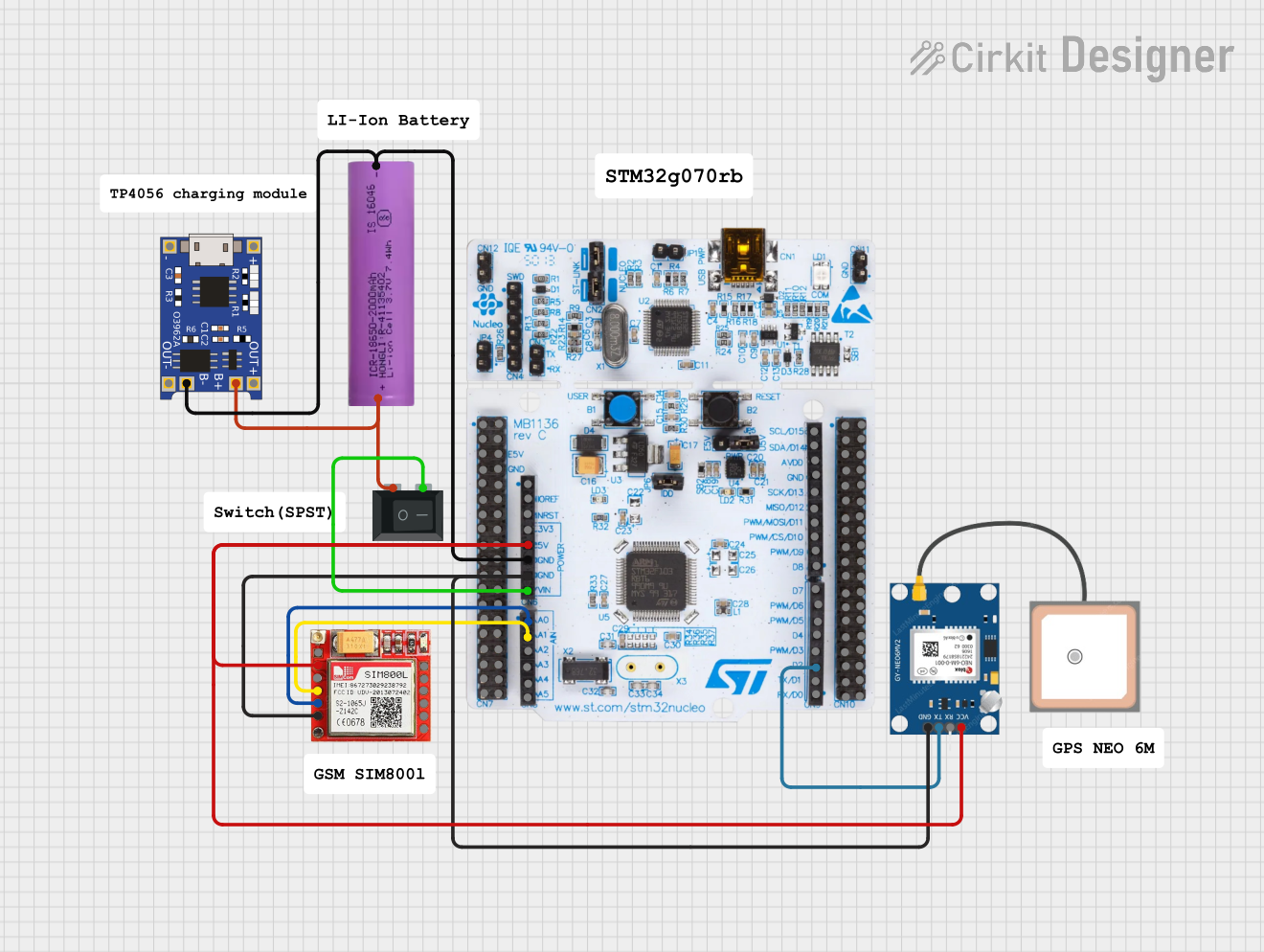 Open Project in Cirkit Designer
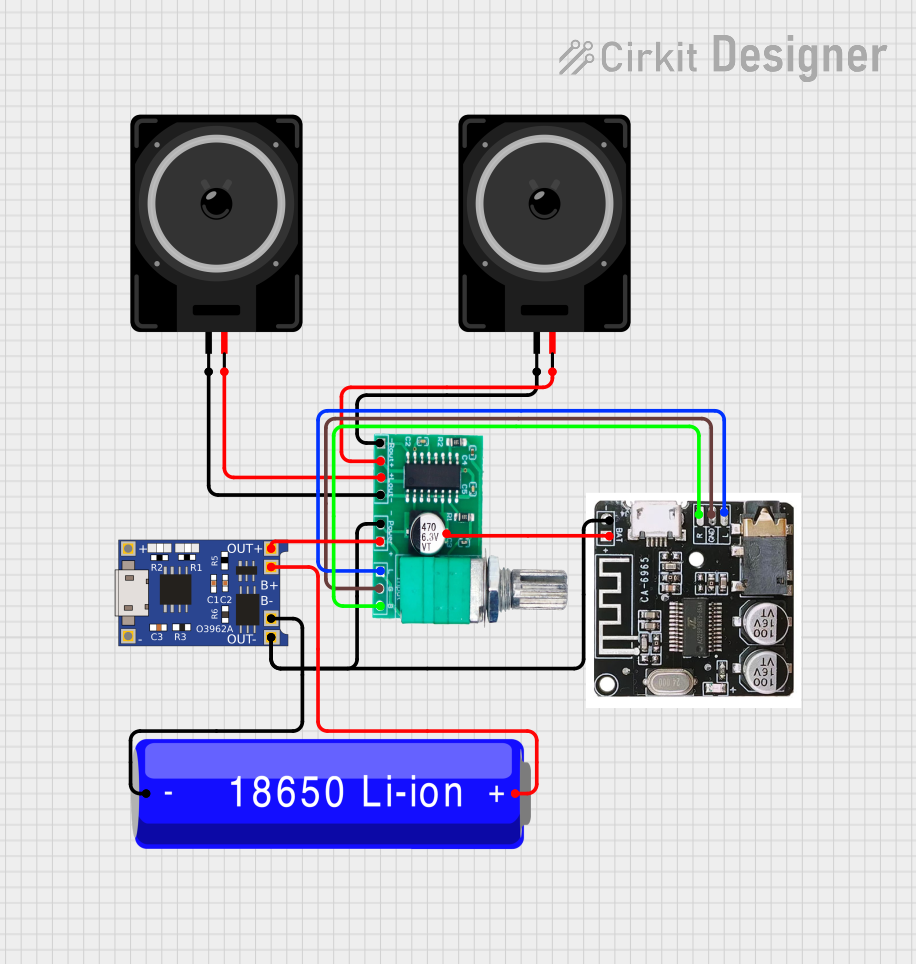 Open Project in Cirkit Designer
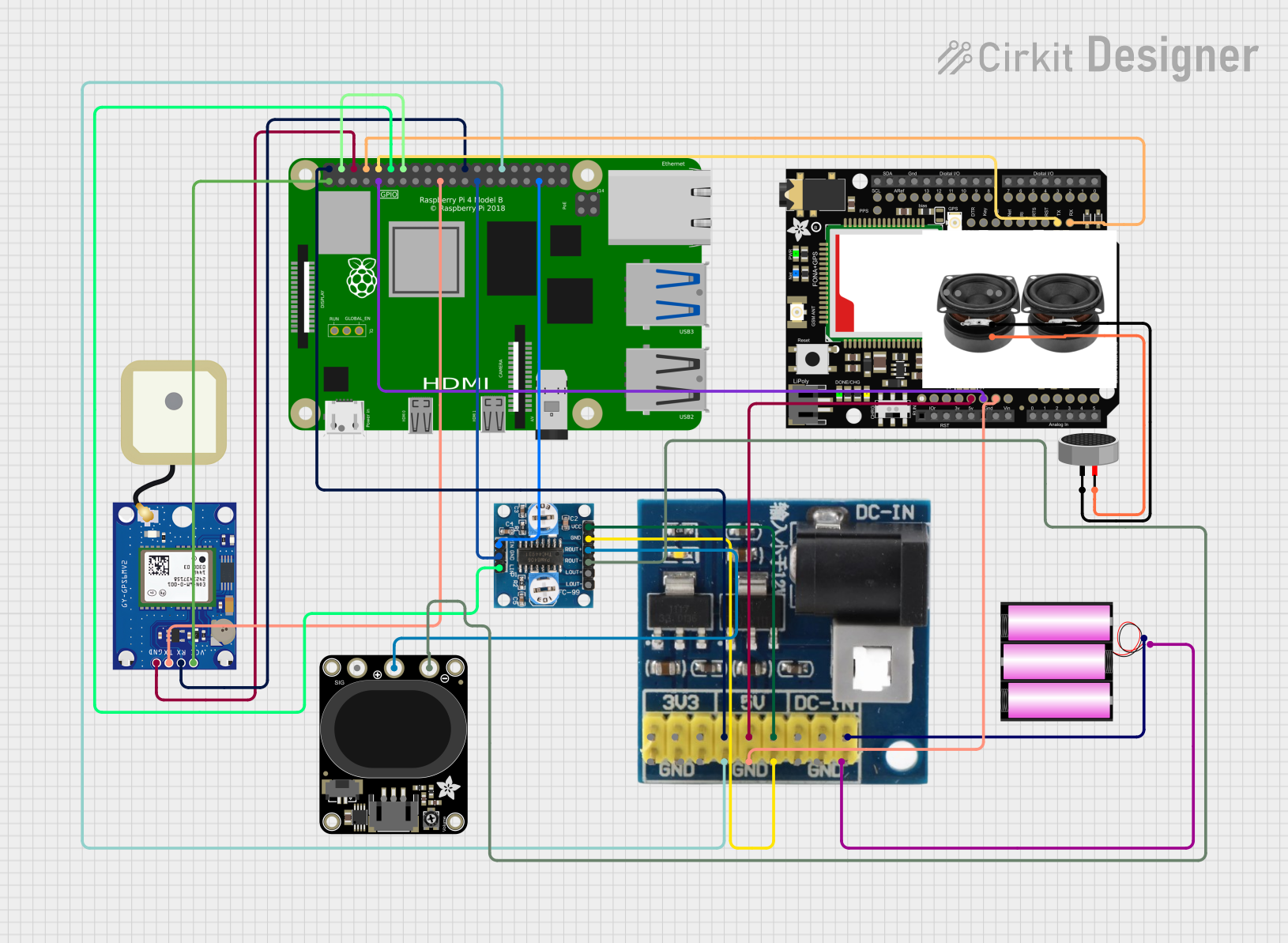 Open Project in Cirkit Designer
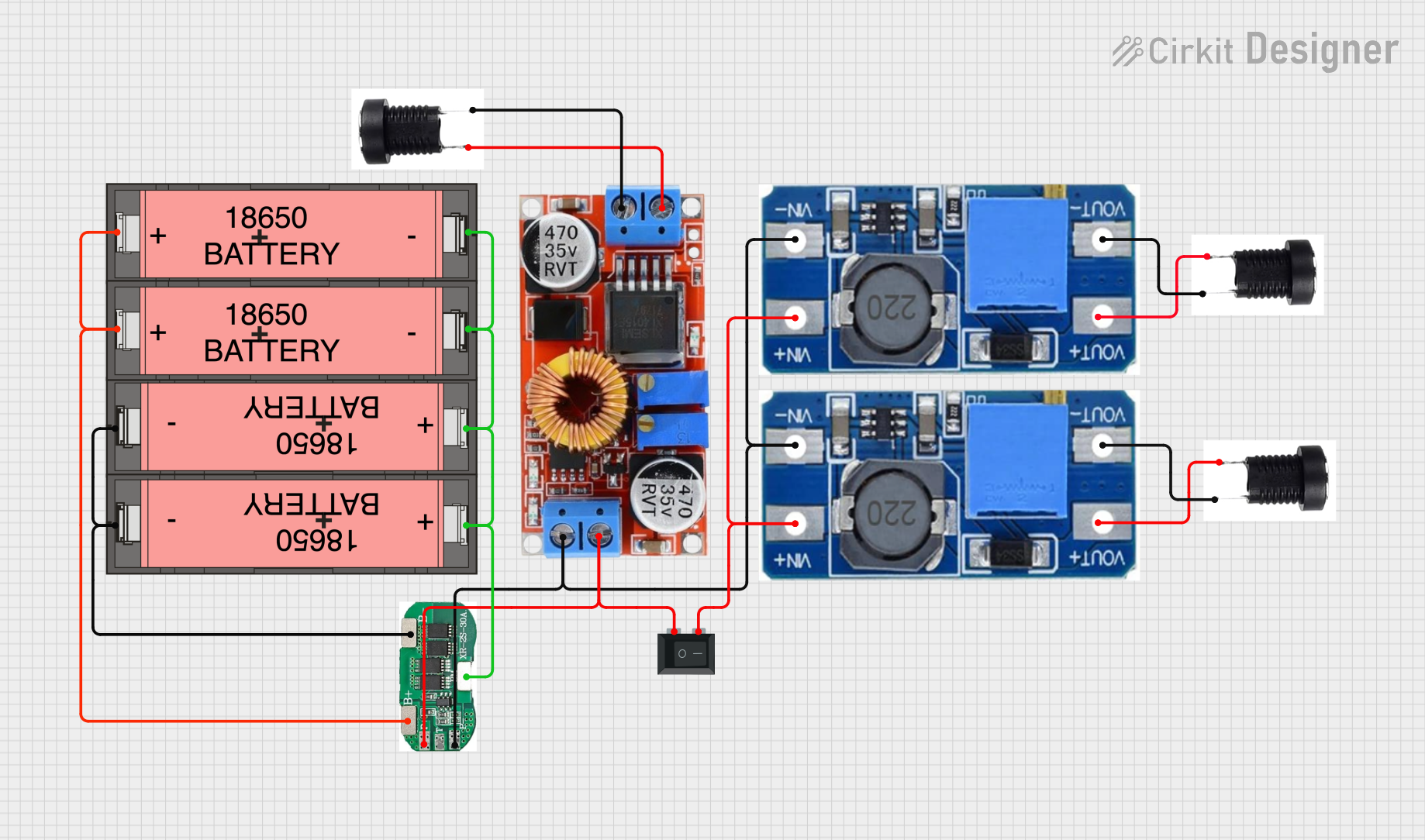 Open Project in Cirkit Designer
Explore Projects Built with STEMMA PAM8904
Open Project in Cirkit DesignerOpen Project in Cirkit DesignerOpen Project in Cirkit DesignerOpen Project in Cirkit DesignerCommon Applications
- Portable audio devices
- Embedded systems with audio playback
- IoT devices with sound output
- Educational and DIY electronics projects
- Smart home devices with voice or sound feedback
Technical Specifications
Key Technical Details
| Parameter | Value |
|---|---|
| Operating Voltage | 2.5V to 5.5V |
| Output Power | Up to 2.5W (at 4Ω, 5V supply) |
| Efficiency | Up to 90% |
| Speaker Impedance | 4Ω to 8Ω |
| Frequency Response | 20Hz to 20kHz |
| Input Type | Differential or Single-Ended |
| Shutdown Current | < 1µA |
| Package Type | STEMMA QT (I2C interface) |
Pin Configuration and Descriptions
| Pin Name | Pin Type | Description |
|---|---|---|
| VIN | Power Input | Power supply input (2.5V to 5.5V). |
| GND | Ground | Ground connection. |
| SDA | Data Line | I2C data line for communication. |
| SCL | Clock Line | I2C clock line for communication. |
| OUT+ | Output | Positive speaker output. |
| OUT- | Output | Negative speaker output. |
| SHDN | Input | Shutdown pin to enable/disable the amplifier. |
Usage Instructions
How to Use the STEMMA PAM8904 in a Circuit
- Power Supply: Connect the VIN pin to a stable power source within the range of 2.5V to 5.5V. Ensure the GND pin is connected to the ground of the circuit.
- Speaker Connection: Attach the speaker terminals to the OUT+ and OUT- pins. Use a speaker with an impedance of 4Ω to 8Ω for optimal performance.
- I2C Communication: Connect the SDA and SCL pins to the corresponding I2C pins on your microcontroller or development board (e.g., Arduino UNO).
- Shutdown Control: Use the SHDN pin to enable or disable the amplifier. Pull the pin high to enable the amplifier or low to put it in shutdown mode.
Important Considerations and Best Practices
- Use decoupling capacitors (e.g., 0.1µF and 10µF) near the VIN pin to stabilize the power supply.
- Ensure proper heat dissipation if operating at high output power for extended periods.
- Avoid exceeding the maximum voltage and current ratings to prevent damage to the component.
- Use shielded cables for the speaker connections to minimize noise and interference.
Example: Connecting STEMMA PAM8904 to an Arduino UNO
Below is an example of how to use the STEMMA PAM8904 with an Arduino UNO to play audio signals.
Circuit Connections
- Connect VIN to the 5V pin on the Arduino.
- Connect GND to the GND pin on the Arduino.
- Connect SDA to A4 (I2C data line on Arduino UNO).
- Connect SCL to A5 (I2C clock line on Arduino UNO).
- Connect a 4Ω or 8Ω speaker to OUT+ and OUT-.
Arduino Code Example
#include <Wire.h>

// I2C address of the PAM8904 (default is 0x5D)
#define PAM8904_I2C_ADDRESS 0x5D

void setup() {
  Wire.begin(); // Initialize I2C communication
  Serial.begin(9600); // Initialize serial communication for debugging

  // Send initialization commands to PAM8904
  Wire.beginTransmission(PAM8904_I2C_ADDRESS);
  Wire.write(0x00); // Example register address
  Wire.write(0x01); // Example data to enable the amplifier
  Wire.endTransmission();

  Serial.println("PAM8904 initialized.");
}

void loop() {
  // Example: Send audio data or control commands
  // This is a placeholder; actual audio playback requires additional setup
  delay(1000); // Placeholder delay
}
Notes
- Replace the placeholder register address and data in the code with actual values from the PAM8904 datasheet if needed.
- For audio playback, additional hardware (e.g., an audio DAC) and software libraries may be required.
Troubleshooting and FAQs
Common Issues and Solutions
| Issue | Possible Cause | Solution |
|---|---|---|
| No sound output | Incorrect wiring or power supply issue | Verify all connections and power supply. |
| Distorted audio | Speaker impedance mismatch | Use a speaker with 4Ω to 8Ω impedance. |
| Amplifier not responding to I2C | Incorrect I2C address or wiring | Check the I2C address and connections. |
| High noise or interference | Poor grounding or unshielded cables | Ensure proper grounding and use shielded cables. |
FAQs
Can I use the PAM8904 with a 3.3V microcontroller? Yes, the PAM8904 operates within a voltage range of 2.5V to 5.5V, making it compatible with 3.3V systems.
What is the maximum speaker power output? The PAM8904 can deliver up to 2.5W of power to a 4Ω speaker when powered with a 5V supply.
How do I reduce power consumption in my project? Use the SHDN pin to put the amplifier into shutdown mode when not in use. This reduces the current draw to less than 1µA.
Can I use the PAM8904 for stereo audio? No, the PAM8904 is a mono amplifier. For stereo audio, you will need two PAM8904 modules.
By following this documentation, you can effectively integrate the STEMMA PAM8904 into your audio projects and achieve high-quality sound output.