
How to Use DC BARREL JACK FEMALE: Examples, Pinouts, and Specs
 Design with DC BARREL JACK FEMALE in Cirkit Designer
Introduction
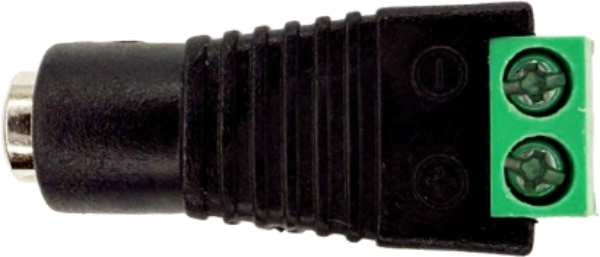
A DC barrel jack female is a connector designed to receive power from a DC power supply. It features a cylindrical shape with a central pin for positive voltage and an outer sleeve for ground. This component is widely used in electronic devices to provide a secure and reliable power connection. Its standardized design ensures compatibility with a variety of DC power adapters.
Explore Projects Built with DC BARREL JACK FEMALE
 Open Project in Cirkit Designer
 Open Project in Cirkit Designer
 Open Project in Cirkit Designer
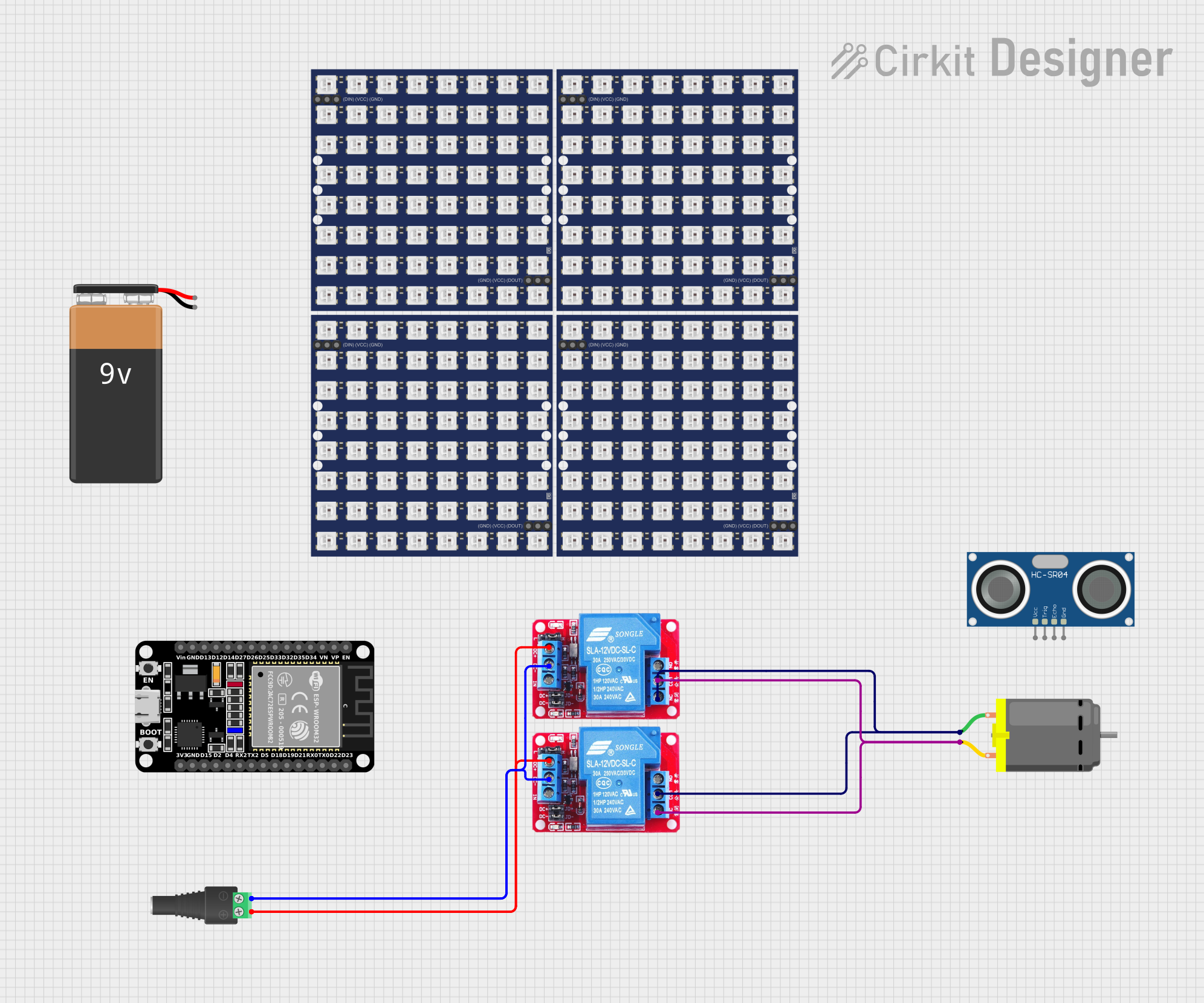 Open Project in Cirkit Designer
Explore Projects Built with DC BARREL JACK FEMALE
Open Project in Cirkit DesignerOpen Project in Cirkit DesignerOpen Project in Cirkit DesignerOpen Project in Cirkit DesignerCommon Applications and Use Cases
- Power input for development boards (e.g., Arduino, Raspberry Pi shields)
- Consumer electronics such as routers, modems, and audio equipment
- DIY electronics projects requiring a stable DC power connection
- Robotics and IoT devices
Technical Specifications
Below are the key technical details for a standard DC barrel jack female connector:
| Parameter | Value |
|---|---|
| Voltage Rating | Typically 12V to 24V (varies by model) |
| Current Rating | 1A to 5A (depending on the model) |
| Connector Type | Female barrel jack |
| Inner Pin Diameter | Commonly 2.1mm or 2.5mm |
| Outer Sleeve Diameter | Commonly 5.5mm |
| Mounting Style | Panel mount or PCB mount |
| Material | Plastic housing with metal contacts |
Pin Configuration and Descriptions
The DC barrel jack female typically has three pins for connection:
| Pin | Description |
|---|---|
| Inner Pin | Positive voltage terminal (V+) |
| Outer Sleeve | Ground terminal (GND) |
| Switch Pin | Optional pin used to detect plug insertion or disconnect internal power when a plug is inserted (not present in all models) |
Usage Instructions
How to Use the Component in a Circuit
- Identify the Pins: Determine the positive (inner pin) and ground (outer sleeve) terminals. If the jack has a switch pin, identify its function in the datasheet or by testing.
- Mounting: Secure the barrel jack to a PCB or panel using the appropriate mounting style (e.g., soldering for PCB mount or screws for panel mount).
- Connect to Circuit:
- Solder the positive terminal to the V+ line of your circuit.
- Solder the ground terminal to the GND line of your circuit.
- If using the switch pin, connect it to the desired circuit path for plug detection or power switching.
- Verify Polarity: Ensure the polarity of the DC power supply matches the circuit's requirements to avoid damage.
Important Considerations and Best Practices
- Voltage and Current Ratings: Always check the voltage and current ratings of the barrel jack to ensure compatibility with your power supply and circuit.
- Polarity: Double-check the polarity of the DC power supply before connecting it to the barrel jack. Reversed polarity can damage your circuit.
- Secure Mounting: Ensure the barrel jack is securely mounted to prevent loose connections or mechanical stress.
- Heat Dissipation: For high-current applications, ensure proper heat dissipation to avoid overheating the connector.
Example: Connecting to an Arduino UNO
The Arduino UNO features a DC barrel jack female for power input. Below is an example of powering the Arduino UNO using a 12V DC adapter:
// No code is required for the DC barrel jack itself, as it is a passive component.
// However, here is an example of using the Arduino UNO's power input to blink an LED.

void setup() {
  pinMode(13, OUTPUT); // Set pin 13 (built-in LED) as an output
}

void loop() {
  digitalWrite(13, HIGH); // Turn the LED on
  delay(1000);            // Wait for 1 second
  digitalWrite(13, LOW);  // Turn the LED off
  delay(1000);            // Wait for 1 second
}
Troubleshooting and FAQs
Common Issues Users Might Face
No Power to the Circuit:
- Cause: Loose connection or incorrect polarity.
- Solution: Check the connections and ensure the power supply polarity matches the circuit.
Overheating of the Barrel Jack:
- Cause: Exceeding the current rating of the connector.
- Solution: Use a barrel jack with a higher current rating or reduce the circuit's current draw.
Intermittent Power Loss:
- Cause: Poor solder joints or mechanical stress on the connector.
- Solution: Re-solder the connections and ensure the jack is securely mounted.
Plug Does Not Fit:
- Cause: Mismatch in barrel jack and plug dimensions.
- Solution: Verify the inner pin and outer sleeve diameters of the plug and jack.
Solutions and Tips for Troubleshooting
- Use a multimeter to verify the voltage at the barrel jack terminals.
- Inspect the solder joints for cracks or weak connections.
- Ensure the power supply is functioning correctly and providing the expected voltage and current.
By following these guidelines, you can effectively use a DC barrel jack female in your electronic projects and ensure reliable power connections.