
How to Use MQ-9: Examples, Pinouts, and Specs
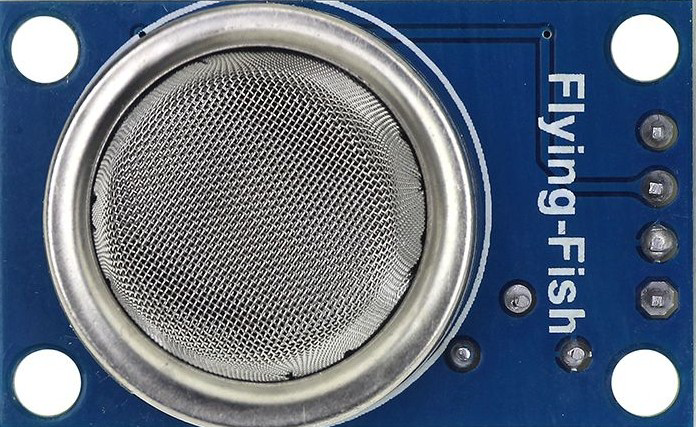
 Design with MQ-9 in Cirkit Designer
Introduction
The MQ-9 gas sensor, manufactured by Flying Fish (Part ID: MQ-9), is a versatile and reliable sensor designed to detect various gases, including methane (CH₄), propane (C₃H₈), carbon monoxide (CO), and other combustible gases. It operates on the principle of resistive change, where the sensor's resistance varies in the presence of target gases. This makes it an ideal choice for applications in safety systems, environmental monitoring, and industrial gas detection.
Explore Projects Built with MQ-9
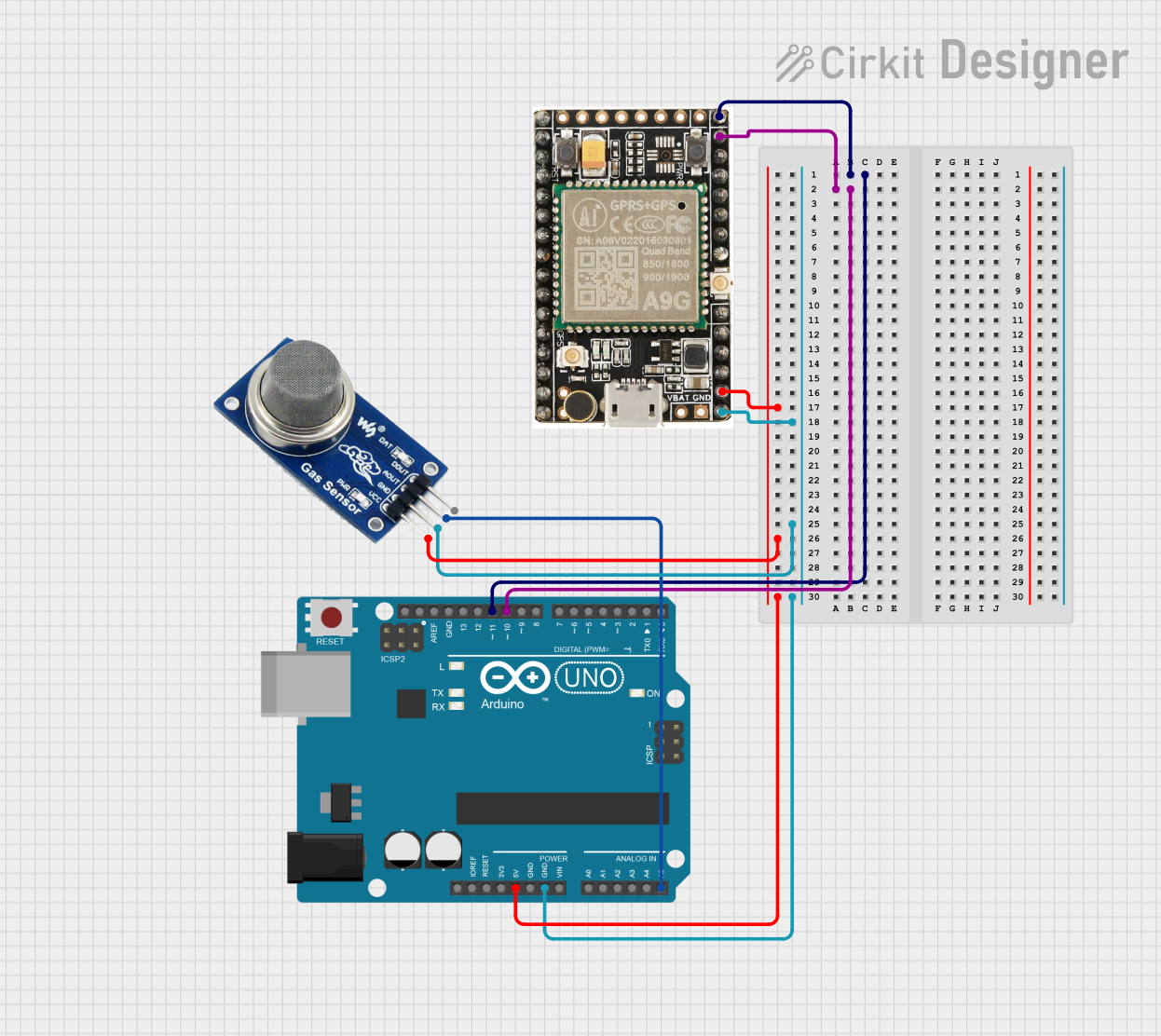 Open Project in Cirkit Designer
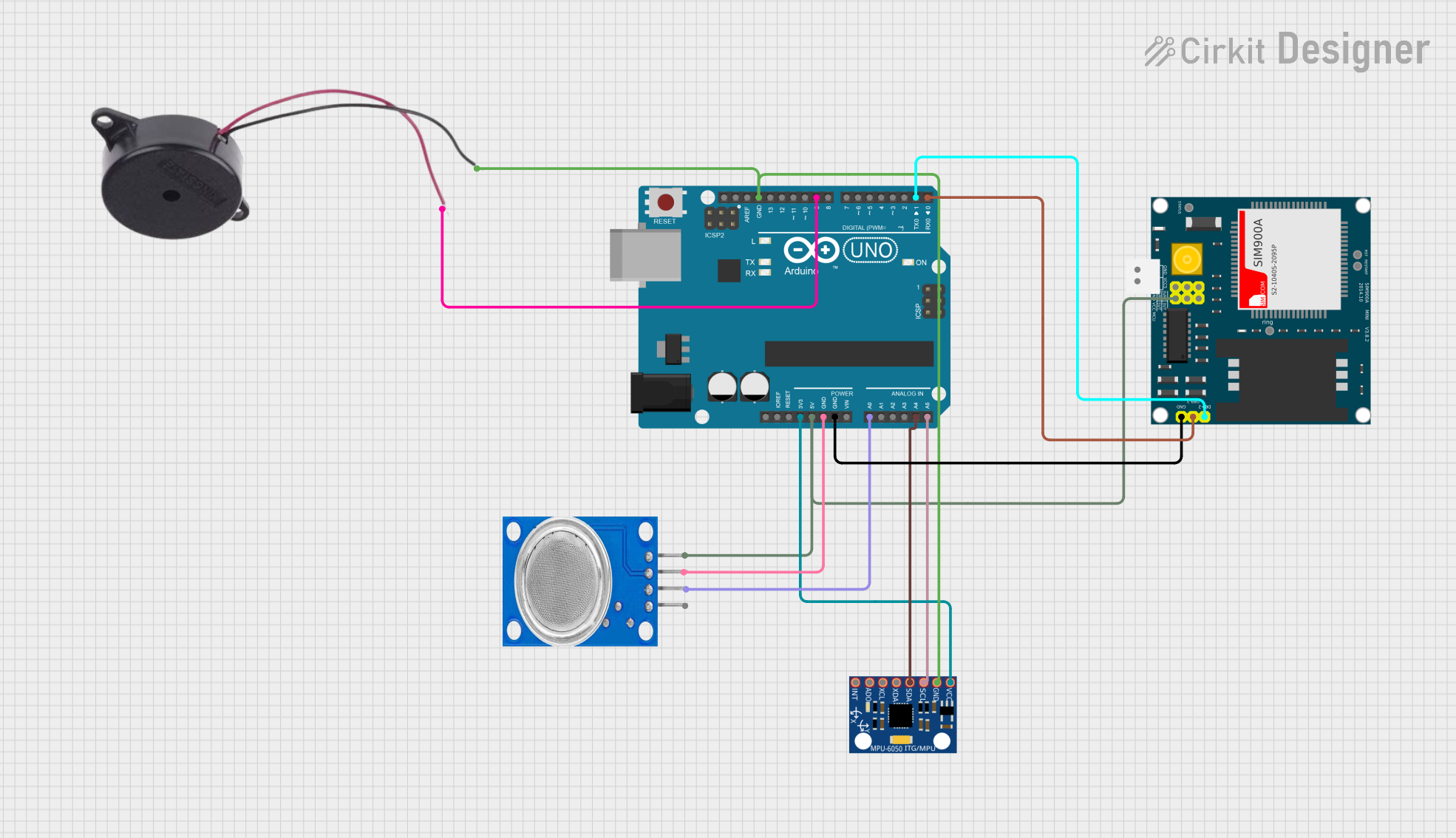 Open Project in Cirkit Designer
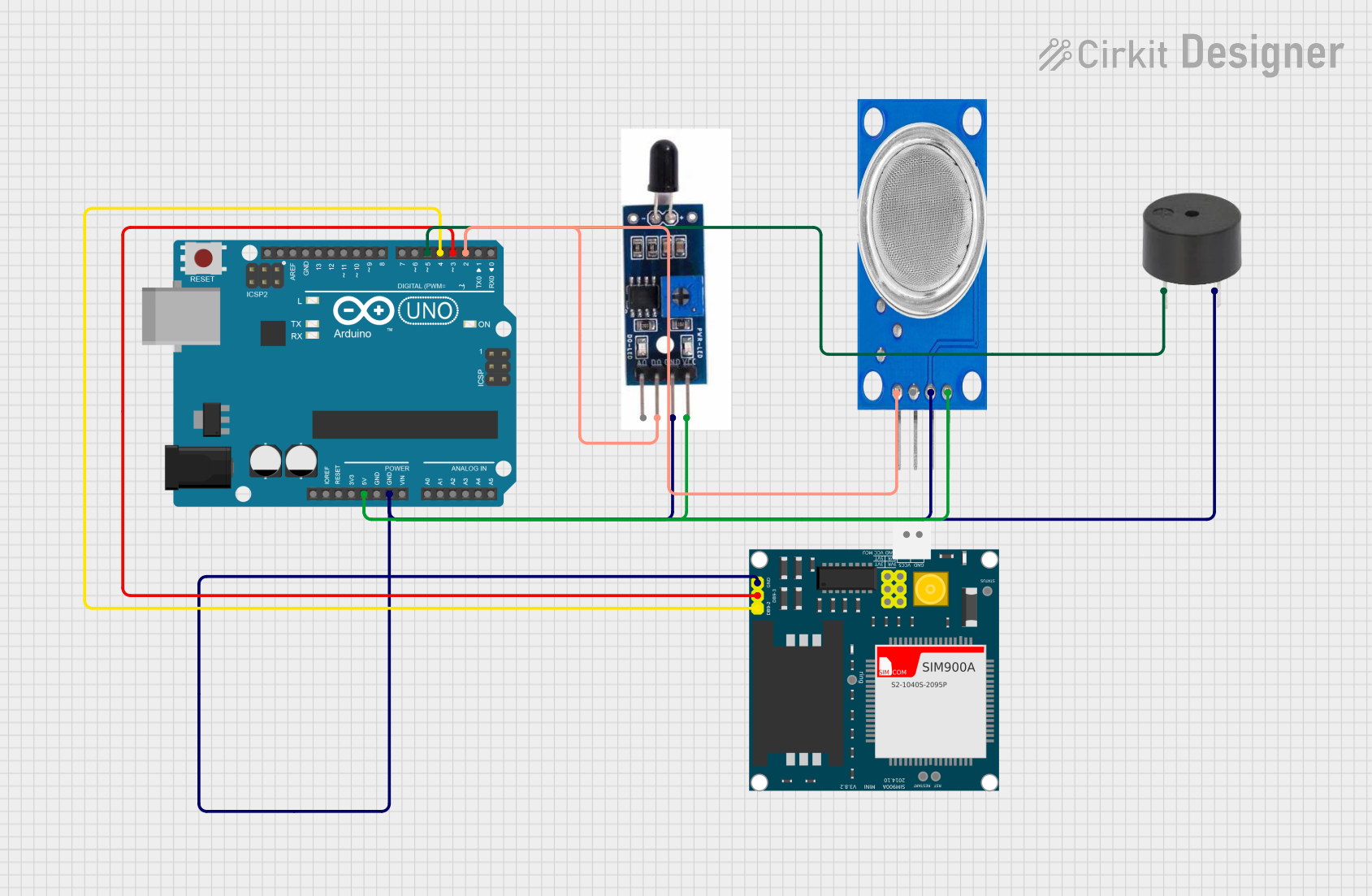 Open Project in Cirkit Designer
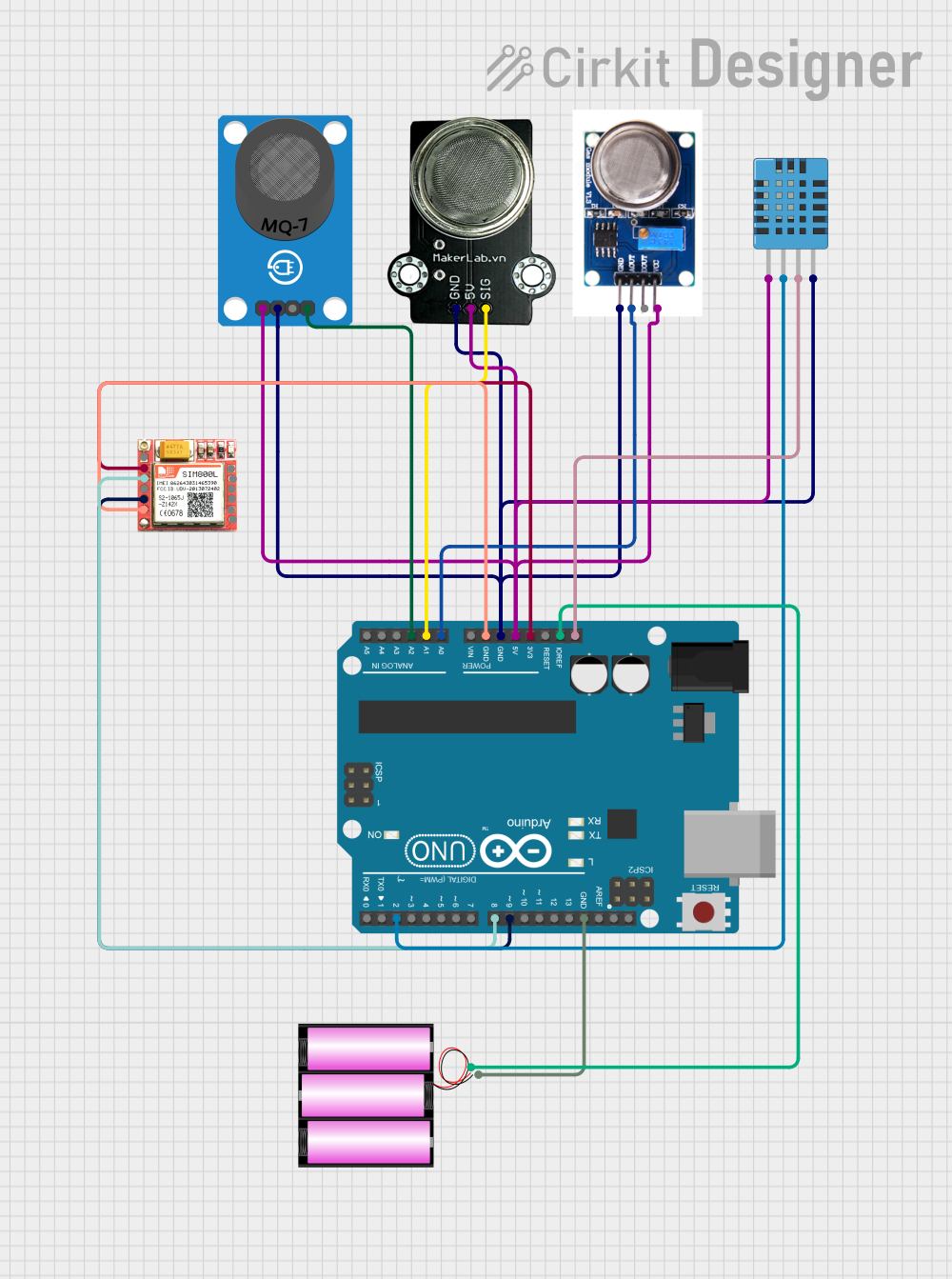 Open Project in Cirkit Designer
Explore Projects Built with MQ-9
Open Project in Cirkit DesignerOpen Project in Cirkit DesignerOpen Project in Cirkit DesignerOpen Project in Cirkit DesignerCommon Applications
- Gas leak detection in homes and industries
- Air quality monitoring systems
- Combustible gas alarms
- Industrial safety systems
- IoT-based environmental monitoring projects
Technical Specifications
The MQ-9 sensor is designed for ease of use and integration into various systems. Below are its key technical details:
Key Specifications
| Parameter | Value |
|---|---|
| Operating Voltage | 5V DC |
| Load Resistance (RL) | Adjustable (typically 10 kΩ) |
| Heater Voltage (VH) | 5V ± 0.1V |
| Heating Current | ≤ 180 mA |
| Sensing Resistance (RS) | 1 kΩ to 10 kΩ (in clean air) |
| Detection Range | 10 ppm to 10,000 ppm |
| Preheat Time | ≥ 24 hours |
| Operating Temperature | -20°C to 50°C |
| Humidity Range | 5% to 95% RH (non-condensing) |
| Dimensions | 32mm x 20mm x 22mm |
Pin Configuration
The MQ-9 sensor module typically comes with a 4-pin interface. Below is the pinout description:
| Pin Name | Description |
|---|---|
| VCC | Power supply pin (5V DC) |
| GND | Ground pin |
| AOUT | Analog output pin (provides gas concentration) |
| DOUT | Digital output pin (threshold-based signal) |
Usage Instructions
The MQ-9 sensor is straightforward to use in a circuit. Follow the steps below to integrate it into your project:
Circuit Connection
- Power Supply: Connect the
VCCpin to a 5V DC power source and theGNDpin to ground. - Analog Output: Connect the
AOUTpin to an analog input pin of your microcontroller (e.g., Arduino) to measure gas concentration. - Digital Output: Optionally, connect the
DOUTpin to a digital input pin of your microcontroller. The digital output is triggered when the gas concentration exceeds a preset threshold, which can be adjusted using the onboard potentiometer.
Important Considerations
- Preheating: The sensor requires a preheating time of at least 24 hours for optimal performance. This ensures the internal heater stabilizes and provides accurate readings.
- Calibration: For precise measurements, calibrate the sensor in a clean air environment to determine the baseline resistance (RS in clean air).
- Ventilation: Ensure proper ventilation around the sensor to avoid saturation and improve response time.
- Power Supply: Use a stable 5V power source to avoid fluctuations in readings.
Example Code for Arduino UNO
Below is an example of how to interface the MQ-9 sensor with an Arduino UNO to read analog values:
// MQ-9 Gas Sensor Example Code
// This code reads the analog output of the MQ-9 sensor and prints the value
// to the Serial Monitor. Ensure the sensor is preheated for accurate readings.

const int analogPin = A0; // Connect AOUT pin of MQ-9 to Arduino A0

void setup() {
  Serial.begin(9600); // Initialize serial communication at 9600 baud
  Serial.println("MQ-9 Gas Sensor Reading...");
}

void loop() {
  int sensorValue = analogRead(analogPin); // Read analog value from MQ-9
  float voltage = sensorValue * (5.0 / 1023.0); // Convert to voltage (0-5V)

  // Print the raw sensor value and voltage to the Serial Monitor
  Serial.print("Sensor Value: ");
  Serial.print(sensorValue);
  Serial.print(" | Voltage: ");
  Serial.print(voltage);
  Serial.println(" V");

  delay(1000); // Wait for 1 second before the next reading
}
Best Practices
- Avoid exposing the sensor to high concentrations of corrosive gases, as this may damage the sensing element.
- Place the sensor in a location where it can detect gases effectively, avoiding areas with excessive humidity or dust.
- Regularly clean the sensor module to prevent dust accumulation, which can affect sensitivity.
Troubleshooting and FAQs
Common Issues and Solutions
No Output or Incorrect Readings
- Cause: Insufficient preheating time.
- Solution: Ensure the sensor is preheated for at least 24 hours before use.
Fluctuating Readings
- Cause: Unstable power supply or environmental interference.
- Solution: Use a regulated 5V power source and avoid placing the sensor near strong electromagnetic fields.
Digital Output Not Triggering
- Cause: Threshold not set correctly.
- Solution: Adjust the potentiometer on the module to set the desired threshold level.
Sensor Not Responding to Gases
- Cause: Sensor element damaged or expired.
- Solution: Replace the sensor if it has been used for an extended period or exposed to harsh conditions.
FAQs
Q1: Can the MQ-9 detect multiple gases simultaneously?
A1: The MQ-9 can detect multiple gases, but it does not differentiate between them. It provides a combined response based on the presence of target gases.
Q2: How long does the MQ-9 sensor last?
A2: The sensor typically lasts for 2-3 years under normal operating conditions. Prolonged exposure to high concentrations of gases or harsh environments may reduce its lifespan.
Q3: Can I use the MQ-9 with a 3.3V microcontroller?
A3: The MQ-9 requires a 5V power supply for the heater. However, you can use a voltage divider or level shifter to interface the analog output with a 3.3V microcontroller.
Q4: Is the sensor waterproof?
A4: No, the MQ-9 is not waterproof. Avoid exposing it to water or excessive humidity to prevent damage.
By following this documentation, you can effectively integrate and use the MQ-9 gas sensor in your projects for reliable gas detection and monitoring.