
How to Use button 12x12: Examples, Pinouts, and Specs
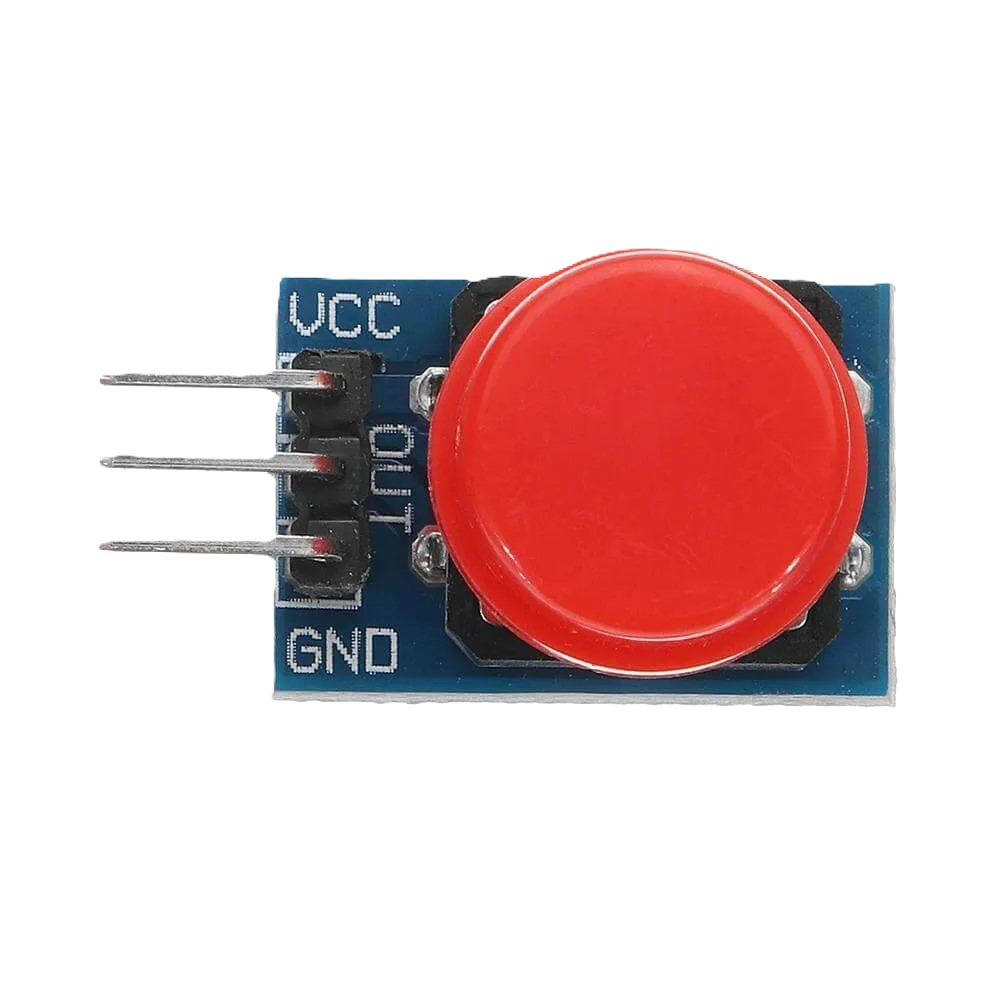
 Design with button 12x12 in Cirkit Designer
Introduction
The Button 12x12 is a tactile push-button switch with a square footprint of 12mm x 12mm. It is designed for momentary user input in electronic circuits and devices. When pressed, the button completes an electrical circuit, allowing current to flow. This component is widely used in applications such as control panels, DIY electronics projects, and embedded systems.
Explore Projects Built with button 12x12
 Open Project in Cirkit Designer
 Open Project in Cirkit Designer
 Open Project in Cirkit Designer
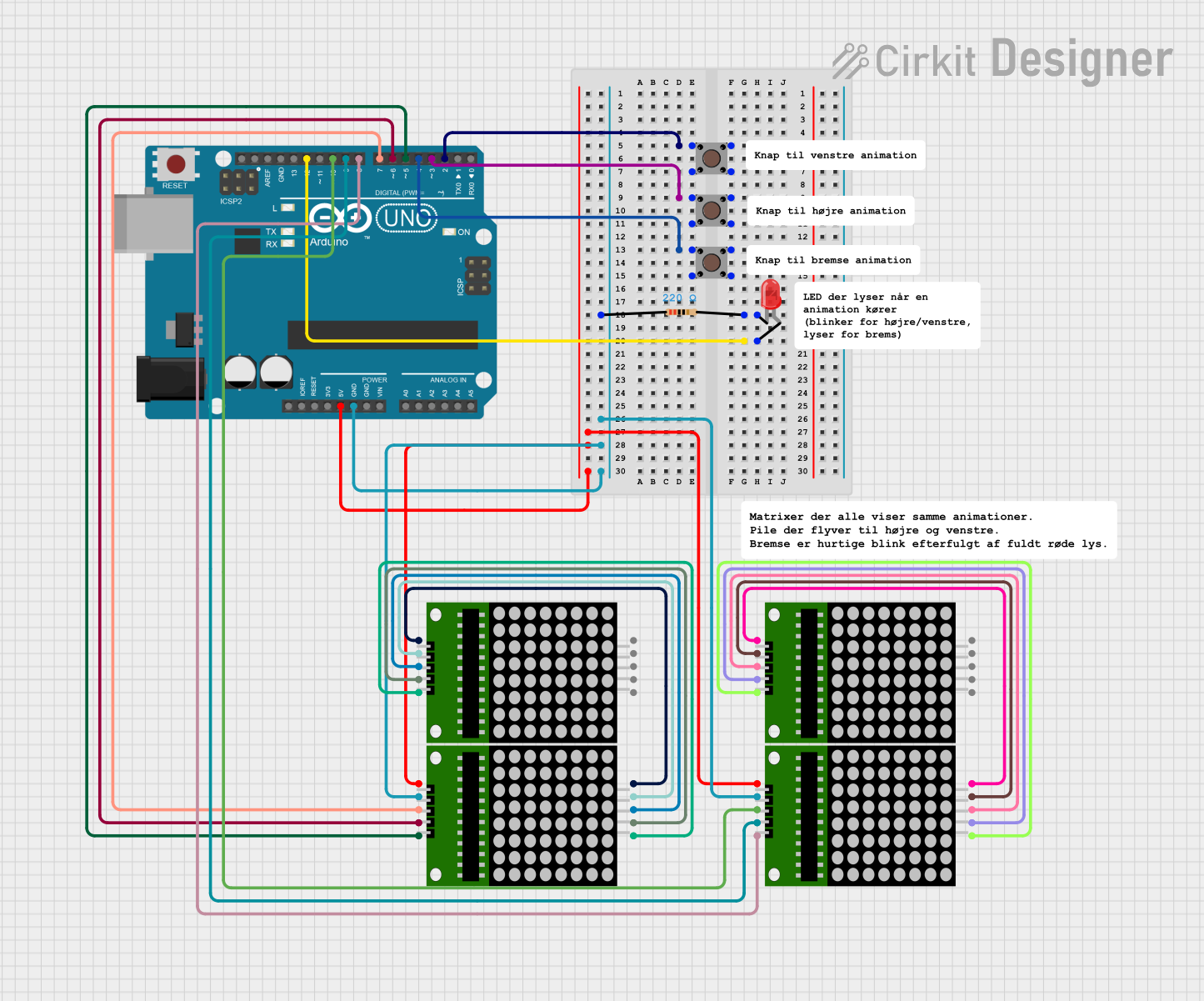 Open Project in Cirkit Designer
Explore Projects Built with button 12x12
Open Project in Cirkit DesignerOpen Project in Cirkit DesignerOpen Project in Cirkit DesignerOpen Project in Cirkit DesignerCommon Applications
- User input for microcontroller-based projects (e.g., Arduino, Raspberry Pi)
- Control panels for appliances and industrial equipment
- Prototyping and breadboard circuits
- Reset or power buttons in electronic devices
Technical Specifications
The Button 12x12 is a simple yet versatile component. Below are its key technical details:
| Parameter | Value |
|---|---|
| Dimensions | 12mm x 12mm |
| Actuation Type | Momentary (push-to-make) |
| Operating Voltage | 3.3V to 12V (typical) |
| Maximum Current | 50mA |
| Contact Resistance | ≤ 100mΩ |
| Insulation Resistance | ≥ 100MΩ |
| Operating Force | 160gf ± 50gf |
| Travel Distance | 0.25mm ± 0.1mm |
| Operating Temperature | -25°C to +85°C |
| Lifespan | 100,000 cycles (typical) |
Pin Configuration and Description
The Button 12x12 has four pins arranged in a square configuration. The pins are internally connected in pairs, as shown below:
| Pin Number | Description |
|---|---|
| Pin 1 | Connected to Pin 2 (internally) |
| Pin 2 | Connected to Pin 1 (internally) |
| Pin 3 | Connected to Pin 4 (internally) |
| Pin 4 | Connected to Pin 3 (internally) |
Note: Pins 1 and 2 form one terminal, while Pins 3 and 4 form the other terminal. When the button is pressed, the two terminals are electrically connected.
Usage Instructions
How to Use the Button 12x12 in a Circuit
- Identify the Terminals: Use a multimeter to confirm the internal connections between the pins. Pins 1 and 2 are one terminal, and Pins 3 and 4 are the other.
- Connect to Circuit:
- Connect one terminal to the input signal or microcontroller pin.
- Connect the other terminal to ground or the desired circuit path.
- Debounce the Button: Mechanical switches like the Button 12x12 may produce noise or "bouncing" when pressed. Use a capacitor (e.g., 0.1µF) or software debounce techniques to ensure stable operation.
- Test the Button: Verify the button's functionality by pressing it and observing the circuit's response.
Example Circuit with Arduino UNO
Below is an example of how to connect the Button 12x12 to an Arduino UNO to toggle an LED:
Circuit Connections
- Connect one terminal of the button to digital pin 2 on the Arduino.
- Connect the other terminal of the button to ground.
- Use a 10kΩ pull-up resistor between digital pin 2 and 5V to ensure a stable HIGH signal when the button is not pressed.
- Connect an LED to digital pin 13 with a 220Ω resistor in series.
Arduino Code
// Define pin numbers
const int buttonPin = 2;  // Button connected to digital pin 2
const int ledPin = 13;    // LED connected to digital pin 13

// Variable to store button state
int buttonState = 0;

void setup() {
  pinMode(buttonPin, INPUT_PULLUP); // Set button pin as input with internal pull-up
  pinMode(ledPin, OUTPUT);         // Set LED pin as output
}

void loop() {
  // Read the state of the button
  buttonState = digitalRead(buttonPin);

  // If button is pressed (LOW state due to pull-up resistor)
  if (buttonState == LOW) {
    digitalWrite(ledPin, HIGH); // Turn on the LED
  } else {
    digitalWrite(ledPin, LOW);  // Turn off the LED
  }
}
Best Practices
- Always use a pull-up or pull-down resistor to avoid floating input signals.
- For long-term reliability, avoid exceeding the rated voltage and current.
- Use proper debouncing techniques to eliminate false triggers.
Troubleshooting and FAQs
Common Issues
Button Not Responding:
- Cause: Incorrect wiring or loose connections.
- Solution: Double-check the wiring and ensure all connections are secure.
Button Bouncing:
- Cause: Mechanical noise when the button is pressed or released.
- Solution: Add a capacitor (e.g., 0.1µF) across the button terminals or implement software debouncing.
LED Stays ON/OFF in Arduino Circuit:
- Cause: Incorrect pull-up resistor configuration or faulty button.
- Solution: Verify the pull-up resistor connection and test the button with a multimeter.
Button Feels Stiff or Unresponsive:
- Cause: Physical wear or debris inside the button.
- Solution: Replace the button if it has exceeded its lifespan or clean it carefully.
FAQs
Q1: Can I use the Button 12x12 with a 5V power supply?
A1: Yes, the Button 12x12 is compatible with 5V systems, which are common in microcontroller projects.
Q2: Do I need to use all four pins?
A2: No, you only need to use one pin from each terminal (e.g., Pin 1 and Pin 3). The other pins are internally connected.
Q3: How do I debounce the button in software?
A3: You can use a delay or a state-change detection algorithm in your code to debounce the button.
Q4: Can this button handle AC signals?
A4: The Button 12x12 is primarily designed for low-voltage DC applications. Using it with AC signals is not recommended.
By following this documentation, you can effectively integrate the Button 12x12 into your electronic projects!