
How to Use FireBeetle Covers LoRa Radio 868MHz: Examples, Pinouts, and Specs
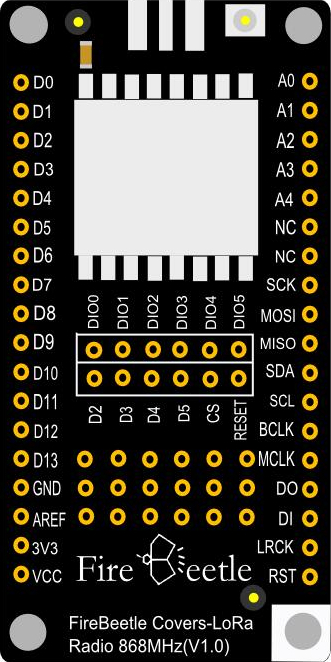
 Design with FireBeetle Covers LoRa Radio 868MHz in Cirkit Designer
Introduction
The FireBeetle Covers LoRa Radio 868MHz (Manufacturer Part ID: TEL0125) is a protective cover designed specifically for the FireBeetle LoRa Radio module operating at 868MHz. Manufactured by DFRobot, this cover enhances the durability of the LoRa module while maintaining optimal signal integrity. It is ideal for IoT applications, long-range communication, and projects requiring robust environmental protection for the LoRa module.
Explore Projects Built with FireBeetle Covers LoRa Radio 868MHz
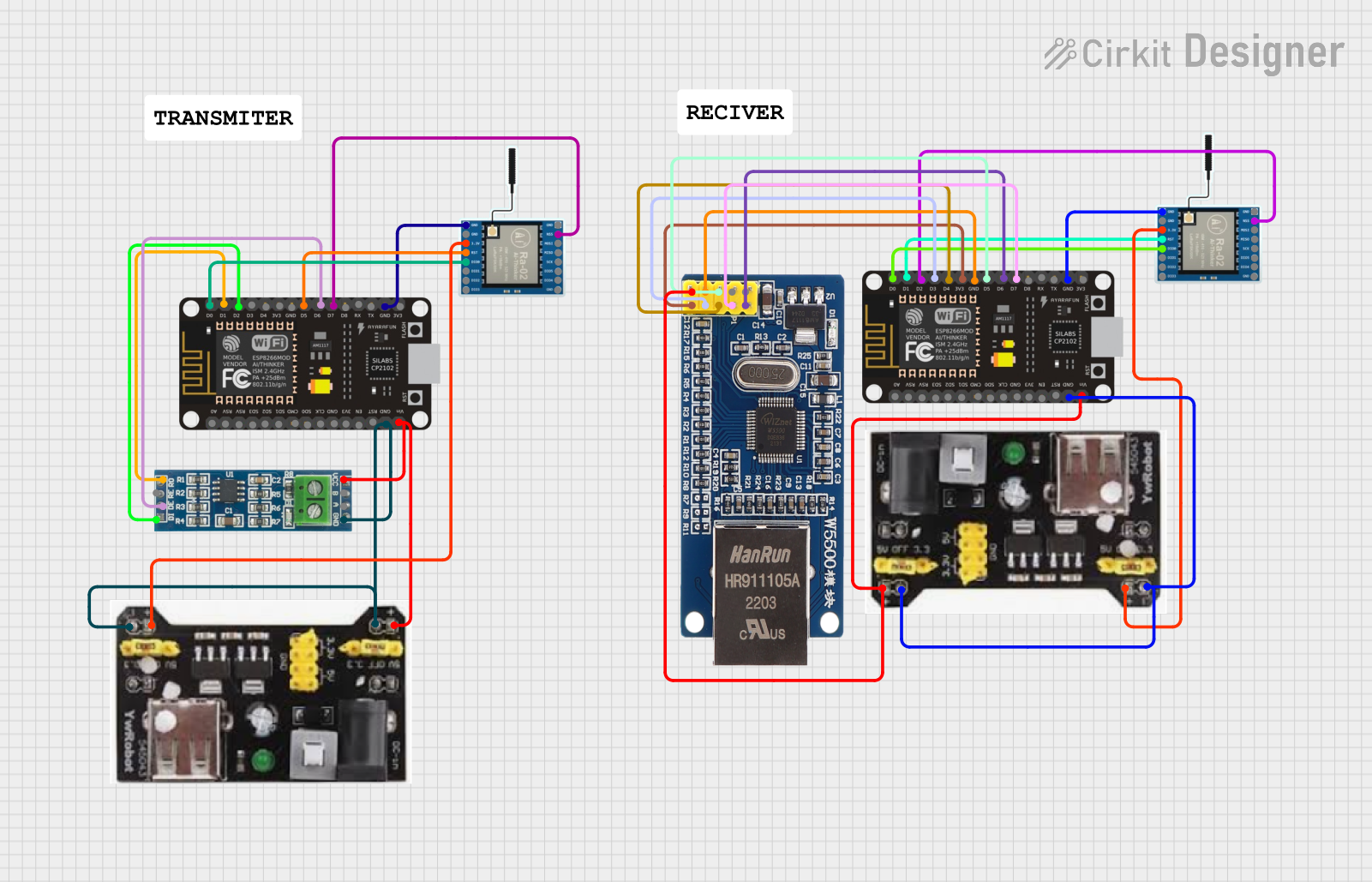 Open Project in Cirkit Designer
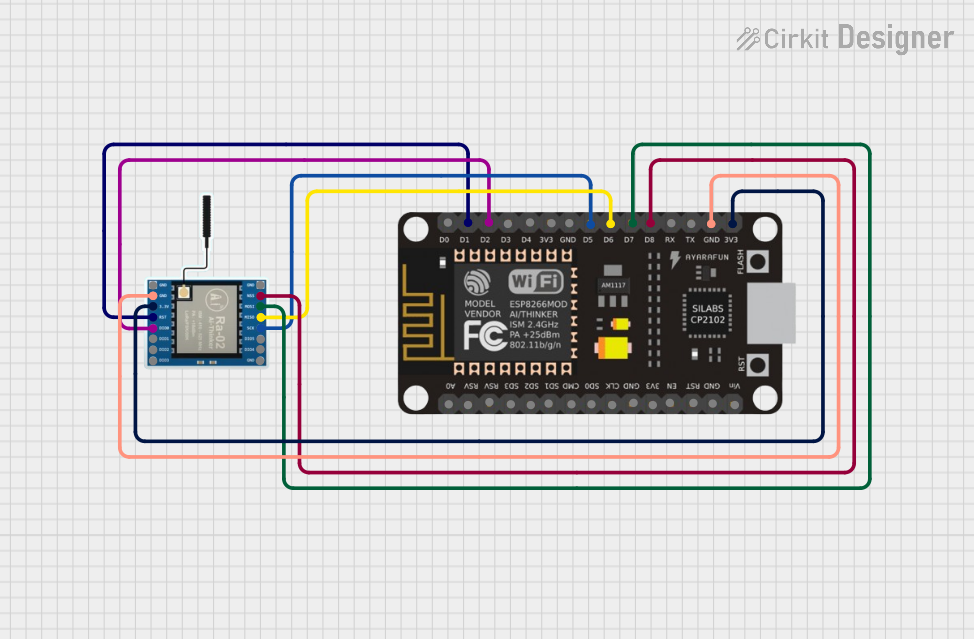 Open Project in Cirkit Designer
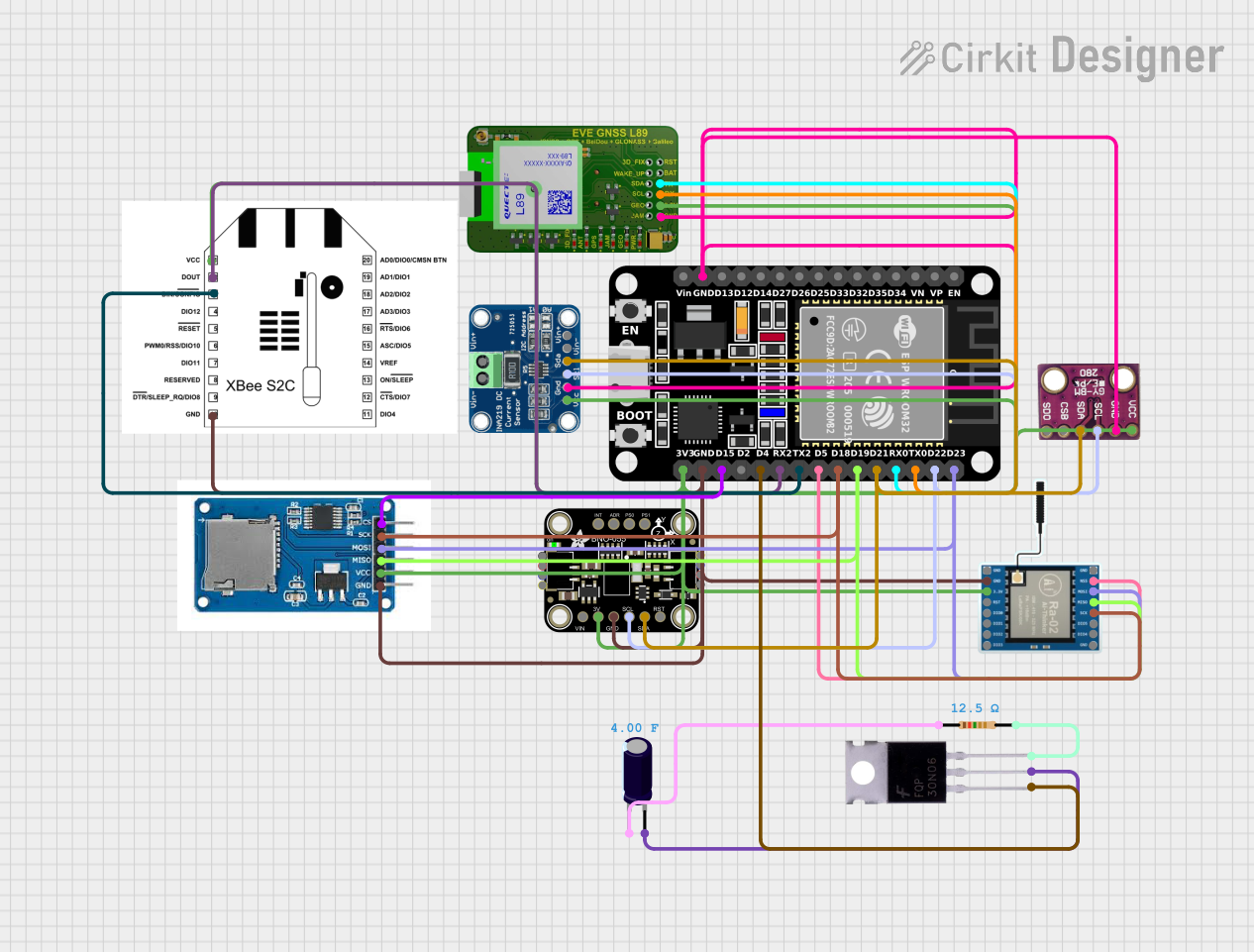 Open Project in Cirkit Designer
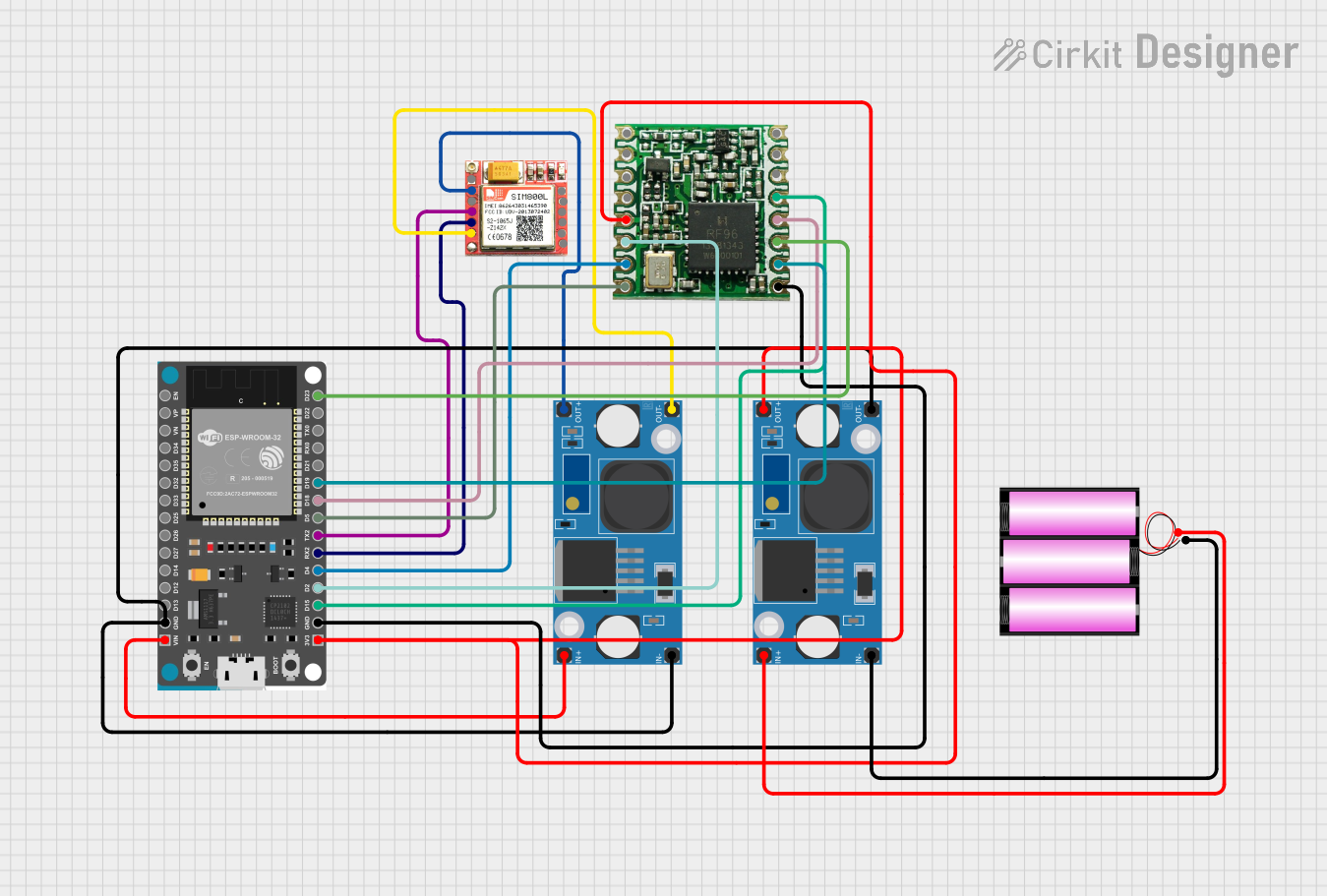 Open Project in Cirkit Designer
Explore Projects Built with FireBeetle Covers LoRa Radio 868MHz
Open Project in Cirkit DesignerOpen Project in Cirkit DesignerOpen Project in Cirkit DesignerOpen Project in Cirkit DesignerCommon Applications and Use Cases
- IoT networks and smart city projects
- Long-range wireless communication
- Environmental monitoring systems
- Industrial automation and control
- Agricultural monitoring and precision farming
Technical Specifications
The FireBeetle Covers LoRa Radio 868MHz is designed to complement the FireBeetle LoRa module. Below are the key technical details:
Key Specifications
| Parameter | Value |
|---|---|
| Frequency Band | 868MHz |
| Material | Durable plastic with shielding |
| Dimensions | 34mm x 25mm x 8mm |
| Weight | 5g |
| Compatibility | FireBeetle LoRa Radio module |
| Operating Temperature | -40°C to 85°C |
| Mounting Mechanism | Snap-fit design |
Pin Configuration and Descriptions
The FireBeetle Covers LoRa Radio 868MHz does not have electrical pins, as it is a protective cover. However, it is designed to fit seamlessly over the FireBeetle LoRa Radio module, ensuring proper alignment with the module's pin headers.
Usage Instructions
How to Use the Component in a Circuit
- Prepare the FireBeetle LoRa Module: Ensure the FireBeetle LoRa Radio module is properly soldered or connected to your circuit.
- Align the Cover: Position the FireBeetle Covers LoRa Radio 868MHz over the LoRa module, ensuring the snap-fit design aligns with the module's edges.
- Secure the Cover: Gently press the cover onto the module until it clicks into place. Ensure all sides are securely fastened.
- Connect to Circuit: Once the cover is in place, connect the FireBeetle LoRa module to your circuit or microcontroller (e.g., Arduino UNO).
Important Considerations and Best Practices
- Signal Integrity: The cover is designed to maintain signal integrity. Avoid placing the module in areas with excessive electromagnetic interference (EMI).
- Environmental Protection: While the cover provides basic protection, avoid exposing the module to extreme conditions unless additional enclosures are used.
- Compatibility: Ensure the cover is used only with the FireBeetle LoRa Radio module operating at 868MHz.
Example: Connecting to an Arduino UNO
Below is an example of how to use the FireBeetle LoRa Radio module (with the cover installed) with an Arduino UNO for basic communication:
#include <SPI.h>
#include <LoRa.h>

// Define LoRa module pins
#define SCK 5    // SPI Clock
#define MISO 19  // SPI MISO
#define MOSI 27  // SPI MOSI
#define SS 18    // LoRa Select
#define RST 14   // LoRa Reset
#define DIO0 26  // LoRa IRQ

void setup() {
  Serial.begin(9600); // Initialize serial communication
  while (!Serial);

  Serial.println("Initializing LoRa module...");

  // Initialize LoRa module
  if (!LoRa.begin(868E6)) {
    Serial.println("LoRa initialization failed!");
    while (1);
  }

  Serial.println("LoRa initialized successfully!");
}

void loop() {
  Serial.println("Sending packet...");
  LoRa.beginPacket();
  LoRa.print("Hello, LoRa!");
  LoRa.endPacket();

  delay(2000); // Wait 2 seconds before sending the next packet
}
Note: Ensure the FireBeetle LoRa Radio module is properly connected to the Arduino UNO, and the protective cover is securely in place.
Troubleshooting and FAQs
Common Issues Users Might Face
Cover Does Not Fit Properly
- Solution: Ensure the cover is aligned correctly with the FireBeetle LoRa Radio module. Check for any obstructions or misaligned components.
Signal Degradation
- Solution: Verify that the module is not placed near sources of electromagnetic interference (e.g., motors, high-power devices). Ensure the antenna is properly connected and positioned.
Overheating
- Solution: Ensure the module is operated within the specified temperature range (-40°C to 85°C). Avoid prolonged exposure to direct sunlight or high-temperature environments.
LoRa Module Not Communicating
- Solution: Double-check the wiring and connections between the LoRa module and the microcontroller. Ensure the correct frequency (868MHz) is configured in the code.
FAQs
Q1: Can this cover be used with other LoRa modules?
A1: No, the FireBeetle Covers LoRa Radio 868MHz is specifically designed for the FireBeetle LoRa Radio module operating at 868MHz.
Q2: Does the cover provide waterproof protection?
A2: No, the cover provides basic protection against physical damage but is not waterproof. For outdoor use, consider additional waterproof enclosures.
Q3: Will the cover affect the LoRa module's range?
A3: No, the cover is designed to maintain signal integrity and should not affect the module's range under normal operating conditions.
Q4: Can I remove and reattach the cover multiple times?
A4: Yes, the snap-fit design allows for multiple installations and removals without compromising the cover's durability.