
How to Use 18650 in case: Examples, Pinouts, and Specs
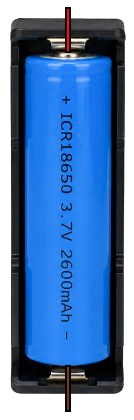
 Design with 18650 in case in Cirkit Designer
Introduction
The 18650 in case is a cylindrical lithium-ion rechargeable battery housed in a protective casing. This component is widely used in portable electronics, power banks, flashlights, and electric vehicles due to its high energy density, long cycle life, and reliable performance. The protective case enhances safety by preventing physical damage and short circuits, making it suitable for DIY projects and professional applications.
Explore Projects Built with 18650 in case
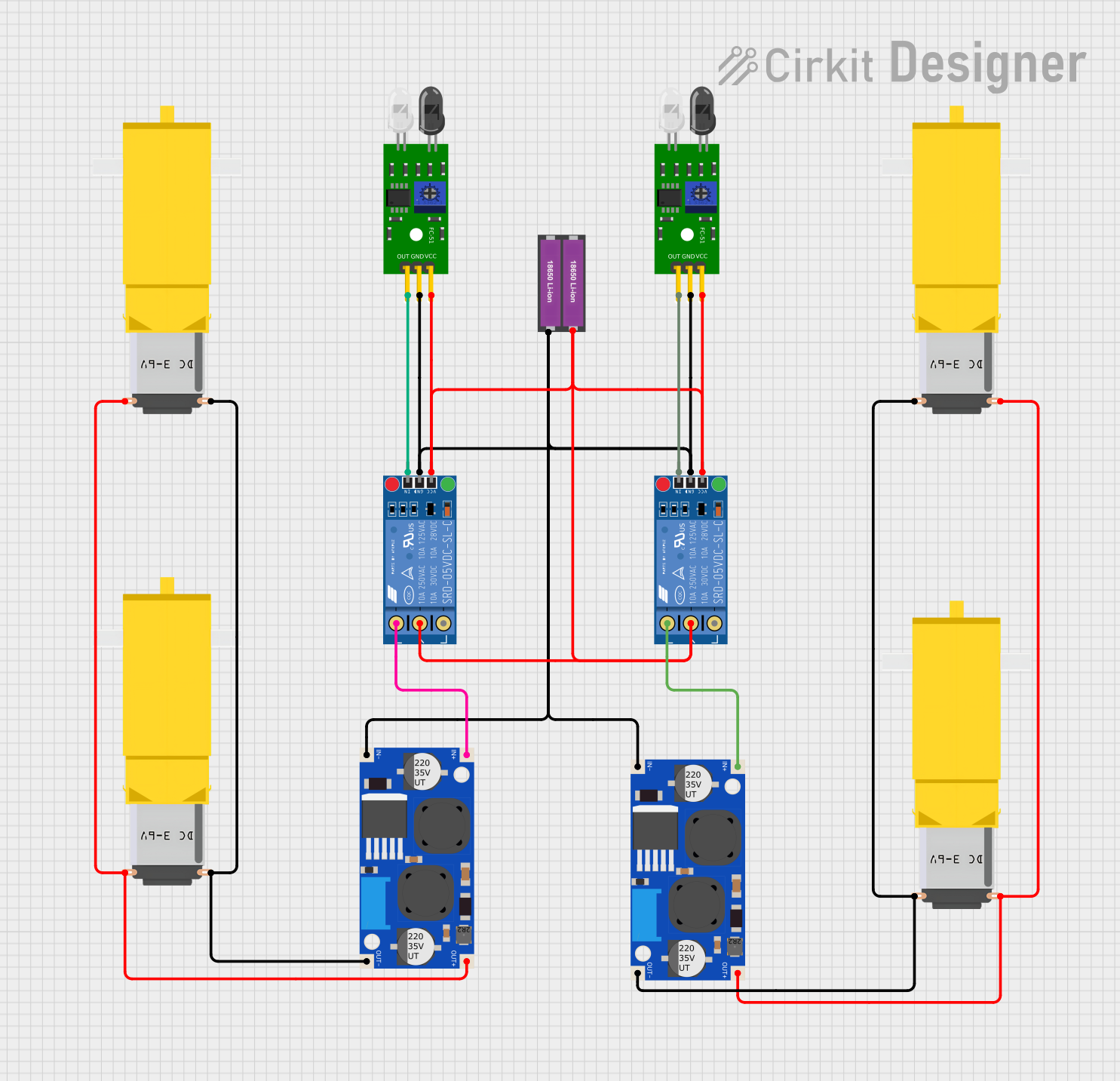 Open Project in Cirkit Designer
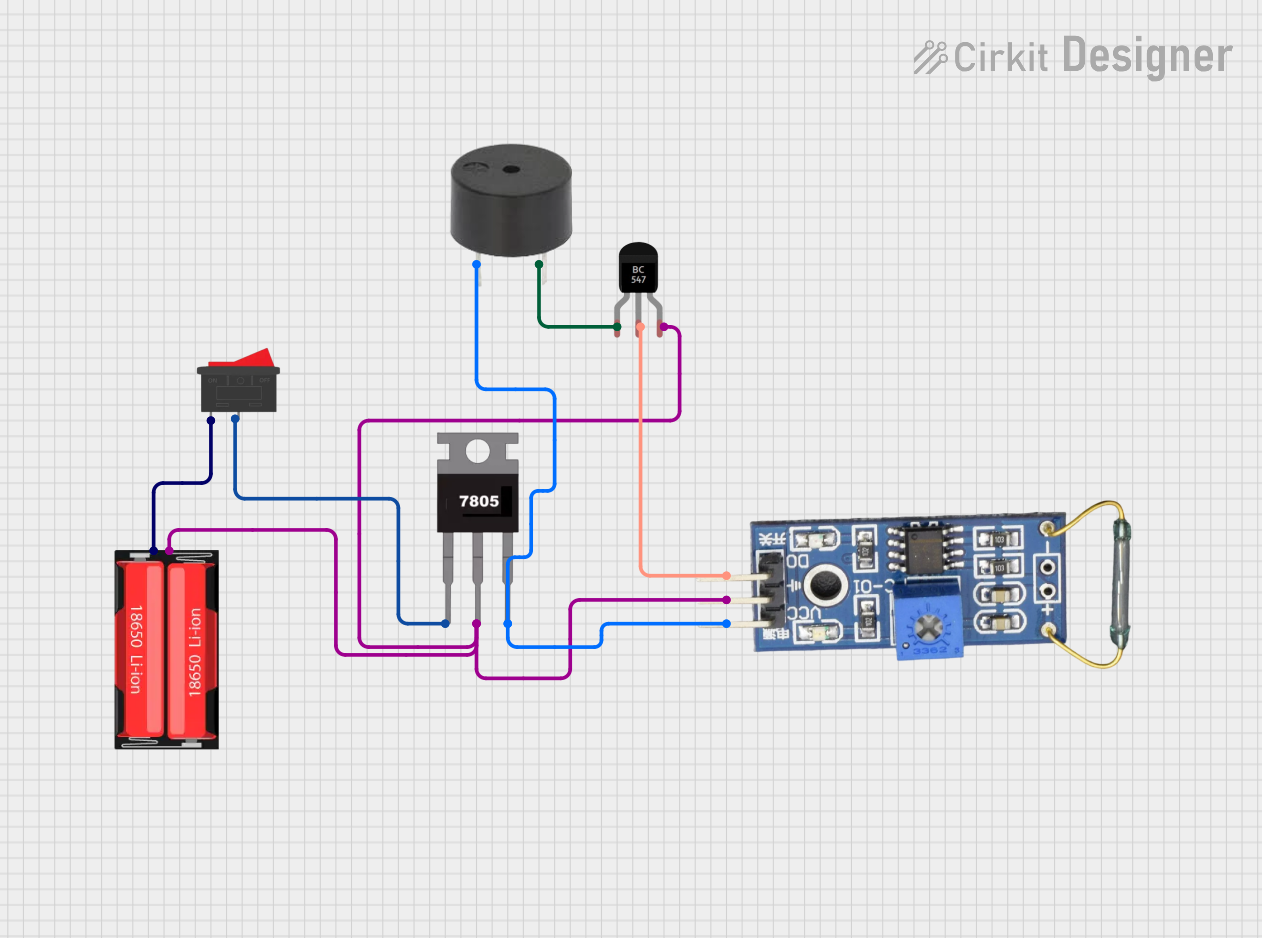 Open Project in Cirkit Designer
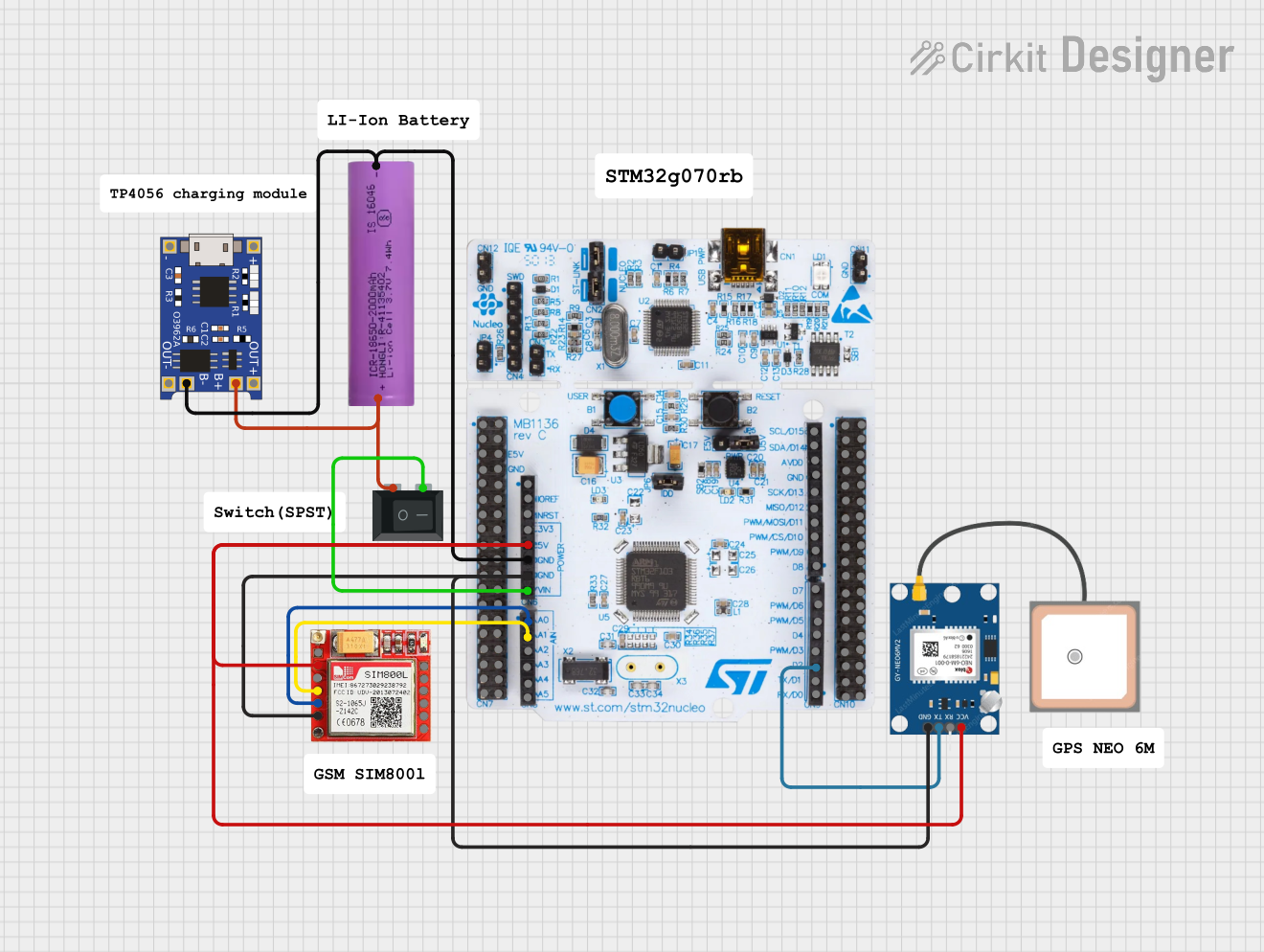 Open Project in Cirkit Designer
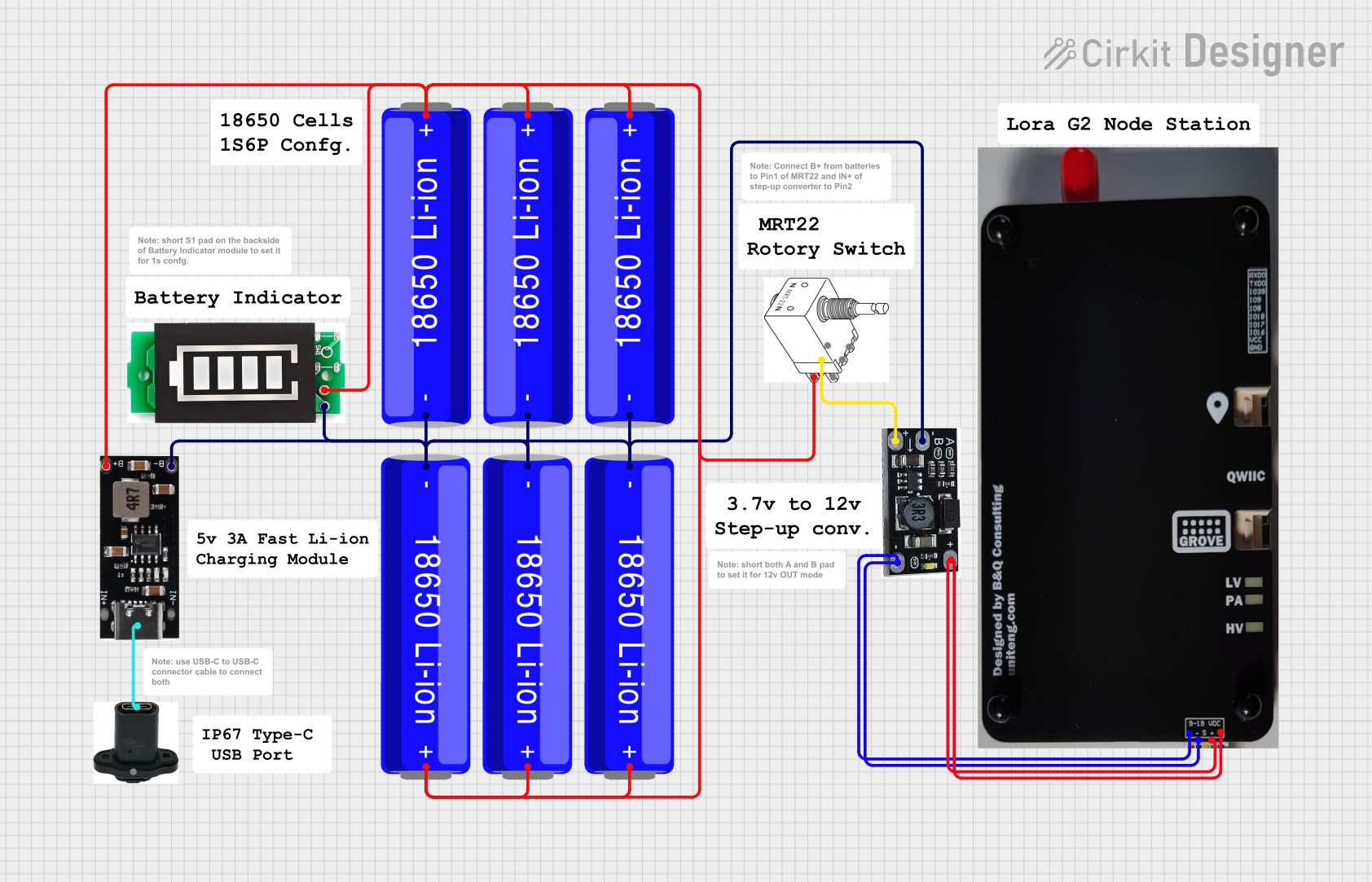 Open Project in Cirkit Designer
Explore Projects Built with 18650 in case
Open Project in Cirkit DesignerOpen Project in Cirkit DesignerOpen Project in Cirkit DesignerOpen Project in Cirkit DesignerCommon Applications
- Powering portable electronic devices (e.g., flashlights, radios)
- Battery packs for electric vehicles and e-bikes
- DIY power banks and solar energy storage systems
- Robotics and IoT projects
- Backup power supplies for microcontrollers and sensors
Technical Specifications
The following table outlines the key technical details of the 18650 battery in its protective case:
| Parameter | Specification |
|---|---|
| Nominal Voltage | 3.7V |
| Fully Charged Voltage | 4.2V |
| Capacity Range | 2000mAh to 3500mAh (varies by model) |
| Discharge Current | 1A to 20A (depending on the cell) |
| Dimensions (with case) | ~18.6mm (diameter) x 70mm (length) |
| Weight (with case) | ~50g |
| Operating Temperature | -20°C to 60°C |
| Cycle Life | 300-500 cycles (typical) |
| Protection Features | Overcharge, over-discharge, and short circuit protection |
Pin Configuration and Descriptions
The 18650 in case typically has two terminals for electrical connections:
| Pin | Label | Description |
|---|---|---|
| + | Positive | Positive terminal for connecting to the load or charger. |
| - | Negative | Negative terminal for connecting to the load or charger. |
Usage Instructions
How to Use the 18650 in a Circuit
- Identify the Terminals: Locate the positive (+) and negative (-) terminals on the battery case.
- Connect to a Load: Use appropriate wires or connectors to attach the battery to your circuit. Ensure correct polarity to avoid damage.
- Charging the Battery:
- Use a dedicated lithium-ion battery charger with a constant current/constant voltage (CC/CV) charging profile.
- Ensure the charger supports the battery's voltage and capacity specifications.
- Mounting: Secure the battery in a holder or enclosure to prevent movement or accidental short circuits.
Important Considerations
- Avoid Overcharging: Do not exceed 4.2V during charging to prevent damage or safety hazards.
- Discharge Limits: Avoid discharging below 2.5V to maintain battery health.
- Temperature: Operate the battery within the specified temperature range to ensure safety and performance.
- Parallel/Series Connections: When connecting multiple batteries, ensure they are of the same capacity and charge level to avoid imbalances.
- Protective Circuitry: Use a Battery Management System (BMS) for added safety in multi-cell configurations.
Example: Using with Arduino UNO
The 18650 battery can power an Arduino UNO via its VIN pin. Below is an example of connecting the battery to the Arduino:
Circuit Diagram
- Connect the positive terminal of the 18650 to the VIN pin of the Arduino.
- Connect the negative terminal to the GND pin.
Sample Code
// Example code to blink an LED using Arduino UNO powered by a 18650 battery
// Ensure the battery voltage is regulated to 5V if connected to the 5V pin.

const int ledPin = 13; // Built-in LED pin on Arduino UNO

void setup() {
  pinMode(ledPin, OUTPUT); // Set LED pin as output
}

void loop() {
  digitalWrite(ledPin, HIGH); // Turn the LED on
  delay(1000);               // Wait for 1 second
  digitalWrite(ledPin, LOW);  // Turn the LED off
  delay(1000);               // Wait for 1 second
}
Troubleshooting and FAQs
Common Issues
- Battery Not Charging:
- Cause: Faulty charger or damaged battery.
- Solution: Verify the charger output voltage and current. Replace the battery if necessary.
- Battery Drains Quickly:
- Cause: High load current or degraded battery capacity.
- Solution: Reduce the load or replace the battery if it has reached the end of its cycle life.
- Overheating During Use:
- Cause: Excessive current draw or poor ventilation.
- Solution: Ensure the load is within the battery's discharge current rating. Improve ventilation.
- No Output Voltage:
- Cause: Protection circuit activated due to over-discharge or short circuit.
- Solution: Recharge the battery to reset the protection circuit.
FAQs
Q: Can I use the 18650 in case without a protective circuit?
A: It is not recommended. The protective circuit prevents overcharging, over-discharging, and short circuits, ensuring safety and longevity.
Q: How do I safely dispose of an 18650 battery?
A: Take the battery to a certified recycling facility. Do not dispose of it in regular trash.
Q: Can I connect multiple 18650 batteries in series or parallel?
A: Yes, but ensure all batteries have the same capacity, charge level, and are balanced. Use a Battery Management System (BMS) for safety.
Q: What is the typical lifespan of an 18650 battery?
A: The lifespan is typically 300-500 charge cycles, depending on usage and care.