
How to Use Contaceur modulaire 2NO: Examples, Pinouts, and Specs

 Design with Contaceur modulaire 2NO in Cirkit Designer
Introduction
The Contactor Modulaire 2NO by TOMZN is a modular contactor designed for controlling electrical circuits. It features two normally open (NO) contacts, making it ideal for switching power on and off in residential, commercial, and industrial applications. This component is commonly used in automation systems, lighting control, and motor control circuits.
Explore Projects Built with Contaceur modulaire 2NO
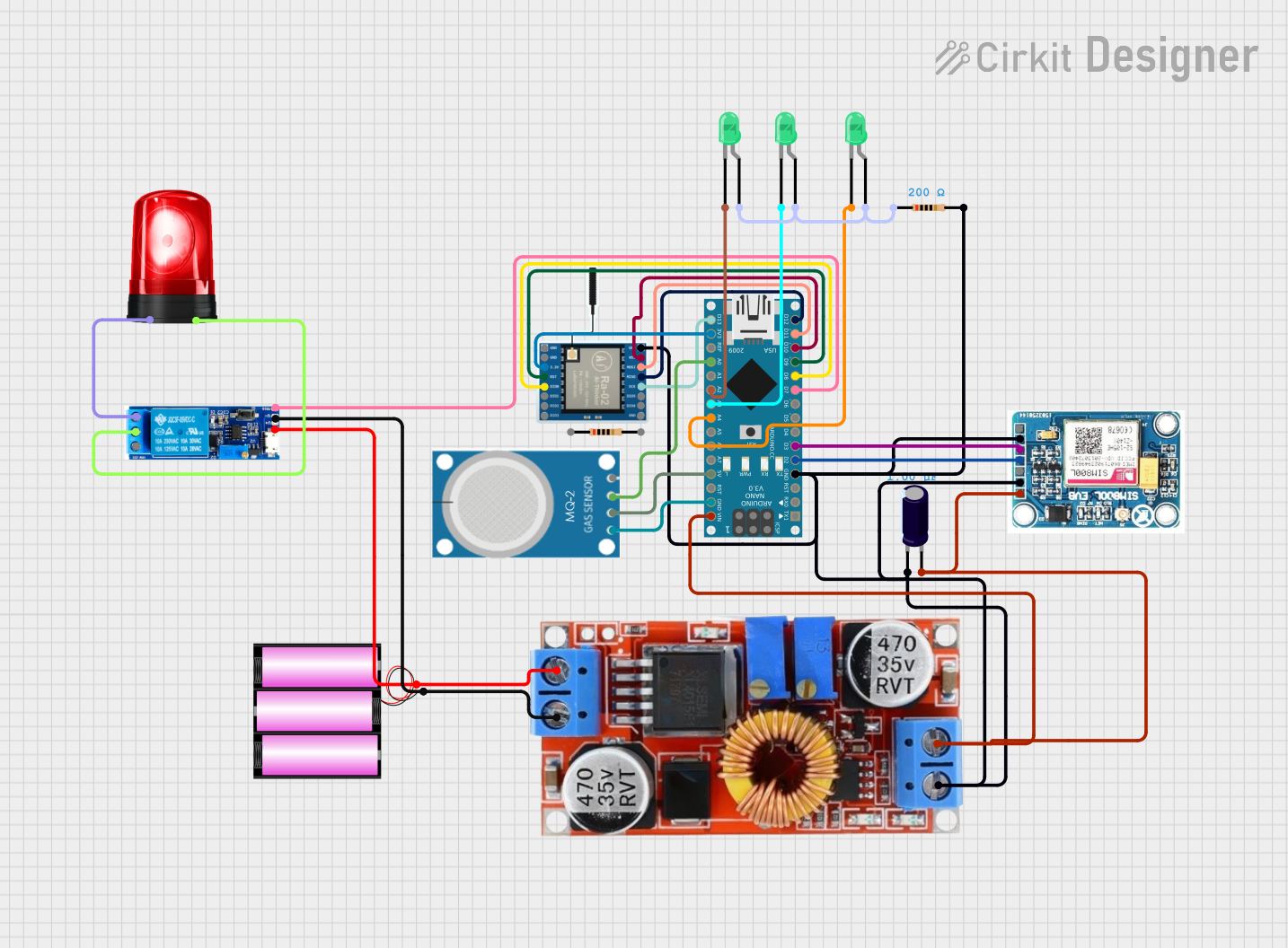 Open Project in Cirkit Designer
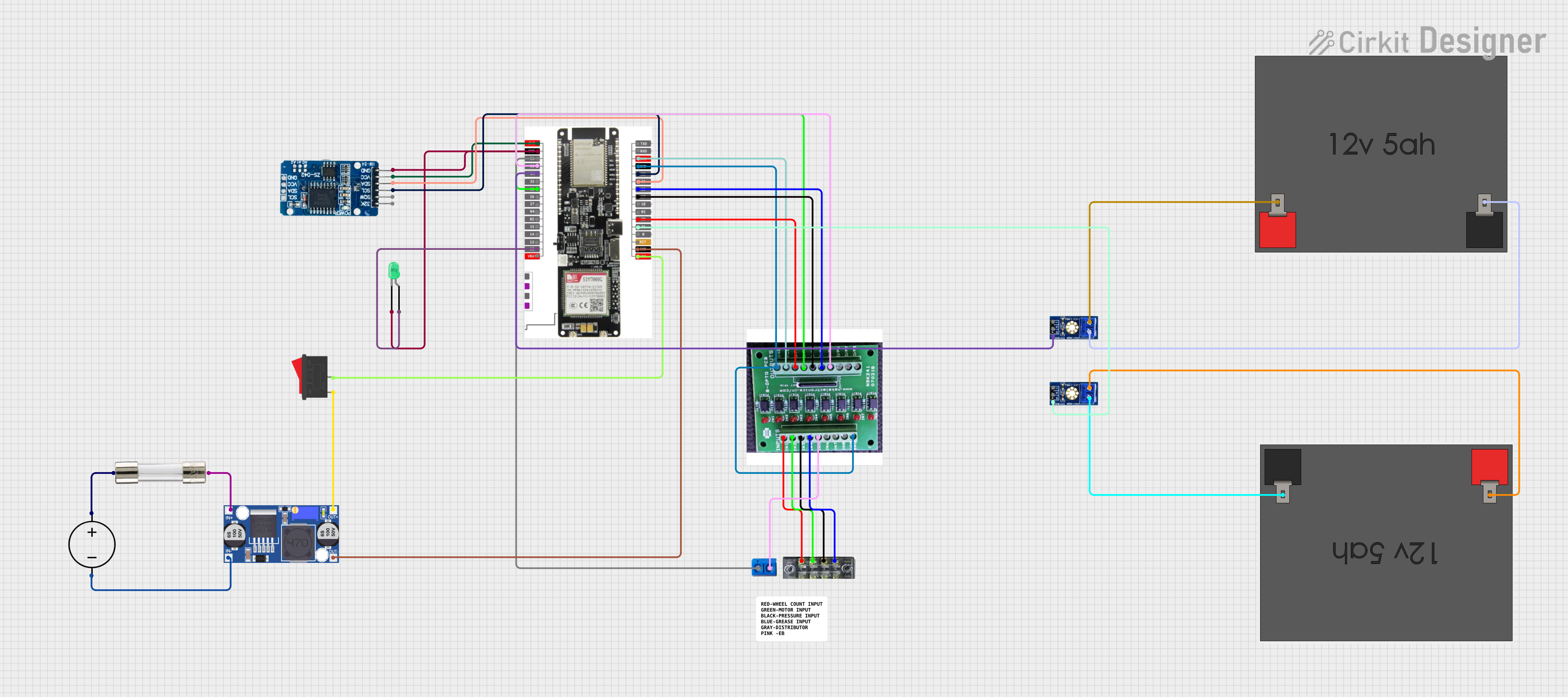 Open Project in Cirkit Designer
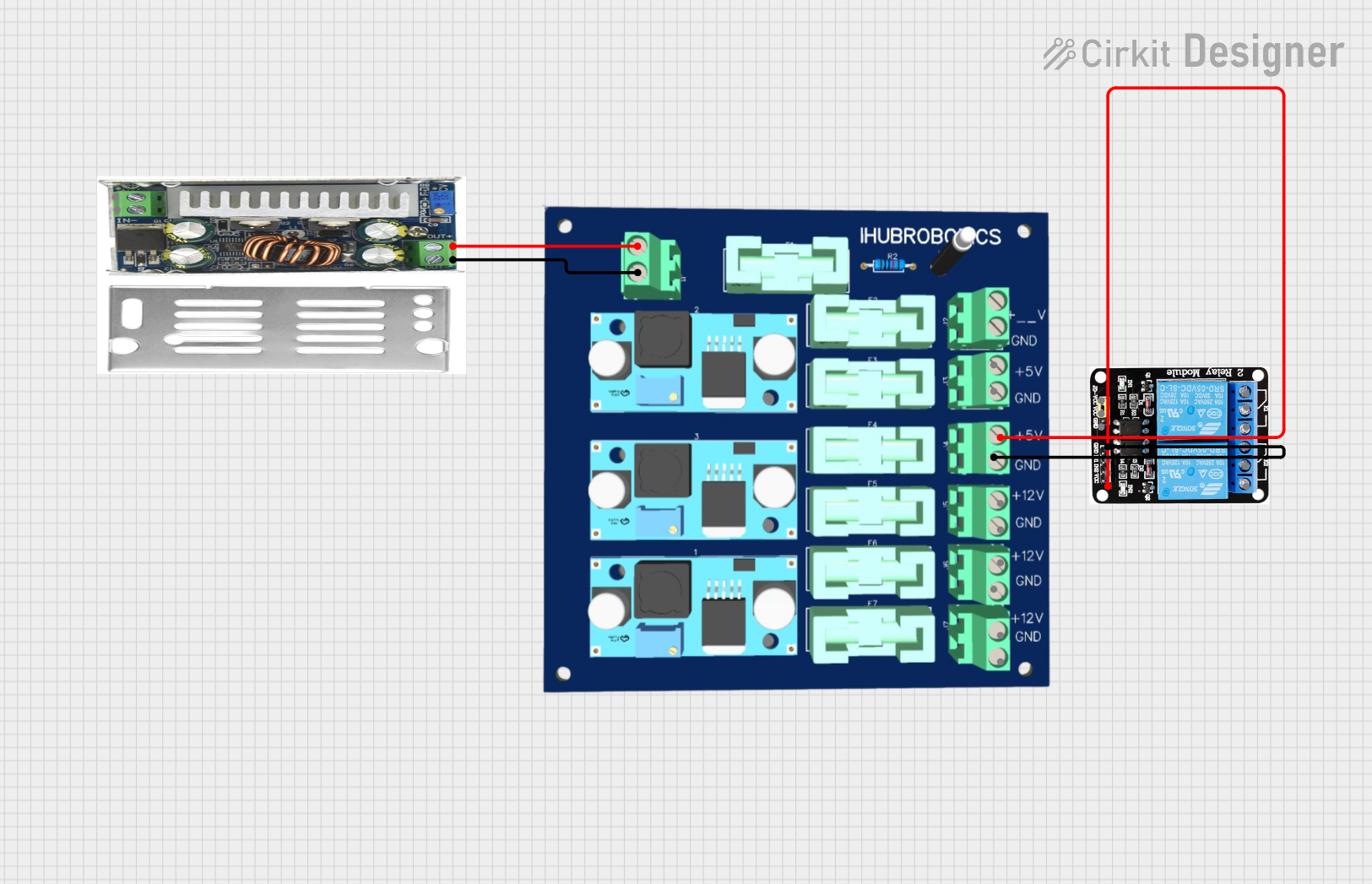 Open Project in Cirkit Designer
 Open Project in Cirkit Designer
Explore Projects Built with Contaceur modulaire 2NO
Open Project in Cirkit DesignerOpen Project in Cirkit DesignerOpen Project in Cirkit DesignerOpen Project in Cirkit DesignerCommon Applications and Use Cases
- Lighting Control: Automating lighting systems in homes, offices, and factories.
- HVAC Systems: Controlling heating, ventilation, and air conditioning equipment.
- Motor Control: Switching motors on and off in industrial machinery.
- Energy Management: Managing power distribution in smart grids and renewable energy systems.
- Home Automation: Integrating with smart home systems for remote control of electrical devices.
Technical Specifications
The following table outlines the key technical details of the Contactor Modulaire 2NO:
| Parameter | Value |
|---|---|
| Manufacturer | TOMZN |
| Contact Configuration | 2 Normally Open (2NO) |
| Rated Voltage (AC) | 230V AC |
| Rated Current | 25A |
| Coil Voltage | 230V AC |
| Frequency | 50/60 Hz |
| Mechanical Durability | 1,000,000 operations |
| Electrical Durability | 100,000 operations |
| Mounting Type | DIN Rail |
| Operating Temperature | -5°C to +40°C |
| Dimensions (L x W x H) | 36mm x 90mm x 65mm |
| Weight | 200g |
Pin Configuration and Descriptions
The Contactor Modulaire 2NO has the following terminal layout:
| Terminal | Description |
|---|---|
| A1 | Coil input terminal (live) |
| A2 | Coil input terminal (neutral) |
| 1L1 | Input terminal for the first NO contact |
| 2T1 | Output terminal for the first NO contact |
| 3L2 | Input terminal for the second NO contact |
| 4T2 | Output terminal for the second NO contact |
Usage Instructions
How to Use the Contactor in a Circuit
- Mounting: Secure the contactor onto a DIN rail in your distribution box or control panel.
- Wiring the Coil:
- Connect the live wire to terminal A1.
- Connect the neutral wire to terminal A2.
- Wiring the Load:
- For the first circuit, connect the input power line to terminal 1L1 and the load to terminal 2T1.
- For the second circuit, connect the input power line to terminal 3L2 and the load to terminal 4T2.
- Power On: Once the coil is energized (by applying 230V AC to A1 and A2), the NO contacts will close, allowing current to flow through the load.
Important Considerations and Best Practices
- Overcurrent Protection: Always use a circuit breaker or fuse to protect the contactor and connected devices from overcurrent.
- Coil Voltage: Ensure the coil voltage matches the rated 230V AC to avoid damage.
- Load Ratings: Do not exceed the rated current of 25A per contact.
- Noise Suppression: For inductive loads (e.g., motors), use a surge suppressor or RC snubber across the contacts to reduce electrical noise and arcing.
- Periodic Maintenance: Inspect the contactor periodically for signs of wear or damage, especially in high-duty applications.
Example: Connecting to an Arduino UNO
While the Contactor Modulaire 2NO is primarily designed for AC control, it can be interfaced with an Arduino UNO using a relay module to control the coil. Below is an example code snippet:
// Example: Controlling the Contactor Modulaire 2NO with Arduino UNO
// This code uses a relay module to energize the contactor's coil.

const int relayPin = 7; // Pin connected to the relay module

void setup() {
  pinMode(relayPin, OUTPUT); // Set relay pin as output
  digitalWrite(relayPin, LOW); // Ensure relay is off at startup
}

void loop() {
  // Turn on the contactor for 5 seconds
  digitalWrite(relayPin, HIGH); // Energize the relay (and the contactor coil)
  delay(5000); // Wait for 5 seconds

  // Turn off the contactor
  digitalWrite(relayPin, LOW); // De-energize the relay
  delay(5000); // Wait for 5 seconds
}
Note: Ensure the relay module is rated for 230V AC and can handle the current required by the contactor's coil.
Troubleshooting and FAQs
Common Issues and Solutions
Contactor Does Not Activate:
- Cause: No voltage applied to the coil terminals (A1 and A2).
- Solution: Check the wiring and ensure 230V AC is supplied to the coil.
Contacts Do Not Close:
- Cause: Coil voltage is insufficient or the coil is damaged.
- Solution: Verify the coil voltage and replace the contactor if necessary.
Excessive Noise or Arcing:
- Cause: Inductive loads without proper suppression.
- Solution: Install a surge suppressor or RC snubber across the contacts.
Overheating:
- Cause: Exceeding the rated current or poor ventilation.
- Solution: Reduce the load current or improve ventilation around the contactor.
FAQs
Q1: Can this contactor be used for DC circuits?
A1: No, the Contactor Modulaire 2NO is designed for AC circuits only. For DC applications, use a DC-rated contactor.
Q2: How do I know if the contactor is working?
A2: When the coil is energized, you should hear a clicking sound, and the NO contacts will close, allowing current to flow.
Q3: Can I control this contactor remotely?
A3: Yes, you can use a relay module or a smart home controller to energize the coil remotely.
Q4: What is the lifespan of this contactor?
A4: The mechanical durability is rated at 1,000,000 operations, while the electrical durability is rated at 100,000 operations under normal conditions.