
How to Use Raspberry pi zero w: Examples, Pinouts, and Specs
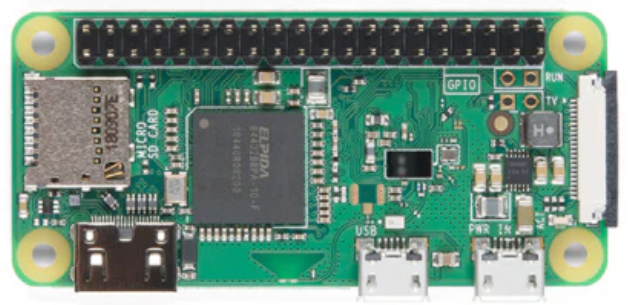
 Design with Raspberry pi zero w in Cirkit Designer
Introduction
The Raspberry Pi Zero W is a compact, low-cost single-board computer equipped with built-in Wi-Fi and Bluetooth capabilities. It is designed for lightweight applications and is particularly well-suited for Internet of Things (IoT) projects, home automation, and portable computing tasks. Despite its small size, the Raspberry Pi Zero W offers impressive functionality, making it a popular choice for hobbyists, educators, and developers.
Explore Projects Built with Raspberry pi zero w
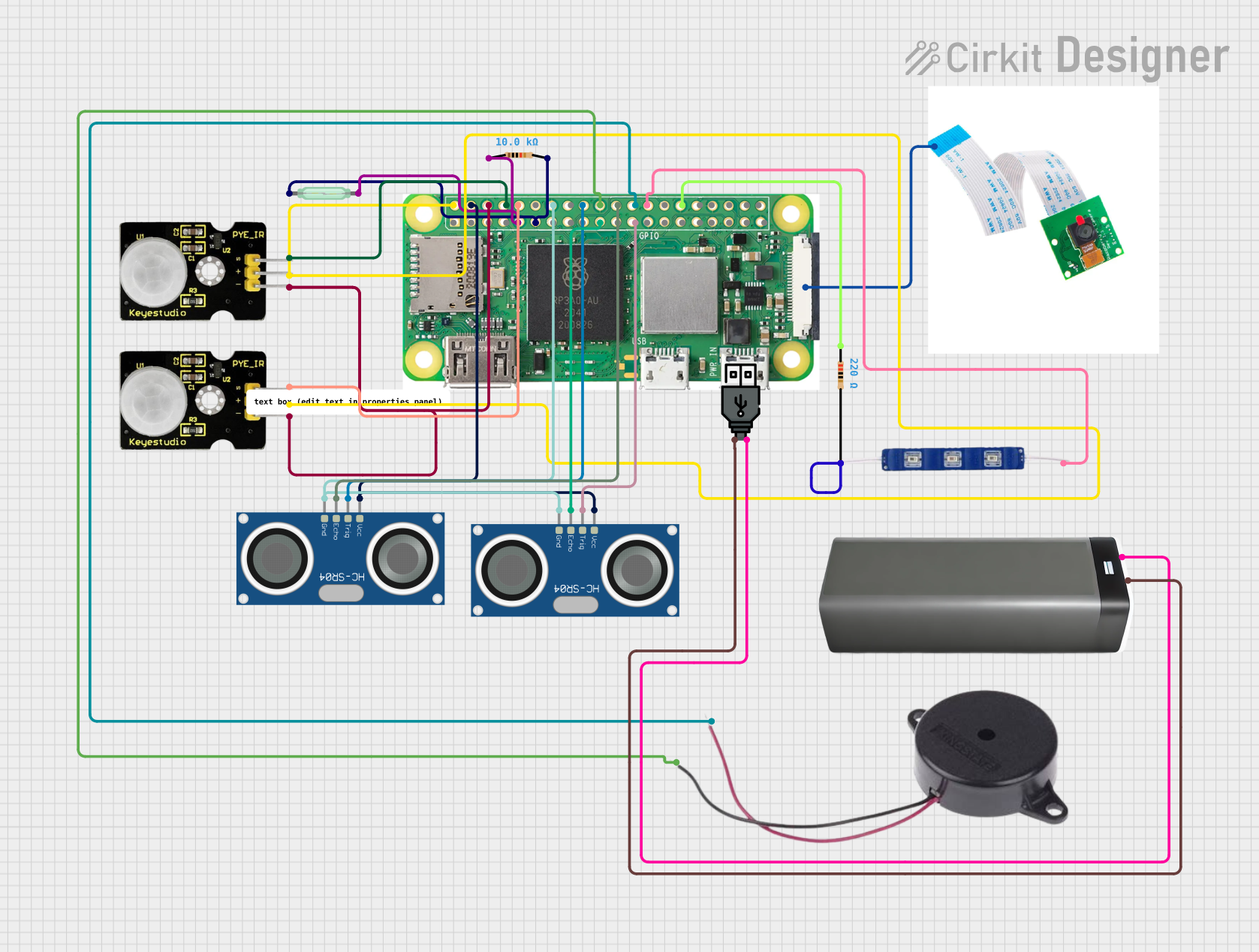 Open Project in Cirkit Designer
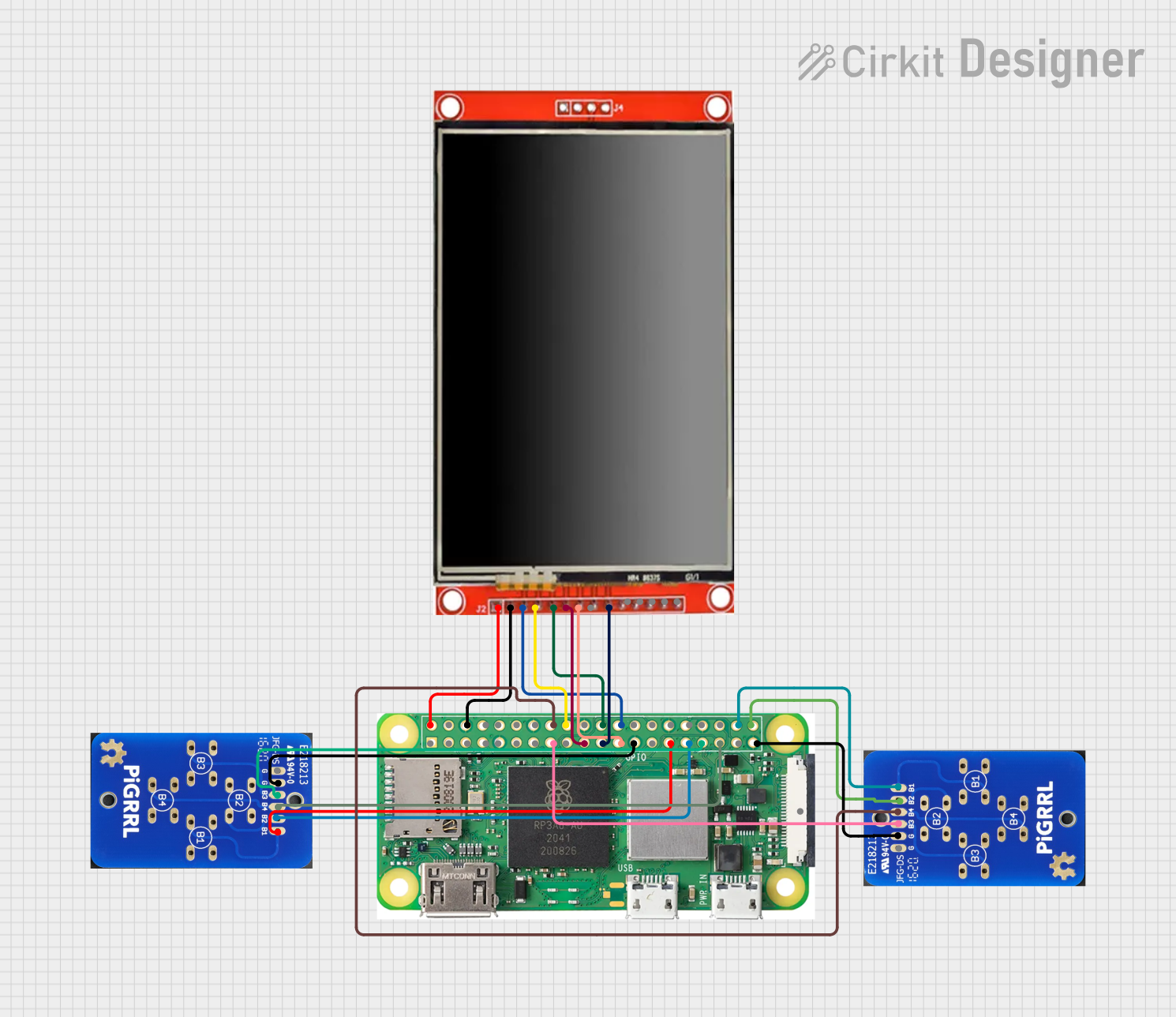 Open Project in Cirkit Designer
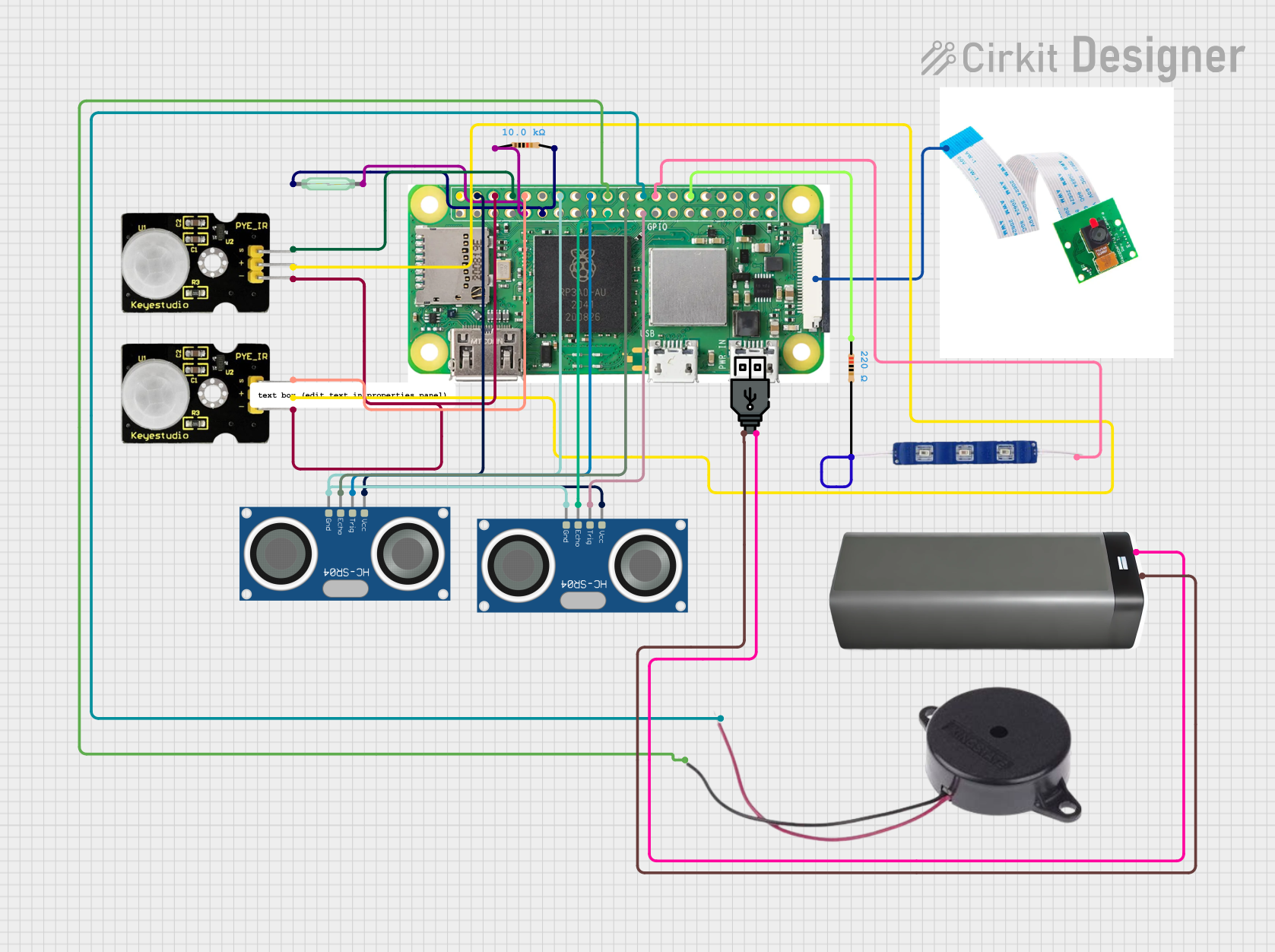 Open Project in Cirkit Designer
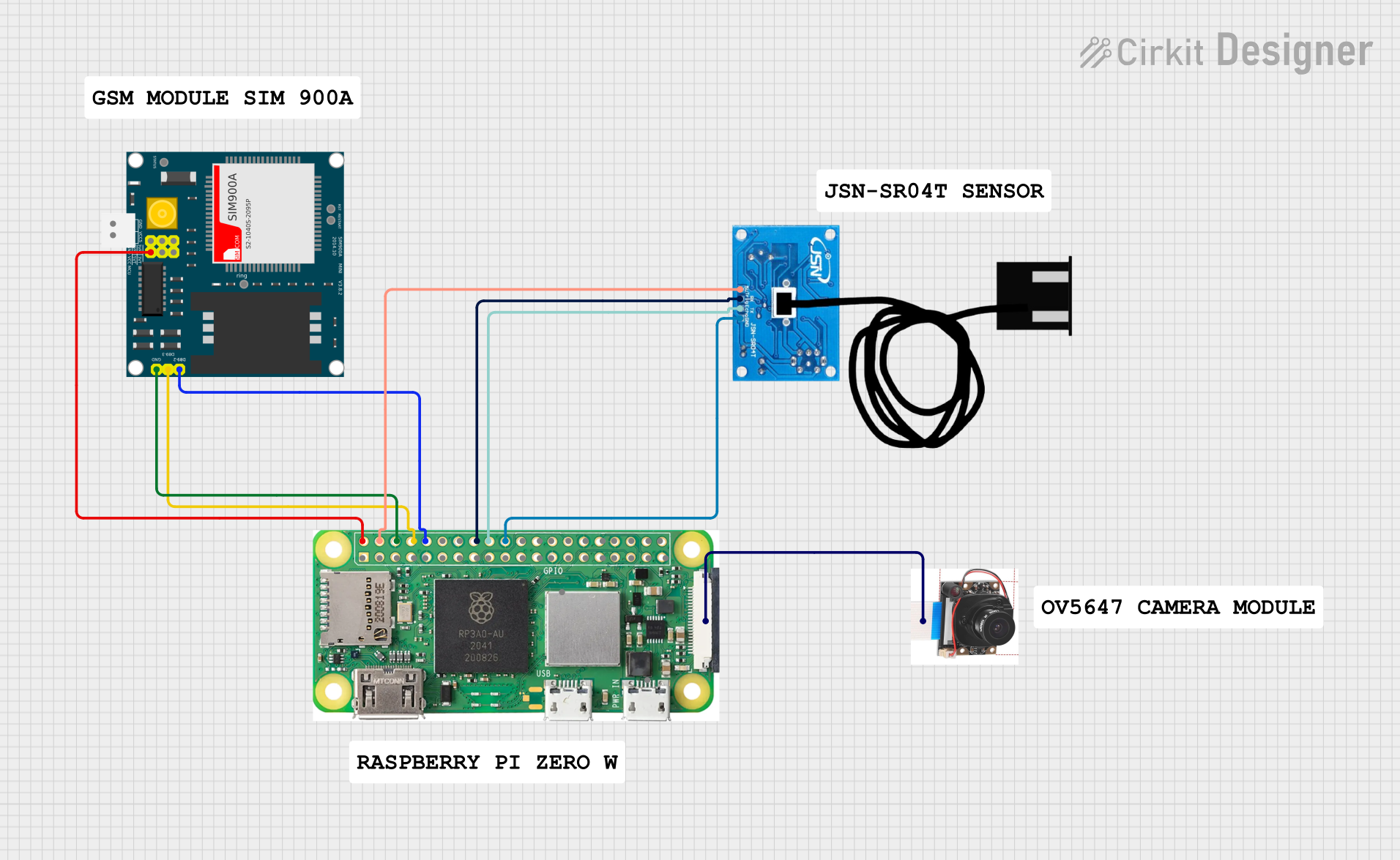 Open Project in Cirkit Designer
Explore Projects Built with Raspberry pi zero w
Open Project in Cirkit DesignerOpen Project in Cirkit DesignerOpen Project in Cirkit DesignerOpen Project in Cirkit DesignerCommon Applications and Use Cases
- IoT devices and smart home systems
- Portable media centers
- Robotics and automation projects
- Network monitoring tools
- Lightweight web servers
- Educational tools for learning programming and electronics
Technical Specifications
The Raspberry Pi Zero W is built to deliver essential computing power in a compact form factor. Below are its key technical details:
General Specifications
| Specification | Details |
|---|---|
| Processor | Broadcom BCM2835, 1GHz single-core ARM11 |
| RAM | 512MB LPDDR2 |
| Wireless Connectivity | 802.11n Wi-Fi, Bluetooth 4.1, BLE |
| GPIO | 40-pin GPIO header (unpopulated) |
| Video Output | Mini HDMI |
| USB | Micro USB for power and data |
| Storage | MicroSD card slot |
| Power Supply | 5V/2.5A via Micro USB |
| Dimensions | 65mm × 30mm × 5mm |
Pin Configuration and Descriptions
The Raspberry Pi Zero W features a 40-pin GPIO header (unpopulated by default). Below is a summary of the pin configuration:
| Pin Number | Pin Name | Functionality |
|---|---|---|
| 1 | 3.3V | Power (3.3V) |
| 2 | 5V | Power (5V) |
| 3 | GPIO2 (SDA1) | I2C Data |
| 4 | 5V | Power (5V) |
| 5 | GPIO3 (SCL1) | I2C Clock |
| 6 | GND | Ground |
| 7 | GPIO4 | General Purpose I/O |
| 8 | GPIO14 (TXD) | UART Transmit |
| 9 | GND | Ground |
| 10 | GPIO15 (RXD) | UART Receive |
| ... | ... | ... (Refer to official documentation) |
For the full GPIO pinout, refer to the official Raspberry Pi documentation.
Usage Instructions
How to Use the Raspberry Pi Zero W in a Circuit
- Powering the Board: Connect a 5V/2.5A power supply to the Micro USB power port.
- Connecting Peripherals: Use a Mini HDMI adapter for video output and a USB OTG adapter to connect peripherals like a keyboard or mouse.
- Setting Up the OS:
- Download the Raspberry Pi OS image from the official website.
- Flash the image onto a microSD card using tools like Balena Etcher.
- Insert the microSD card into the Raspberry Pi Zero W.
- Accessing the GPIO Pins: Solder a 40-pin header to the GPIO pads if needed, and connect sensors, LEDs, or other components.
Important Considerations and Best Practices
- Heat Management: While the Raspberry Pi Zero W is energy-efficient, consider adding a heatsink for prolonged use in high-performance applications.
- Power Supply: Use a reliable 5V/2.5A power supply to avoid instability.
- Wi-Fi and Bluetooth: Ensure your environment has a stable Wi-Fi signal for optimal performance in IoT applications.
- Static Protection: Handle the board with care to avoid damage from electrostatic discharge (ESD).
Example: Blinking an LED with GPIO and Python
Below is an example of how to blink an LED connected to GPIO17 (pin 11) using Python:
Import the necessary library for GPIO control
import RPi.GPIO as GPIO import time
Set up GPIO mode to use physical pin numbering
GPIO.setmode(GPIO.BOARD)
Define the pin number where the LED is connected
LED_PIN = 11
Set up the pin as an output
GPIO.setup(LED_PIN, GPIO.OUT)
try: while True: GPIO.output(LED_PIN, GPIO.HIGH) # Turn the LED on time.sleep(1) # Wait for 1 second GPIO.output(LED_PIN, GPIO.LOW) # Turn the LED off time.sleep(1) # Wait for 1 second except KeyboardInterrupt: # Clean up GPIO settings before exiting GPIO.cleanup()
Running the Code
- Save the code to a file, e.g.,
blink.py. - Run the script using the command:
python3 blink.py. - Press
Ctrl+Cto stop the script.
Troubleshooting and FAQs
Common Issues and Solutions
The Raspberry Pi Zero W does not boot:
- Ensure the microSD card is properly inserted and contains a valid OS image.
- Verify the power supply provides sufficient current (5V/2.5A).
- Check for any visible damage to the board.
Wi-Fi connectivity issues:
- Confirm that the Wi-Fi credentials are correctly configured in the OS.
- Ensure the router is within range and functioning properly.
GPIO pins not working:
- Verify that the correct pin numbering mode (BOARD or BCM) is used in your code.
- Check for loose connections or soldering issues on the GPIO header.
Overheating:
- Add a heatsink or improve ventilation around the board.
FAQs
Can I use the Raspberry Pi Zero W without soldering? Yes, you can use pre-soldered GPIO headers or connect peripherals via USB and HDMI.
What operating systems are supported? The Raspberry Pi Zero W supports Raspberry Pi OS, as well as other Linux-based distributions like Ubuntu and RetroPie.
Can I power the Raspberry Pi Zero W via GPIO pins? Yes, you can supply 5V directly to the 5V and GND pins, but ensure proper voltage regulation.
Is the Raspberry Pi Zero W suitable for AI/ML projects? While it can handle lightweight AI/ML tasks, more powerful Raspberry Pi models (e.g., Raspberry Pi 4) are recommended for intensive workloads.