
How to Use 12v: Examples, Pinouts, and Specs
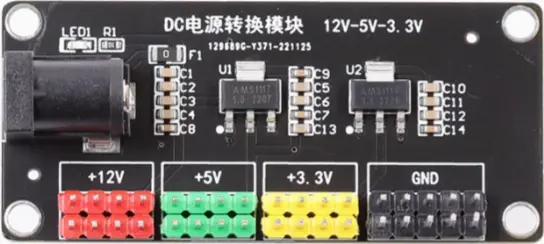
 Design with 12v in Cirkit Designer
Introduction
The 12V Power Supply by Component is a reliable and stable voltage source designed to power a wide range of electronic circuits and devices. It provides a consistent 12-volt output, making it ideal for applications requiring steady power delivery. This component is commonly used in embedded systems, robotics, LED lighting, and other low-power electronic projects.
Explore Projects Built with 12v
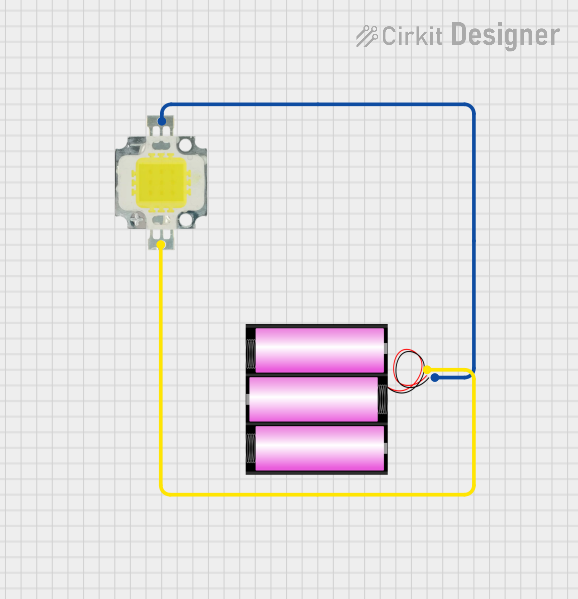 Open Project in Cirkit Designer
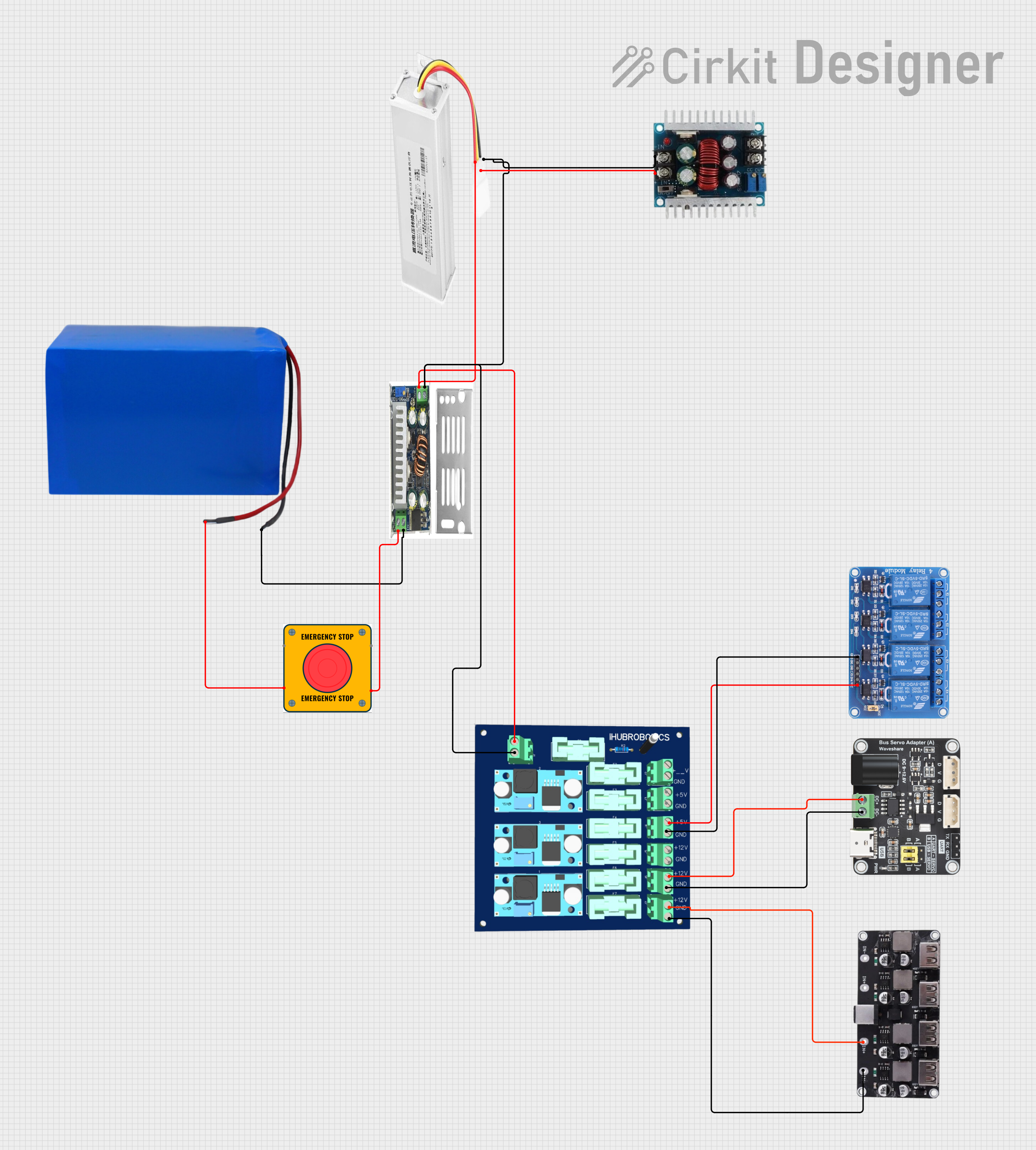 Open Project in Cirkit Designer
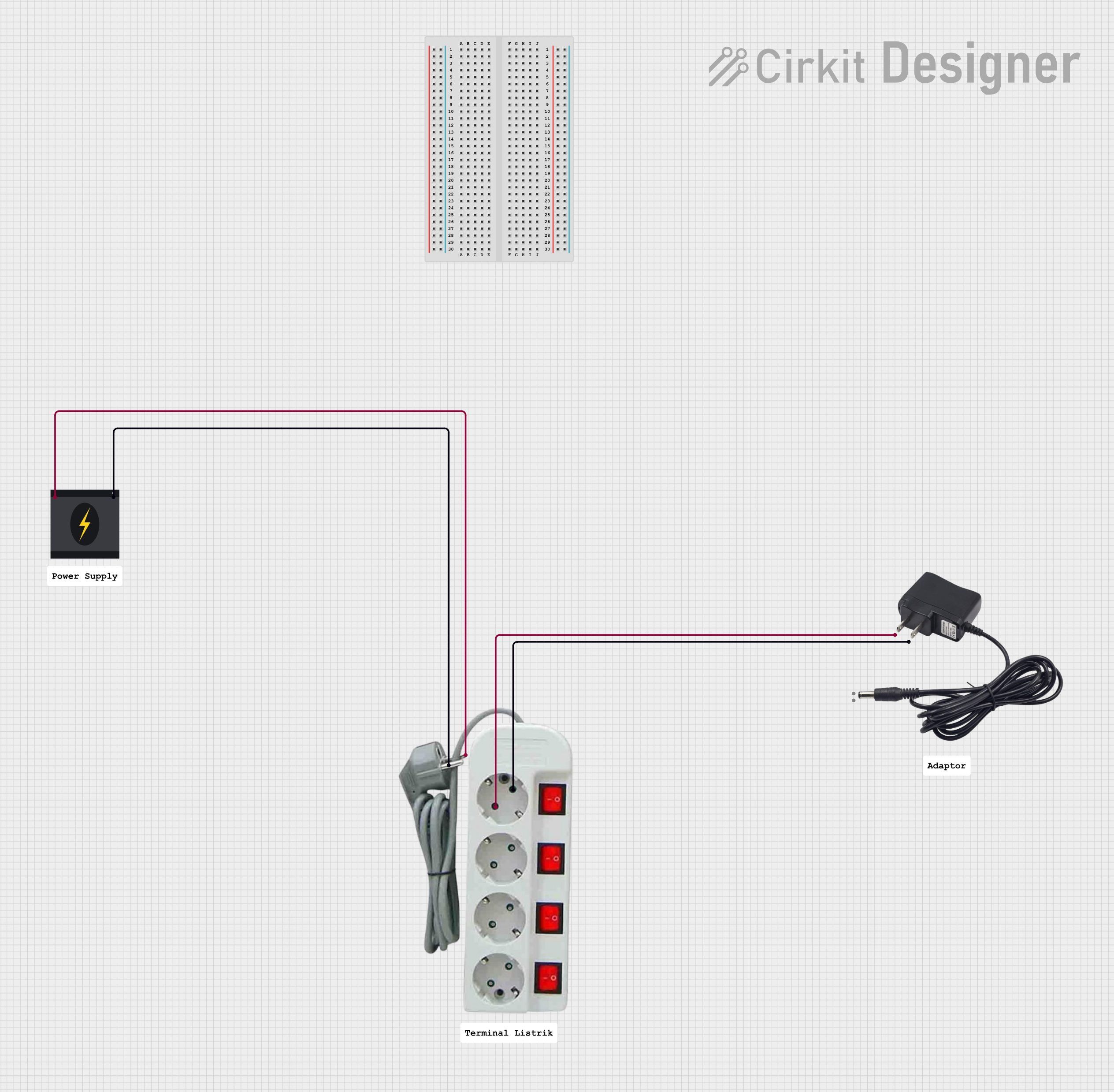 Open Project in Cirkit Designer
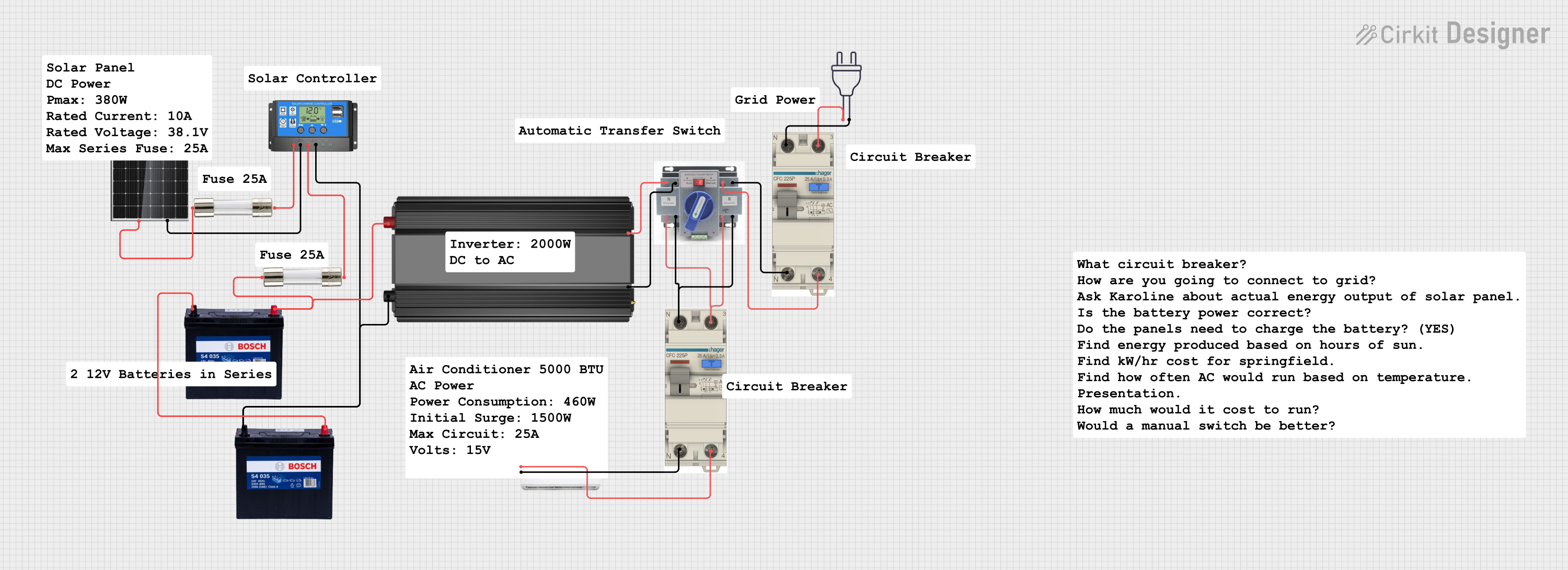 Open Project in Cirkit Designer
Explore Projects Built with 12v
Open Project in Cirkit DesignerOpen Project in Cirkit DesignerOpen Project in Cirkit DesignerOpen Project in Cirkit DesignerCommon Applications and Use Cases
- Powering microcontrollers, sensors, and modules in embedded systems
- Driving DC motors and actuators in robotics
- Supplying power to LED strips and lighting systems
- Charging small 12V batteries
- Providing power to audio amplifiers and other consumer electronics
Technical Specifications
The following table outlines the key technical details of the 12V Power Supply:
| Parameter | Specification |
|---|---|
| Output Voltage | 12V DC ± 5% |
| Input Voltage Range | 100-240V AC (for AC-DC power supplies) or 12V DC (for batteries) |
| Maximum Output Current | 2A (varies by model) |
| Power Rating | 24W (maximum) |
| Ripple and Noise | < 120mV |
| Efficiency | ≥ 85% |
| Operating Temperature | -10°C to 50°C |
| Storage Temperature | -20°C to 70°C |
| Dimensions | Varies by model |
| Weight | Varies by model |
Pin Configuration and Descriptions
For a typical 12V DC Power Supply with a barrel jack connector, the pin configuration is as follows:
| Pin | Description |
|---|---|
| Center | Positive terminal (+12V) |
| Outer | Negative terminal (GND) |
For a 12V Battery, the terminals are:
| Terminal | Description |
|---|---|
| Positive (+) | Positive terminal (+12V) |
| Negative (-) | Negative terminal (GND) |
Usage Instructions
How to Use the Component in a Circuit
Connect the Power Supply:
- For a barrel jack connector, ensure the center pin is connected to the positive input of your circuit and the outer sleeve is connected to ground.
- For a battery, connect the positive terminal to the positive input of your circuit and the negative terminal to ground.
Verify Voltage Requirements:
- Ensure the device or circuit you are powering is designed to operate at 12V DC.
- Check the current requirements of your circuit to ensure it does not exceed the maximum output current of the power supply.
Add Protection Components:
- Use a fuse or circuit breaker to protect against overcurrent conditions.
- Consider adding a diode in series to prevent reverse polarity damage.
Power On:
- Once all connections are secure, turn on the power supply or connect the battery.
Important Considerations and Best Practices
- Polarity: Always double-check the polarity of your connections to avoid damaging your circuit.
- Heat Dissipation: If the power supply is operating near its maximum current rating, ensure adequate ventilation to prevent overheating.
- Voltage Regulation: For sensitive circuits, consider adding a voltage regulator or capacitor to minimize ripple and noise.
- Battery Maintenance: If using a 12V battery, periodically check its charge level and recharge as needed to maintain performance.
Example: Connecting to an Arduino UNO
The 12V Power Supply can be used to power an Arduino UNO via its DC barrel jack. Below is an example of how to connect and use it:
- Connect the center pin of the power supply's barrel jack to the Arduino's DC input jack.
- Ensure the outer sleeve of the barrel jack is connected to the Arduino's ground.
Sample Code for Arduino UNO
// Example code to blink an LED using a 12V power supply with Arduino UNO
// Ensure the Arduino is powered via the 12V DC barrel jack

const int ledPin = 13; // Pin connected to the onboard LED

void setup() {
  pinMode(ledPin, OUTPUT); // Set the LED pin as an output
}

void loop() {
  digitalWrite(ledPin, HIGH); // Turn the LED on
  delay(1000);                // Wait for 1 second
  digitalWrite(ledPin, LOW);  // Turn the LED off
  delay(1000);                // Wait for 1 second
}
Troubleshooting and FAQs
Common Issues and Solutions
| Issue | Possible Cause | Solution |
|---|---|---|
| No power to the circuit | Loose or incorrect connections | Verify all connections and polarity |
| Device not functioning properly | Insufficient current supply | Check if the circuit exceeds the power supply's current rating |
| Overheating of the power supply | Operating near maximum current rating | Ensure proper ventilation or reduce load |
| High noise or ripple in output | Poor filtering or unstable input voltage | Add capacitors or use a regulated power supply |
| Battery drains quickly | High current draw or old battery | Reduce load or replace the battery |
FAQs
Can I use this power supply with a 5V device?
- No, you will need a step-down voltage regulator to safely convert 12V to 5V.
What happens if I reverse the polarity?
- Reversing the polarity can damage your circuit. Always double-check connections before powering on.
Can I use this power supply outdoors?
- Only if it is specifically rated for outdoor use. Otherwise, protect it from moisture and extreme temperatures.
How do I know if the power supply is overloaded?
- Symptoms of overloading include overheating, voltage drops, or the power supply shutting off. Reduce the load to resolve the issue.
By following this documentation, you can safely and effectively use the 12V Power Supply in your electronic projects.